Buy Now
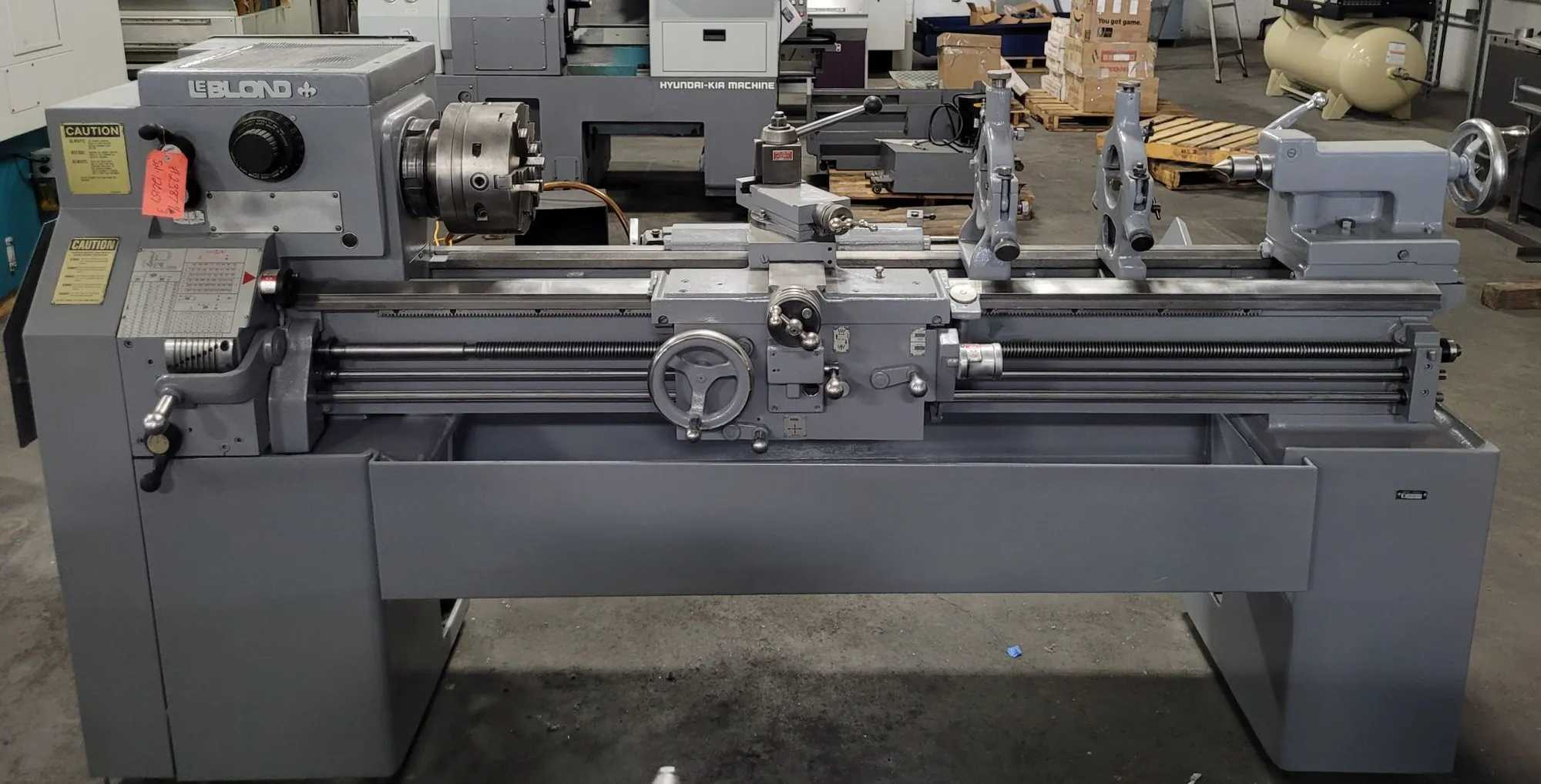
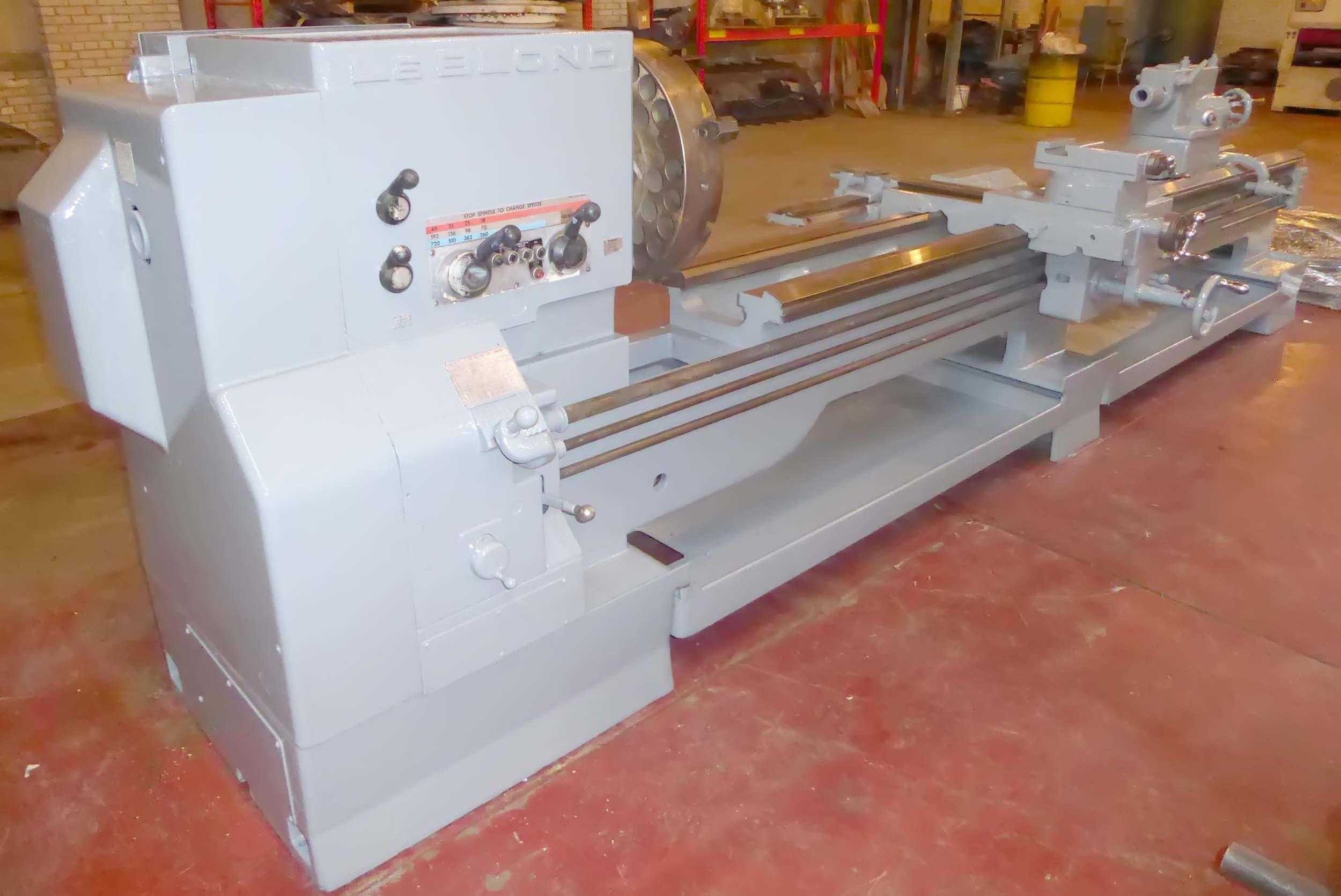
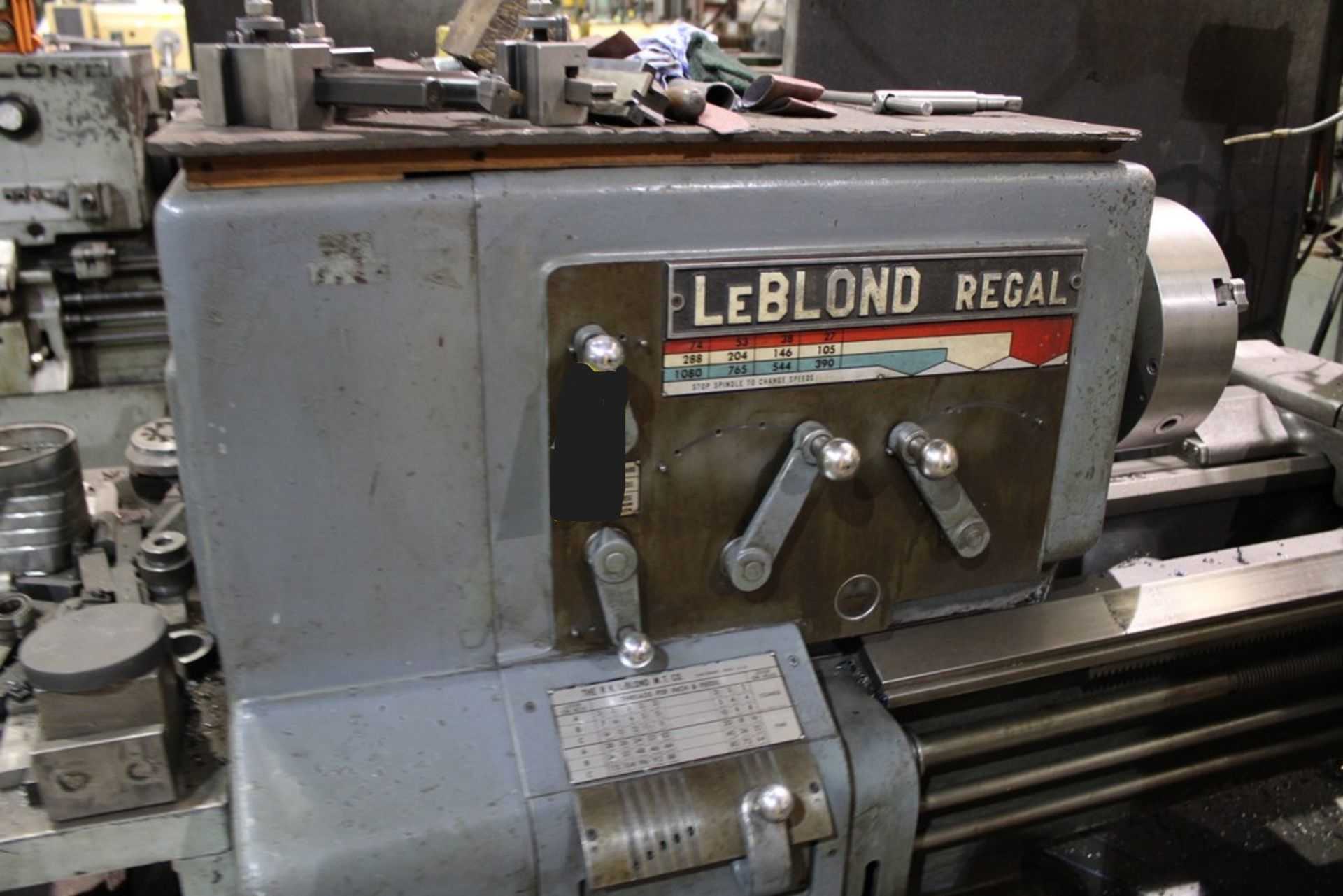
LEBLOND F21 REGAL ENGINE LATHE 22.25" SWING X 72" CTRS 10HP 27-1080 RPM DRO
$9,950
$165/moKentucky
Specifications & Market Value
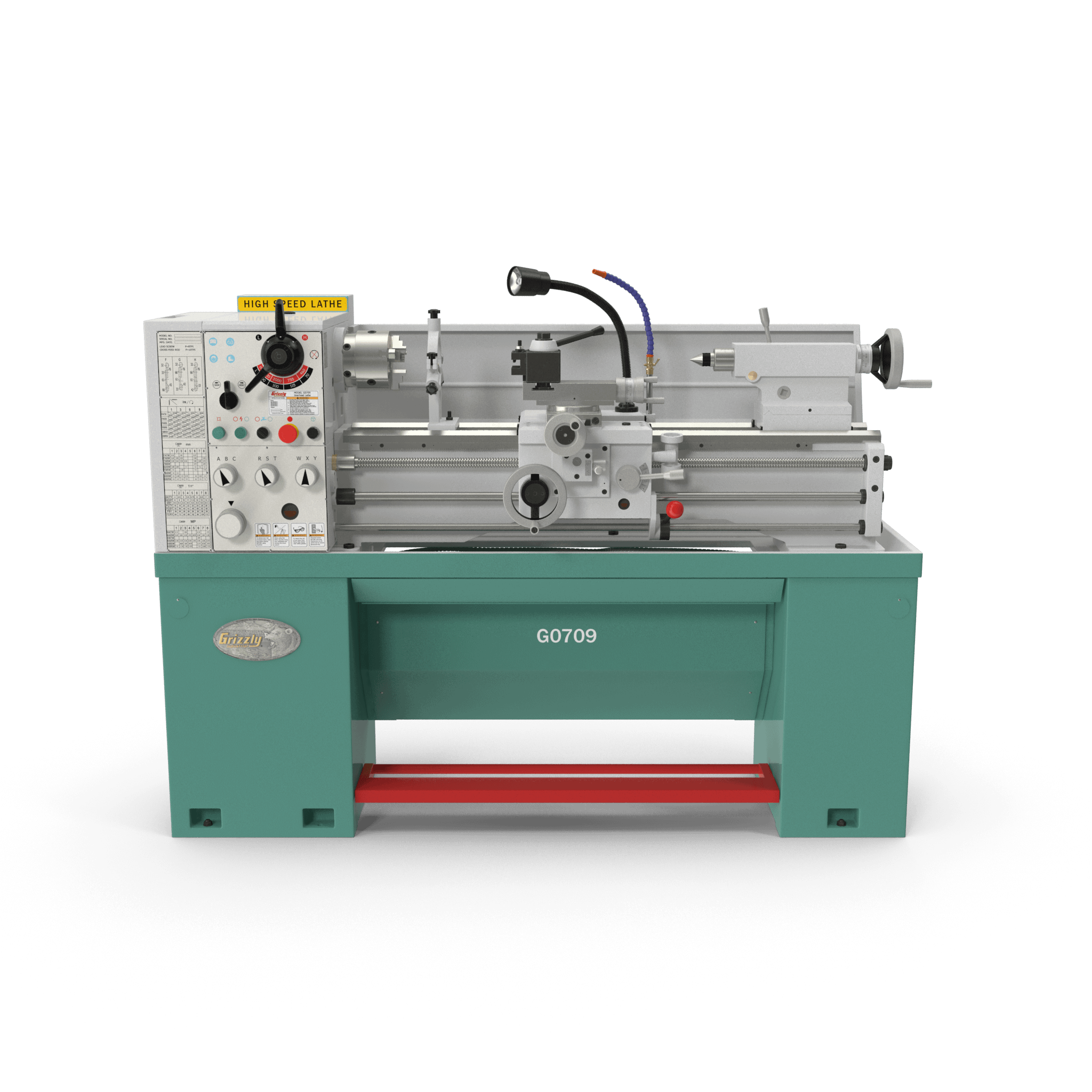
 Reference image
The American Turnmaster LS 3660 is a heavy-duty manual engine lathe engineered for demanding industrial applications, particularly in oil and gas machining. This precision machine features a 36.5-inch swing over bed with a 60-inch center distance, providing substantial workpiece capacity for large component production. The lathe incorporates a 4.13-inch D1-11 spindle bore with a maximum spindle speed of 1,000 RPM, delivering ample power through its 25 HP motor for sustained heavy cutting operations. The 27.5-inch swing over cross slide enables precise radial positioning for complex turning profiles. Built on a monolithic one-piece G-50 meehanite floor-type bed casting, the LS 3660 achieves exceptional rigidity and vibration dampening critical for maintaining tight tolerances during aggressive material removal. The machine includes 4-way power rapid traverse capability on both cross and longitudinal axes, significantly reducing non-cutting time on large workpieces. Standard equipment encompasses a 4.13-inch spindle bore, chuck guard with electric interlock, coolant pump and piping, full-foot brake, working light, and comprehensive operator's manual. The lathe operates across 12 spindle speed steps ranging from 15 to 1,000 RPM in low, medium, and high ranges, accommodating diverse material hardness and surface finish requirements. Final assembly and quality control occur in California, ensuring each machine ships production-ready for immediate shop floor integration.
Specifications, market trends, and valuation estimates are compiled from manufacturer documentation, historical sales, and industry sources. While care is taken to ensure accuracy, this information is provided for reference purposes only and may contain errors or omissions. Users should independently verify all data before making buying or selling decisions. Valuations do not represent guaranteed transaction prices or binding offers, and Aucto assumes no liability for decisions made using this data.
Spot an error or missing detail? Help us keep our equipment guides accurate for the community.

 A+
A+ Auction Value
$90,000
 Range$25,000 – $125,000
 Sells in ~ 30 days
 Retail Value
—
Sells in ~ 180 days
Item functions as originally intended, shows signs of normal wear. Change the condition to see how it moves both values.
| Attribute | SelectedAMERICAN TURNMASTER LS 3660 MANUAL LATHE | AMERICAN TURNMASTER LS 36160 MANUAL LATHE | |
|---|---|---|---|
| OEM | AMERICAN TURNMASTER | AMERICAN TURNMASTER | |
| Model | LS 3660 | LS 36160 | |
| Year | - | - | |
| Spindle Bore Diameter | 4.13 '' | 4.13 '' | |
| Max Swing | 36.50 '' | 36.50 '' | |
| Distance Between Centers | 60.00 '' | 160.70 '' | |
| Similarity | — | 99% | |
| Auction Value$25,000 - $125,000Retail Value— | Auction Value$10,000 - $85,000Retail Value— | |
| Current Machine | View Details |
Marketplace