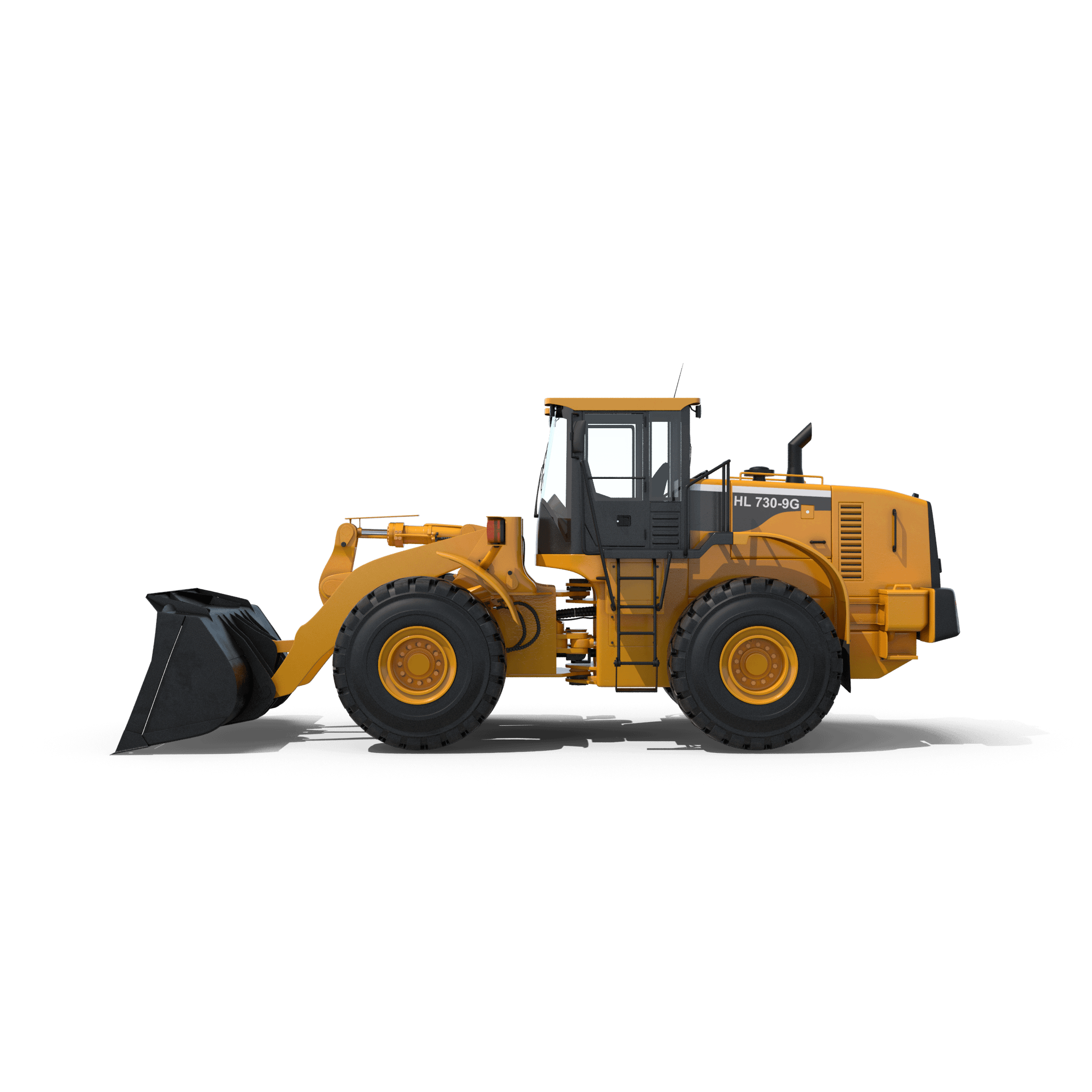
XCMG LW820G WHEEL LOADER
XCMG · LW820G
Specifications & Market Value
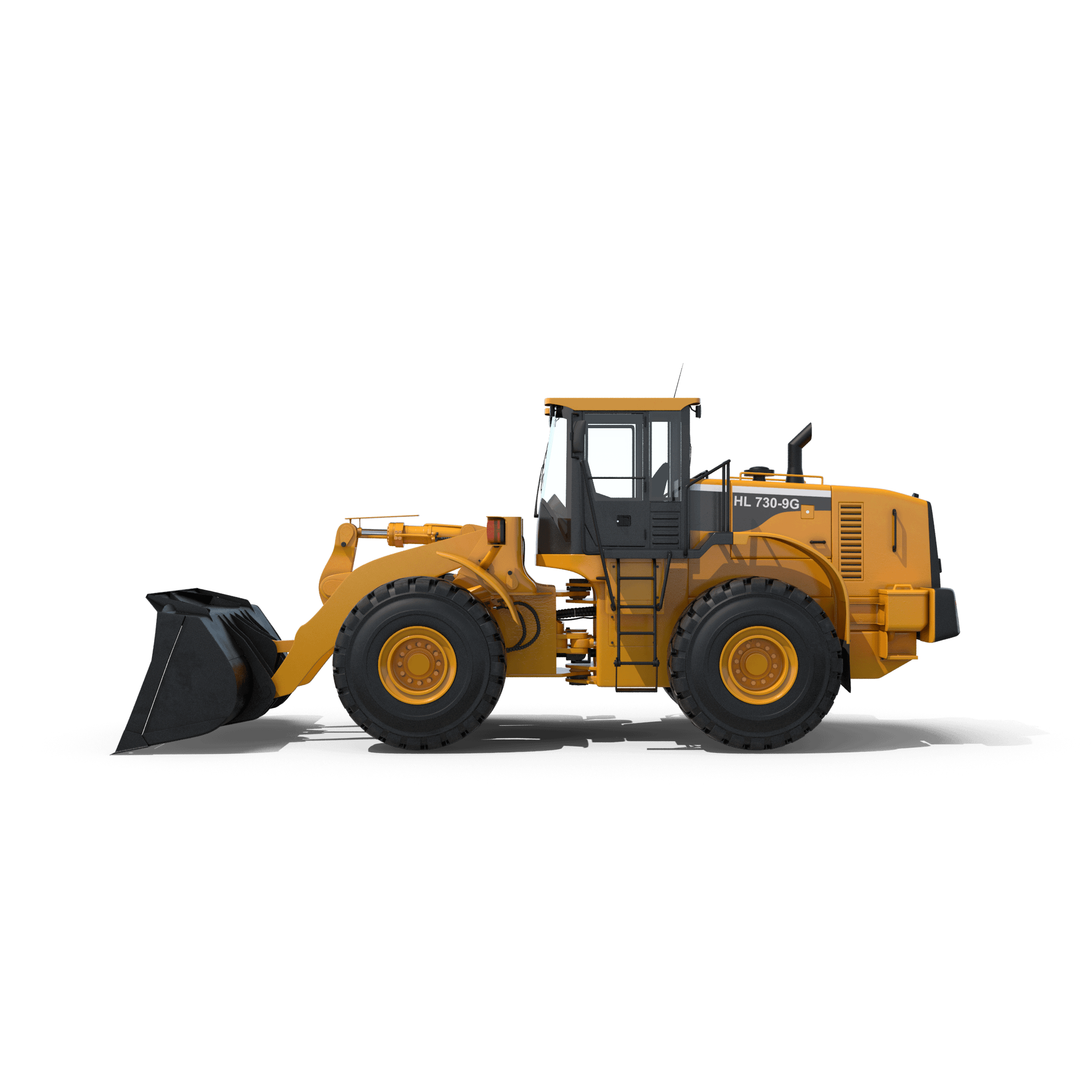
 Reference image
The Bell L1806C Plus II is a robust wheel loader designed for heavy-duty material handling with a 4-cubic-yard (3 m³) heaped bucket capacity and a breakout force of 37,993 lbs (17,233 kg). It features a strong e 6081HF engine delivering 181.1 hp (135 kW) net power, supported by the ZF 4WG210 transmission for efficient power transfer. The machine’s operating weight is approximately 36,600 lbs (16,600 kg), with a static tipping weight of 28,790 lbs (13,059 kg). Its dimensions include a ground clearance of 1.7 ft (0.5 m), a wheelbase of 10.5 ft (3 m), and overall length with the bucket on the ground of 25.6 ft (8 m). The loader’s height to the top of the cab stands at 11.5 ft (3.5 m), and it offers a dump clearance at maximum raise of 10.1 ft (3 m), with a reach of 3.1 ft (1 m) at max lift and dump position. Equipped with 23.5x25 tires, the L1806C Plus II is built for stability and maneuverability on varied terrains. Its fuel capacity of 63.5 gallons (240 liters) ensures extended operation between refueling. This model combines high breakout force and bucket volume with reliable dimensions suitable for construction, mining, and aggregate industries requiring substantial load handling with durability and efficiency.
Specifications, market trends, and valuation estimates are compiled from manufacturer documentation, historical sales, and industry sources. While care is taken to ensure accuracy, this information is provided for reference purposes only and may contain errors or omissions. Users should independently verify all data before making buying or selling decisions. Valuations do not represent guaranteed transaction prices or binding offers, and Aucto assumes no liability for decisions made using this data.
Spot an error or missing detail? Help us keep our equipment guides accurate for the community.

 A+
A+ Auction Value
$16,820
 Range$2,500 – $24,530
 Sells in ~ 30 days
 Retail Value
—
Sells in ~ 180 days
Item functions as originally intended, shows signs of normal wear. Change the condition to see how it moves both values.
Market Intelligence
XCMG · LW820G
CATERPILLAR · 970F
MICHIGAN · L150
ZETTELMEYER · ZL5001F
LIEBHERR · L580 2PLUS2 · 2008-2015
LIEBHERR · L566 2PLUS2 · 2015-2023
CASE · 1121F XR
TEREX · TL450