2016-2023 BELL L2306C PLUS II WHEEL LOADER
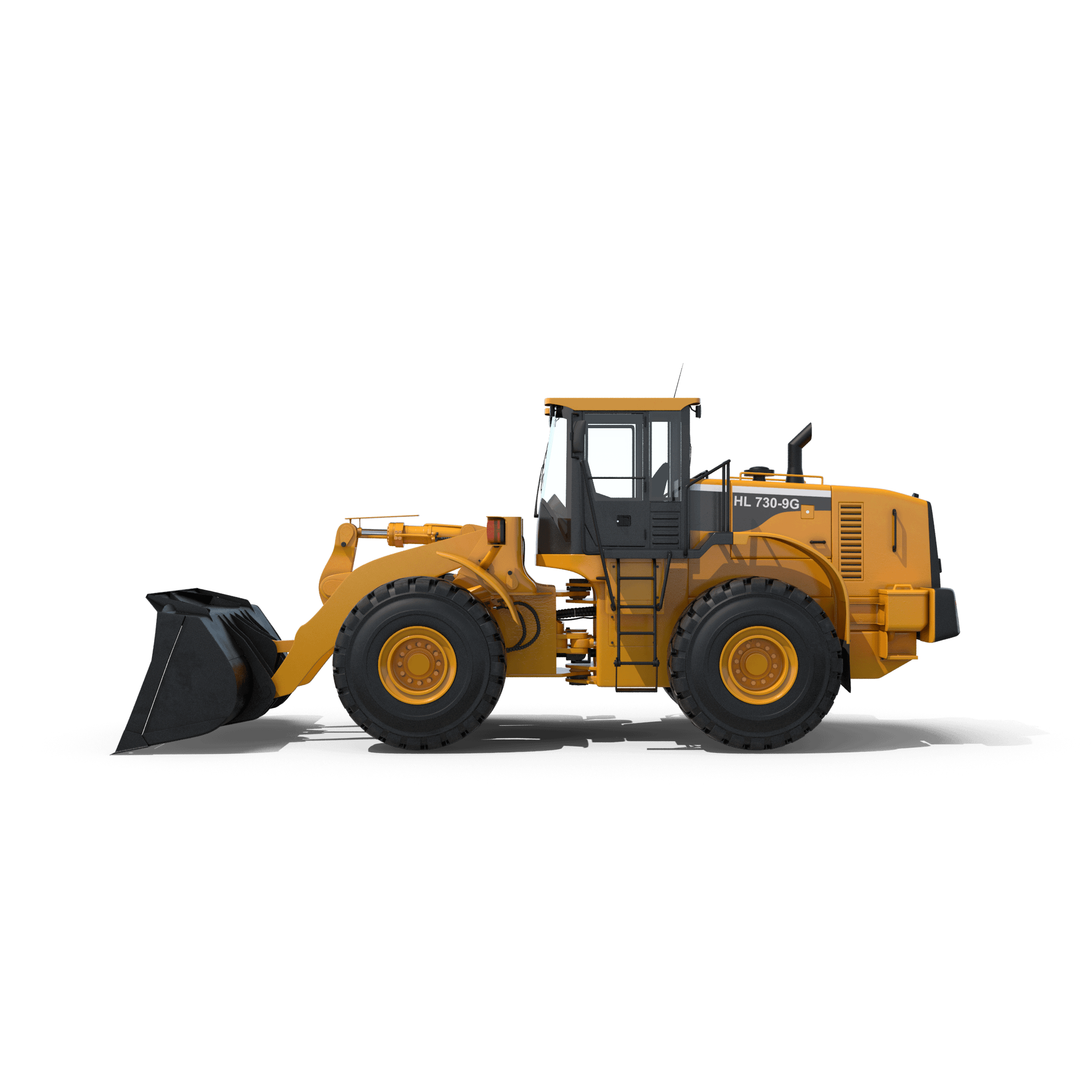
Equipment Overview
Share Link- OEM
- BELL
- Model
- L2306C PLUS II
- Year of Manufacture
- 2016-2023
- Category
- WHEEL LOADERS
Market Value Calculator
A+Technical Description
The Bell L2306C Plus II is a high-performance wheel loader engineered for demanding construction and material handling applications. With a net engine power of 260.2 hp (194 kW) and a robust John Deere engine, this loader delivers reliable performance in heavy-duty environments. The machine features a ZF 4WG260 transmission, ensuring smooth gear shifts and efficient power delivery. The operating weight is 49,317.5 lbs (22,370 kg), and it has a static tipping weight of 36,896.6 lbs (16,736 kg), providing excellent stability during operation. The fuel capacity is 81.9 gallons (307 liters), supporting extended work cycles without frequent refueling. The loader is equipped with 26.5R25 tires, offering strong traction and durability on various terrains. The bucket has a heaped capacity of 5 cubic yards (4 cubic meters) and a breakout force of 52,155.7 lbs (23,657 kg), enabling efficient loading and handling of dense materials. At maximum lift and dump, the bucket reaches a dump clearance of 10.8 feet (3 meters) and a reach of 3.6 feet (1 meter). The overall length with the bucket on the ground is 28.2 feet (9 meters), the height to the top of the cab is 11.8 feet (3 meters), and the wheelbase measures 11.4 feet (3 meters). Ground clearance is 1.9 feet (0.6 meters), allowing for operation on uneven surfaces. This loader combines power, capacity, and maneuverability for optimal productivity in a wide range of industrial and construction settings.
Technical Attributes
- Static Tipping Weight
- 36,896.60
- Engine Power
- 260 HP
- Rated Operating Capacity
- 18,448.30
- Max Dump Height
- 10.80 ft
- Max Breakout Force
- 52156 lb-ft
- Max Bucket Capacity
- 5.00 yd³
- Tire Size
- 26.5R25
Data Accuracy and Verification
Specifications and technical details are compiled from manufacturer documentation, historical records, and third-party industry sources. While care is taken to ensure accuracy, this information is provided for reference purposes only and may contain errors or omissions. Users should independently verify all details before relying on them.
If you identify any inaccuracies, please help us improve our data by reporting them here.