Buy Now
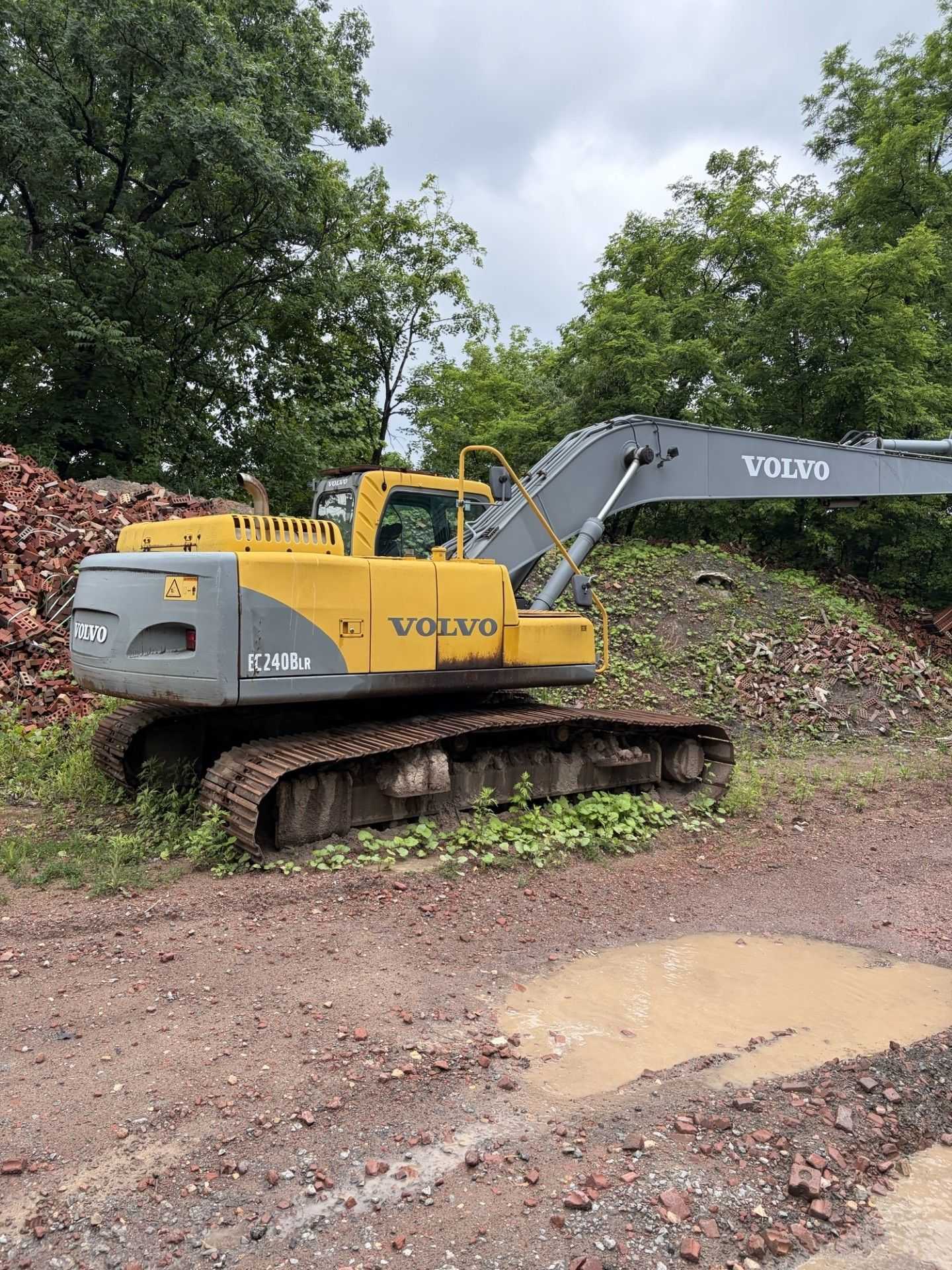
2004 Volvo EC240BLR Long Reach Crawler Excavator, 180HP, 60 ft Reach, Bucket Included
$62,894
$1,042/moPennsylvania
Specifications & Market Value
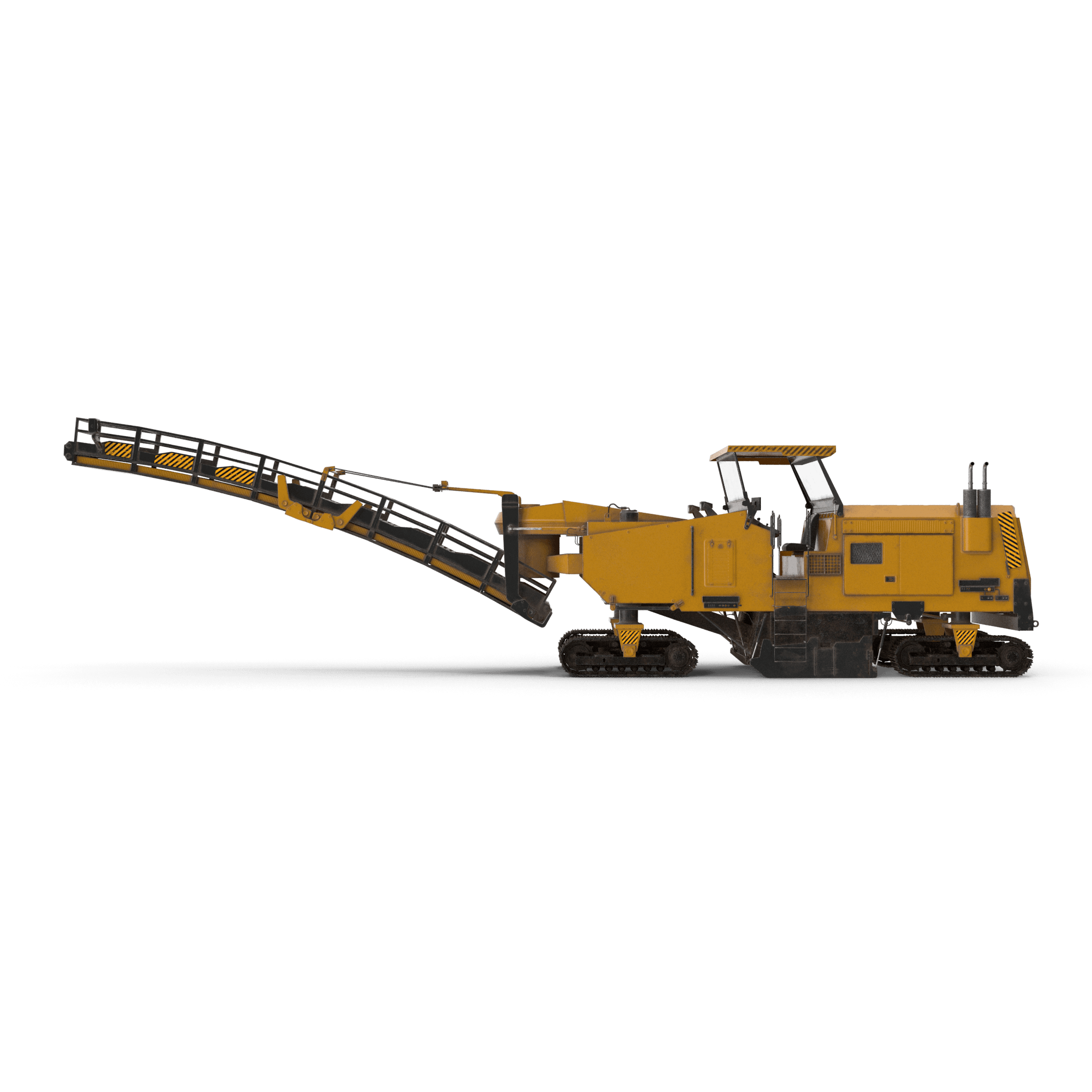
 Reference image
The BOMAG BW 124 PDH-3 is a single drum vibratory smooth drum roller designed for medium-duty soil compaction tasks such as road construction, trenches, and backfill operations. It features a 47.3-inch wide smooth steel drum with a diameter of 35.1 inches, providing an effective compaction width of approximately 51.6 inches. The drum is equipped with 70 pads, each 2.2 inches high, delivering a dual-frequency vibration system operating at 41 vibrations per minute and 2460 vibrations per minute for both high and low amplitude of 0.1 inches nominal amplitude. The centrifugal force reaches up to 19,108.8 lbs on high, ensuring deep soil compaction. Powering the roller is a Deutz F3L2011 diesel engine with 3 cylinders, producing 49.7 gross horsepower (47 hp net) at 2800 rpm. The unit operates on a 12-volt electrical system and has a fuel capacity of 15.9 gallons, enabling extended operation on site. The BW 124 PDH-3 has an operating weight of approximately 7,385 lbs, contributing to its effective compaction force, while maintaining good maneuverability. Dimensionally, it has a ground clearance of 12.6 inches, an overall length of 12.8 feet with blade (11 feet without), a width of 4.7 feet, and a maximum speed of 5.6 mph. It rides on 9.5-24 tires, with a narrow 6-inch wheelbase and a width over tires of 4 feet, allowing for efficient stability and control. The combination of hydrostatic travel and vibration drives and articulated steering enables precise compaction on various soil types with reliable braking and safety features including ROPS/FOPS with seatbelt and emergency stop.
Specifications, market trends, and valuation estimates are compiled from manufacturer documentation, historical sales, and industry sources. While care is taken to ensure accuracy, this information is provided for reference purposes only and may contain errors or omissions. Users should independently verify all data before making buying or selling decisions. Valuations do not represent guaranteed transaction prices or binding offers, and Aucto assumes no liability for decisions made using this data.
Spot an error or missing detail? Help us keep our equipment guides accurate for the community.

 A+
A+ Auction Value
$25,262
 Range$10,000 – $33,480
 Sells in ~ 30 days
 Retail Value
—
Sells in ~ 180 days
Item functions as originally intended, shows signs of normal wear. Change the condition to see how it moves both values.
| Attribute | SelectedBOMAG BW 124 PDH-3 STATIC SMOOTH DRUM ROLLER | BOMAG BW 124 PDH-40 STATIC SMOOTH DRUM ROLLER | |
|---|---|---|---|
| OEM | BOMAG | BOMAG | |
| Model | BW 124 PDH-3 | BW 124 PDH-40 | |
| Year | - | - | |
| Centrifugal Force | 19109 lb-ft | — | |
| Drum Width | 47 '' | — | |
| Similarity | — | 99% | |
| Auction Value$10,000 - $33,480Retail Value— | Auction Value$10,000 - $47,500Retail Value— | |
| Current Machine | View Details |
Marketplace