Buy Now
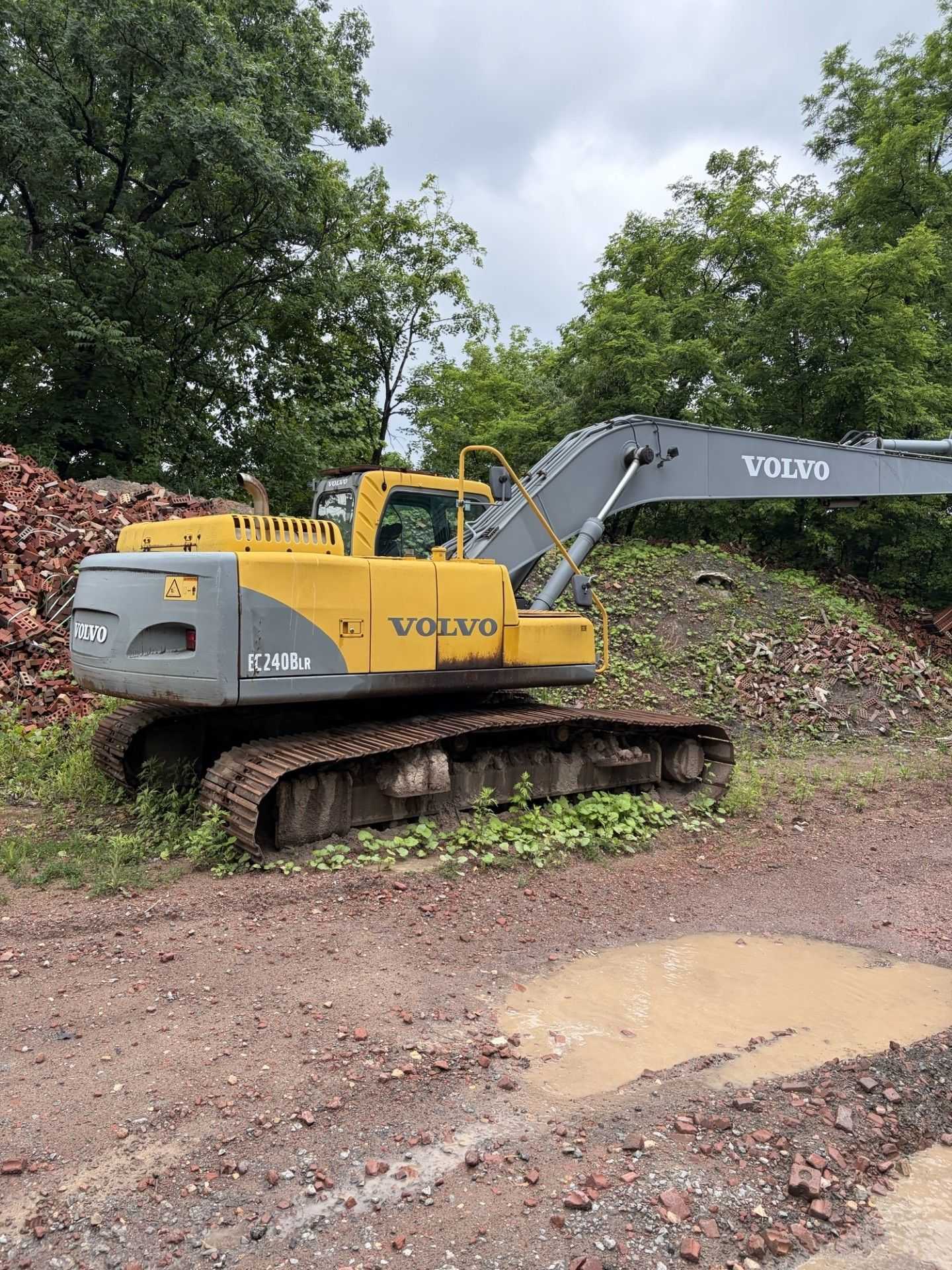
2004 Volvo EC240BLR Long Reach Crawler Excavator, 180HP, 60 ft Reach, Bucket Included
$62,894
$1,042/moPennsylvania
Specifications & Market Value
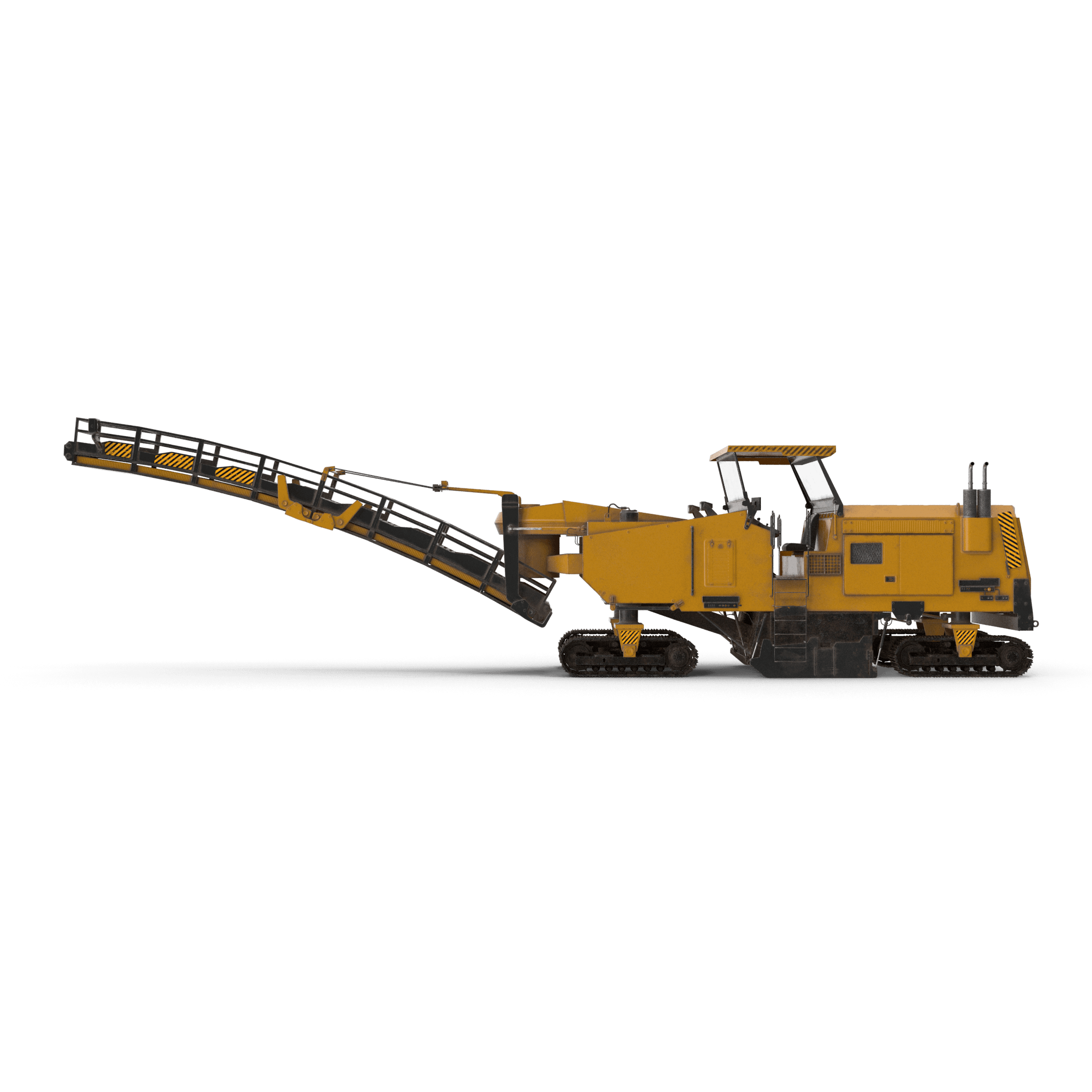
 Reference image
The BOMAG BW 161 AD-2 is a static smooth drum roller designed for high-quality asphalt compaction on roads, parking lots, access roads, and similar applications. This articulated tandem roller features a robust Deutz engine, delivering reliable performance and durability in demanding conditions. The machine has an overall width of 5.5 ft (66 in) and an operating width of 73.5 in, with a smooth front drum and a smooth rear drum, each 66.1 in wide, providing excellent surface finish and uniform compaction. It operates with a vibration frequency range of 2,700 to 3,000 vibrations per minute (vpm), allowing operators to match compaction intensity to the material and layer thickness for optimal density and smoothness. The articulated steering design ensures excellent maneuverability and tight turning radius, while the oscillating joint enhances drum conformity to uneven surfaces, improving compaction effectiveness. The BW 161 AD-2 is built for operator comfort and productivity, with good visibility, ergonomic controls, and easy access to service points. Its static compaction mode (non-vibrating) is ideal for finishing passes and sensitive areas where vibration must be avoided. The roller is well-suited for medium to large asphalt projects, offering consistent performance, durability, and ease of operation in a compact, articulated tandem configuration.
Specifications, market trends, and valuation estimates are compiled from manufacturer documentation, historical sales, and industry sources. While care is taken to ensure accuracy, this information is provided for reference purposes only and may contain errors or omissions. Users should independently verify all data before making buying or selling decisions. Valuations do not represent guaranteed transaction prices or binding offers, and Aucto assumes no liability for decisions made using this data.
Spot an error or missing detail? Help us keep our equipment guides accurate for the community.

 A+
A+ Auction Value
$7,957
 Range$2,500 – $10,895
 Sells in ~ 30 days
 Retail Value
—
Sells in ~ 180 days
Item functions as originally intended, shows signs of normal wear. Change the condition to see how it moves both values.
| Attribute | SelectedBOMAG BW 161 AD-2 STATIC SMOOTH DRUM ROLLER | BOMAG BW 141 AD-2 STATIC SMOOTH DRUM ROLLER | |
|---|---|---|---|
| OEM | BOMAG | BOMAG | |
| Model | BW 161 AD-2 | BW 141 AD-2 | |
| Year | - | - | |
| Drum Width | 66 '' | 59 '' | |
| Similarity | — | 99% | |
| Auction Value$2,500 - $10,895Retail Value— | Auction Value$5,000 - $17,500Retail Value— | |
| Current Machine | View Details |
Marketplace