Buy Now
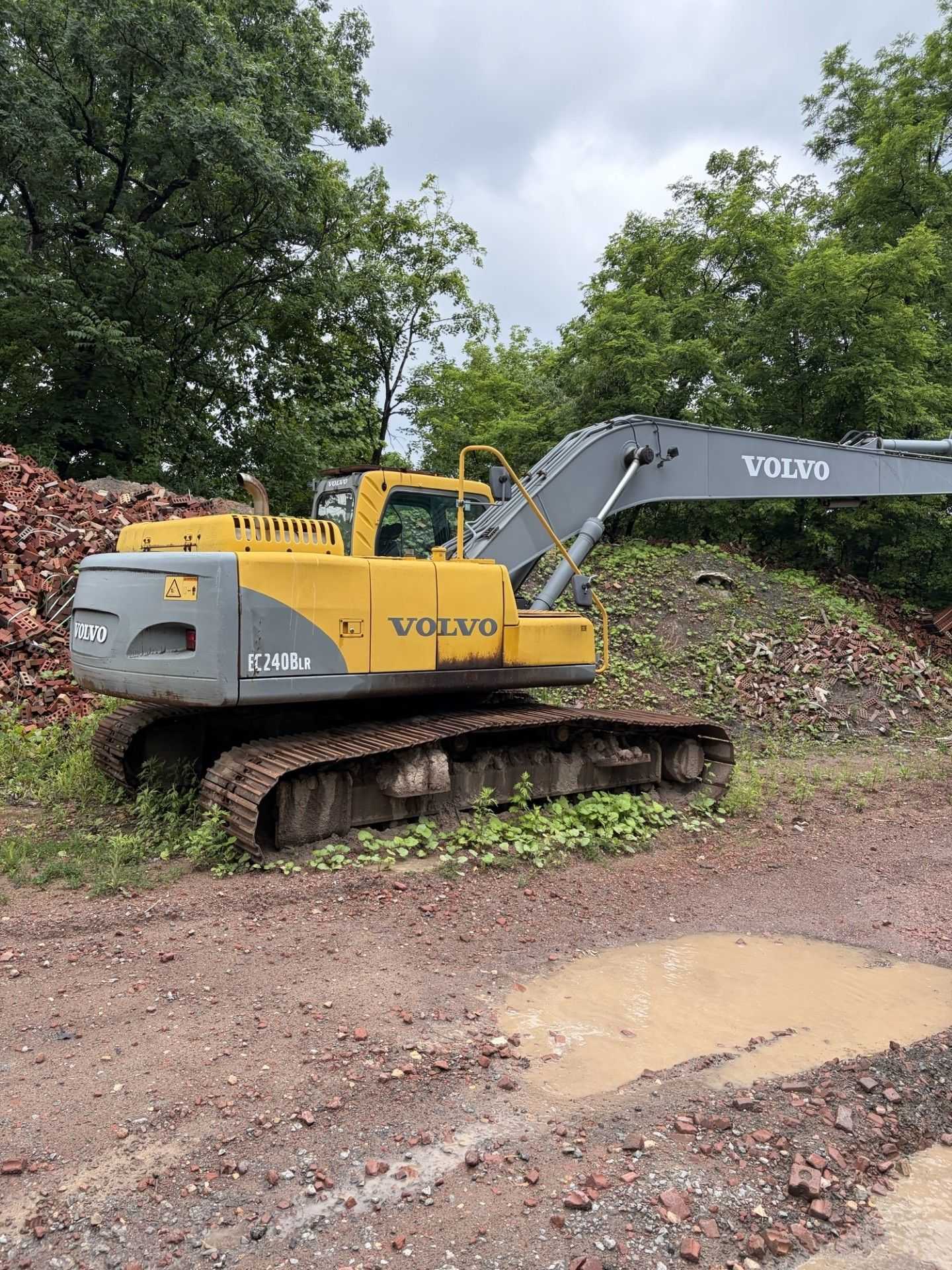
2004 Volvo EC240BLR Long Reach Crawler Excavator, 180HP, 60 ft Reach, Bucket Included
$62,894
$1,042/moPennsylvania
Specifications & Market Value
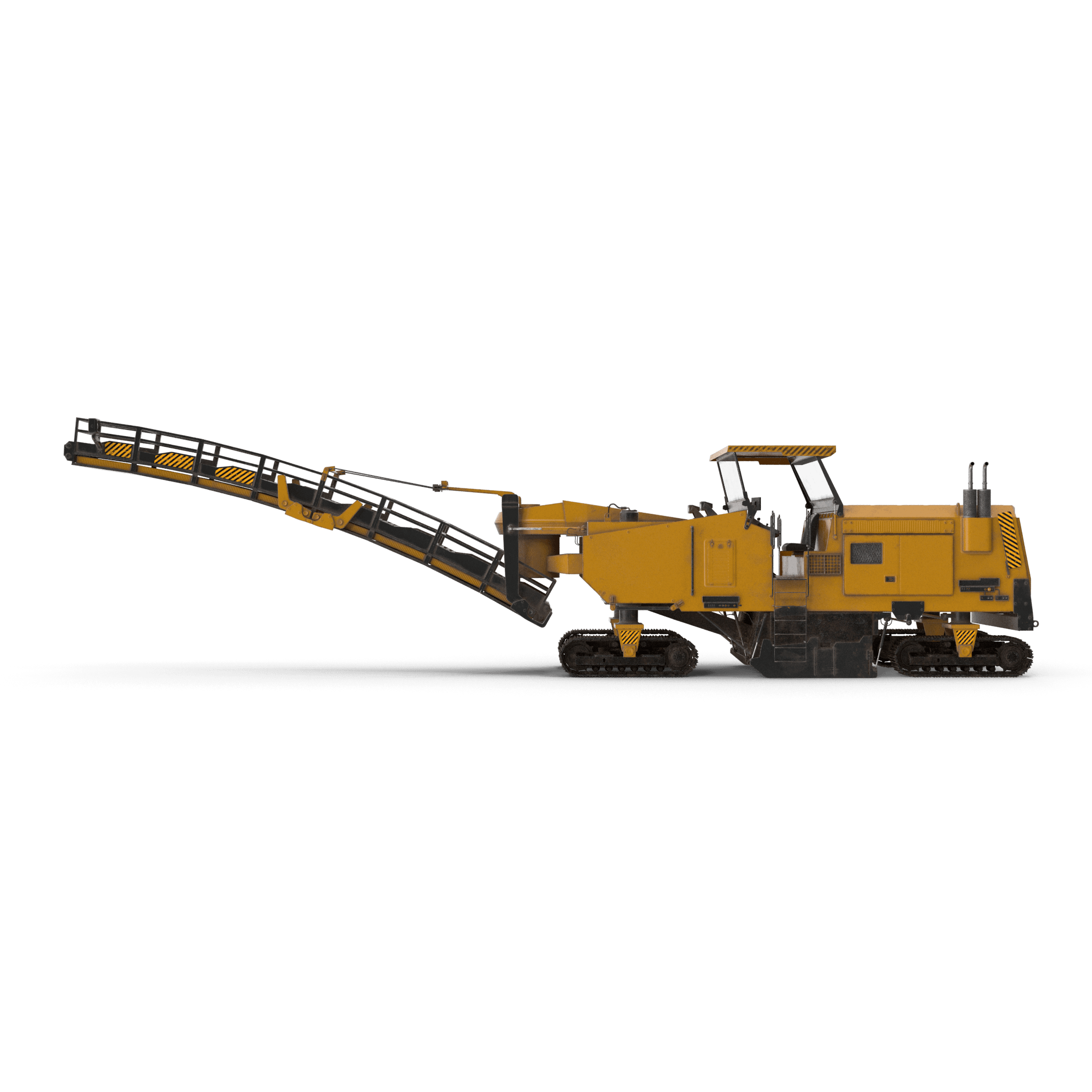
 Reference image
The BOMAG BW 213 D-3 is a powerful smooth drum roller designed for efficient soil compaction in road construction and earthworks. It features a Cummins engine providing reliable performance, coupled with a hydrostatic drive system for smooth operation and precise control. The roller has an overall width of 7 feet and a drum width of 83.9 inches, delivering an effective operating width of 88.6 inches. Its drum diameter measures approximately 59.1 inches, optimized for consistent compaction results. The machine's vibration frequency ranges between 1,800 and 2,160 vibrations per minute (vpm), generating a centrifugal force around 61,823 pounds for deep, thorough soil compaction. The static linear load is rated at about 465 pounds per inch, ensuring efficient pressure distribution across the compacted surface. Weighing approximately 27,400 pounds, this roller balances weight and maneuverability to handle a variety of subgrade conditions. Equipped with robust braking systems, including rear parking and multi-disc drum brakes, the BW 213 D-3 provides stability on slopes, supporting gradeability up to 53%. Its articulated hydrostatic steering and oscillation enable precise maneuvering and adaptability to uneven terrain. The operator’s cabin prioritizes comfort and visibility, with an ergonomic layout for ease of use. Additional features include sealed-for-life bearings requiring minimal maintenance, easy access to service points, and options for compaction monitoring systems like TERRAMETER and BOMAP, which deliver real-time compaction data and optimize operational efficiency. The BW 213 D-3 combines high compaction power, fuel efficiency with BOMAG’s ECOMODE, and advanced control systems for effective and economical soil compaction.
Specifications, market trends, and valuation estimates are compiled from manufacturer documentation, historical sales, and industry sources. While care is taken to ensure accuracy, this information is provided for reference purposes only and may contain errors or omissions. Users should independently verify all data before making buying or selling decisions. Valuations do not represent guaranteed transaction prices or binding offers, and Aucto assumes no liability for decisions made using this data.
Spot an error or missing detail? Help us keep our equipment guides accurate for the community.

 A+
A+ Auction Value
$20,925
 Range$5,000 – $29,500
 Sells in ~ 30 days
 Retail Value
—
Sells in ~ 180 days
Item functions as originally intended, shows signs of normal wear. Change the condition to see how it moves both values.
| Attribute | SelectedBOMAG BW 213 D-3 STATIC SMOOTH DRUM ROLLER | BOMAG BW 213 D-40 STATIC SMOOTH DRUM ROLLER | |
|---|---|---|---|
| OEM | BOMAG | BOMAG | |
| Model | BW 213 D-3 | BW 213 D-40 | |
| Year | - | - | |
| Drum Width | 84 '' | 84 '' | |
| Similarity | — | 99% | |
| Auction Value$5,000 - $29,500Retail Value— | Auction Value$10,000 - $40,000Retail Value— | |
| Current Machine | View Details |
Marketplace