Buy Now
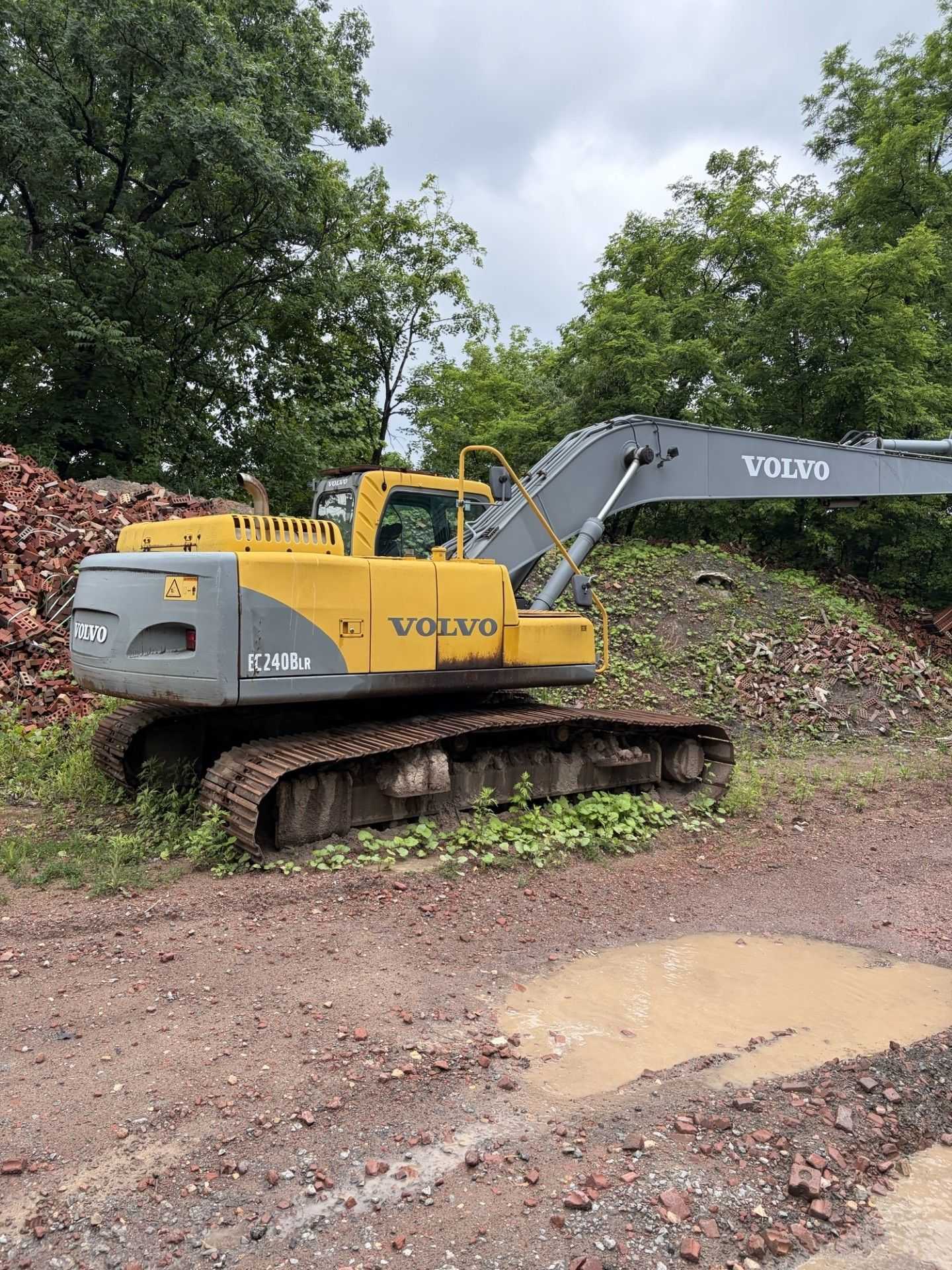
2004 Volvo EC240BLR Long Reach Crawler Excavator, 180HP, 60 ft Reach, Bucket Included
$62,894
$1,042/moPennsylvania
Specifications & Market Value
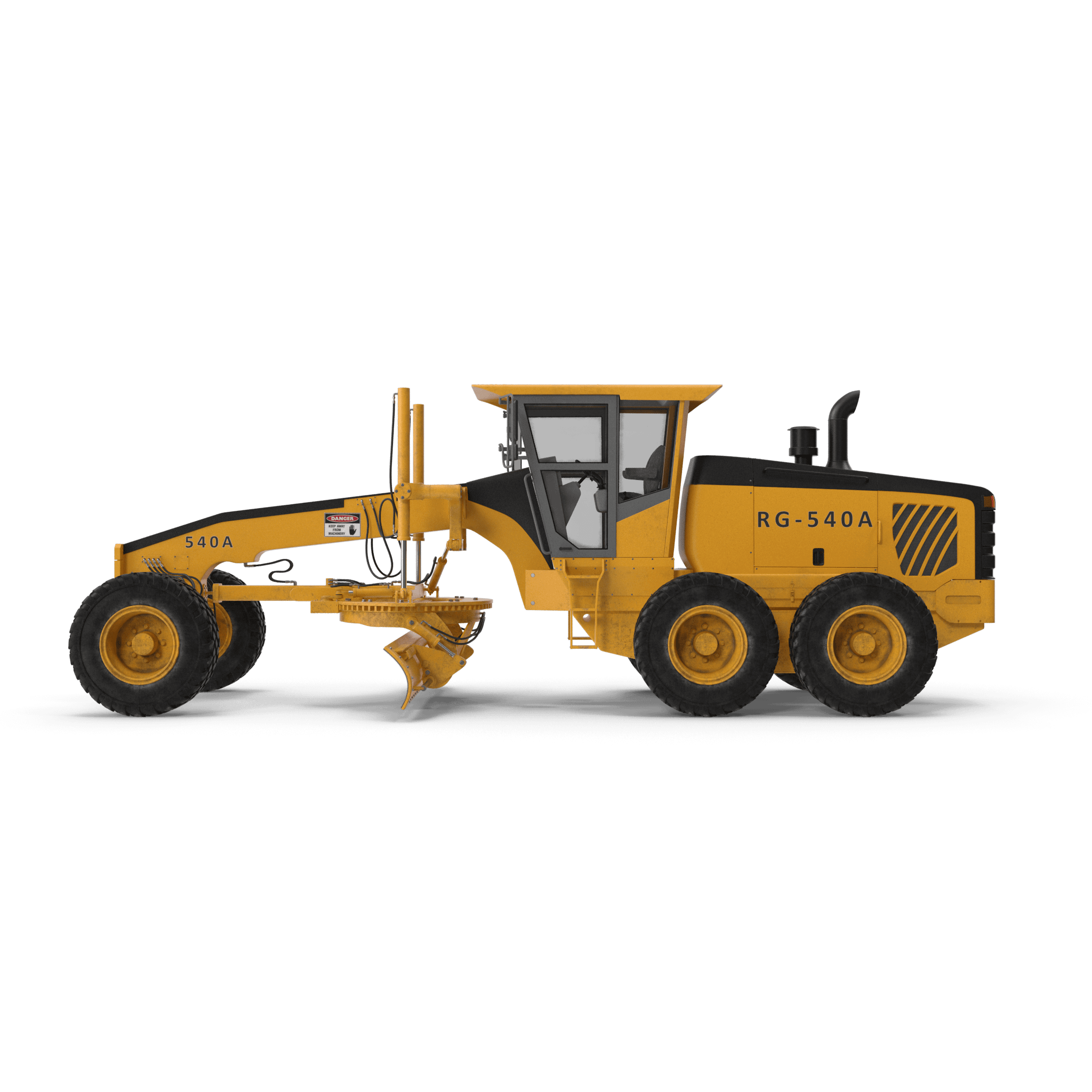
 Reference image
The Case 865 DHP Motor Grader is a powerful construction machine designed for precision grading and earth-moving tasks. It features a 69-inch diameter circle with full 360-degree rotation and a maximum lift of 17.5 inches above the ground. The 13-foot-wide moldboard has a thickness of 0.9 inches and a height of 23.7 inches, capable of exerting a blade down pressure of 16,768 lbs and achieving a maximum cutting depth of 28 inches. It offers side shifting of 21 inches to the left and 27.1 inches to the right for enhanced maneuverability. The engine is a turbocharged, air-to-air cooled six-cylinder QSB-5.9 delivering 200 horsepower at 2200 rpm and 601 lb-ft of torque at 1500 rpm, ensuring robust performance. The grader operates on a power shift transmission with eight forward and four reverse gears, providing a maximum forward speed of 26.6 mph and reverse up to 17.7 mph. Hydraulic systems include a 49 gallons per minute load-sensing piston pump supplying fluid to various controls. The front axle allows a ground clearance of 2.1 feet with 19 degrees total oscillation, while the steering system supports 25 degrees articulation and a turning radius of 23.8 feet. The machine’s overall length is 28 feet, with an operating weight of approximately 32,077 lbs. Fuel capacity stands at 90.1 gallons, supported by a 24-volt electrical system and an 80-amp alternator, making it suitable for demanding grading operations and long work cycles.
Specifications, market trends, and valuation estimates are compiled from manufacturer documentation, historical sales, and industry sources. While care is taken to ensure accuracy, this information is provided for reference purposes only and may contain errors or omissions. Users should independently verify all data before making buying or selling decisions. Valuations do not represent guaranteed transaction prices or binding offers, and Aucto assumes no liability for decisions made using this data.
Spot an error or missing detail? Help us keep our equipment guides accurate for the community.

 A+
A+ Auction Value
$24,500
 Range$5,000 – $35,000
 Sells in ~ 30 days
 Retail Value
—
Sells in ~ 180 days
Item functions as originally intended, shows signs of normal wear. Change the condition to see how it moves both values.
Marketplace

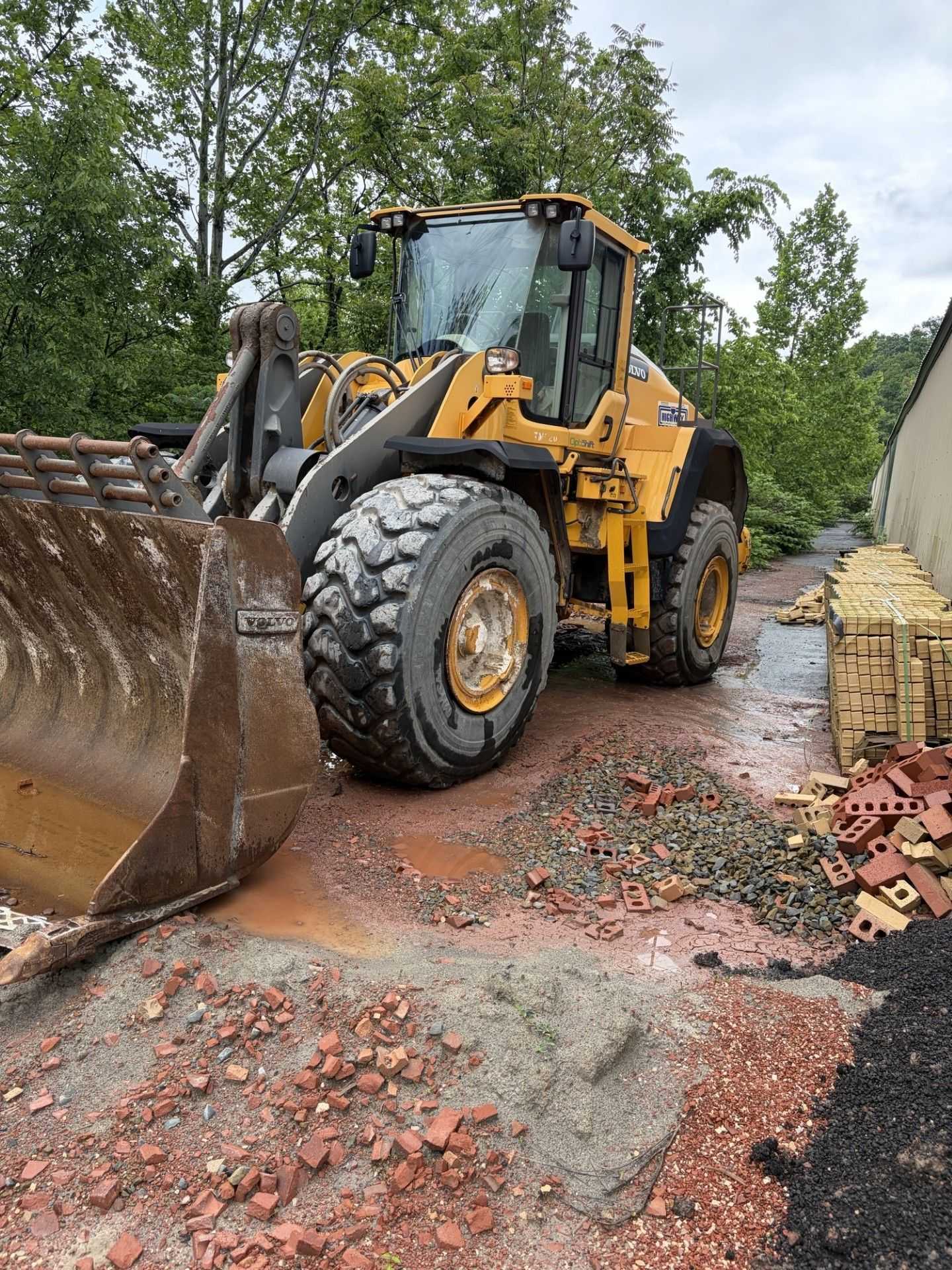
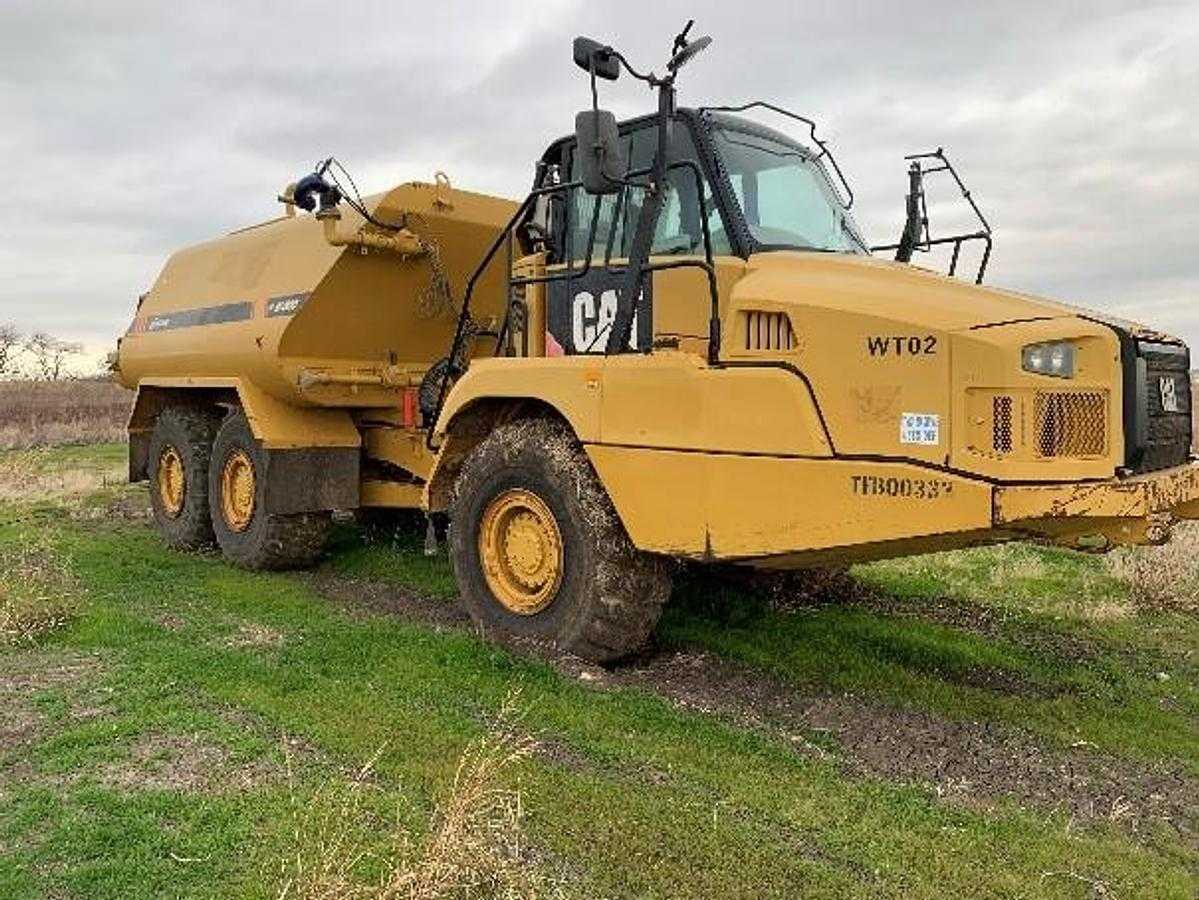
| Attribute | SelectedCASE 865 DHP MOTOR GRADERS | CASE 845 DHP MOTOR GRADERS | |
|---|---|---|---|
| OEM | CASE | CASE | |
| Model | 865 DHP | 845 DHP | |
| Year | - | - | |
| Max Speed | 26.6 mph | 26.6 mph | |
| Engine Model | QSB-5.9 | QSB 6.7 | |
| Engine Power | 200 HP | 160 HP | |
| Operating Weight | 32,077.00 | 29,777.00 | |
| Similarity | — | 99% | |
| Auction Value$5,000 - $35,000Retail Value— | Auction Value$20,000 - $102,500Retail Value— | |
| Current Machine | View Details |