Buy Now
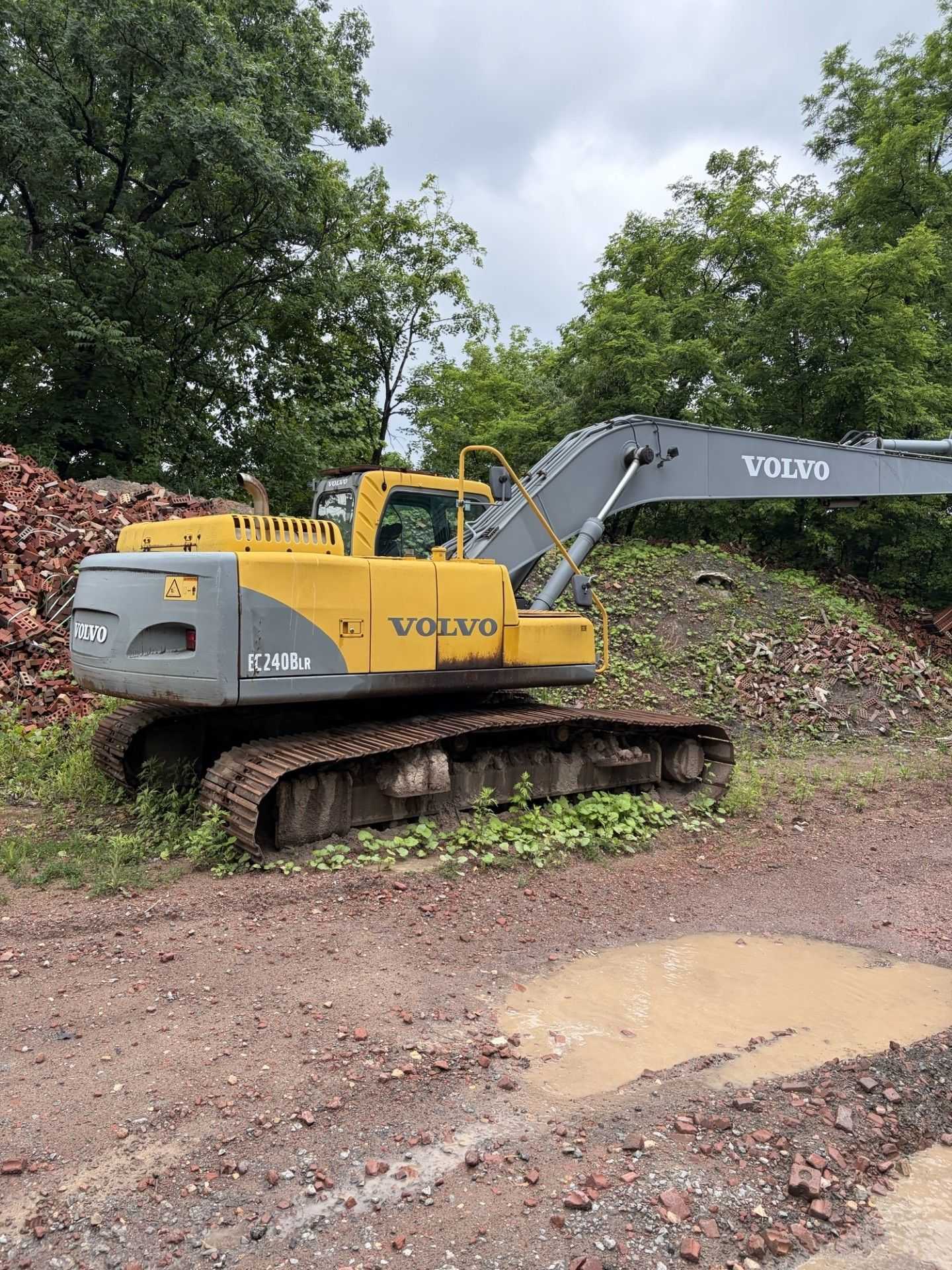
2004 Volvo EC240BLR Long Reach Crawler Excavator, 180HP, 60 ft Reach, Bucket Included
$62,894
$1,042/moPennsylvania
Specifications & Market Value
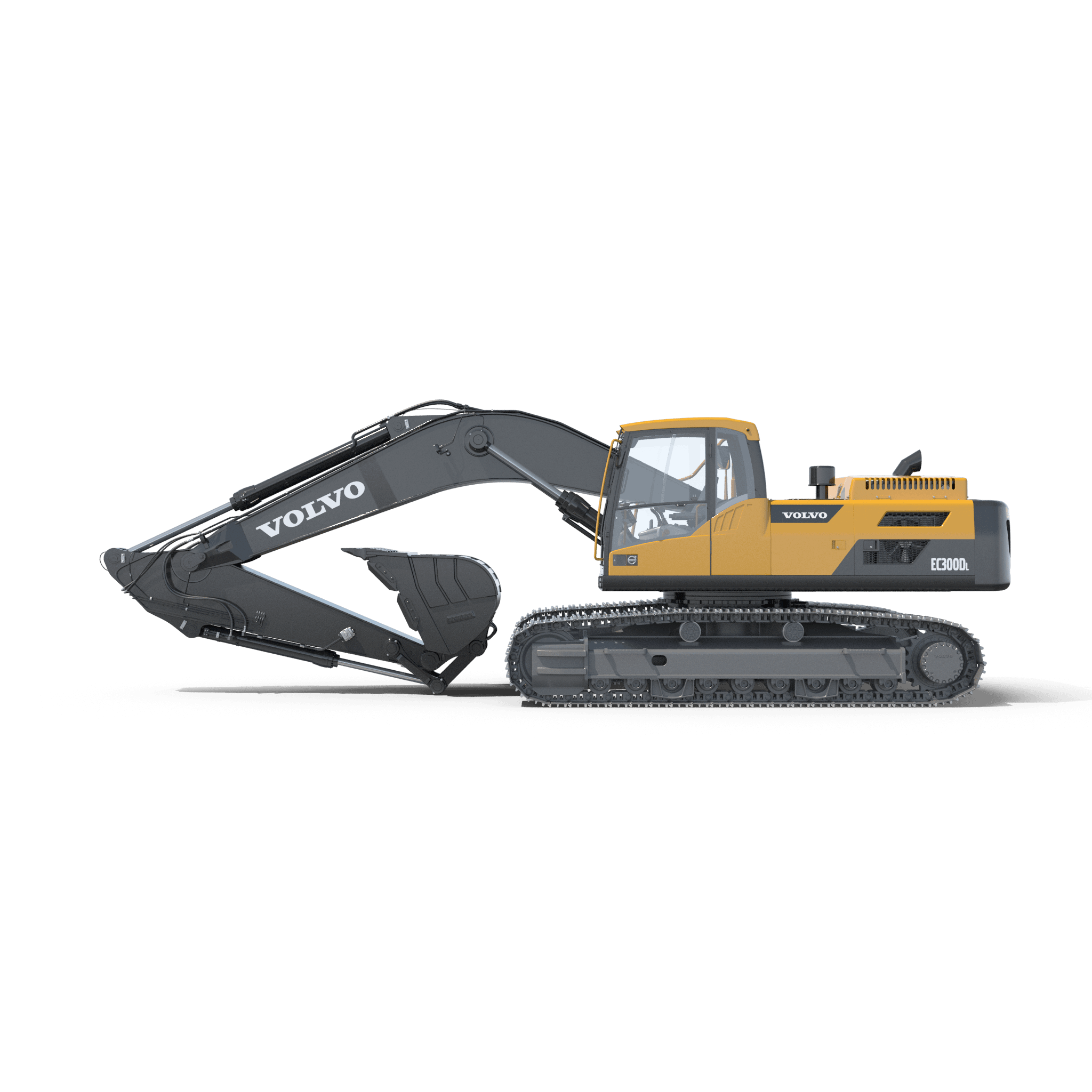
 Reference image
The Caterpillar 320C L is a versatile medium-duty hydraulic excavator powered by a reliable Cat 3066 T six-cylinder turbocharged diesel engine delivering 138 net horsepower and 103 kilowatts. This machine features an operating weight of approximately 46,300 pounds with a long undercarriage configuration, providing excellent stability across diverse job sites. The excavator offers four interchangeable boom and stick combinations, enabling operators to optimize working envelopes for specific applications. Configuration options range from compact setups achieving 35.6-foot maximum cutting heights to extended reach systems exceeding 40.7 feet, with digging depths varying from 13.7 to 19.6 feet depending on selected attachments. The 320C L accommodates bucket capacities between 0.7 and 1.8 cubic yards, providing flexibility for material handling tasks. Key operational capabilities include a maximum drawbar pull of 44,062.6 pounds, travel speed of 3.5 miles per hour, and swing speed of 11.5 RPM with 45,611 foot-pounds of torque. The undercarriage features standard 600-millimeter track shoes with a 7.9-foot gauge width, ensuring adequate ground contact and reduced ground pressure. The operator cabin is positioned 9.7 feet above ground, providing excellent visibility and comfort. Advanced hydraulic systems incorporate cross-sensing technology and regeneration circuits that enhance efficiency while reducing cycle times. Low vibration and sound design derived from the 3066 T engine minimize operator fatigue. Standard shipping dimensions of 33 feet length, 9.9 feet height, and 9.8 feet width facilitate transportability.
Specifications, market trends, and valuation estimates are compiled from manufacturer documentation, historical sales, and industry sources. While care is taken to ensure accuracy, this information is provided for reference purposes only and may contain errors or omissions. Users should independently verify all data before making buying or selling decisions. Valuations do not represent guaranteed transaction prices or binding offers, and Aucto assumes no liability for decisions made using this data.
Spot an error or missing detail? Help us keep our equipment guides accurate for the community.

 A+
A+ Auction Value
$54,125
 Range$20,000 – $72,500
 Sells in ~ 30 days
 Retail Value
—
Sells in ~ 180 days
Item functions as originally intended, shows signs of normal wear. Change the condition to see how it moves both values.
| Attribute | SelectedCATERPILLAR 320C L CRAWLER EXCAVATOR | CATERPILLAR 320B L CRAWLER EXCAVATOR | |
|---|---|---|---|
| OEM | CATERPILLAR | CATERPILLAR | |
| Model | 320C L | 320B L | |
| Year | - | - | |
| Max Digging Depth | 15.1 ft | 20.2 ft | |
| Max Reach | 30.70 ft | 34.88 ft | |
| Similarity | — | 99% | |
| Auction Value$20,000 - $72,500Retail Value— | Auction Value$20,000 - $72,500Retail Value— | |
| Current Machine | View Details |
Marketplace