Buy Now
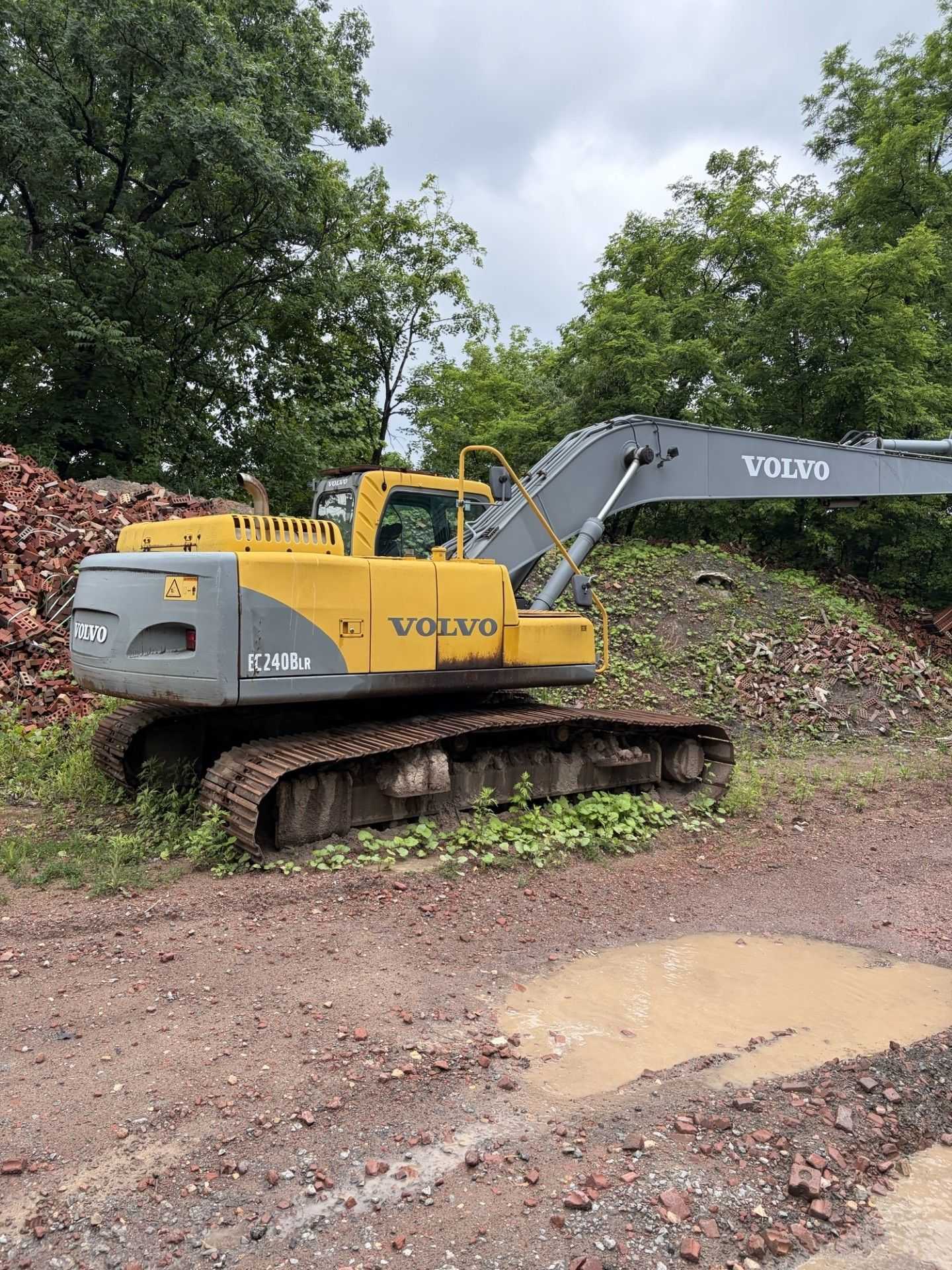
2004 Volvo EC240BLR Long Reach Crawler Excavator, 180HP, 60 ft Reach, Bucket Included
$62,894
$1,042/moPennsylvania
Specifications & Market Value
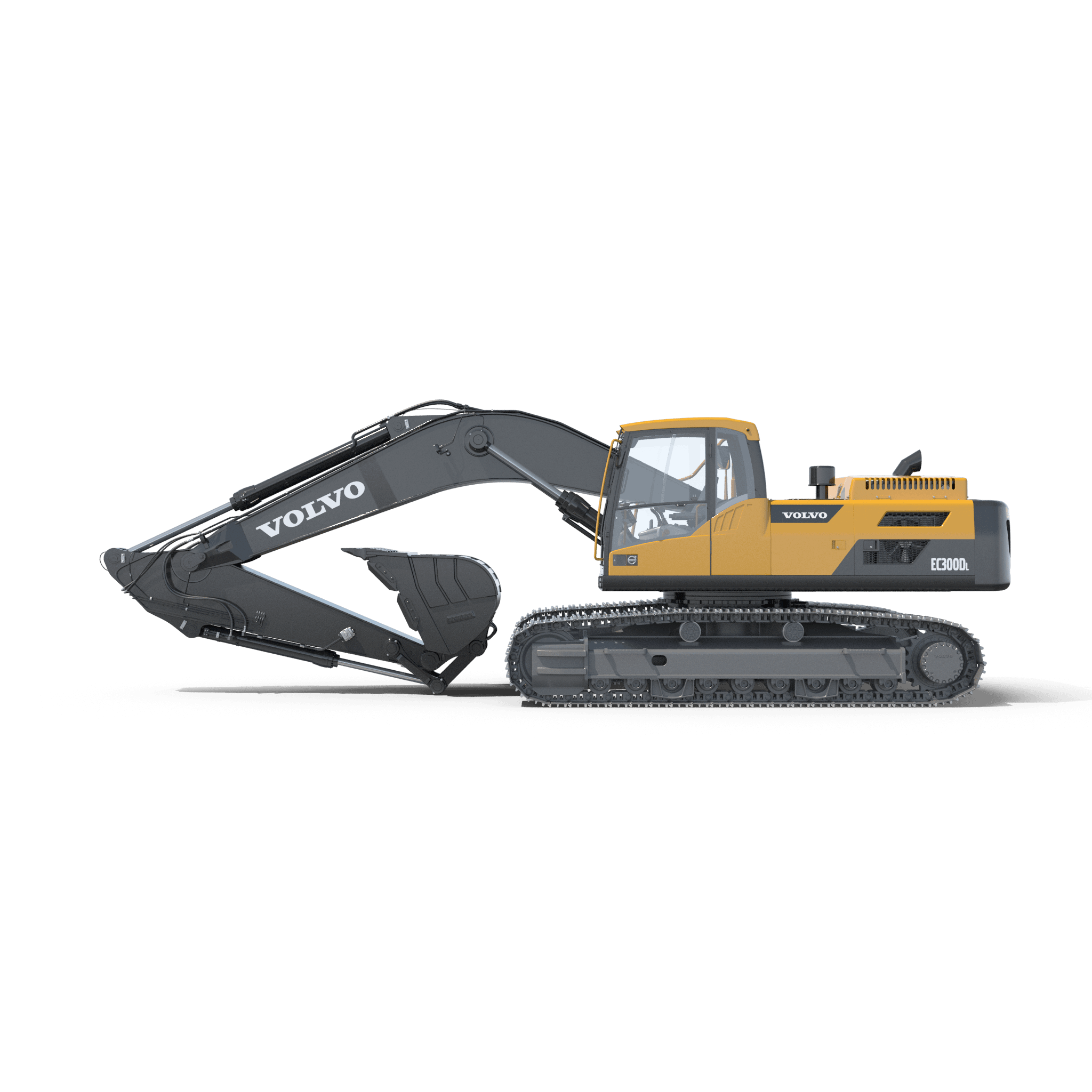
 Reference image
The Caterpillar 320C LU hydraulic excavator is a versatile machine engineered for efficiency and performance in tight spaces due to its reduced tail swing radius of 6.6 ft, compared to standard models, without compromising stability thanks to a counterweight approximately 70% heavier than the 320C L. It is powered by a robust Cat 3066T diesel engine with a displacement of 389 cubic inches, delivering a gross power of 143 horsepower (107 kW) and net power of 138 horsepower (103 kW). This engine meets US Tier 2 and EU Stage II emissions standards, ensuring compliance with environmental regulations while maintaining strong performance. The excavator offers a maximum digging depth and reach of 25 feet, with a ground clearance of 1.6 feet and a cab height of 9.7 feet, while the width across the outside of the tracks measures 32 feet, providing a solid footprint for stability. The hydraulic system is designed for high efficiency, featuring a main implement flow rate of 205 liters per minute and a pilot system flow of 41 liters per minute, supporting precise control of the boom and stick cylinders. The swing mechanism operates at 11.5 rpm with a swing torque of 61.8 kN·m, enabling smooth and controlled operation. The undercarriage delivers a drawbar pull of 44,040 lbs, with a maximum travel speed of 3.4 mph (5 kph), suitable for maneuvering on various job sites. Fuel capacity is 75 gallons, and hydraulic system fluid capacity is 37 gallons, allowing extended operational periods between refueling and servicing. The machine supports various attachments, including powerful demolition shears and vibratory plate compactors, making it well-suited for earthmoving, demolition, and material handling tasks.
Specifications, market trends, and valuation estimates are compiled from manufacturer documentation, historical sales, and industry sources. While care is taken to ensure accuracy, this information is provided for reference purposes only and may contain errors or omissions. Users should independently verify all data before making buying or selling decisions. Valuations do not represent guaranteed transaction prices or binding offers, and Aucto assumes no liability for decisions made using this data.
Spot an error or missing detail? Help us keep our equipment guides accurate for the community.

 A+
A+ Auction Value
$54,125
 Range$20,000 – $72,500
 Sells in ~ 30 days
 Retail Value
—
Sells in ~ 180 days
Item functions as originally intended, shows signs of normal wear. Change the condition to see how it moves both values.
| Attribute | SelectedCATERPILLAR 320C LU CRAWLER EXCAVATOR | CATERPILLAR 320C LN CRAWLER EXCAVATOR | |
|---|---|---|---|
| OEM | CATERPILLAR | CATERPILLAR | |
| Model | 320C LU | 320C LN | |
| Year | - | - | |
| Boom Length | 18.7 ft | — | |
| Similarity | — | 99% | |
| Auction Value$20,000 - $72,500Retail Value— | Auction Value$20,000 - $72,500Retail Value— | |
| Current Machine | View Details |
Marketplace