Buy Now
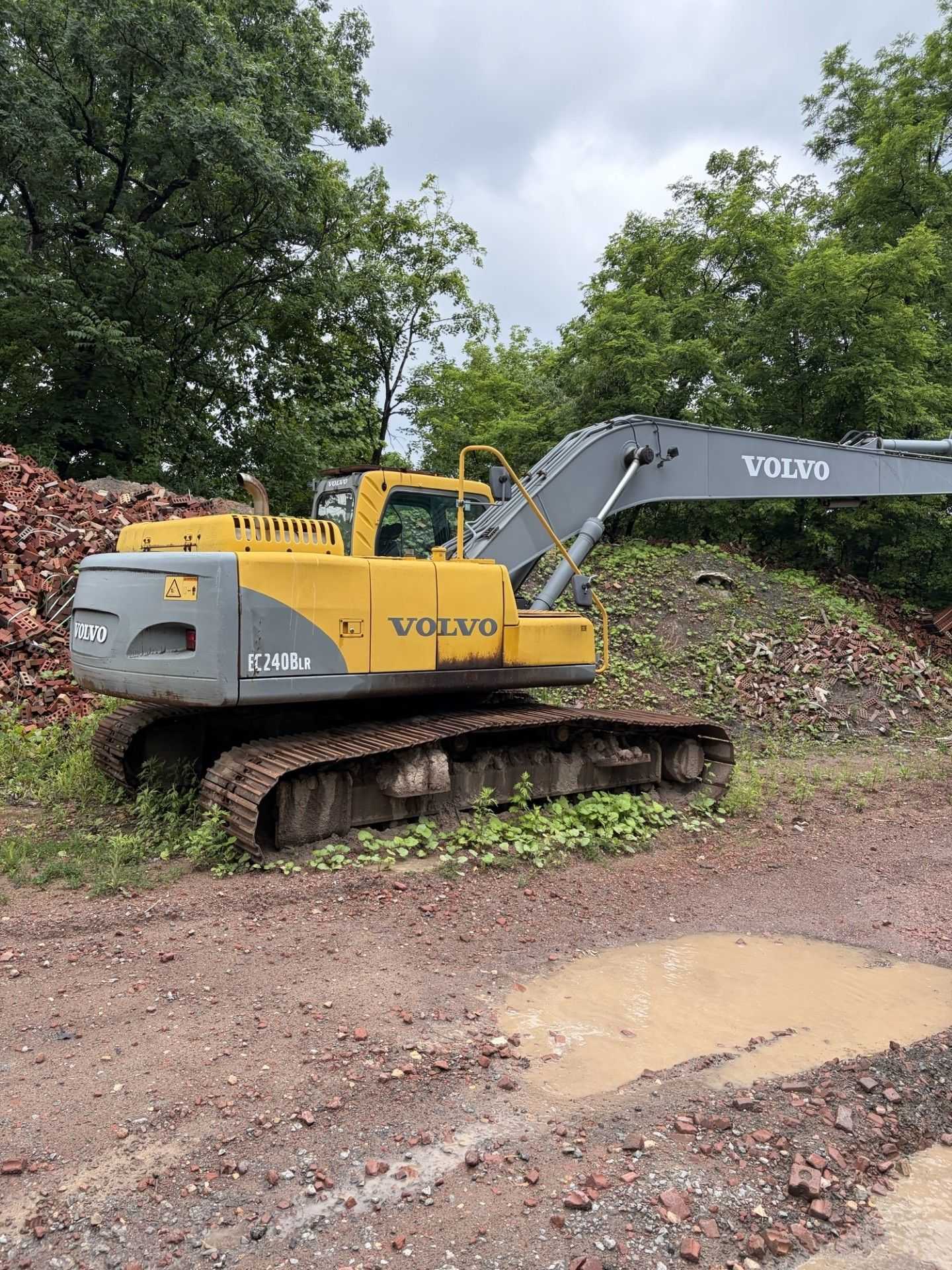
2004 Volvo EC240BLR Long Reach Crawler Excavator, 180HP, 60 ft Reach, Bucket Included
$62,894
$1,042/moPennsylvania
Specifications & Market Value
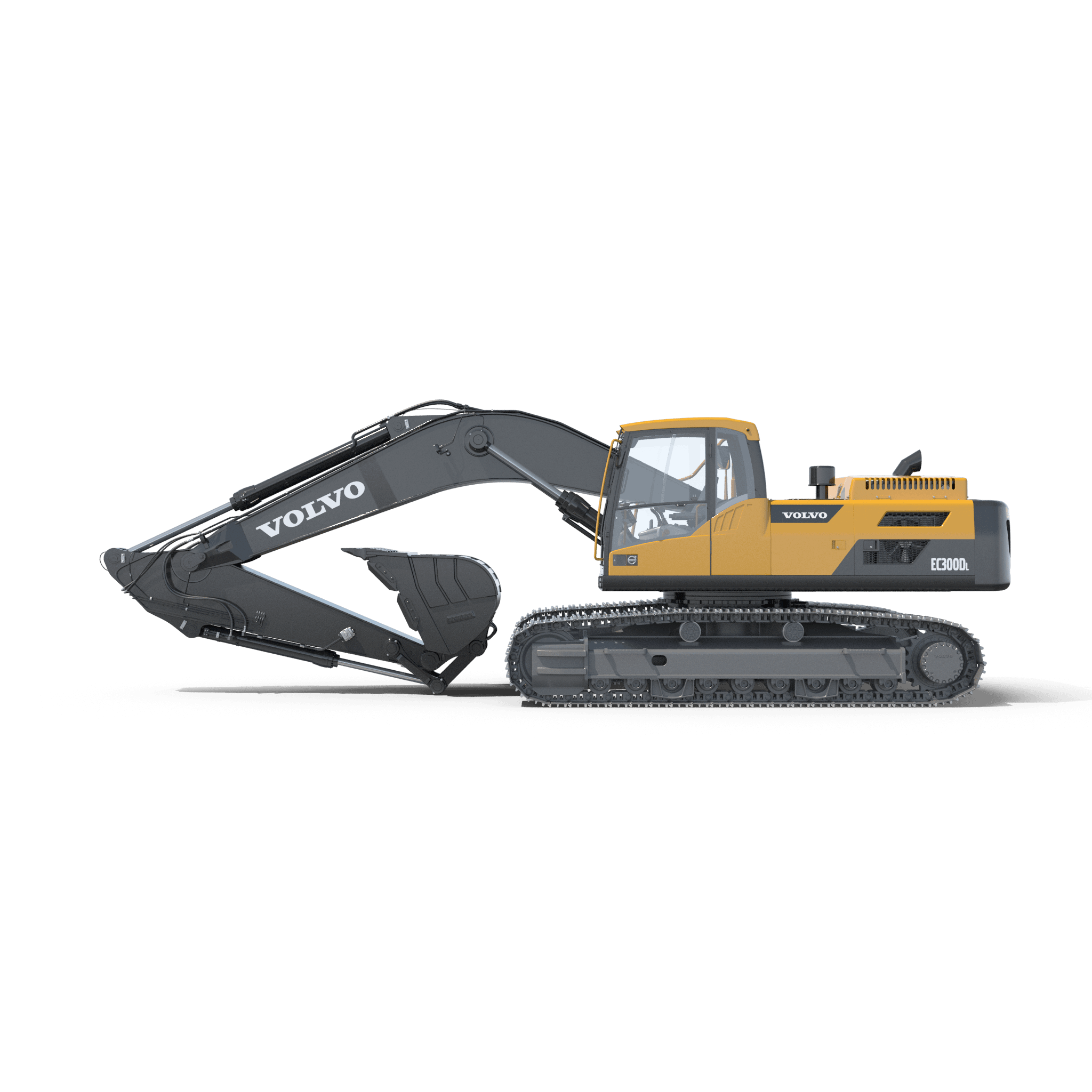
 Reference image
The Caterpillar 323D L hydraulic excavator is a medium-class machine designed for high productivity and versatility with multiple boom and stick configurations. It features a turbocharged Cat C6.4 ACERT engine delivering 140 hp (104 kW) nominal power at 1800 rpm, optimized for fuel efficiency and reduced emissions. The machine’s operating weight is approximately 48,193 lbs, offering a balance between stability and mobility. It has a maximum travel speed of around 3.5 mph and a maximum drawbar pull of 46,310 lbs, supported by a robust undercarriage with 23.7-inch shoes and a 7.9-foot track gauge. The excavator offers four interchangeable boom and stick option sets with cutting heights ranging from 28.6 to 31.5 feet, digging depths from 17.5 to 21.9 feet, and maximum loading heights between 18.8 and 22.3 feet, accommodating diverse excavation requirements. Maximum reach along the ground ranges from 28 to 32.4 feet, while vertical wall digging depths vary from 11.8 to 18.2 feet. The bucket system supports a capacity of 1.5 cubic yards with advanced Caterpillar K Series Tooth System for enhanced digging performance. Hydraulically, the system provides a maximum implement flow of 108.4 gpm at pressures up to 5,076 psi with large-bore boom (4.7 in) and stick (5.5 in) cylinders for superior lift and digging forces. The 24V electrical system includes an 80-amp alternator. Dimensions include a shipping height around 10.1 ft and length about 31.1 to 31.9 ft depending on configuration. Overall, the 323D L combines powerful hydraulics, efficient engine performance, and flexible boom configurations to deliver optimal dig depth, reach, and lift in various construction and excavation applications.
Specifications, market trends, and valuation estimates are compiled from manufacturer documentation, historical sales, and industry sources. While care is taken to ensure accuracy, this information is provided for reference purposes only and may contain errors or omissions. Users should independently verify all data before making buying or selling decisions. Valuations do not represent guaranteed transaction prices or binding offers, and Aucto assumes no liability for decisions made using this data.
Spot an error or missing detail? Help us keep our equipment guides accurate for the community.

 A+
A+ Auction Value
$73,425
 Range$25,000 – $99,500
 Sells in ~ 30 days
 Retail Value
—
Sells in ~ 180 days
Item functions as originally intended, shows signs of normal wear. Change the condition to see how it moves both values.
| Attribute | SelectedCATERPILLAR 323D L CRAWLER EXCAVATOR | CATERPILLAR 325B L CRAWLER EXCAVATOR | |
|---|---|---|---|
| OEM | CATERPILLAR | CATERPILLAR | |
| Model | 323D L | 325B L | |
| Year | - | - | |
| Max Digging Depth | 19.0 ft | 19.8 ft | |
| Max Reach | 31.00 ft | 32.90 ft | |
| Track Width | 117.30 '' | — | |
| Similarity | — | 99% | |
| Auction Value$25,000 - $99,500Retail Value— | Auction Value$50,000 - $285,000Retail Value— | |
| Current Machine | View Details |
Marketplace