
Buy Now
2004 Volvo EC240BLR Long Reach Crawler Excavator, 180HP, 60 ft Reach, Bucket Included
$62,894
$1,042/moPennsylvania
Specifications & Market Value
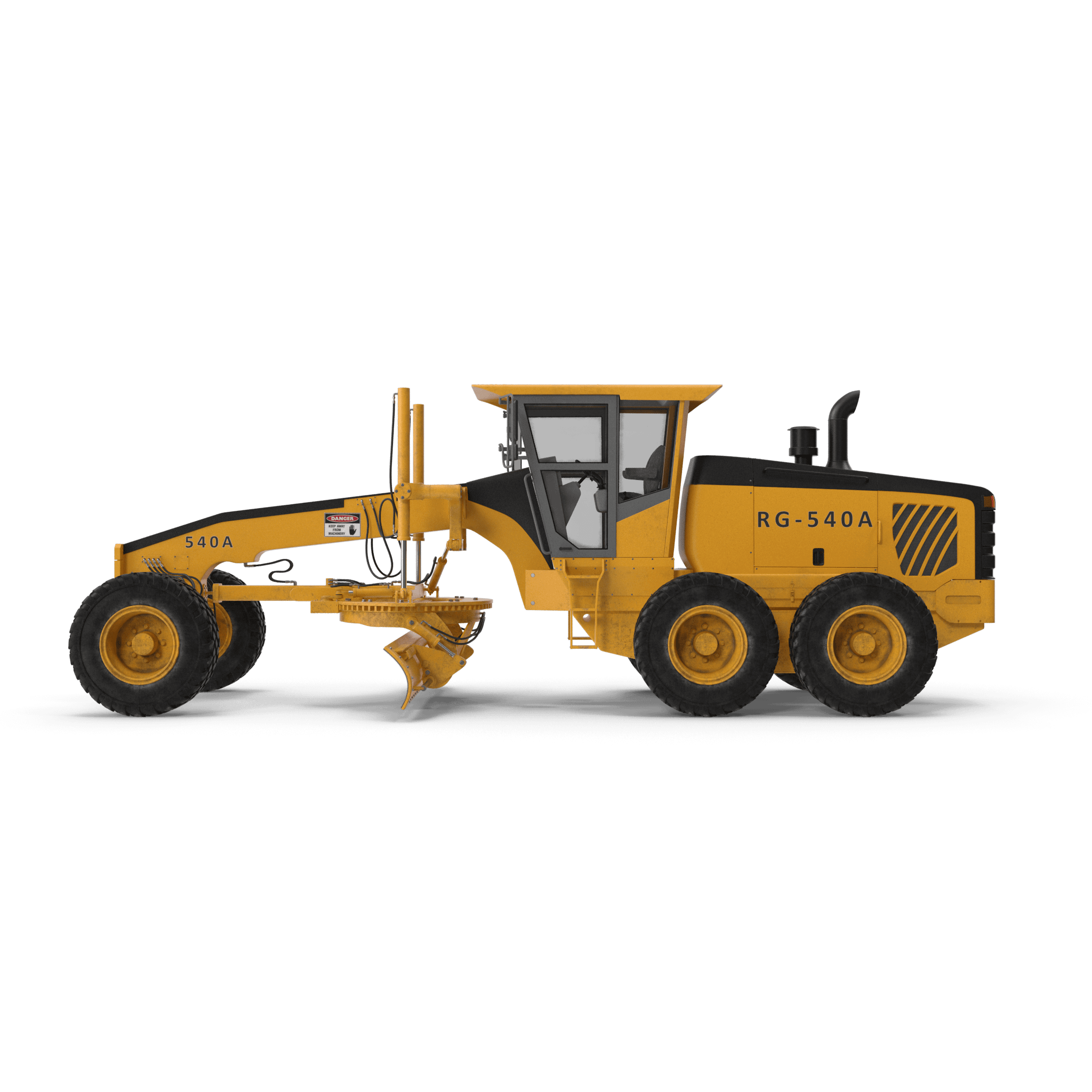
 Reference image
The 2025 Caterpillar 919 Motor Grader is a mid-sized construction machine engineered for precision grading and road maintenance applications. Powered by a diesel engine producing 176–196 horsepower with 427.8 cubic inches of displacement operating at 2,250 rpm, this grader delivers robust performance across demanding jobsites. The machine features an operating weight of 33,188 lbs with a base configuration of 31,548 lbs, distributing load across a dual-axle setup with 8,834 lbs on the front and 22,714 lbs on the rear. Advanced steering capabilities include a 47.5° maximum front steering angle and 20° frame articulation, enabling precise maneuverability in confined spaces. The front axle accommodates 18° lean and 32° total oscillation for superior terrain adaptability. Equipped with load-sensing hydraulics providing 159 cc/rev steering capacity, the grader ensures consistent, predictable blade control regardless of operating conditions. Blade options include 12-foot or 14-foot configurations with standardized 24-inch heights and 7/8-inch thickness, allowing operators to select optimal widths for specific applications. The machine achieves a maximum speed of 14.9 mph and maintains 24 inches of ground clearance. ROPS-equipped variants add approximately 1,700 lbs to the total weight. All-wheel drive configurations increase operating weight to 41,230 lbs for enhanced traction on challenging terrain.
Specifications, market trends, and valuation estimates are compiled from manufacturer documentation, historical sales, and industry sources. While care is taken to ensure accuracy, this information is provided for reference purposes only and may contain errors or omissions. Users should independently verify all data before making buying or selling decisions. Valuations do not represent guaranteed transaction prices or binding offers, and Aucto assumes no liability for decisions made using this data.
Spot an error or missing detail? Help us keep our equipment guides accurate for the community.

 A+
A+ Auction Value
$63,950
 Range$10,000 – $93,000
 Sells in ~ 30 days
 Retail Value
—
Sells in ~ 180 days
Item functions as originally intended, shows signs of normal wear. Change the condition to see how it moves both values.
Marketplace


| Attribute | SelectedCATERPILLAR 919 MOTOR GRADERS | CATERPILLAR 920F MOTOR GRADERS | |
|---|---|---|---|
| OEM | CATERPILLAR | CATERPILLAR | |
| Model | 919 | 920F | |
| Year | - | - | |
| Engine Power | 196 HP | 250 HP | |
| Operating Weight | 33,188.00 | 41,230.00 | |
| Similarity | — | 99% | |
| Auction Value$10,000 - $93,000Retail Value— | Auction Value$10,000 - $93,300Retail Value— | |
| Current Machine | View Details |