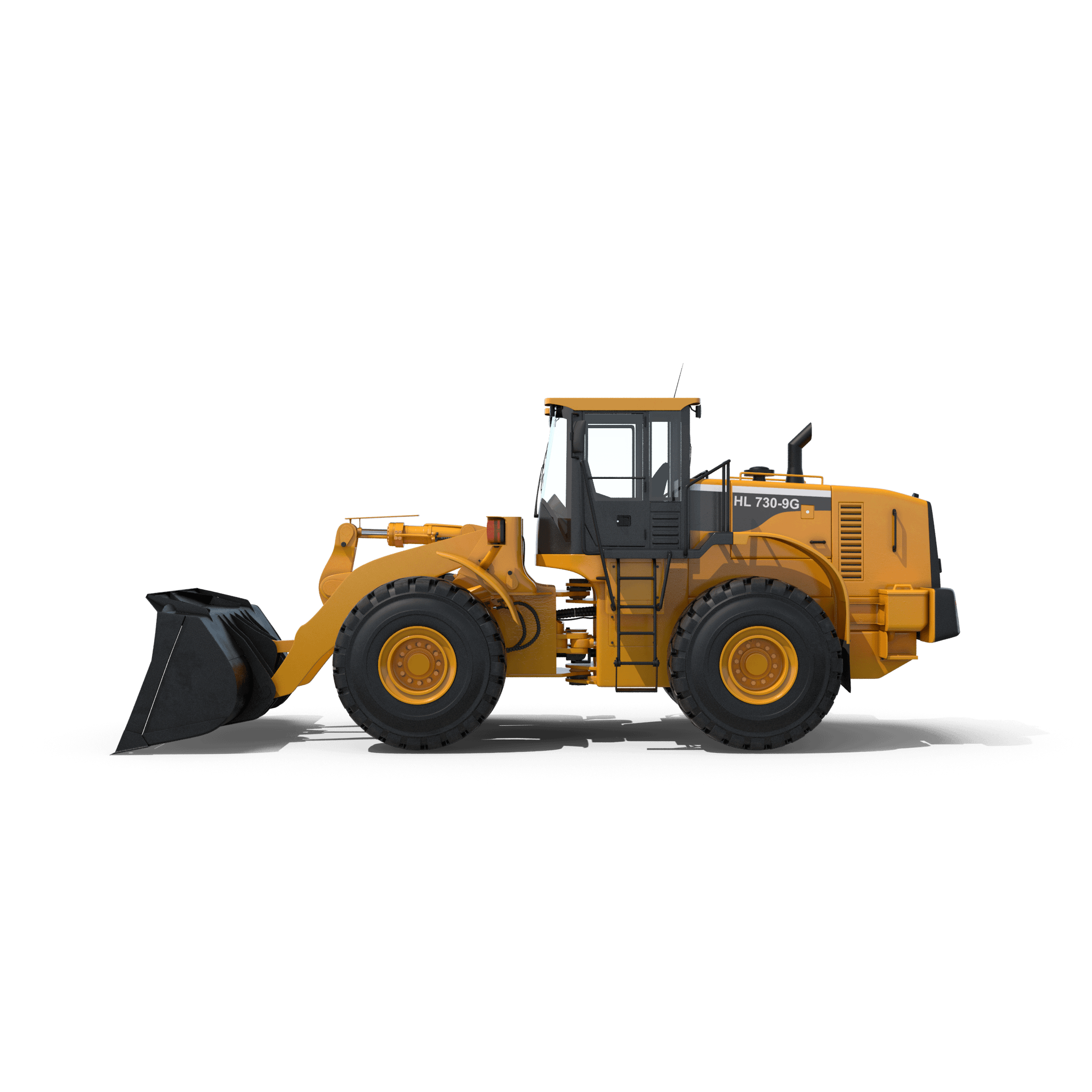
XCMG LW820G WHEEL LOADER
XCMG · LW820G
Specifications & Market Value
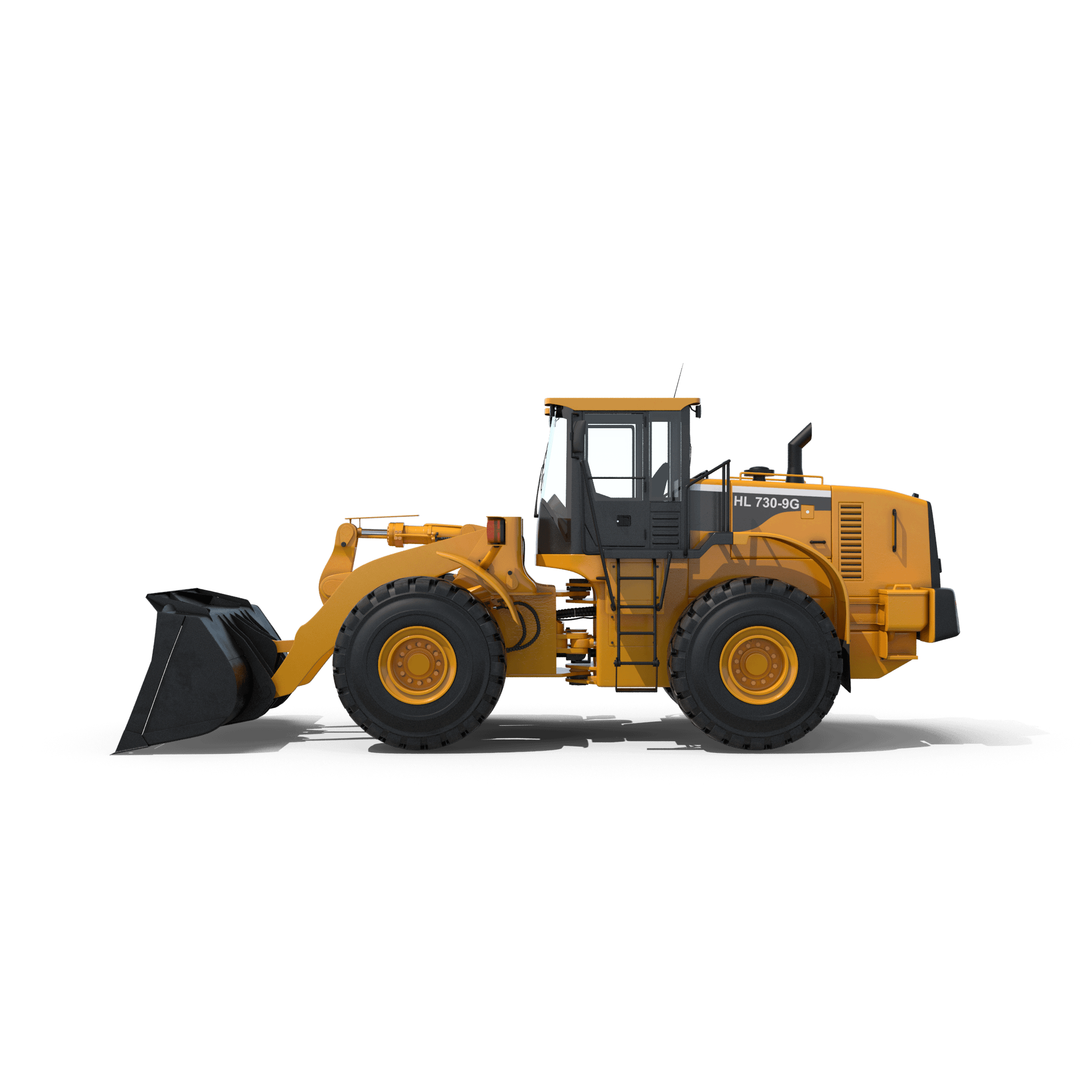
 Reference image
The Caterpillar 930G is a versatile small wheel loader powered by a Caterpillar 3056E DIT engine, delivering 150.2 hp (112 kW) net power at 2300 rpm. It features a robust hydraulic system with a variable-displacement axial piston pump, providing 58.2 gal/min (220 L/min) flow and a relief valve setting of 3756.5 psi for efficient operation. The loader offers a bucket capacity range up to 6.5 cu yds (5 m³), with breakout force reaching 30,349.3 lbs (13,766 kg). Its operating weight is 29,039.3 lbs (13,172 kg), and it has a maximum lift height of 12.8 ft (4 m) with a dump clearance of 9.6 ft (3 m). The 930G is equipped with a 4-speed forward, 3-speed reverse countershaft transmission, achieving a top forward speed of 38 mph (61 kph) and 24 mph (39 kph) in reverse. Key dimensions include an overall length of 25.9 ft (8 m), width of 8.1 ft (2 m), and height to the top of the cab of 10.8 ft (3 m). The loader has a ground clearance of 1.2 ft (0.4 m), a wheelbase of 9.6 ft (3 m), and a minimum turning radius of 17.3 ft (5 m). Standard service refill capacities include 59.5 gal (223 L) fuel, 33.1 gal (125 L) hydraulic fluid, and 10.6 gal (38 L) cooling system fluid. The 930G is designed for reliability, performance, and operator comfort in demanding applications.
Specifications, market trends, and valuation estimates are compiled from manufacturer documentation, historical sales, and industry sources. While care is taken to ensure accuracy, this information is provided for reference purposes only and may contain errors or omissions. Users should independently verify all data before making buying or selling decisions. Valuations do not represent guaranteed transaction prices or binding offers, and Aucto assumes no liability for decisions made using this data.
Spot an error or missing detail? Help us keep our equipment guides accurate for the community.

 A+
A+ Auction Value
$54,514
 Range$10,000 – $78,483
 Sells in ~ 30 days
 Retail Value
—
Sells in ~ 180 days
Item functions as originally intended, shows signs of normal wear. Change the condition to see how it moves both values.
Market Intelligence
XCMG · LW820G
CATERPILLAR · 970F
MICHIGAN · L150
ZETTELMEYER · ZL5001F
LIEBHERR · L580 2PLUS2 · 2008-2015
LIEBHERR · L566 2PLUS2 · 2015-2023
CASE · 1121F XR
TEREX · TL450