Buy Now
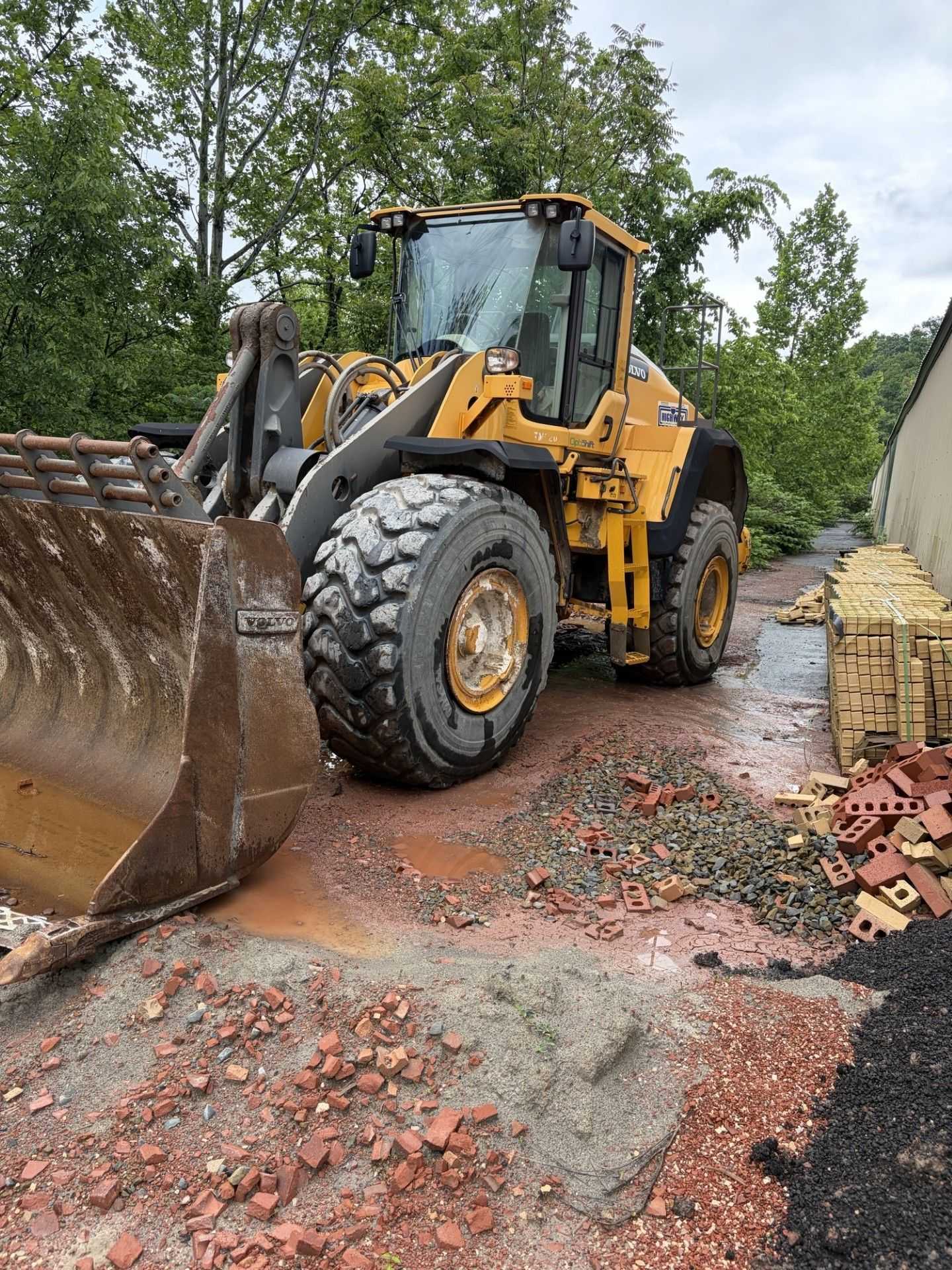
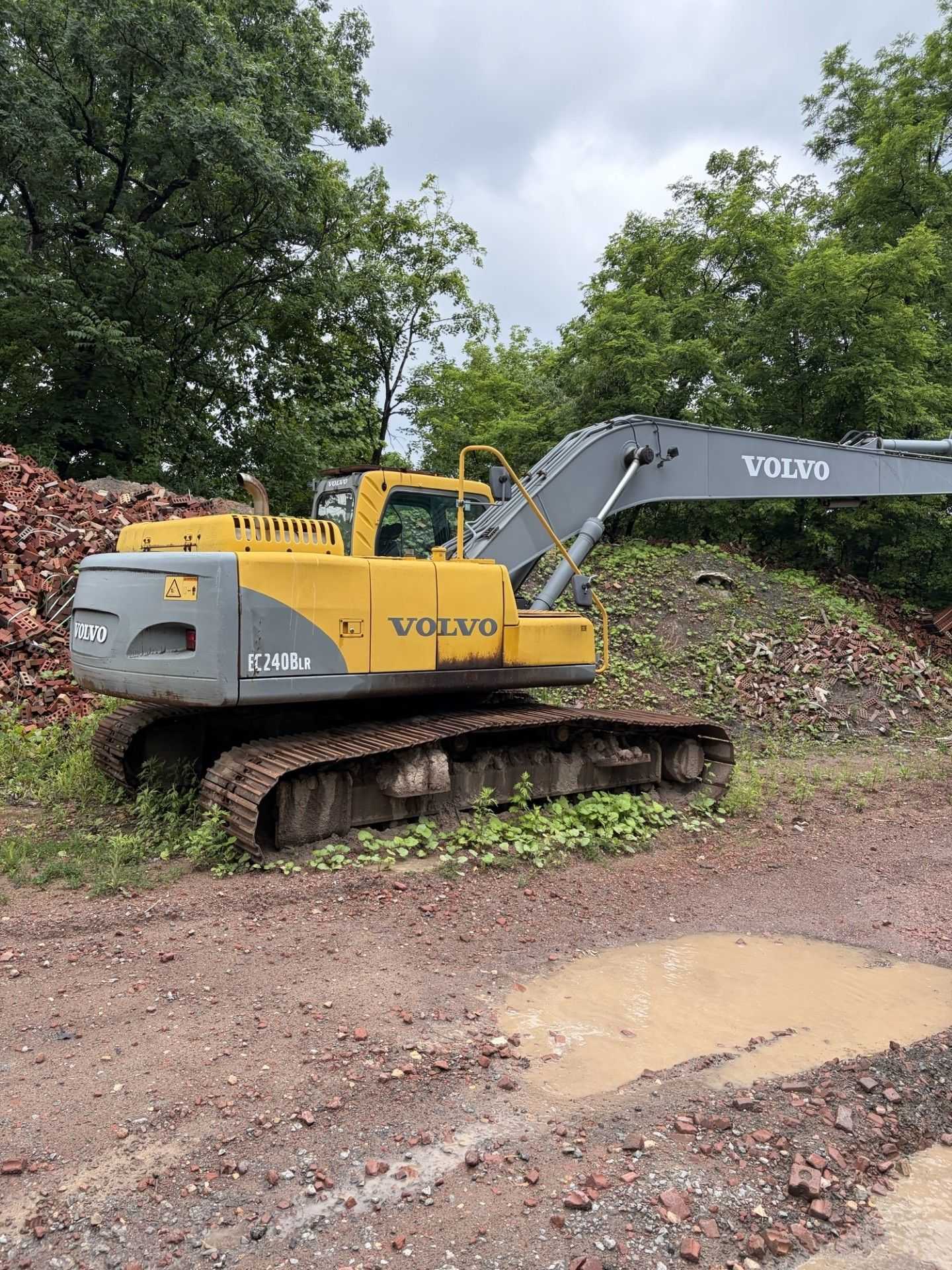
2004 Volvo EC240BLR Long Reach Crawler Excavator, 180HP, 60 ft Reach, Bucket Included
$62,894
$1,042/moPennsylvania
Specifications & Market Value
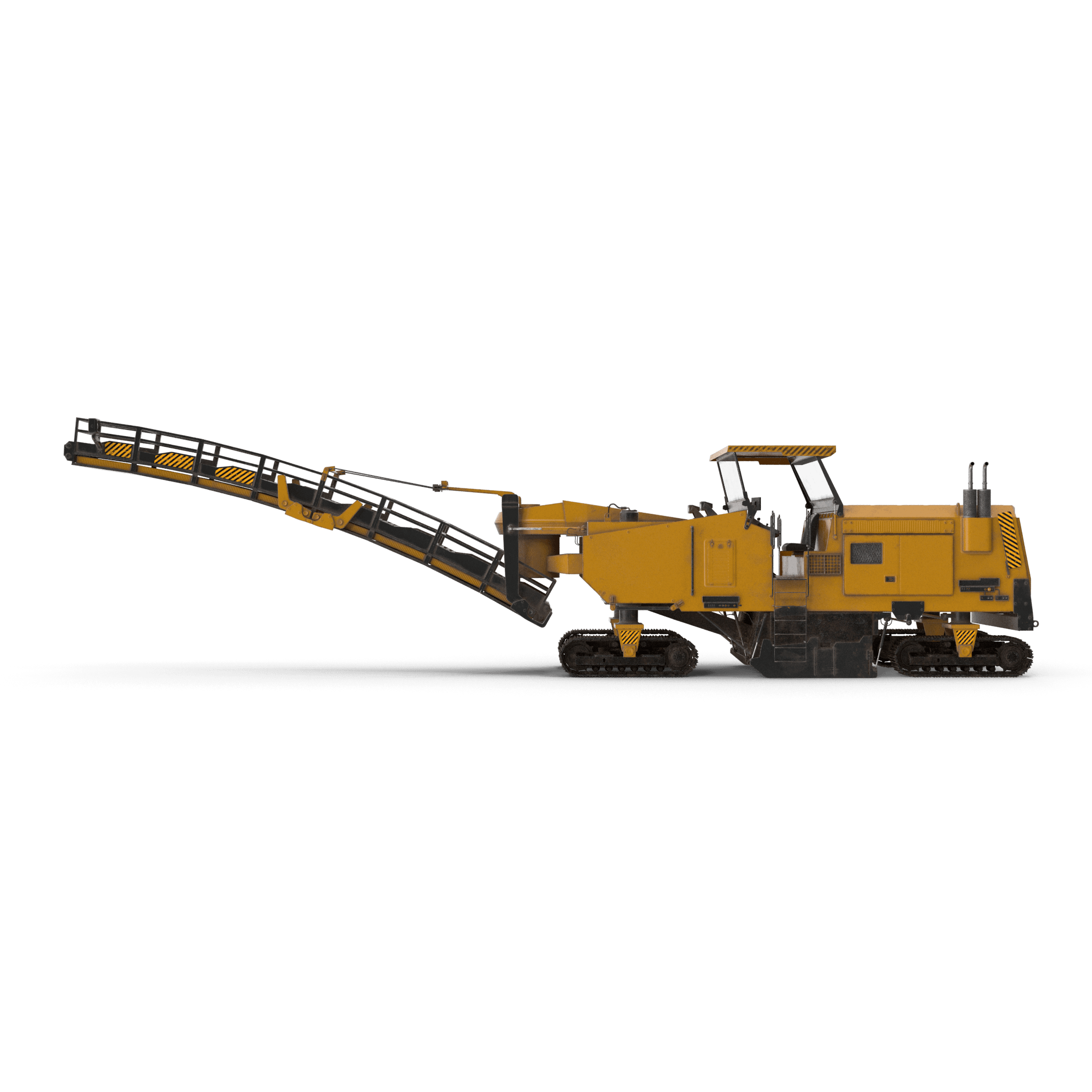
 Reference image
The Caterpillar CB434 is a static smooth drum roller designed for asphalt and compaction applications. It features dual front and rear drums, each with a diameter of approximately 3.7 feet (43.4 inches) and a width of 56 inches. The roller produces a maximum centrifugal force of 16,800 lbs at high vibration mode, with medium and low forces of 13,282 lbs and 8,400 lbs respectively, all delivering a nominal amplitude of 0.1 inches and a vibration frequency of 48 vibrations per minute. It is powered by a turbocharged 4-cylinder 3114T engine with a displacement of 268.6 cubic inches, producing 80 hp at 2200 rpm. The machine operates at a maximum speed of 7.3 mph and runs on a 24-volt system with a 55-amp alternator. Key fluid capacities include 38.1 gallons for fuel, 4.5 gallons for cooling fluid, 2 gallons for engine oil, and 15.1 gallons for hydraulic fluid. Overall dimensions are 13.8 feet in length, 5.3 feet in width, and 7.5 feet in height to the top of the cab, with a ground clearance of 15 inches and a wheelbase of 8.6 feet. The operating weight is roughly 13,371 lbs, making it suitable for medium-duty compaction tasks where smooth and effective surface finishing is required. Its robust build and reliable turbocharged engine make the CB434 efficient for roadwork and construction projects needing consistent drum pressure and vibration control for optimal compaction results.
Specifications, market trends, and valuation estimates are compiled from manufacturer documentation, historical sales, and industry sources. While care is taken to ensure accuracy, this information is provided for reference purposes only and may contain errors or omissions. Users should independently verify all data before making buying or selling decisions. Valuations do not represent guaranteed transaction prices or binding offers, and Aucto assumes no liability for decisions made using this data.
Spot an error or missing detail? Help us keep our equipment guides accurate for the community.

 A+
A+ Auction Value
$65,768
 Range$25,000 – $87,720
 Sells in ~ 30 days
 Retail Value
—
Sells in ~ 180 days
Item functions as originally intended, shows signs of normal wear. Change the condition to see how it moves both values.
| Attribute | SelectedCATERPILLAR CB434 STATIC SMOOTH DRUM ROLLER | CATERPILLAR CB634D STATIC SMOOTH DRUM ROLLER | |
|---|---|---|---|
| OEM | CATERPILLAR | CATERPILLAR | |
| Model | CB434 | CB634D | |
| Year | - | - | |
| Centrifugal Force | 16800 lb-ft | 35745 lb-ft | |
| Drum Width | 56 '' | — | |
| Similarity | — | 100% | |
| Auction Value$25,000 - $87,720Retail Value— | Auction Value$5,000 - $27,500Retail Value— | |
| Current Machine | View Details |
Marketplace