Buy Now
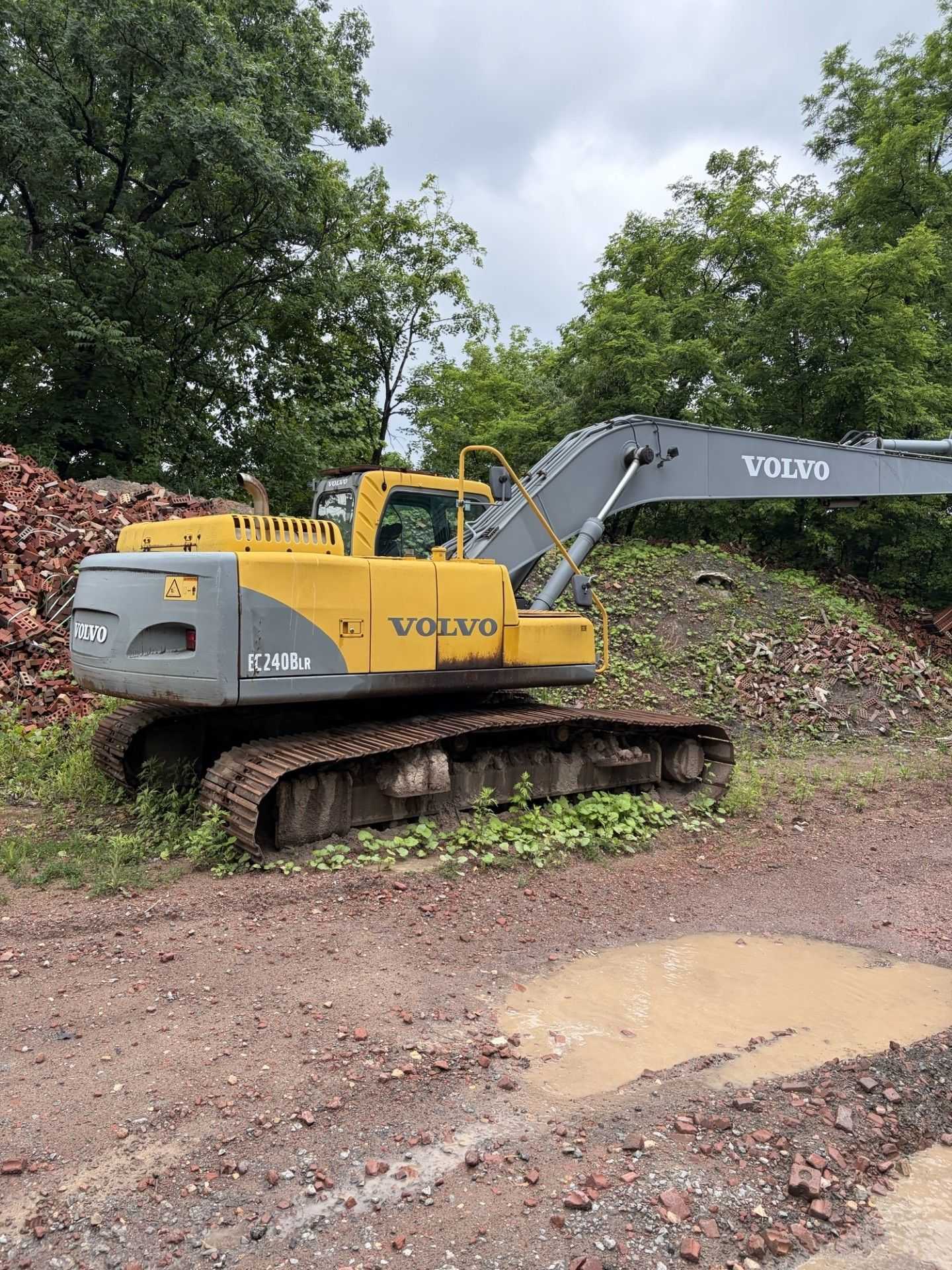
2004 Volvo EC240BLR Long Reach Crawler Excavator, 180HP, 60 ft Reach, Bucket Included
$62,894
$1,042/moPennsylvania
Specifications & Market Value
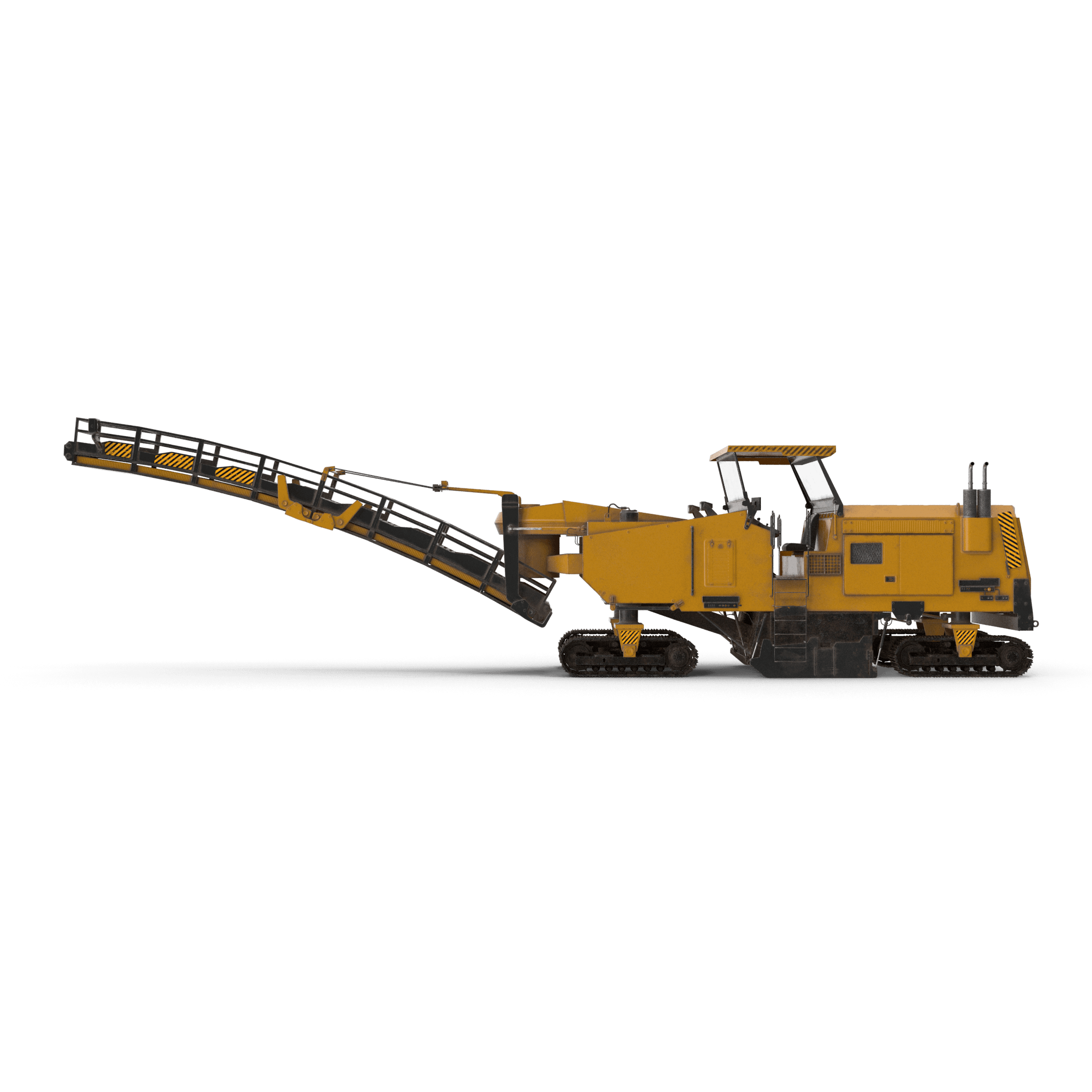
 Reference image
The Caterpillar CS64 Static Smooth Drum Roller is a heavy-duty compaction machine designed for granular soil applications, featuring a robust Cat C6.6 engine delivering 156 hp gross power. It has an overall width of approximately 7.5 ft (90 in) with an 84-inch wide smooth drum and a drum diameter of 60 inches, providing excellent ground contact for uniform compaction. The machine’s inside turning radius is about 12.1 ft, allowing good maneuverability on job sites. It weighs around 31,389 lb with ROPS/FOPS and 31,901 lb with a cab, ensuring substantial static linear load of approximately 234 lb/in for effective soil densification. The roller offers a maximum travel speed of about 6.9 mph and features a pod-style vibratory system operating at a frequency range between 1,400 to 1,914 vibrations per minute (vpm), with dual amplitude settings providing nominal amplitudes from 0.035 to 0.1 inches for varied compaction needs. Maximum centrifugal force is approximately 63,300 lb, optimizing compactive effort. The machine includes optional features such as a leveling blade with a 27-inch height, extending its versatility, with an overall length extending to 21 ft when equipped. Ground clearance is around 21.1 inches, aiding mobility on uneven terrain. The CS64’s heavy-duty construction includes a rigid frame with articulation and oscillation capabilities, power-assist steering with a ±34° angle for precise control, and flotation tires sized 23.1 x 26 inches to enhance traction. This roller combines Caterpillar’s proven engineering for durability, serviceability, and high compaction performance in demanding construction environments.
Specifications, market trends, and valuation estimates are compiled from manufacturer documentation, historical sales, and industry sources. While care is taken to ensure accuracy, this information is provided for reference purposes only and may contain errors or omissions. Users should independently verify all data before making buying or selling decisions. Valuations do not represent guaranteed transaction prices or binding offers, and Aucto assumes no liability for decisions made using this data.
Spot an error or missing detail? Help us keep our equipment guides accurate for the community.

 A+
A+ Auction Value
$143,421
 Range$50,000 – $193,725
 Sells in ~ 30 days
 Retail Value
—
Sells in ~ 180 days
Item functions as originally intended, shows signs of normal wear. Change the condition to see how it moves both values.
| Attribute | SelectedCATERPILLAR CS64 STATIC SMOOTH DRUM ROLLER | CATERPILLAR CS74 STATIC SMOOTH DRUM ROLLER | |
|---|---|---|---|
| OEM | CATERPILLAR | CATERPILLAR | |
| Model | CS64 | CS74 | |
| Year | - | - | |
| Drum Width | 84 '' | 84 '' | |
| Similarity | — | 99% | |
| Auction Value$50,000 - $193,725Retail Value— | Auction Value$50,000 - $249,569Retail Value— | |
| Current Machine | View Details |
Marketplace