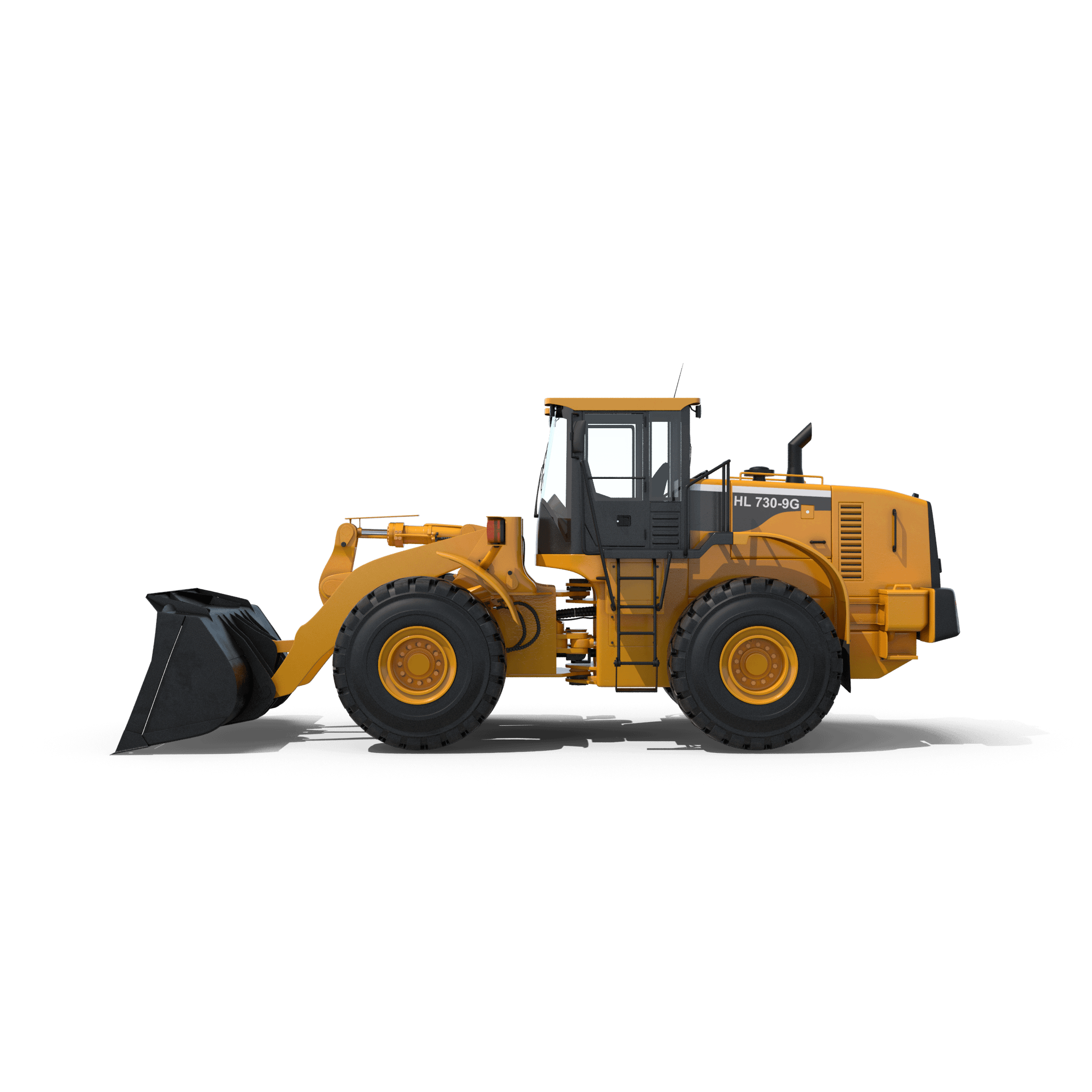
XCMG LW820G WHEEL LOADER
XCMG · LW820G
Specifications & Market Value
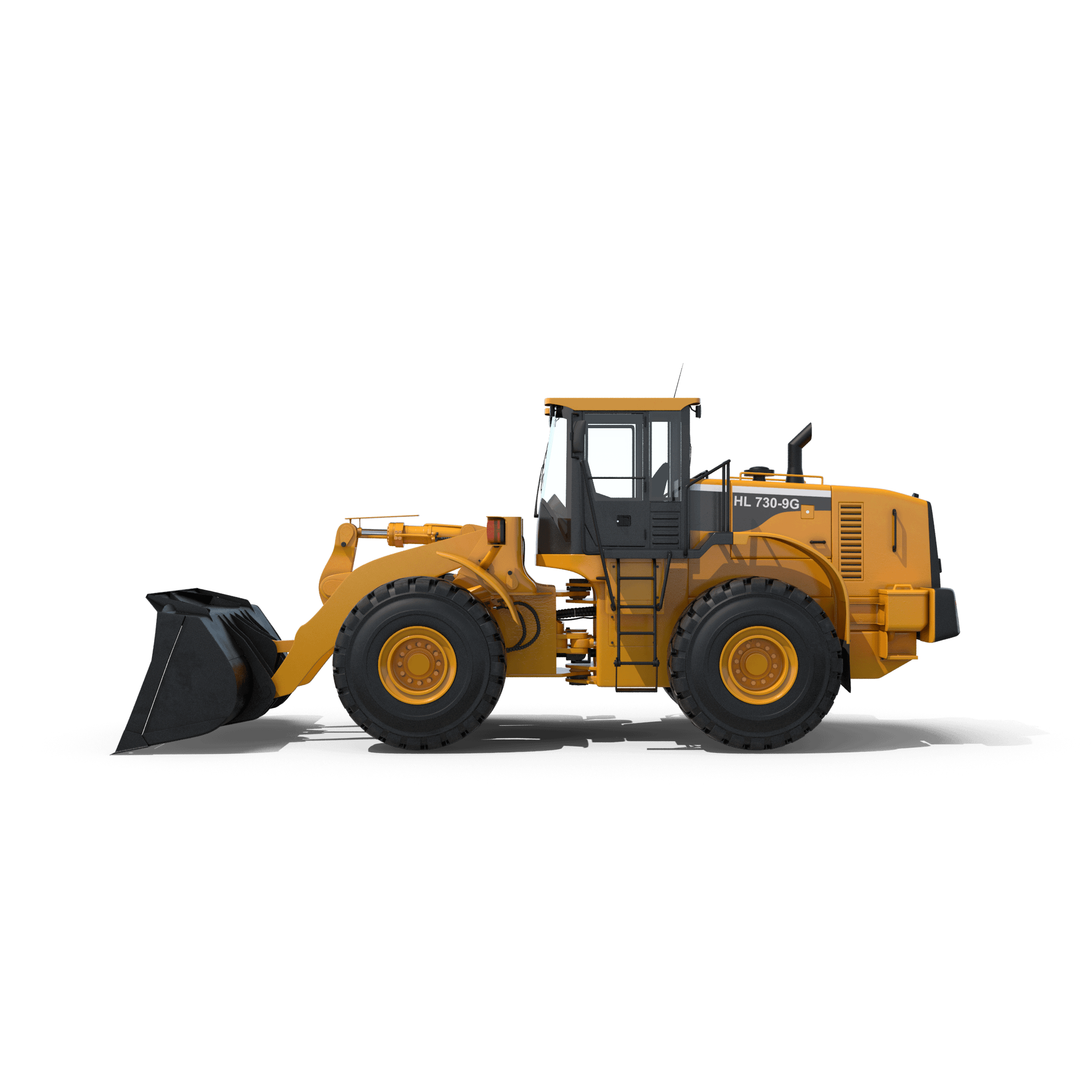
 Reference image
The Caterpillar IT38H is a robust medium wheel loader engineered for demanding applications, featuring a Cat 6.6 ACERT engine delivering 197 hp (147 kW) gross and 180 hp (134 kW) net power, with a peak torque of 620 lb-ft at 1,400 rpm. It boasts an operating weight of 35,283 lbs (16,004 kg), a 2.3–3.0 m³ (3–4 yd³) bucket capacity, and a maximum breakout force of 28,326 lbs (12,849 kg). The IT38H is equipped with a load-sensing hydraulic system for efficient operation, offering a dump time of 2 seconds, a raise time of 5 seconds, and a total hydraulic cycle time of 9.5 seconds. Its transmission provides four forward and three reverse gears, with a top forward speed of 26.9 mph (42 km/h) and a top reverse speed of 15.9 mph (24 km/h). The loader features a fixed front axle and a rear axle with ±12° oscillation for superior stability and traction on uneven terrain. Standard 20.5-R25 tires and a turning radius of 20 ft (6 m) enhance maneuverability. The cab offers excellent visibility and operator comfort, while the machine’s dimensions include a length of 25 ft 3 in (7.7 m), width of 9 ft 1 in (2.8 m), and height of 11 ft 0 in (3.4 m). The IT38H is designed for durability, productivity, and ease of maintenance across a range of material handling and loading tasks.
Specifications, market trends, and valuation estimates are compiled from manufacturer documentation, historical sales, and industry sources. While care is taken to ensure accuracy, this information is provided for reference purposes only and may contain errors or omissions. Users should independently verify all data before making buying or selling decisions. Valuations do not represent guaranteed transaction prices or binding offers, and Aucto assumes no liability for decisions made using this data.
Spot an error or missing detail? Help us keep our equipment guides accurate for the community.

 A+
A+ Auction Value
$43,595
 Range$10,000 – $61,684
 Sells in ~ 30 days
 Retail Value
—
Sells in ~ 180 days
Item functions as originally intended, shows signs of normal wear. Change the condition to see how it moves both values.
Market Intelligence
XCMG · LW820G
CATERPILLAR · 970F
MICHIGAN · L150
ZETTELMEYER · ZL5001F
LIEBHERR · L580 2PLUS2 · 2008-2015
LIEBHERR · L566 2PLUS2 · 2015-2023
CASE · 1121F XR
TEREX · TL450