CHEVALIER MACHINERY, INC. FBL-300LMC HORIZONTAL MACHINING CENTER
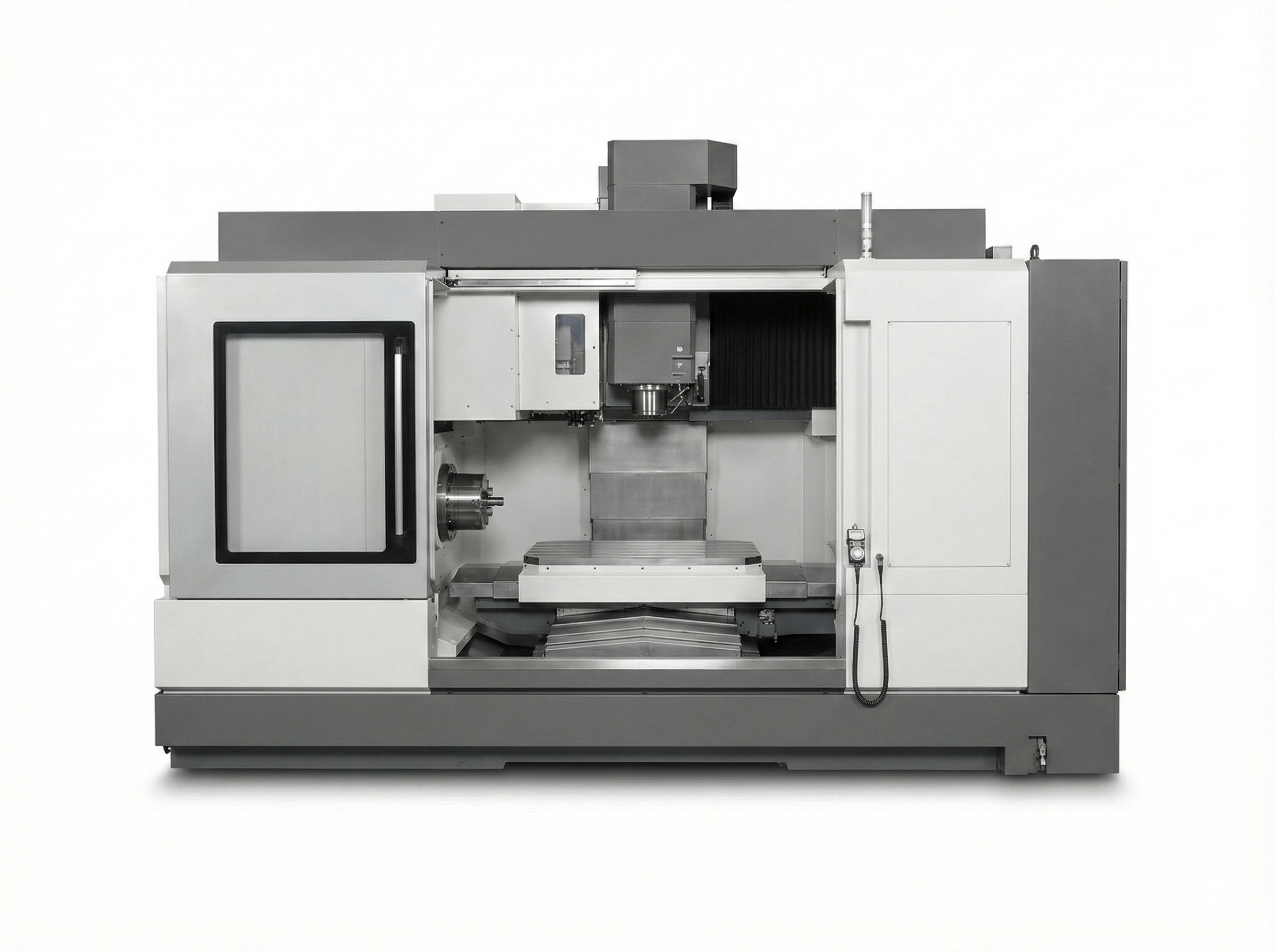
Equipment Overview
Share Link- OEM
- CHEVALIER MACHINERY, INC.
- Model
- FBL-300LMC
- Year of Manufacture
- -
- Category
- HORIZONTAL MACHINING CENTERS
Market Value Calculator
A+Technical Description
The Chevalier FBL-300LMC is a CNC horizontal slant-bed lathe engineered for precision turning and heavy-duty machining operations. This machine features a maximum turning diameter of 15.4 inches and accommodates workpieces up to 59.6 inches in length, making it suitable for extended cylindrical components. With a maximum bar capacity of 3.0 inches, the lathe can process solid bar stock efficiently. The single main spindle operates at a maximum speed of 2,500 RPM, delivering robust cutting power for demanding applications. The machine incorporates a rigid box-way structure with a 45-degree slant-bed design that enhances accessibility and reduces vibration during machining, ensuring superior surface finishes and dimensional accuracy. Rapid traverse rates of 708 IPM across all axes (X, Y, and Z) enable quick non-cutting movements between operations, optimizing cycle times and reducing setup periods. The FBL-300LMC is equipped with advanced Fanuc CNC control systems and features programmable hydraulic tailstock positioning for automated workholding. Its construction utilizes ribbed Meehanite casting and torque tube design to provide exceptional rigidity and vibration damping, critical for maintaining tolerances in precision machining. The machine's live tooling capability on the MC variant allows for complex multi-axis operations, enabling manufacturers to complete intricate parts in a single setup. This versatile platform serves industries requiring high-precision turning with extended cutting lengths and heavy-load machining capabilities.
Technical Attributes
- Max Spindle Speed
- 2,500.00
Data Accuracy and Verification
Specifications and technical details are compiled from manufacturer documentation, historical records, and third-party industry sources. While care is taken to ensure accuracy, this information is provided for reference purposes only and may contain errors or omissions. Users should independently verify all details before relying on them.
If you identify any inaccuracies, please help us improve our data by reporting them here.