Buy Now
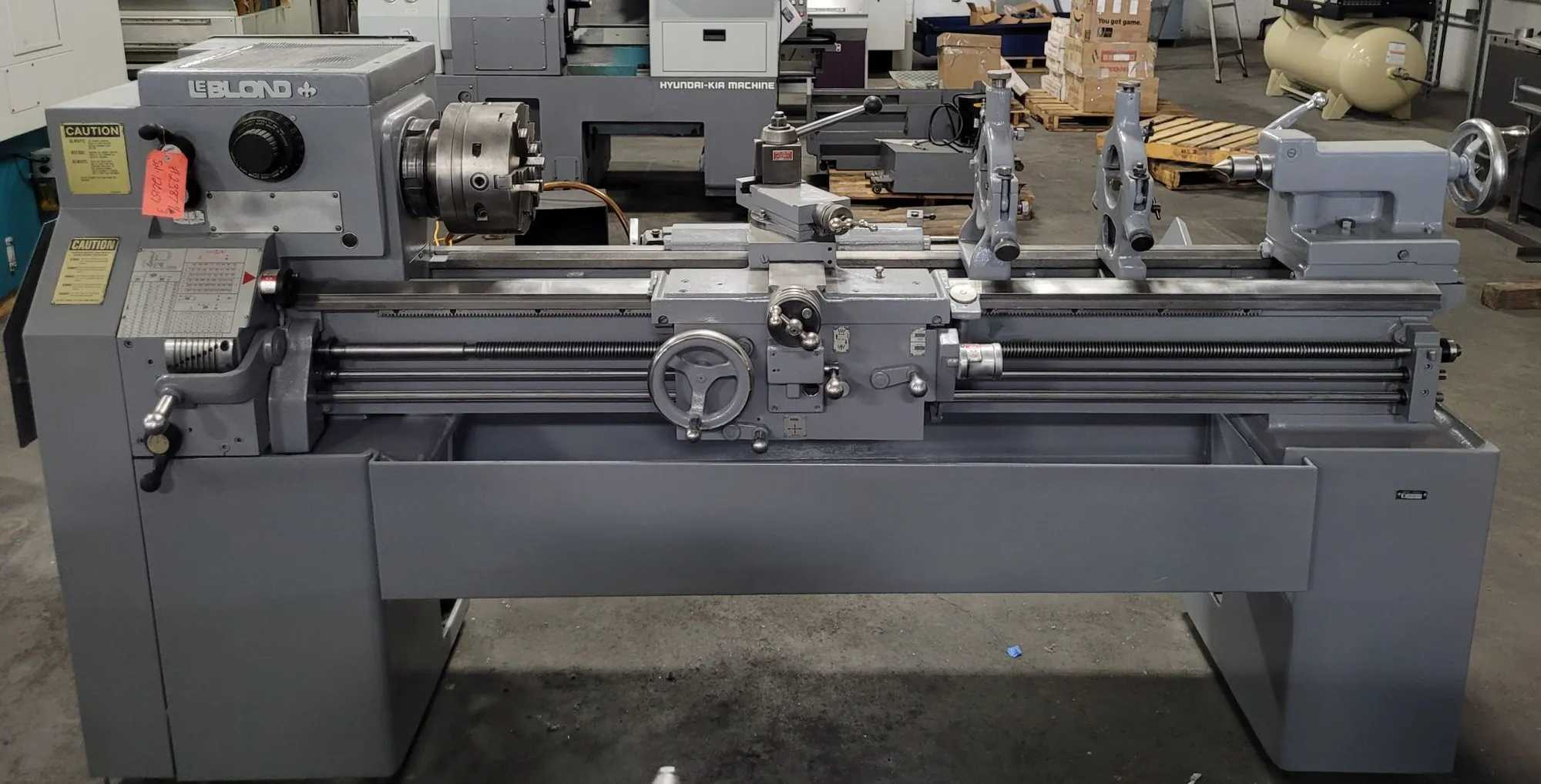
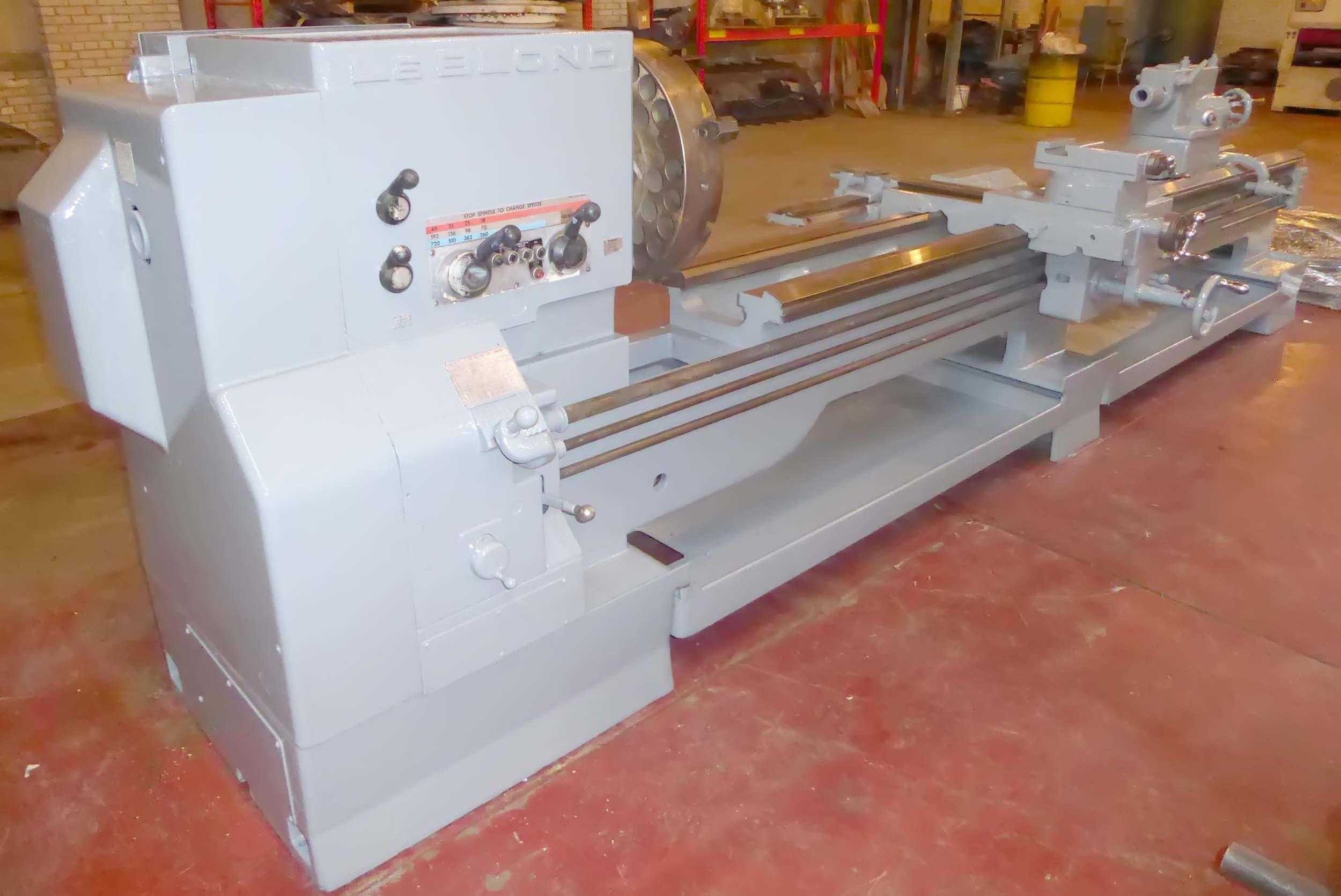
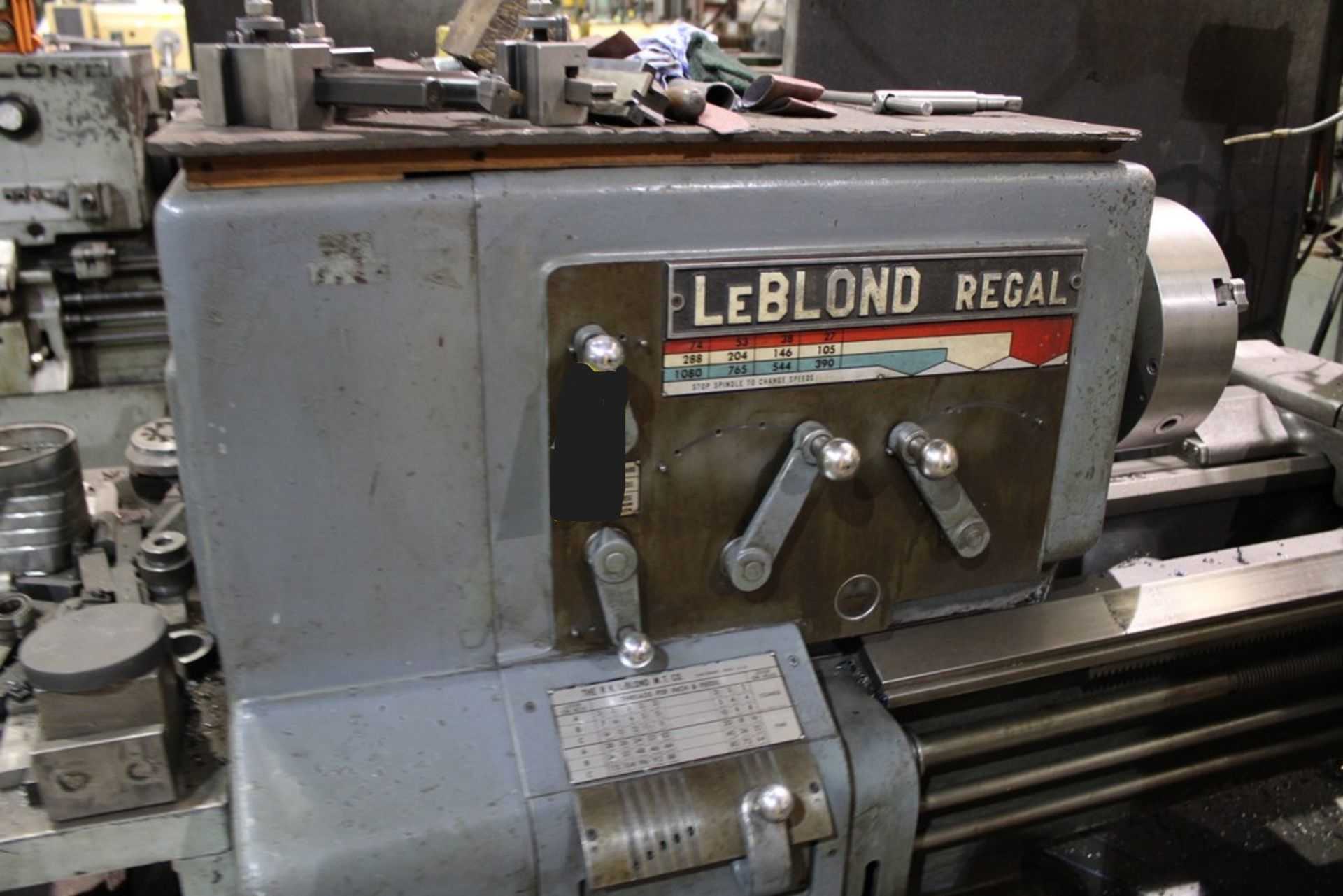
LEBLOND F21 REGAL ENGINE LATHE 22.25" SWING X 72" CTRS 10HP 27-1080 RPM DRO
$9,950
$165/moKentucky
Specifications & Market Value
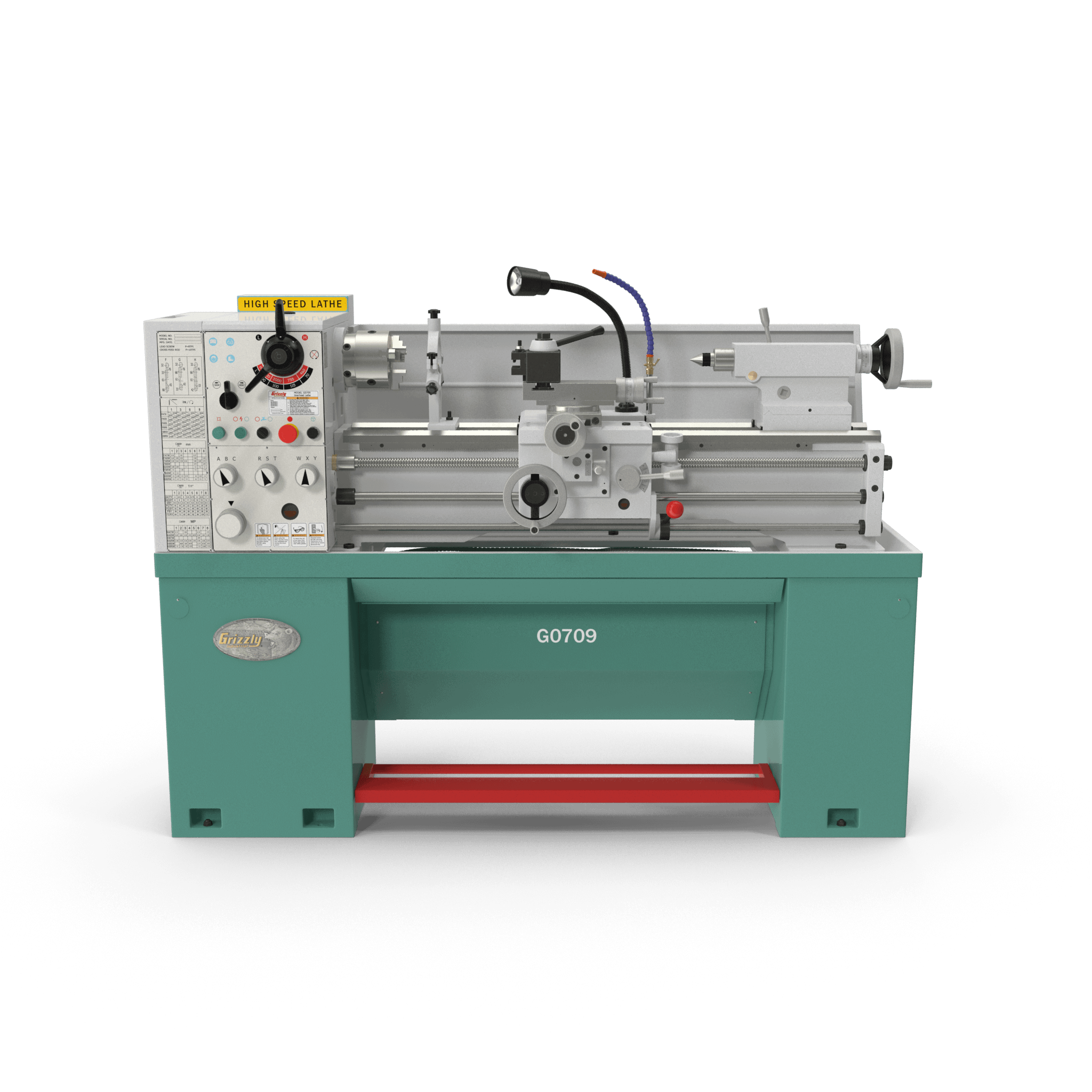
 Reference image
The Clausing Colchester Student 2500 Manual Lathe is a robust, geared-head centre lathe engineered for precision and versatility in both industrial and educational environments. Featuring a swing over bedways of 13 inches (330 mm) and a swing over cross slide of 8 inches (210 mm), it provides ample capacity for a wide range of turning operations. The lathe includes a removable gap section, allowing a swing in gap of up to 19 inches (480 mm) for larger workpieces. Hardways ensure durability and accuracy, while the inclusion of both inch and metric threading capabilities, along with a thread dial, enables precise thread cutting in multiple standards. The spindle offers speeds up to 2500 RPM, driven by a 3 HP (2.2 kW) motor operating at 230 volts, providing reliable power for demanding tasks. The spindle through hole measures 1.5 inches (40 mm), accommodating long bar stock. The machine is equipped with an 8-inch (205 mm) 3-jaw chuck for secure workholding, a foot brake for quick stopping, a chip pan for efficient swarf management, and a coolant pump for improved tool life and surface finish. Designed for intuitive operation, the Student 2500 delivers smooth, responsive control across a full range of manual turning applications, making it a trusted choice for workshops and training facilities worldwide.
Specifications, market trends, and valuation estimates are compiled from manufacturer documentation, historical sales, and industry sources. While care is taken to ensure accuracy, this information is provided for reference purposes only and may contain errors or omissions. Users should independently verify all data before making buying or selling decisions. Valuations do not represent guaranteed transaction prices or binding offers, and Aucto assumes no liability for decisions made using this data.
Spot an error or missing detail? Help us keep our equipment guides accurate for the community.

 A+
A+ Auction Value
$6,525
 Range$1,000 – $9,500
 Sells in ~ 30 days
 Retail Value
—
Sells in ~ 180 days
Item functions as originally intended, shows signs of normal wear. Change the condition to see how it moves both values.
| Attribute | SelectedCLAUSING COLCHESTER STUDENT 2500 MANUAL LATHE | CLAUSING COLCHESTER 25 MANUAL LATHE | |
|---|---|---|---|
| OEM | CLAUSING-COLCHESTER | CLAUSING-COLCHESTER | |
| Model | STUDENT 2500 | 25 | |
| Year | - | - | |
| Max Swing | 13.00 '' | 25.00 '' | |
| Spindle Bore Diameter | 1.50 '' | 4.75 '' | |
| Bed Length | 13.00 '' | 25.00 '' | |
| Chuck Size | 8 - 8 | 24 - 24 | |
| Max Spindle Speed | 2,500.00 | 1,250.00 | |
| Similarity | — | 97% | |
| Auction Value$1,000 - $9,500Retail Value— | Auction Value$2,500 - $15,950Retail Value— | |
| Current Machine | View Details |
Marketplace