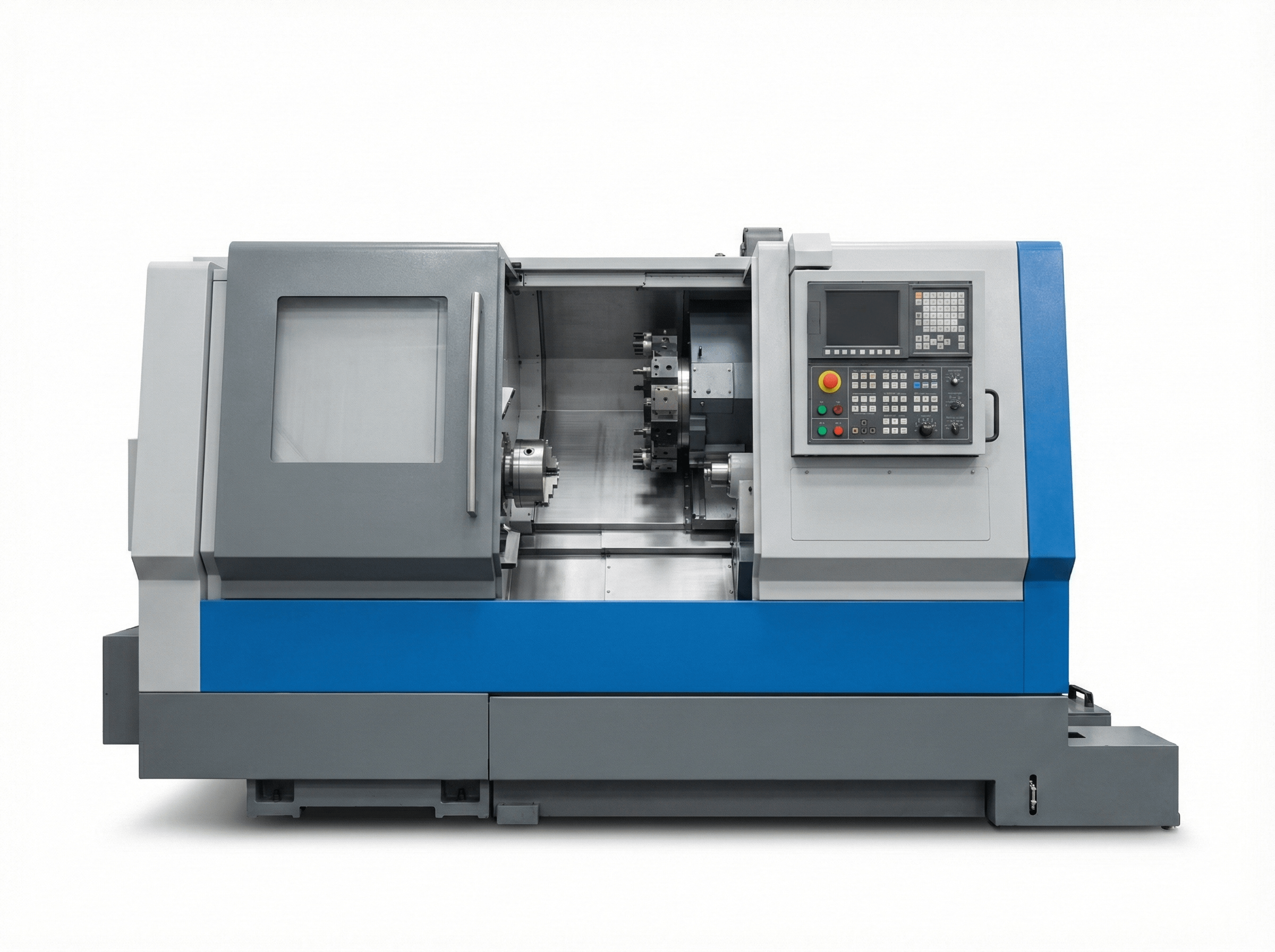
HANKOOK PROTURN 90/7000 CNC LATHE
HANKOOK · PROTURN 90/7000
Specifications & Market Value
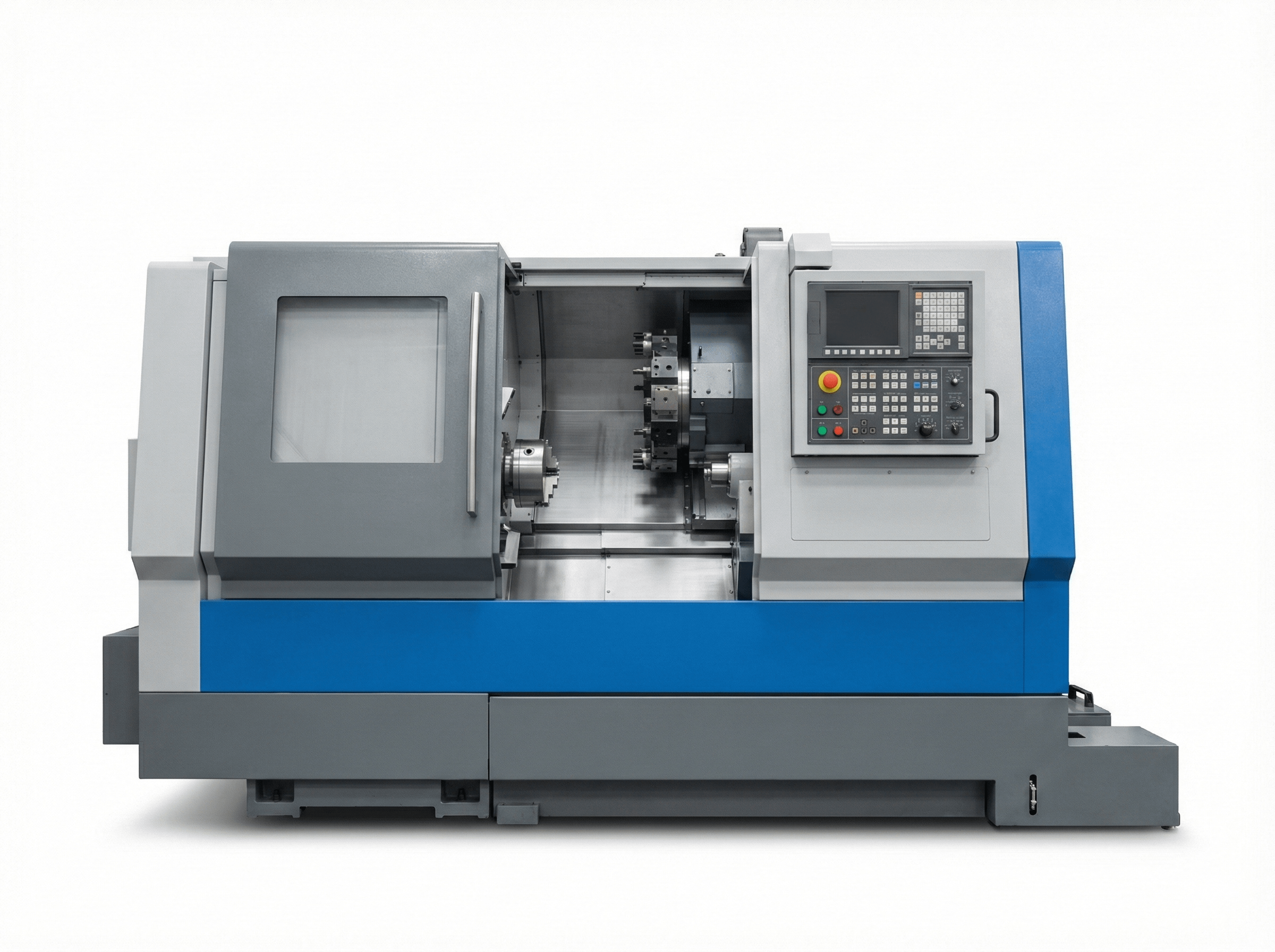
 Reference image
This CNC lathe features a 10-inch chuck size and a maximum bar capacity of 2 inches, enabling secure gripping and machining of medium-sized workpieces. It supports a swing of 19.1 inches, allowing the largest diameter workpiece to rotate freely without interference. The machine offers a turning diameter of 7.8 inches, defining the maximum radial cut possible on the workpiece. The spindle achieves speeds up to 3,500 RPM, providing sufficient rotational velocity for a variety of turning operations. The lathe is equipped with a Fanuc OiF control system, ensuring precise, programmable CNC control for high accuracy and repeatability. The distance between centers is 27.56 inches, specifying the maximum length of a workpiece that can be mounted between the headstock and tailstock for machining. A sub-spindle is present, allowing for complex multi-tasking operations such as secondary machining without manual repositioning, thereby increasing productivity. For efficient chip management, a chip conveyor is integrated, facilitating automatic removal of machining debris to maintain a clean work environment and reduce downtime. This combination of specifications makes the lathe suitable for precise, medium-length workpieces requiring efficient machining cycles and automated part handling capabilities.
Specifications, market trends, and valuation estimates are compiled from manufacturer documentation, historical sales, and industry sources. While care is taken to ensure accuracy, this information is provided for reference purposes only and may contain errors or omissions. Users should independently verify all data before making buying or selling decisions. Valuations do not represent guaranteed transaction prices or binding offers, and Aucto assumes no liability for decisions made using this data.
Spot an error or missing detail? Help us keep our equipment guides accurate for the community.

 A+
A+ Auction Value
$58,685
 Range$10,000 – $84,900
 Sells in ~ 30 days
 Retail Value
—
Sells in ~ 180 days
Item functions as originally intended, shows signs of normal wear. Change the condition to see how it moves both values.
Market Intelligence
HANKOOK · PROTURN 90/7000
GOODA · TH-1000NC
DN SOLUTIONS · LYNX 2600SY
FOLLOW · PKL210A
MAZAK · MULTIPLEX 6300Y
ACRA · FEL-E 28200
MAZAK · INTEGREX 100-IV S
AMERA SEIKI · S-36