DN SOLUTIONS PUMA TL2000/2500 HORIZONTAL MACHINING CENTER
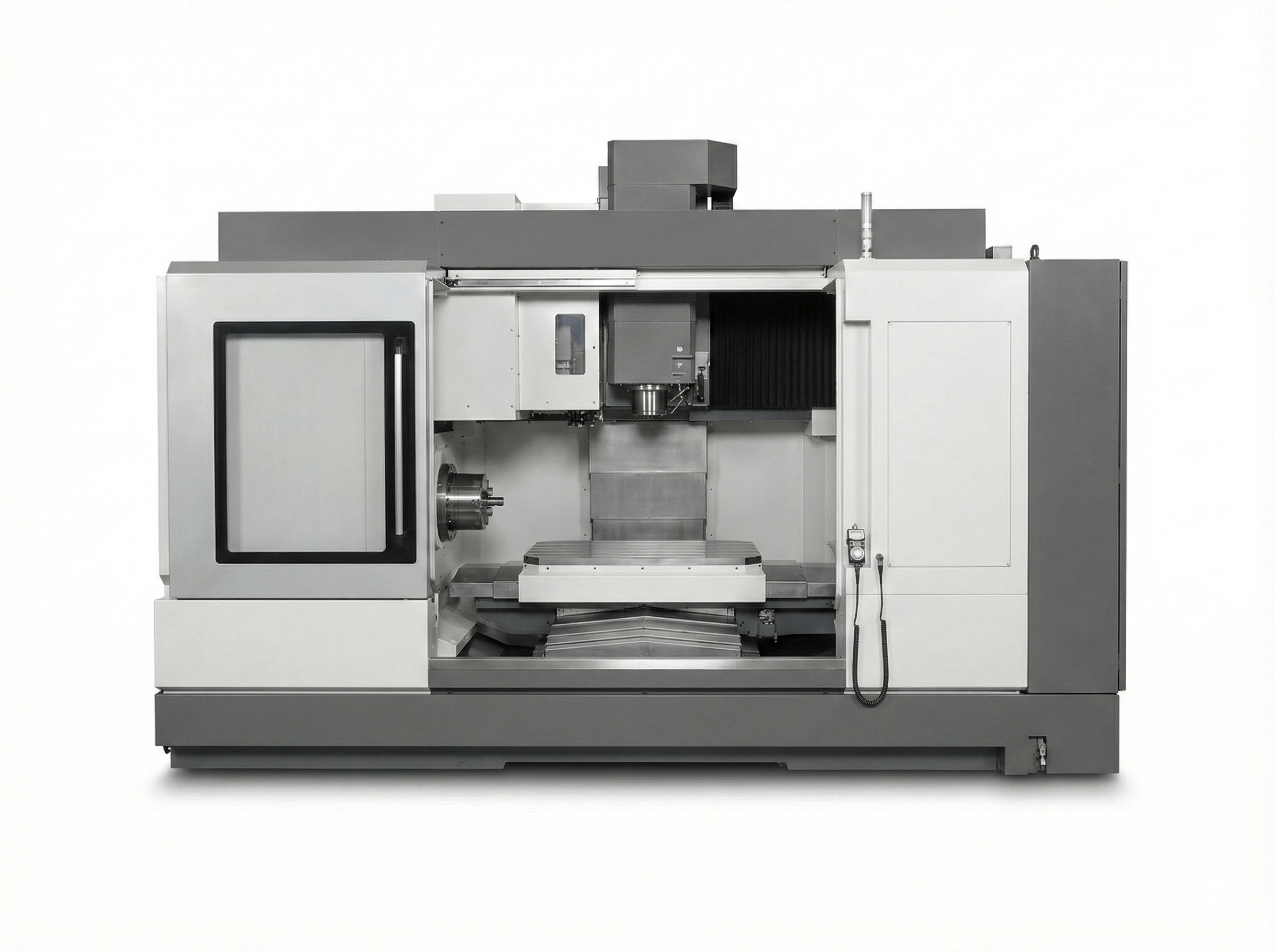
Equipment Overview
Share Link- OEM
- DN SOLUTIONS
- Model
- PUMA TL2000/2500
- Year of Manufacture
- -
- Category
- HORIZONTAL MACHINING CENTERS
Market Value Calculator
A+Technical Description
The DN Solutions PUMA TL2000/2500 is a high-performance horizontal machining center designed for efficient, multi-axis turning operations. Featuring a robust twin-turret configuration, it enables simultaneous cutting with up to two tools, significantly reducing cycle times and enhancing productivity. The main spindle delivers a maximum turning diameter of 14.2" (360 mm) and a turning length of 23.6" (600 mm), with a maximum swing of 23.6" (600 mm) and a bar capacity of 2.6" (66 mm). The 8" (203 mm) chuck ensures secure workpiece holding, while the spindle achieves speeds up to 5,000 RPM and 29.5 HP for powerful metal removal. The upper turret supports up to 12 turning tools and 12 rotary tools, each with 7.4 HP and 5,000 RPM capability, while the lower turret accommodates 8 turning and 8 rotary tools. The machine offers 4-axis control, with X-axis travel of 9.84" (250 mm) and Z-axis travel of 24.8" (630 mm), both axes providing rapid traverse rates of 787 ipm (20 m/min) for fast positioning. Maximum feed rates on both axes are 787 ipm, ensuring high-speed machining. The PUMA TL2000/2500 is engineered for flexibility, supporting a wide range of turning and milling operations, and is suitable for complex, high-volume production environments. Its solid construction, advanced control options, and compatibility with automation systems make it an ideal solution for manufacturers seeking precision, speed, and reliability in horizontal turning applications.
Technical Attributes
- # of Axes
- 4.00
- Z-Axis Travel
- 24.80 ''
- Spindle Power
- 29.50 HP
- X-Axis Travel
- 9.84 ''
- Max Spindle Speed
- 5,000.00
Data Accuracy and Verification
Specifications and technical details are compiled from manufacturer documentation, historical records, and third-party industry sources. While care is taken to ensure accuracy, this information is provided for reference purposes only and may contain errors or omissions. Users should independently verify all details before relying on them.
If you identify any inaccuracies, please help us improve our data by reporting them here.