Buy Now
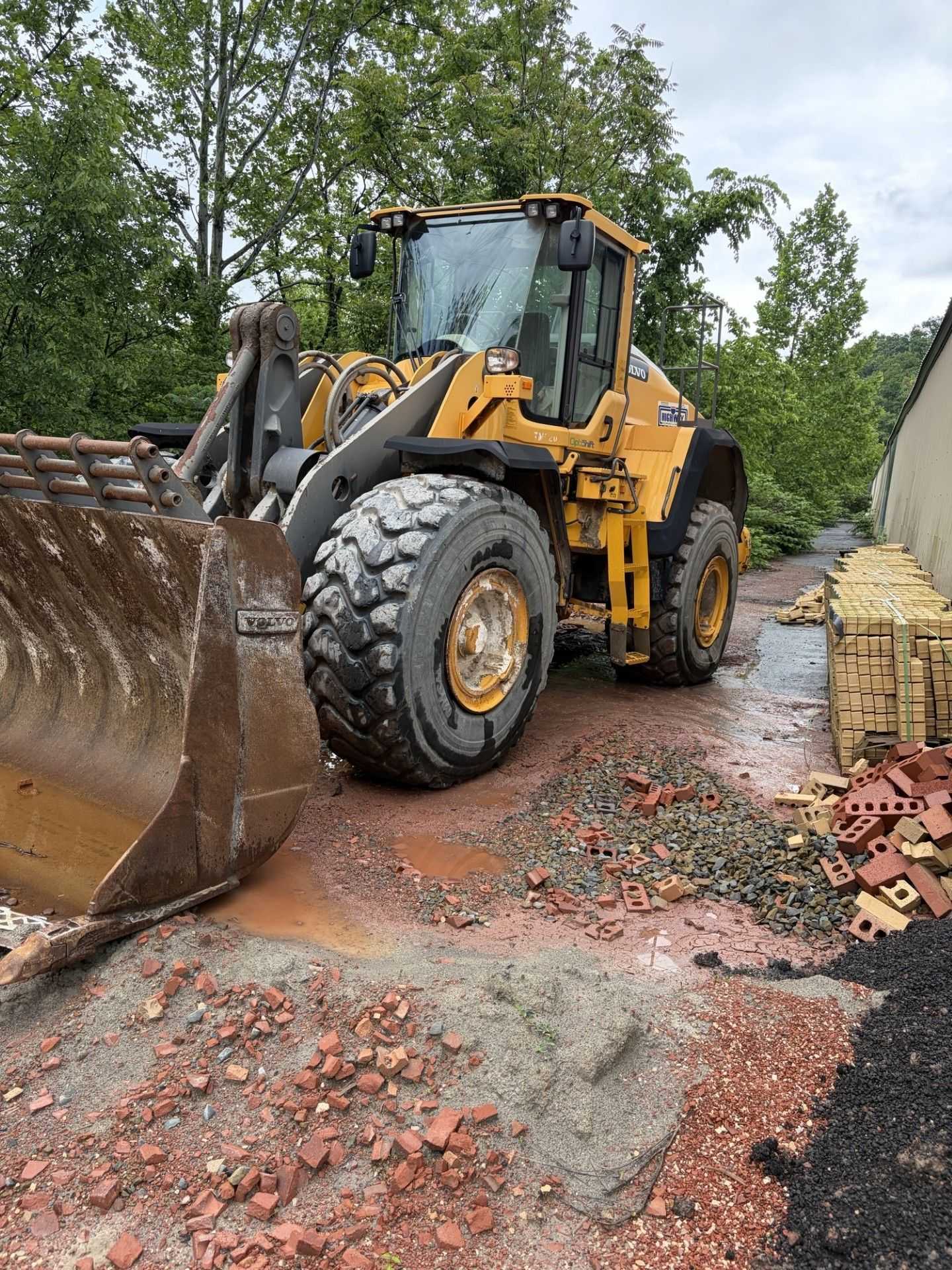
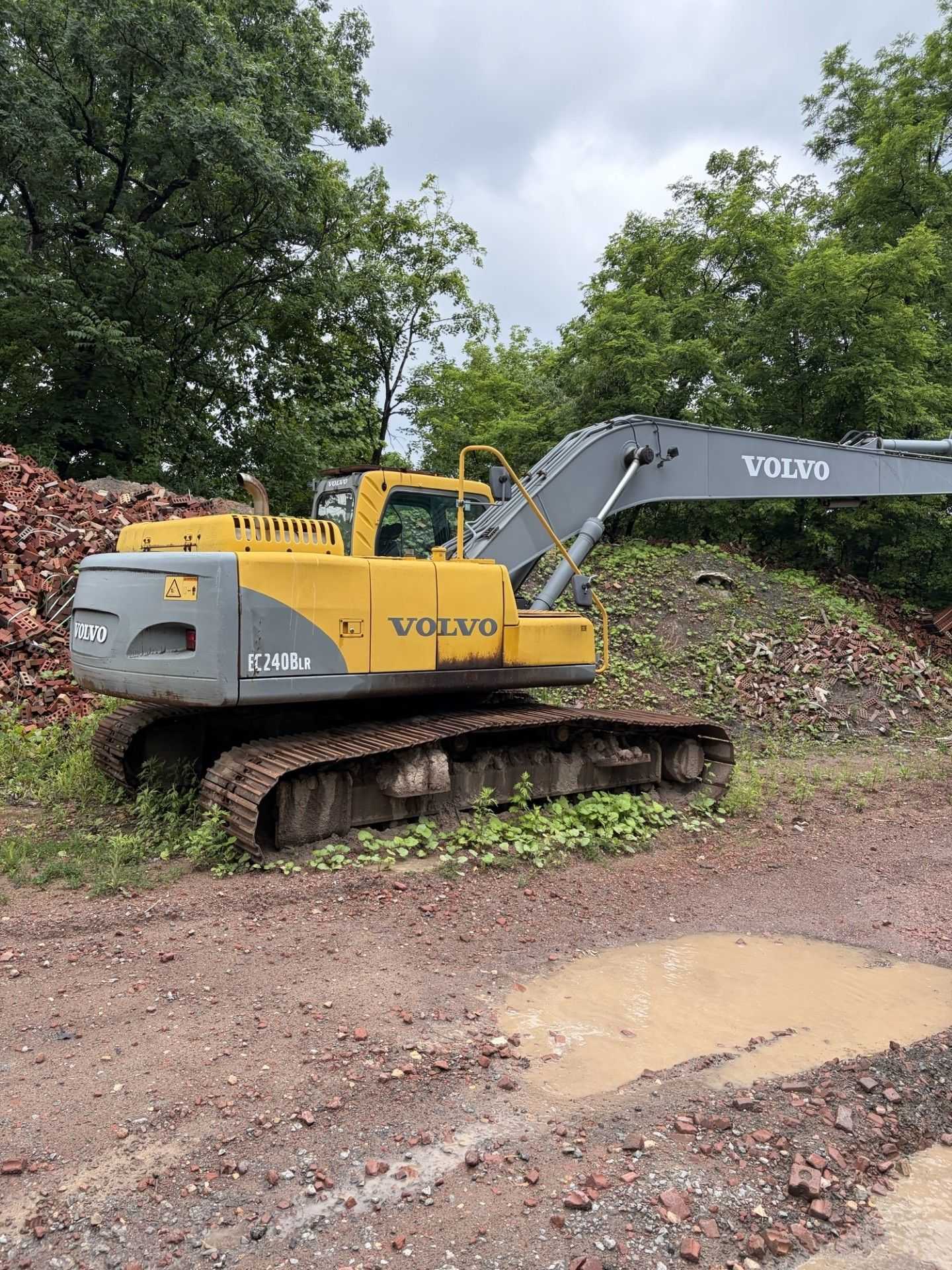
2004 Volvo EC240BLR Long Reach Crawler Excavator, 180HP, 60 ft Reach, Bucket Included
$62,894
$1,042/moPennsylvania
Specifications & Market Value
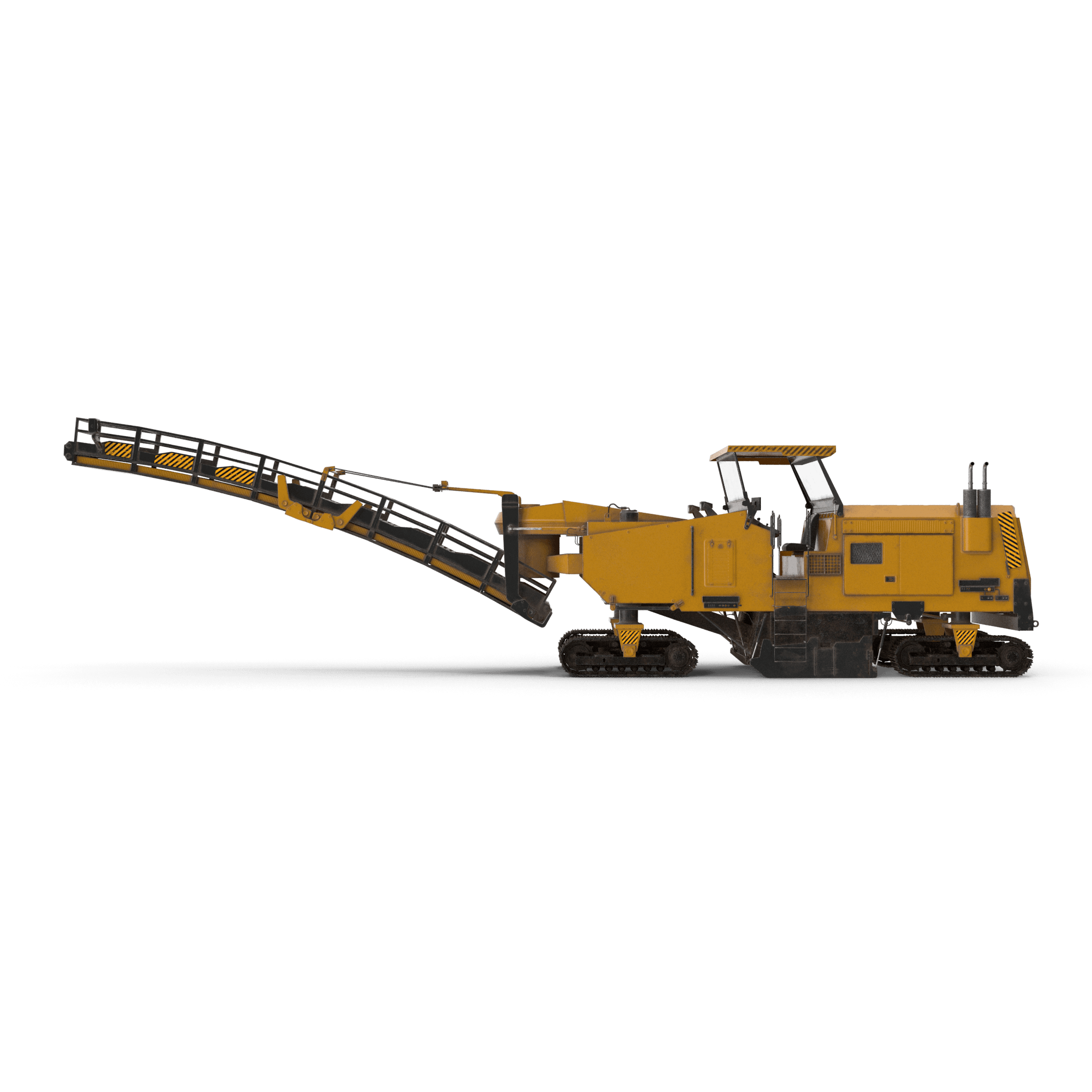
 Reference image
The Dynapac CA4600D is a static smooth drum roller designed for heavy-duty compaction in road construction, airfields, dams, and industrial projects. It features a robust 84-inch wide and 60-inch diameter drum with a 35 mm thick shell that resists wear even on rockfill surfaces. The roller has a high centrifugal force of 60,700 lbs and a low centrifugal force of 26,980 lbs, both operating at a nominal amplitude of 0.1 inches and a vibration frequency of 30 vibrations per minute, enabling deep and effective soil compaction. Powered by a 173 hp (129 kW) engine rated at 2200 rpm, it offers efficient operation with a fuel capacity of 19.1 gallons. The machine’s operating weight ranges from 29,800 lbs (ROPS equipped) to a maximum of 33,500 lbs, allowing for optimal soil pressure and compaction depth. The CA4600D supports a maximum steering angle of 38 degrees and a gradeability of 55%, ensuring good maneuverability on uneven terrain. Dimensions include a wheelbase of 122 inches, height up to 9.8 ft with ROPS/FOPS, 18 inches of curb and ground clearance, and 4 feet overhang on both front and rear. It rides on 23.1 x 26 AW tires for stability. The Dynapac CA4600D’s combination of powerful vibration, heavy static load, and durable build makes it well-suited for tough compaction tasks across various construction environments.
Specifications, market trends, and valuation estimates are compiled from manufacturer documentation, historical sales, and industry sources. While care is taken to ensure accuracy, this information is provided for reference purposes only and may contain errors or omissions. Users should independently verify all data before making buying or selling decisions. Valuations do not represent guaranteed transaction prices or binding offers, and Aucto assumes no liability for decisions made using this data.
Spot an error or missing detail? Help us keep our equipment guides accurate for the community.

 A+
A+ Auction Value
$90,000
 Range$25,000 – $125,000
 Sells in ~ 30 days
 Retail Value
—
Sells in ~ 180 days
Item functions as originally intended, shows signs of normal wear. Change the condition to see how it moves both values.
| Attribute | SelectedDYNAPAC CA4600D STATIC SMOOTH DRUM ROLLER | DYNAPAC CA260 D STATIC SMOOTH DRUM ROLLER | |
|---|---|---|---|
| OEM | DYNAPAC | DYNAPAC | |
| Model | CA4600D | CA260 D | |
| Year | - | - | |
| Drum Width | 84 '' | 84 '' | |
| Centrifugal Force | 60700 lb-ft | — | |
| Similarity | — | 99% | |
| Auction Value$25,000 - $125,000Retail Value— | Auction Value$20,000 - $70,374Retail Value— | |
| Current Machine | View Details |
Marketplace