Buy Now
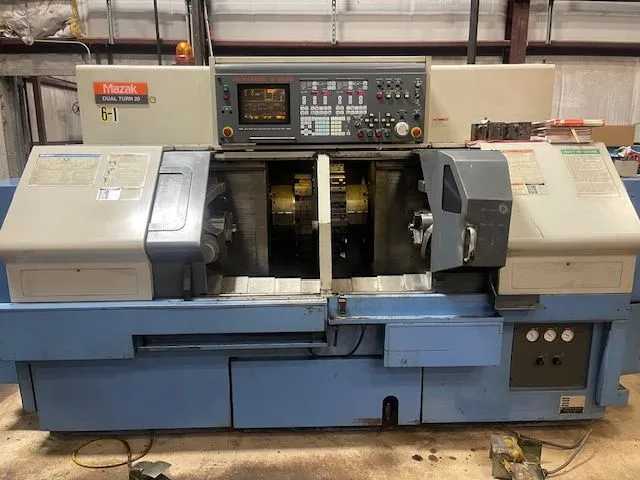
1995 Mazak Dual Turn 20 CNC Lathes, 12.6 in Turn Dia, 49.21 in Mach Len, 20 HP
$12,500
$207/moWisconsin
Specifications & Market Value
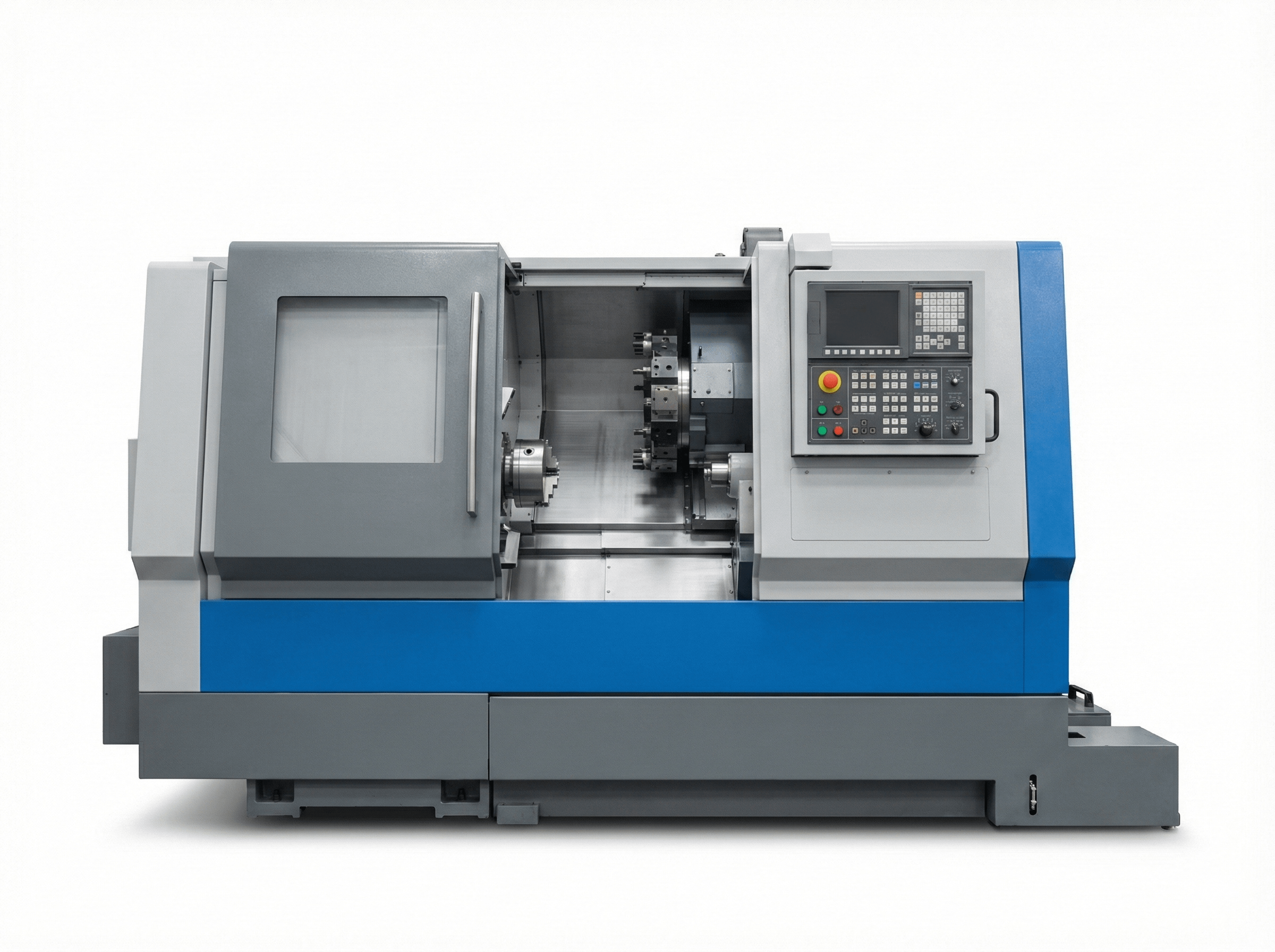
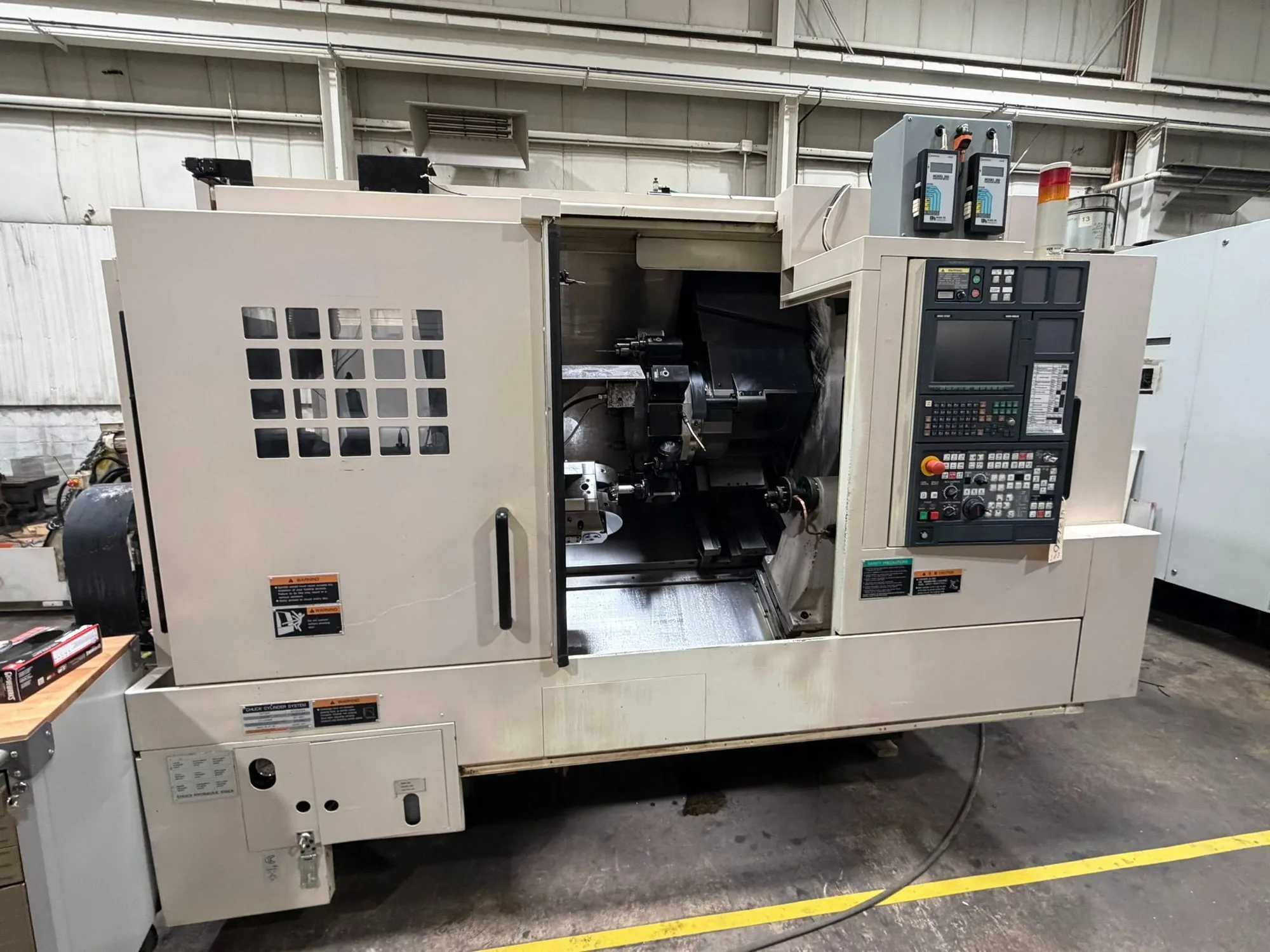
 Reference image
This CNC lathe features a 7.87-inch chuck and a bar capacity of 12.6 inches, suitable for handling medium-sized workpieces. It operates on 2 axes (X and Z), enabling precise control of diameter and length for turning operations. The machine is powered by a 20.1 hp motor with a maximum spindle speed of 3,500 RPM, allowing efficient machining of various metals. It supports a maximum turning diameter of 14.17 inches and a swing of 20.08 inches, providing flexibility for components with different sizes. The maximum machining length is 19.69 inches, accommodating relatively long parts. The inclusion of a tailstock offers additional support for longer workpieces, enhancing stability during machining. Live tooling and sub-spindle capabilities are not available, indicating this lathe is designed primarily for straightforward turning without complex milling or secondary spindle functions. The CNC control system is a FANUC 0i Mate-TD, known for its reliability and ease of use in 2-axis lathe programming. The machine’s physical footprint measures 124.33 by 59.06 by 66.93 inches and it weighs 8,818.49 lbs, characteristic of a robust industrial lathe designed for precision and durability. Overall, this lathe is well-suited for high-precision, medium-complexity turning tasks where consistent accuracy and stability are required in production environments. The 2-axis CNC configuration is ideal for symmetrical parts and offers reliable repeatability and control for a broad range of cylindrical machining applications.
Specifications, market trends, and valuation estimates are compiled from manufacturer documentation, historical sales, and industry sources. While care is taken to ensure accuracy, this information is provided for reference purposes only and may contain errors or omissions. Users should independently verify all data before making buying or selling decisions. Valuations do not represent guaranteed transaction prices or binding offers, and Aucto assumes no liability for decisions made using this data.
Spot an error or missing detail? Help us keep our equipment guides accurate for the community.

 A+
A+ Auction Value
$36,000
 Range$10,000 – $50,000
 Sells in ~ 30 days
 Retail Value
—
Sells in ~ 180 days
Item functions as originally intended, shows signs of normal wear. Change the condition to see how it moves both values.
Marketplace

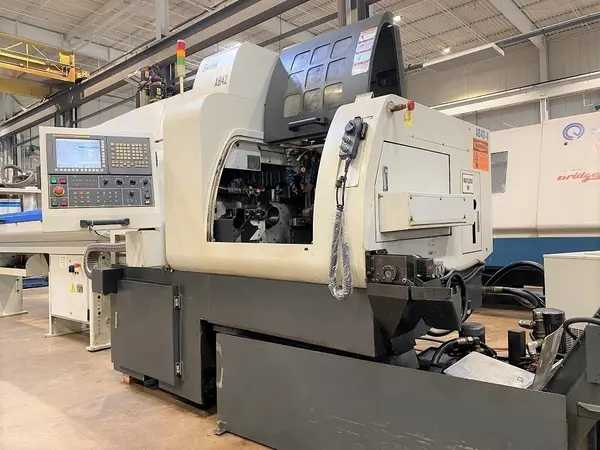
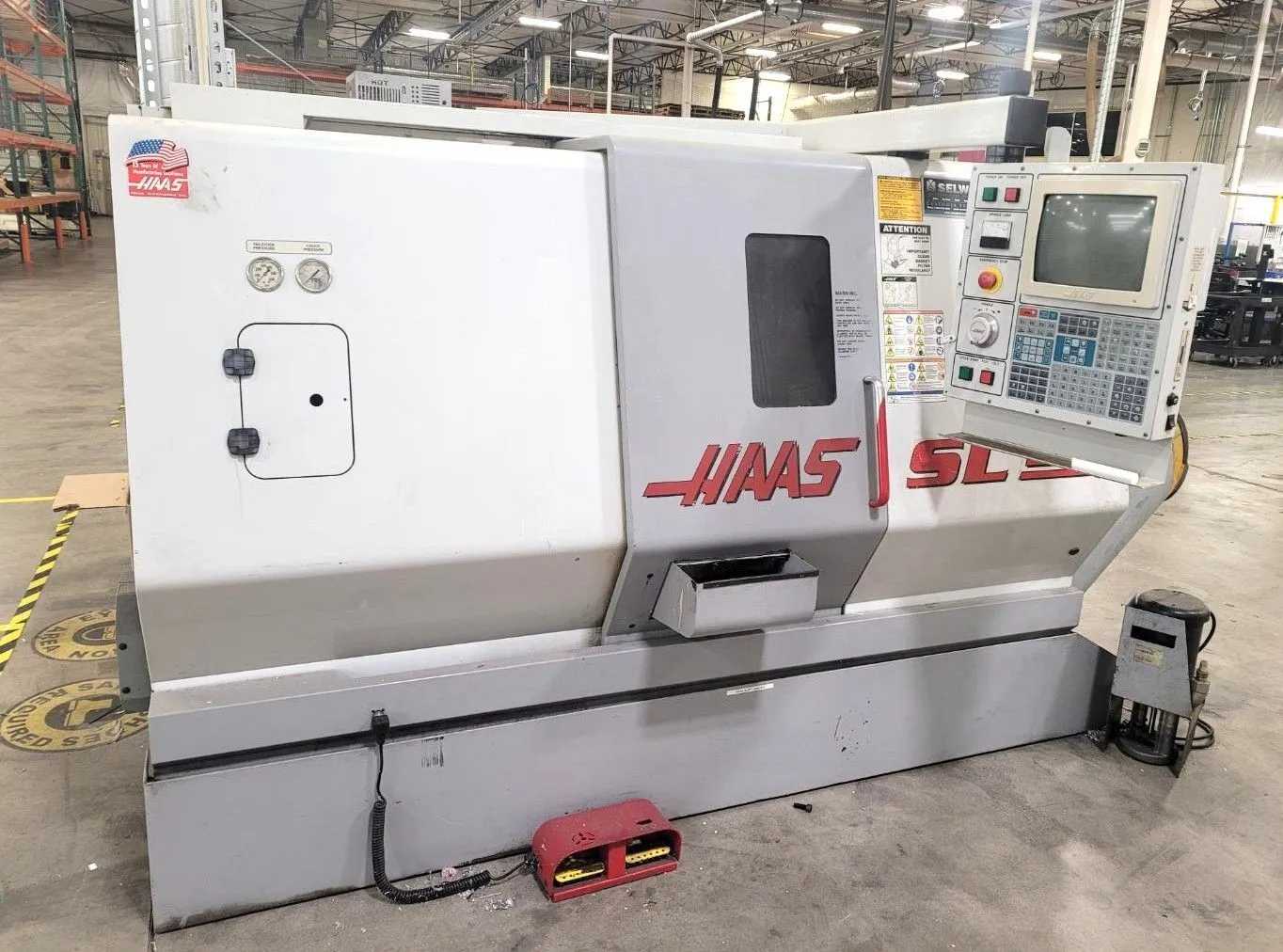
| Attribute | SelectedFORTUNE PACIFIC CNC510 CNC LATHE | FORTUNE PACIFIC CNC500 CNC LATHE | |
|---|---|---|---|
| OEM | FORTUNE PACIFIC | FORTUNE PACIFIC | |
| Model | CNC510 | CNC500 | |
| Year | - | - | |
| Max Swing | 20.08 '' | 19.69 '' | |
| Max Spindle Speed | 3500 RPM | 2250 RPM | |
| Spindle Bore Diameter | 12.60 '' | 12.60 '' | |
| Control System | FANUC OI-T | — | |
| Similarity | — | 99% | |
| Auction Value$10,000 - $50,000Retail Value— | Auction Value$5,000 - $32,000Retail Value— | |
| Current Machine | View Details |