Buy Now
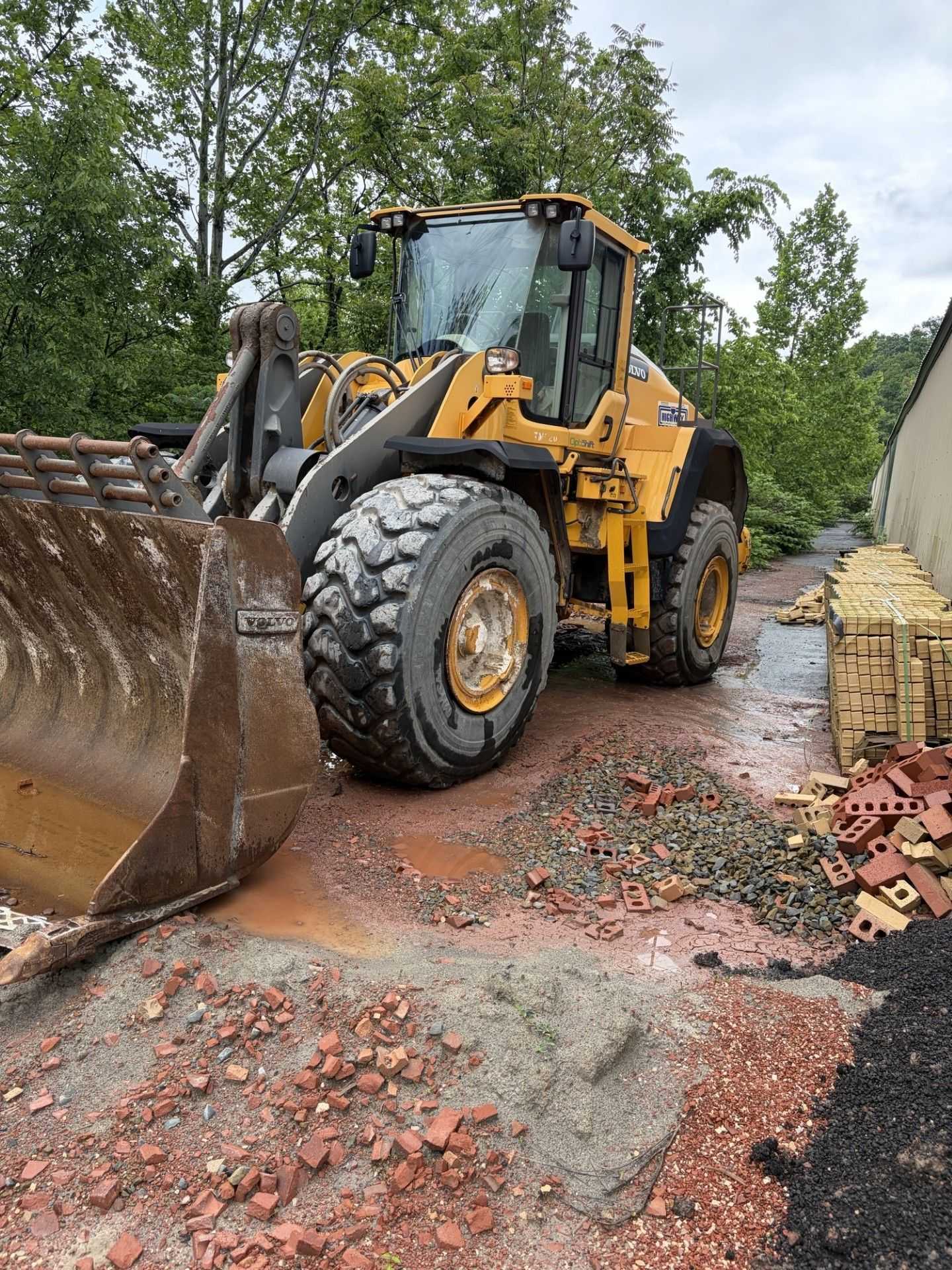
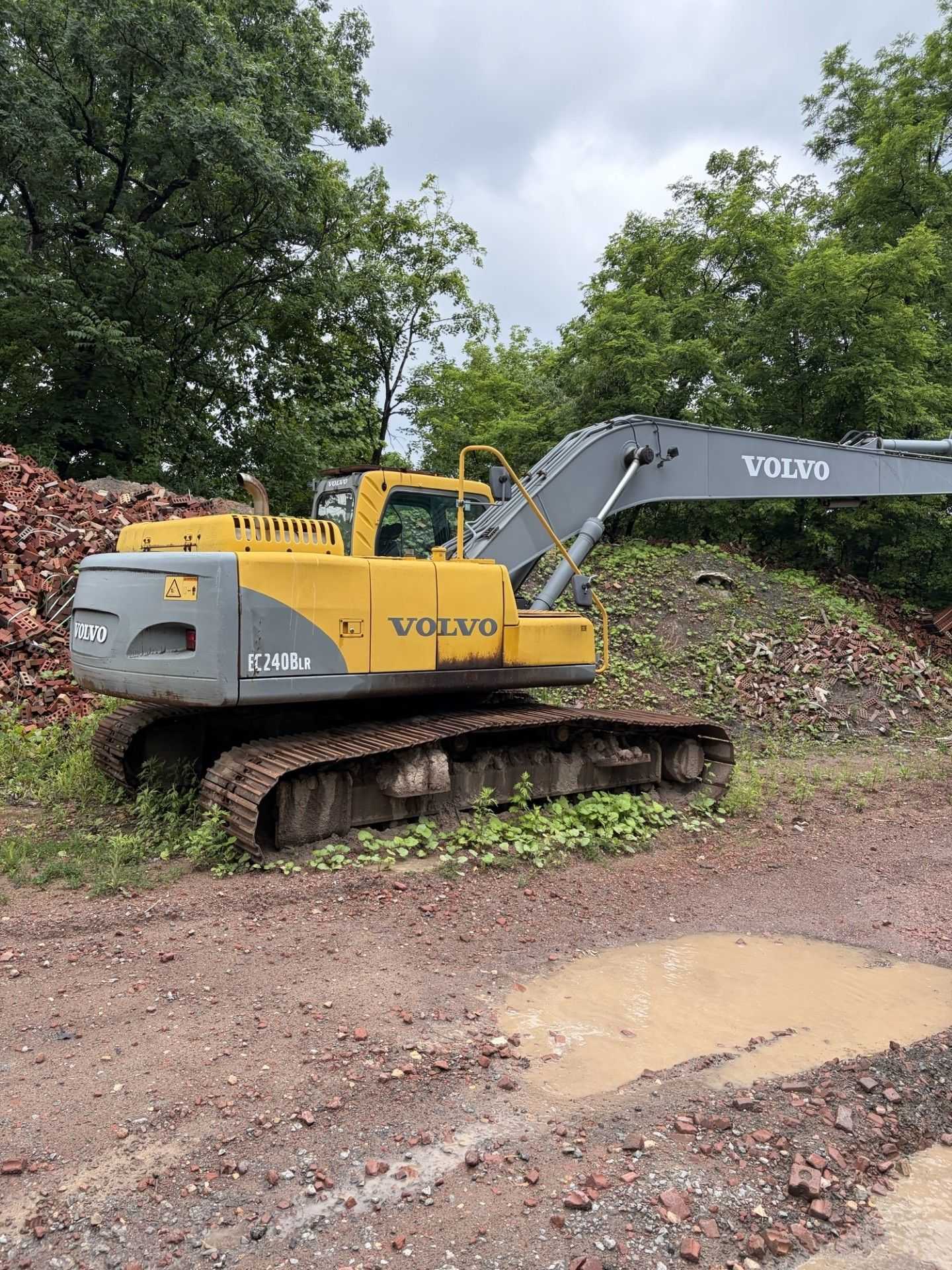
2004 Volvo EC240BLR Long Reach Crawler Excavator, 180HP, 60 ft Reach, Bucket Included
$62,894
$1,042/moPennsylvania
Specifications & Market Value
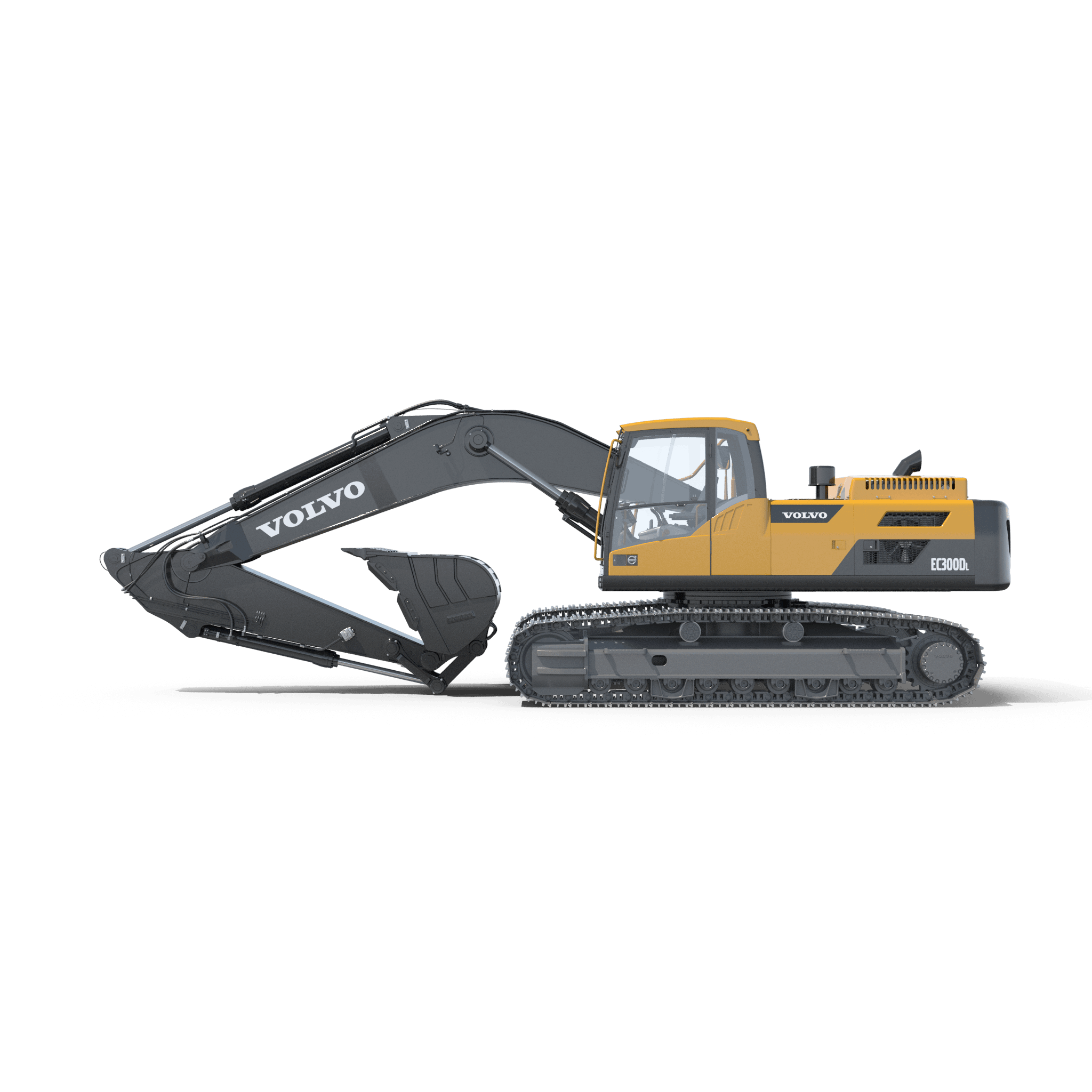
 Reference image
The Hitachi EX300-2 is a mid-sized crawler excavator engineered for versatile earthmoving applications across construction and mining operations. This machine is powered by an Isuzu 6SDITPD diesel engine, delivering 217.3 gross horsepower and 207.9 net horsepower at 2000 rpm, with maximum torque of 615.2 lb-ft at 1400 rpm. The excavator operates at a maximum travel speed of 2.7 mph with a swing mechanism capable of 12 rpm, providing efficient maneuverability on jobsites. The operating weight is approximately 63,052 lbs, distributed across a robust undercarriage featuring 47 shoes per side and 8 track rollers, generating ground pressure of 8.6 psi for superior stability on soft terrain. The machine offers three boom and stick configurations, with the standard option reaching a maximum cutting height of 32.4 feet and digging depth of 22.5 feet, while advanced configurations extend capabilities to 34.8 feet cutting height and 26.9 feet digging depth. The hydraulic system encompasses 81.9 gallons of fluid capacity with a pump flow rate of 144.3 gpm, supported by a 134.8-gallon fuel tank and 9.3-gallon engine oil capacity. Physical dimensions include a cab height of 9.9 feet, track width of 10.5 feet, and ground clearance of 1.7 feet, making it suitable for confined spaces. The EX300-2 was manufactured from 1993 to 1999 and remains a sought-after used equipment choice due to its proven reliability and durability in demanding applications.
Specifications, market trends, and valuation estimates are compiled from manufacturer documentation, historical sales, and industry sources. While care is taken to ensure accuracy, this information is provided for reference purposes only and may contain errors or omissions. Users should independently verify all data before making buying or selling decisions. Valuations do not represent guaranteed transaction prices or binding offers, and Aucto assumes no liability for decisions made using this data.
Spot an error or missing detail? Help us keep our equipment guides accurate for the community.

 A+
A+ Auction Value
$20,600
 Range$5,000 – $29,000
 Sells in ~ 30 days
 Retail Value
—
Sells in ~ 180 days
Item functions as originally intended, shows signs of normal wear. Change the condition to see how it moves both values.
| Attribute | SelectedHITACHI EX300-2 CRAWLER EXCAVATOR | HITACHI EX300H-2 CRAWLER EXCAVATOR | |
|---|---|---|---|
| OEM | HITACHI | HITACHI | |
| Model | EX300-2 | EX300H-2 | |
| Year | - | - | |
| Track Width | 23.60 '' | 23.64 '' | |
| Max Reach | 34.00 ft | 35.77 ft | |
| Boom Length | 21.0 ft | 21.0 ft | |
| Max Digging Depth | 22.5 ft | 24.3 ft | |
| Similarity | — | 99% | |
| Auction Value$5,000 - $29,000Retail Value— | Auction Value$5,000 - $29,000Retail Value— | |
| Current Machine | View Details |
Marketplace