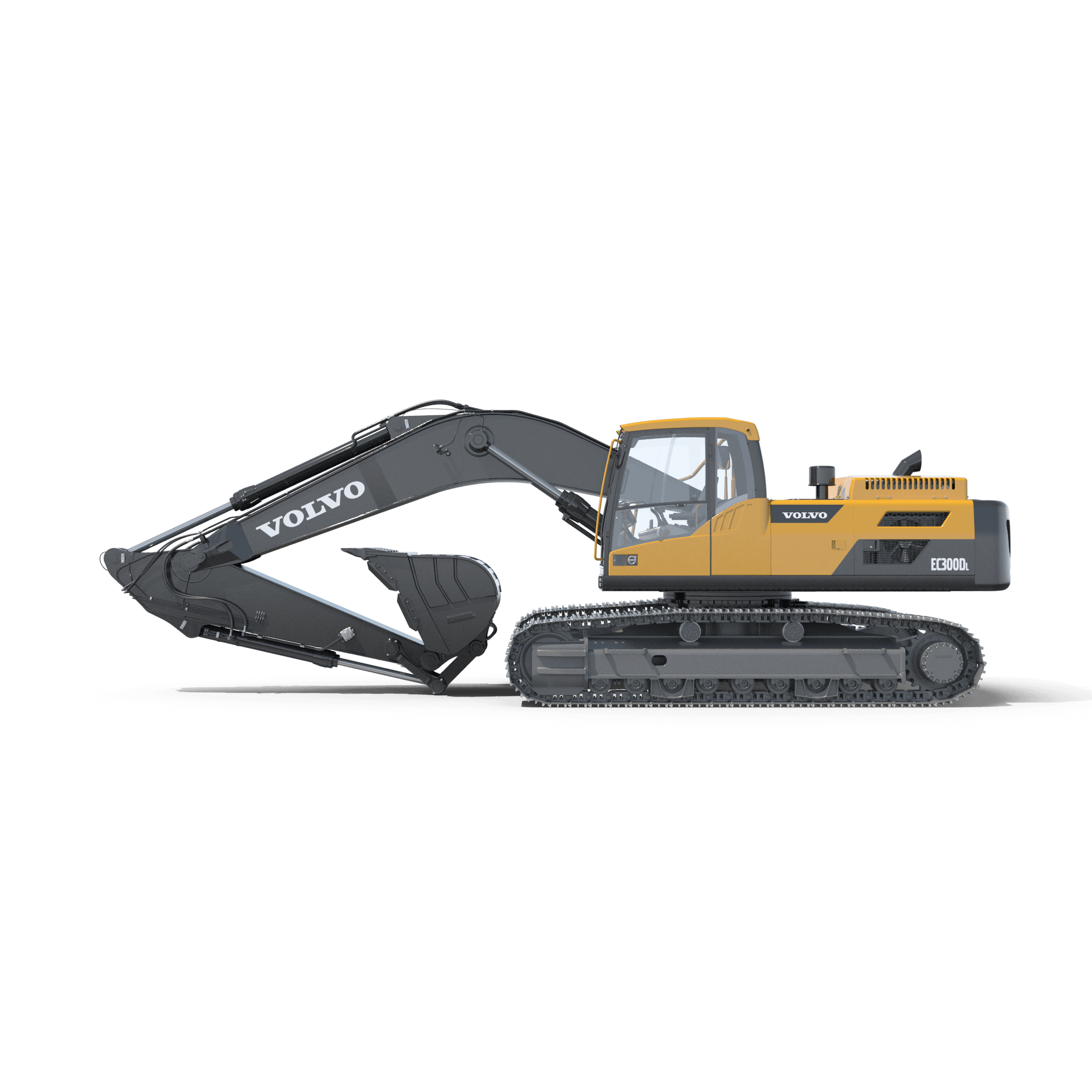
HITACHI ZX190W-3 CRAWLER EXCAVATOR
HITACHI · ZX190W-3
Specifications & Market Value
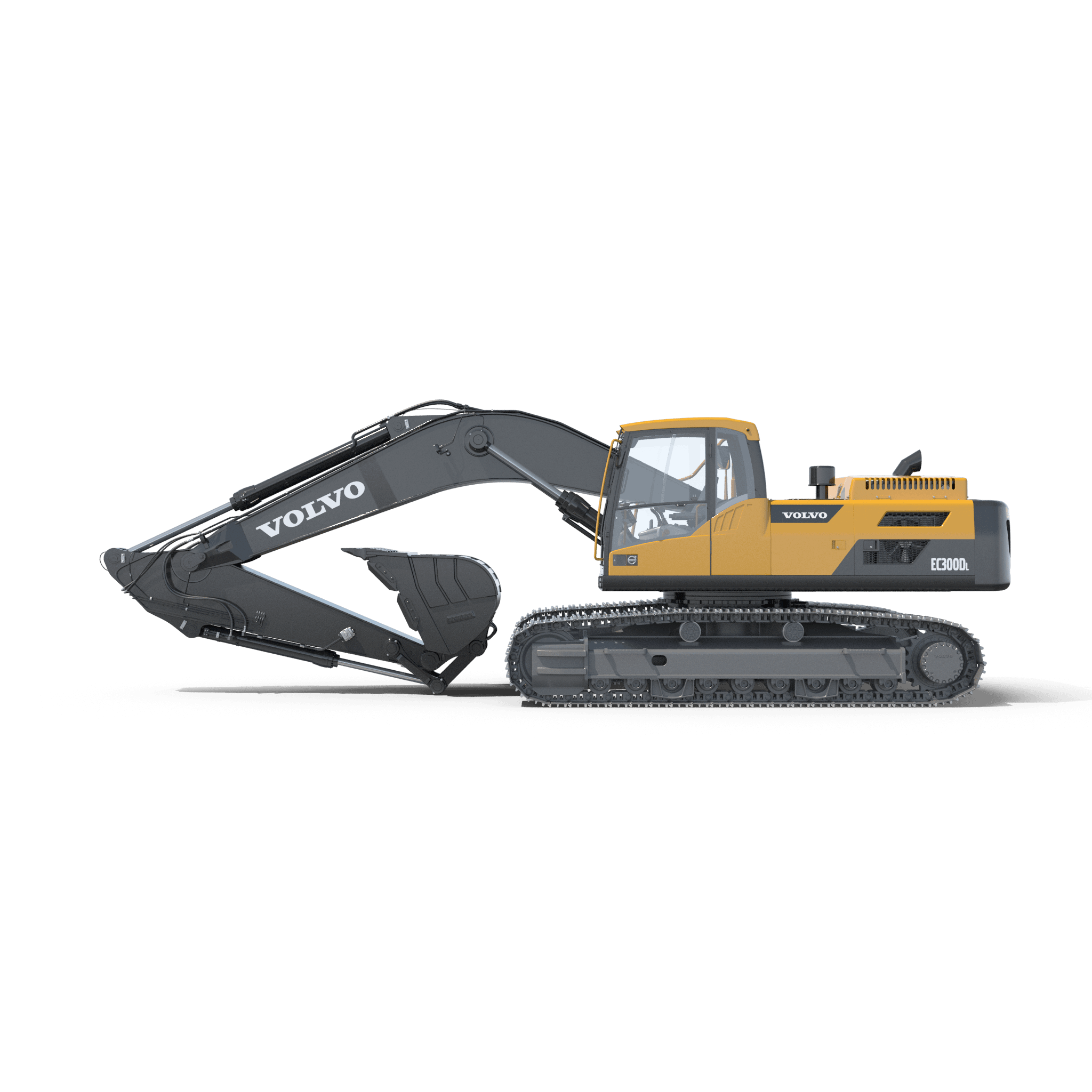
 Reference image
The Hitachi EX300LC-5 is a heavy-duty hydraulic excavator engineered for demanding construction and excavation applications. Powered by an Isuzu 6SD1T turbocharged diesel engine, this machine delivers 226.7 horsepower at 1,900 rpm, providing robust digging force across varied job sites. The excavator weighs 69,500 pounds and features a 1.9 cubic yard reference bucket capacity designed for efficient material handling. With a maximum cutting height of 33.6 feet and digging depth of 24.3 feet, the EX300LC-5 reaches depths suitable for foundation work and utility installations. Its maximum reach along ground extends to 36.5 feet, while the maximum vertical wall digging depth reaches 21.3 feet, accommodating complex excavation scenarios. The machine maintains a compact footprint with overall dimensions of 10.5 feet width and 10.3 feet cab height, essential for confined work areas. The undercarriage delivers exceptional ground pressure of 8.6 psi with a track gauge of 8.5 feet, distributing load effectively across various terrains. Maximum travel speed reaches 3.5 mph with a swing speed of 11.3 rpm, enabling efficient repositioning. The 148-gallon fuel capacity supports extended operational periods between refueling cycles. Hydraulically advanced with a system relief valve pressure of 4,980 psi, the EX300LC-5 executes precise digging and loading operations. The tail swing radius of 10.8 feet allows safe maneuvering in tight spaces, while the removable counterweight clearance of 3.9 feet facilitates transport and storage. This versatile excavator combines mobility, power, and precision for professional-grade earthmoving and construction projects.
Specifications, market trends, and valuation estimates are compiled from manufacturer documentation, historical sales, and industry sources. While care is taken to ensure accuracy, this information is provided for reference purposes only and may contain errors or omissions. Users should independently verify all data before making buying or selling decisions. Valuations do not represent guaranteed transaction prices or binding offers, and Aucto assumes no liability for decisions made using this data.
Spot an error or missing detail? Help us keep our equipment guides accurate for the community.

 A+
A+ Auction Value
$29,000
 Sells in ~ 30 days
 Retail Value
—
Sells in ~ 180 days
Item functions as originally intended, shows signs of normal wear. Change the condition to see how it moves both values.
Market Intelligence
HITACHI · ZX190W-3
HITACHI · ZX180W
LINK BELT · 210 X2
CATERPILLAR · 322C L
CASE · WX240
DOOSAN · DX210W
CATERPILLAR · 320C LN
TEREX · TXC 255LC-2