Buy Now
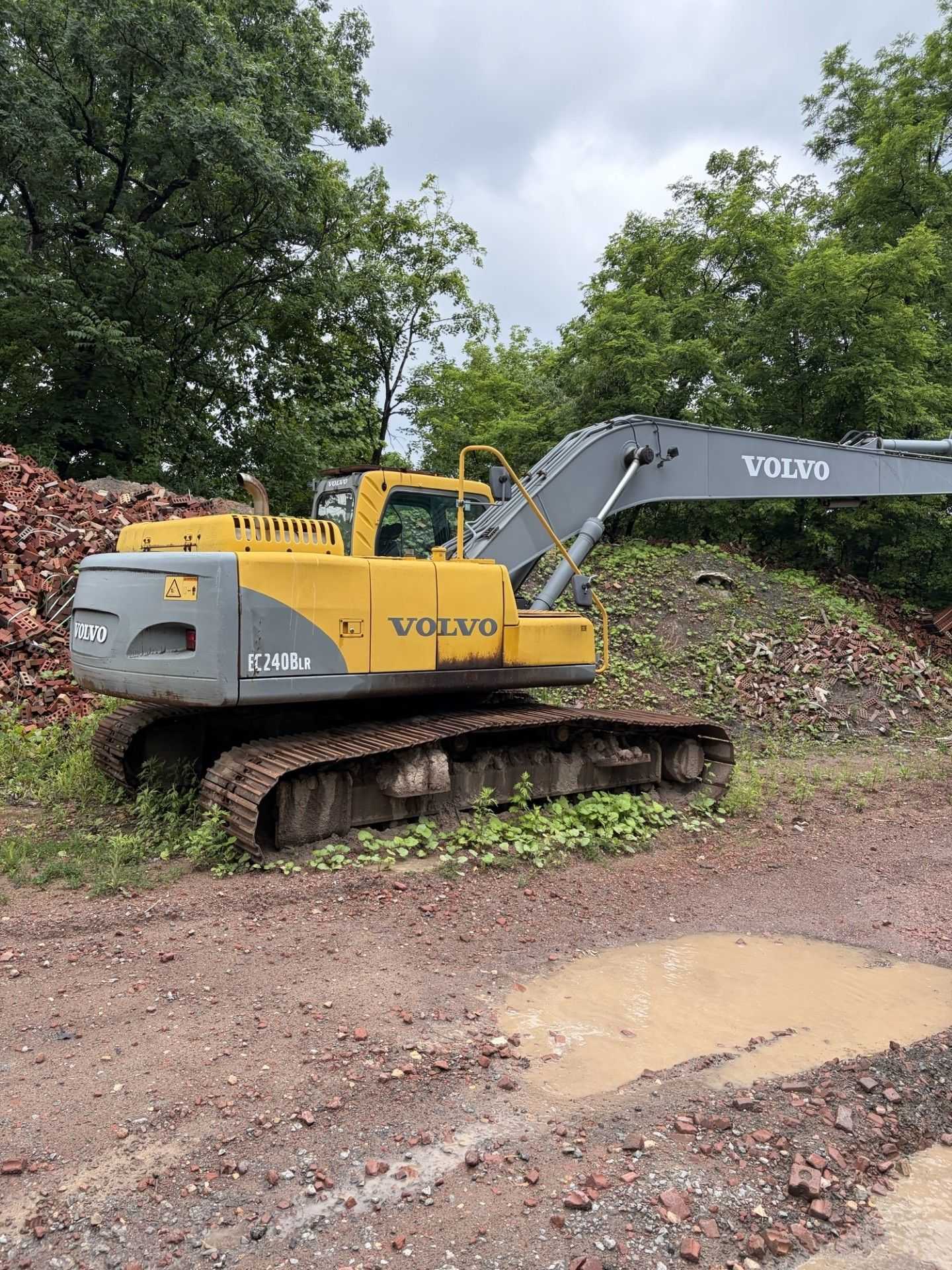
2004 Volvo EC240BLR Long Reach Crawler Excavator, 180HP, 60 ft Reach, Bucket Included
$62,894
$1,042/moPennsylvania
Specifications & Market Value
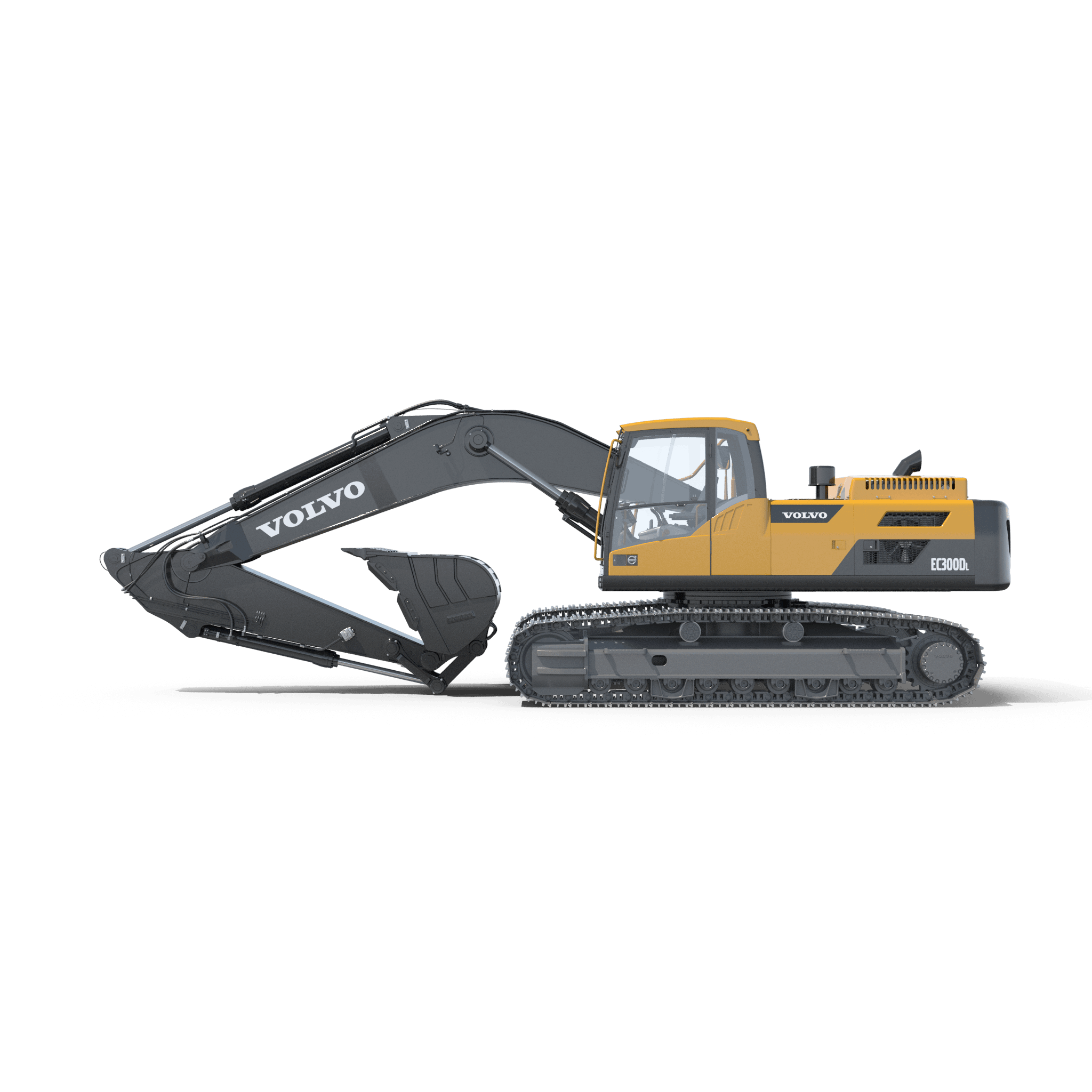
 Reference image
The Hitachi EX310LCH-3 is a robust hydraulic excavator engineered for demanding construction and excavation tasks. Featuring a turbocharged A-6SD1TQA engine with a displacement of 600 cubic inches, it delivers a net power output of 208 hp (155 kW) at 2000 rpm and a maximum torque of 615.2 lb-ft at 1400 rpm. The machine has an operating weight of 68,600 lbs and is equipped with a reference bucket capacity of 1.9 cubic yards, with options ranging from 1.6 to 2.5 cubic yards. Its Boom/Stick Excavator Option 1 configuration provides a maximum cutting height of 33.6 ft, a maximum digging depth of 24.3 ft, and a maximum reach along the ground of 35.8 ft, making it highly versatile for various digging and loading applications. The hydraulic system offers a pump flow capacity of 144.3 gpm and a relief valve pressure of 4980 psi, ensuring efficient and reliable performance. The undercarriage features a track gauge of 8.5 ft, 50 shoes per side, and a ground pressure of 8.6 psi, providing excellent stability and traction. The excavator's swing speed is 12 rpm, and it has a maximum travel speed of 3.5 mph (5 kph). With a fuel capacity of 134.8 gallons and a hydraulic system fluid capacity of 81.9 gallons, the EX310LCH-3 is designed for extended operation and minimal downtime.
Specifications, market trends, and valuation estimates are compiled from manufacturer documentation, historical sales, and industry sources. While care is taken to ensure accuracy, this information is provided for reference purposes only and may contain errors or omissions. Users should independently verify all data before making buying or selling decisions. Valuations do not represent guaranteed transaction prices or binding offers, and Aucto assumes no liability for decisions made using this data.
Spot an error or missing detail? Help us keep our equipment guides accurate for the community.

 A+
A+ Auction Value
$20,600
 Range$5,000 – $29,000
 Sells in ~ 30 days
 Retail Value
—
Sells in ~ 180 days
Item functions as originally intended, shows signs of normal wear. Change the condition to see how it moves both values.
Marketplace

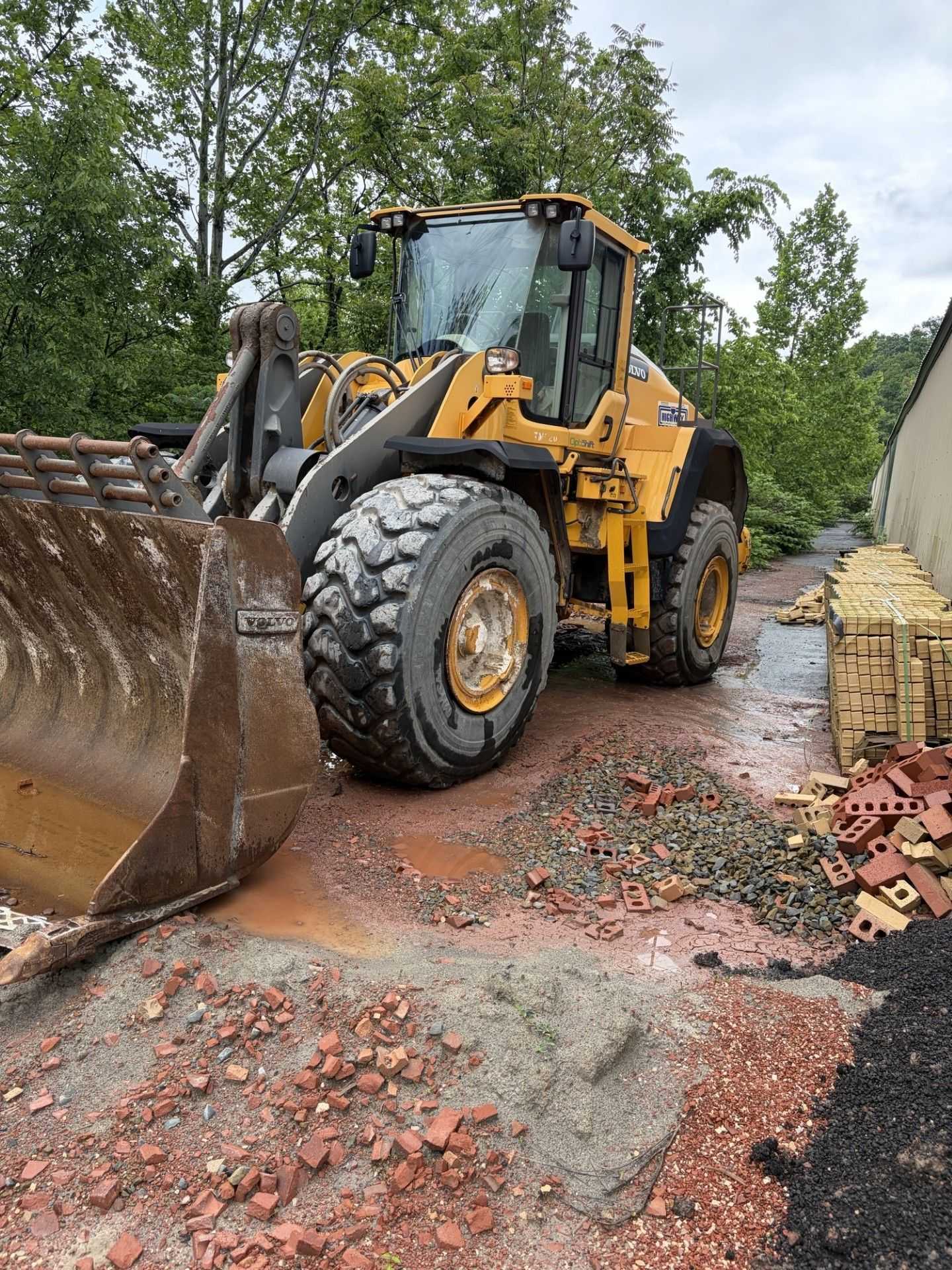
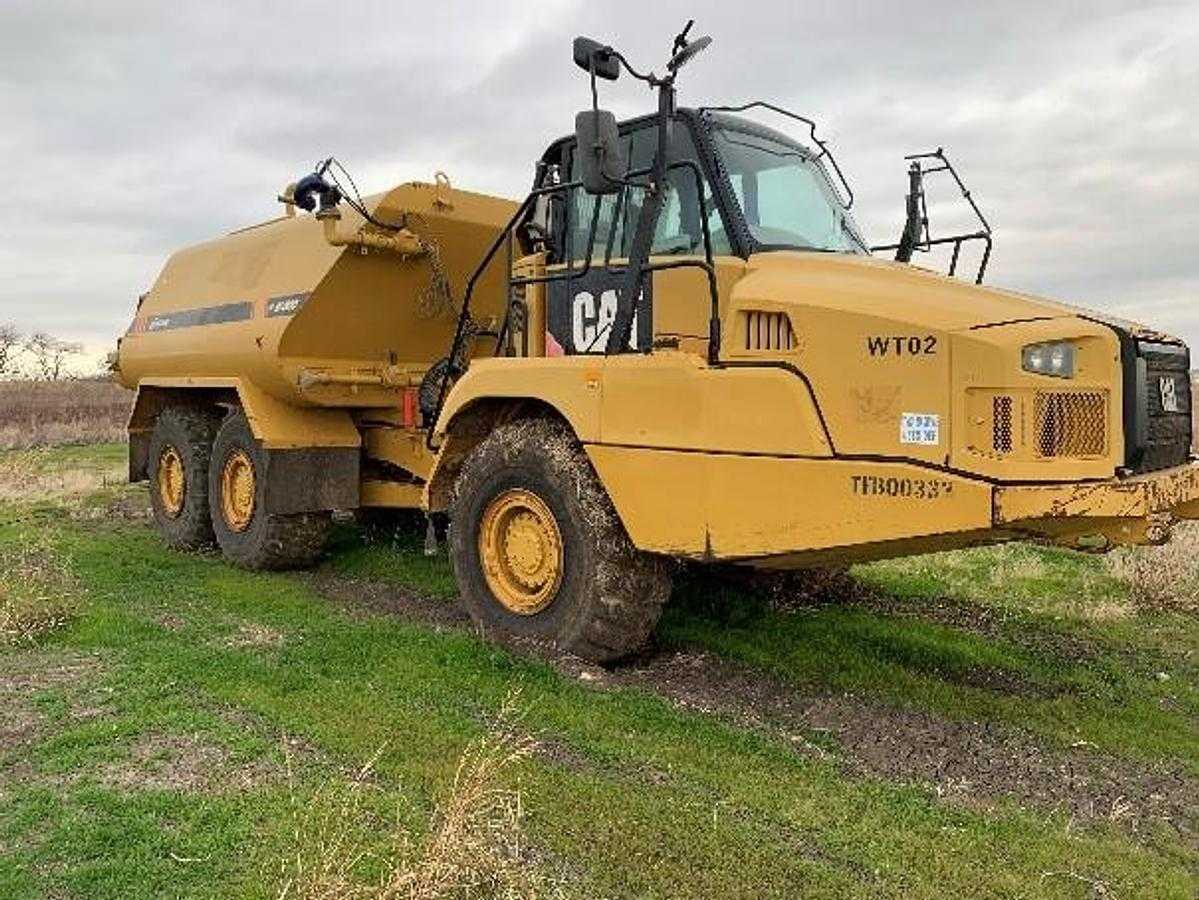
| Attribute | SelectedHITACHI EX310LCH-3 CRAWLER EXCAVATOR | HITACHI EX310H-3 CRAWLER EXCAVATOR | |
|---|---|---|---|
| OEM | HITACHI | HITACHI | |
| Model | EX310LCH-3 | EX310H-3 | |
| Year | - | - | |
| Max Reach | 35.77 ft | 33.50 ft | |
| Track Width | 35.00 '' | 126.00 '' | |
| Max Digging Depth | 24.3 ft | 24.3 ft | |
| Boom Length | 21.0 ft | — | |
| Engine Power | 208.0 HP | — | |
| Similarity | — | 99% | |
| Auction Value$5,000 - $29,000Retail Value— | Auction Value$5,000 - $29,000Retail Value— | |
| Current Machine | View Details |