Buy Now
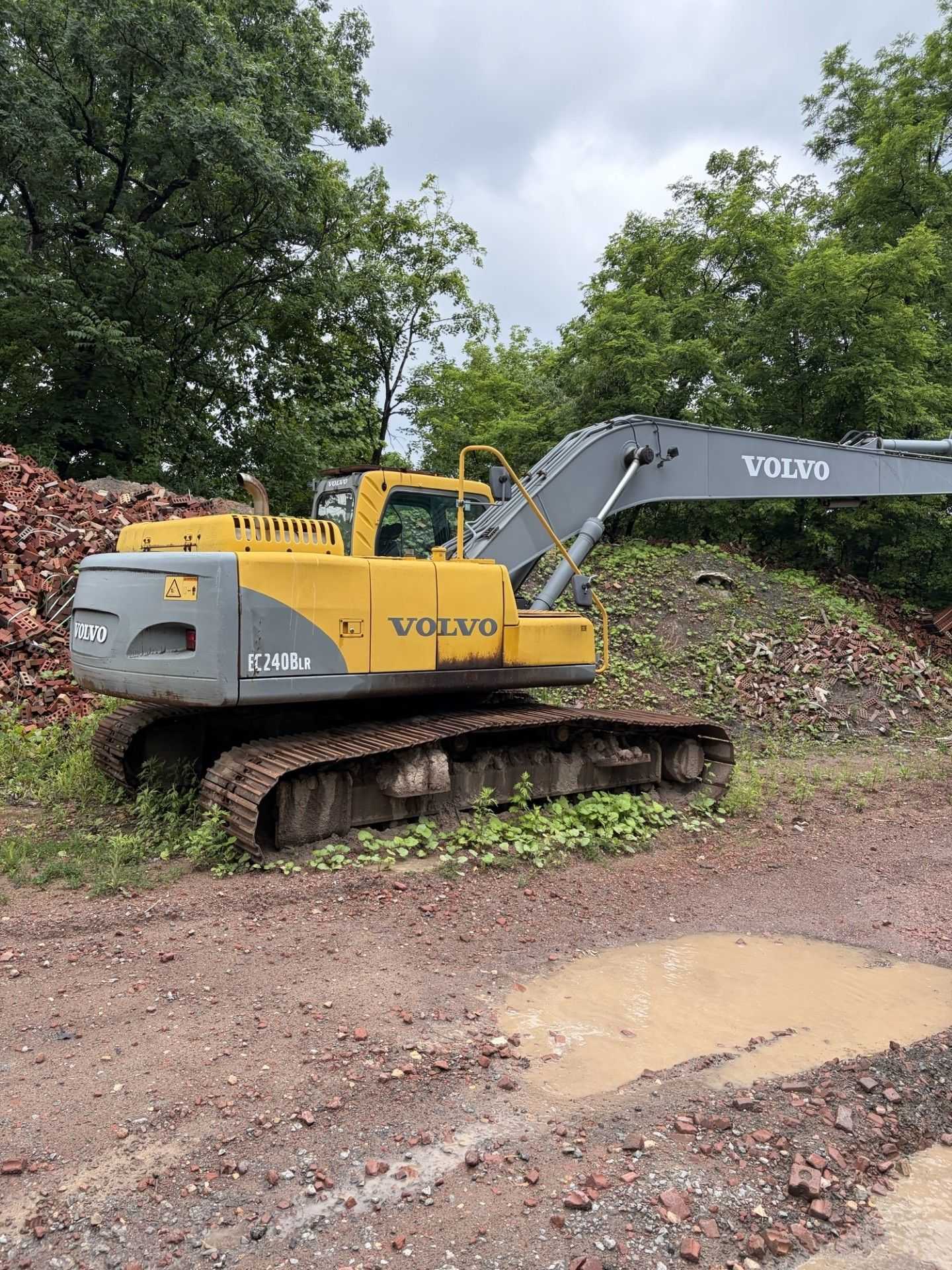
2004 Volvo EC240BLR Long Reach Crawler Excavator, 180HP, 60 ft Reach, Bucket Included
$62,894
$1,042/moPennsylvania
Specifications & Market Value
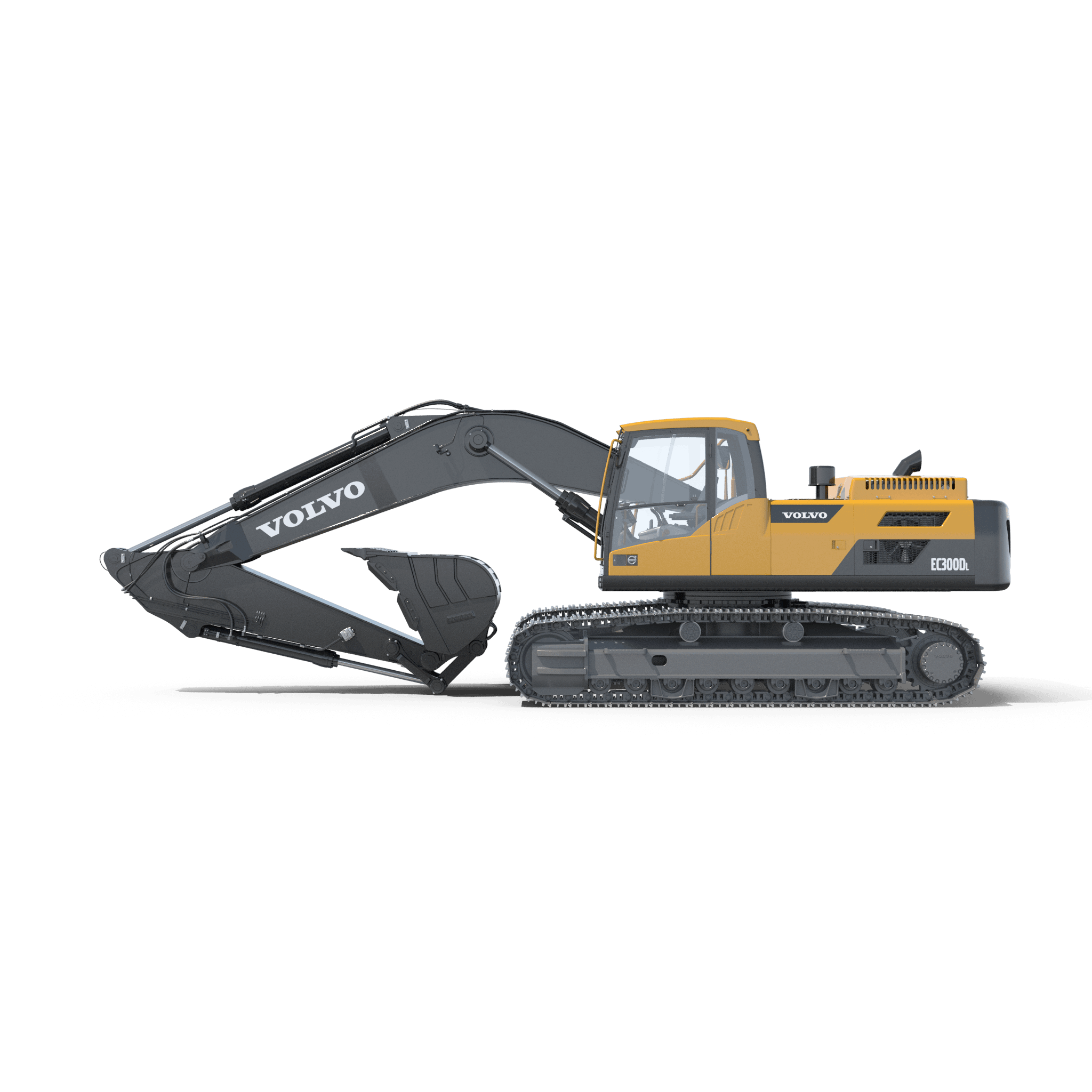
 Reference image
The Hitachi ZX225USLC is a robust hydraulic excavator designed for versatile heavy-duty applications. It features a turbocharged, intercooled AA-6BGIT engine delivering 147 hp (110 kW) at 2100 rpm, with a maximum torque of 405.7 lbs-ft at 1600 rpm. Its operating weight is approximately 24,487 kg (53,936 lb), offering a balance of power and maneuverability. The undercarriage consists of 49 shoes per side, each 23.7 inches wide, on a 7.9 ft track gauge, providing ground pressure of 7.2 psi and enabling a maximum travel speed of 3.3 mph. The swing mechanism operates at 13.3 rpm. The machine is available with three boom/stick options, varying in reach and digging depth: Option 1 provides a max cutting height of 34.7 ft and digging depth of 20.1 ft; Option 2 extends up to 36.5 ft cutting height and 22.3 ft digging depth; Option 3 offers the greatest reach with a 39.7 ft cutting height and 27.2 ft digging depth. The bucket capacity ranges from 0.7 to 1.6 cubic yards, with a reference bucket size of 1.1 cu yd. Maximum reach along ground varies between 30 and 36.8 ft depending on boom selection. Key dimensions include a height to top of cab at 9.7 ft, width over tracks of 9.9 ft, a digging depth of 22 ft, and a track length on the ground of 12.1 ft. Hydraulic system capacity is 52.9 gallons, with a pump flow of 102.5 gpm and relief valve pressure rated at 4980 psi. Fuel capacity stands at 71.4 gallons. This combination of hydraulic power, structural dimensions, and engine output enables the ZX225USLC to perform precise digging, loading, and material handling tasks effectively in confined spaces and demanding environments.
Specifications, market trends, and valuation estimates are compiled from manufacturer documentation, historical sales, and industry sources. While care is taken to ensure accuracy, this information is provided for reference purposes only and may contain errors or omissions. Users should independently verify all data before making buying or selling decisions. Valuations do not represent guaranteed transaction prices or binding offers, and Aucto assumes no liability for decisions made using this data.
Spot an error or missing detail? Help us keep our equipment guides accurate for the community.

 A+
A+ Auction Value
$70,175
 Range$25,000 – $94,500
 Sells in ~ 30 days
 Retail Value
—
Sells in ~ 180 days
Item functions as originally intended, shows signs of normal wear. Change the condition to see how it moves both values.
| Attribute | SelectedHITACHI ZX225USLC CRAWLER EXCAVATOR | HITACHI ZX225USRLC CRAWLER EXCAVATOR | |
|---|---|---|---|
| OEM | HITACHI | HITACHI | |
| Model | ZX225USLC | ZX225USRLC | |
| Year | - | - | |
| Max Reach | 30.00 ft | 32.00 ft | |
| Max Digging Depth | 20.1 ft | 19.7 ft | |
| Track Width | 23.60 '' | — | |
| Boom Length | 18.6 ft | — | |
| Similarity | — | 100% | |
| Auction Value$25,000 - $94,500Retail Value— | Auction Value$25,000 - $94,500Retail Value— | |
| Current Machine | View Details |
Marketplace