Buy Now
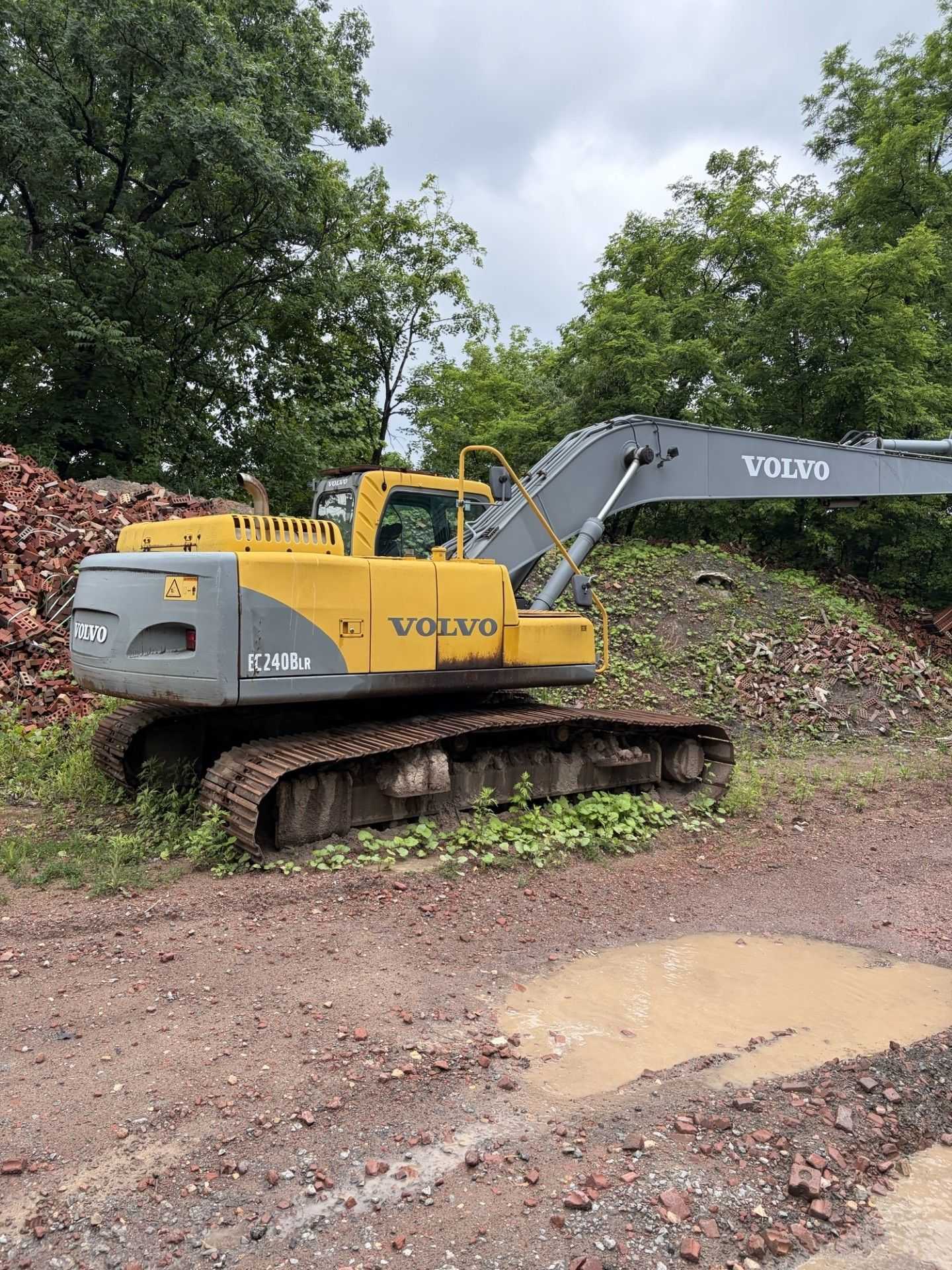
2004 Volvo EC240BLR Long Reach Crawler Excavator, 180HP, 60 ft Reach, Bucket Included
$62,894
$1,042/moPennsylvania
Specifications & Market Value
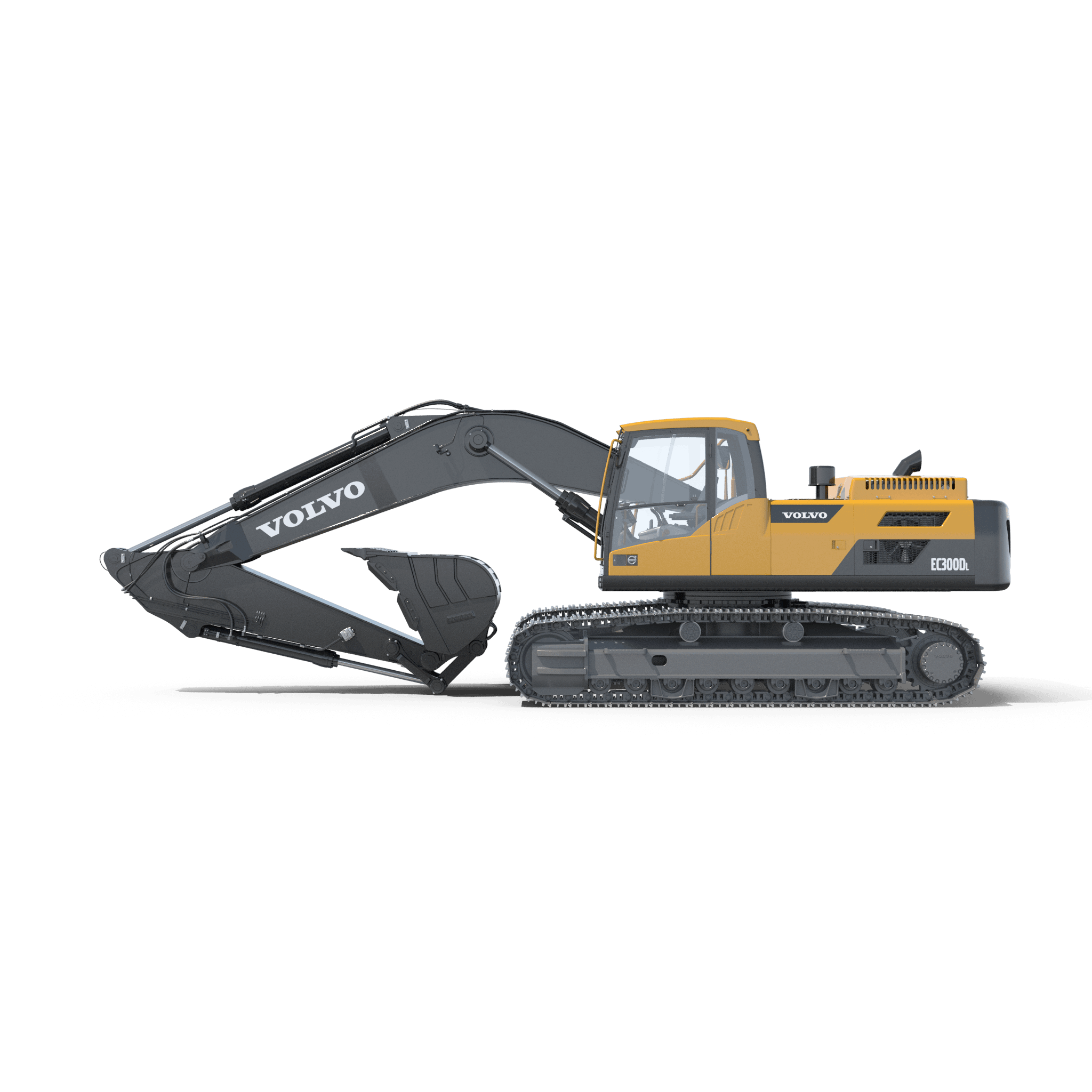
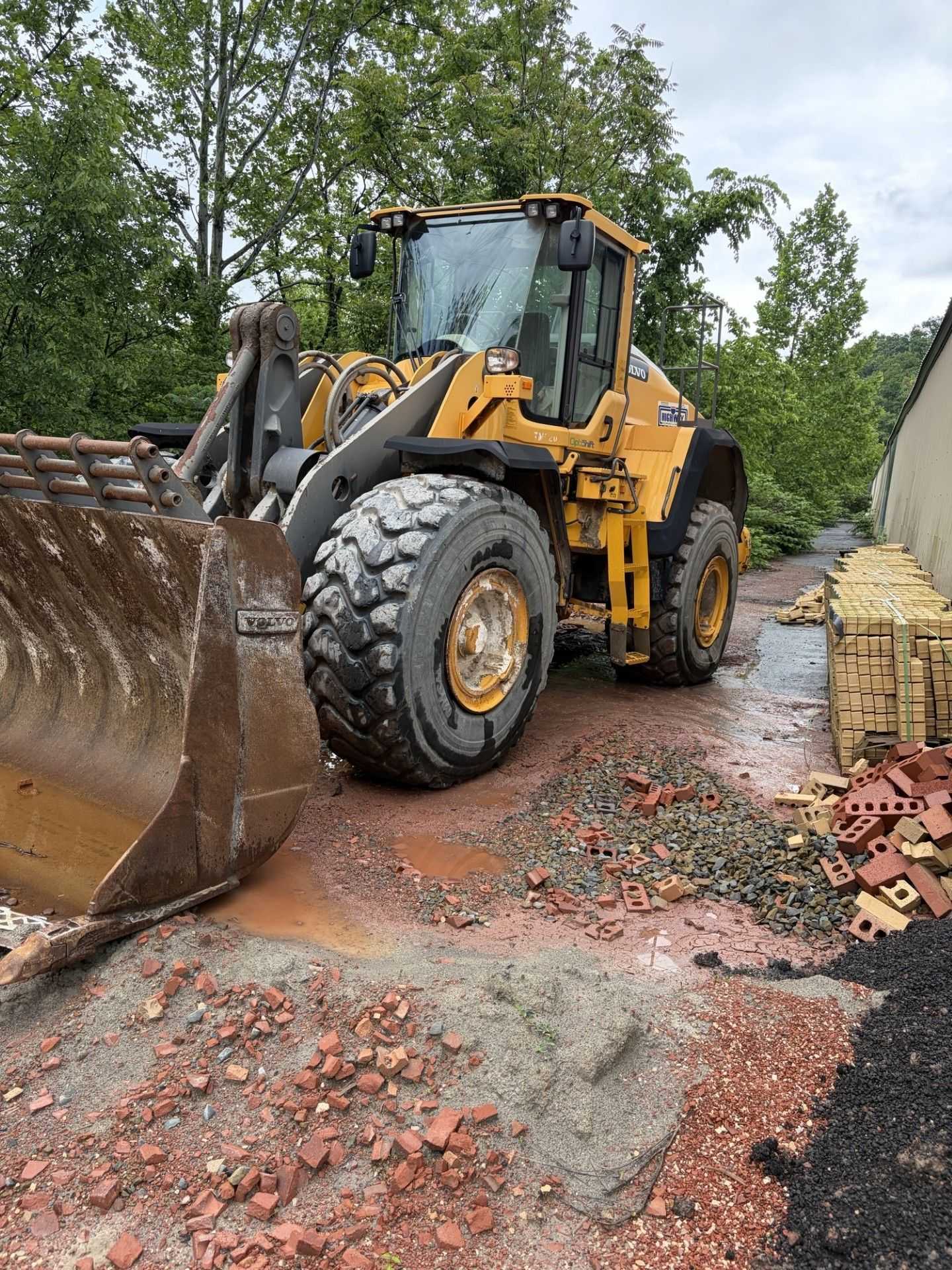
 Reference image
The Hitachi ZX345USLC-6 is a medium-to-large crawler excavator engineered for versatile construction applications, powered by an Isuzu 6HK1 turbocharged engine delivering 249 hp at 1,900 rpm while meeting EPA Final Tier 4 and EU Stage IV emissions standards. This reduced-tail-swing machine features an operating weight of 79,146 lbs with a reinforced undercarriage incorporating 49 shoes per side and dual carrier rollers, providing exceptional ground stability at 7.3 psi ground pressure. The excavator offers dual boom configurations: Option 1 achieves a maximum digging depth of 22.8 feet with 29.7 feet ground reach, while Option 2 extends to 24.9 feet depth with 37.6 feet reach, both delivering bucket digging forces of 45,411 lbf (ISO). Hydraulic performance is managed through three variable-displacement axial-piston pumps operating at 5,033-5,511 psi with 62.4 gal/min flow capacity, utilizing open-center load-sensing controls via pilot levers. The machine achieves a maximum travel speed of 2.6 mph with gradeability up to 70% and 133.5-inch swing radius, ideal for confined jobsites. Onboard capacities include a 100.4-gallon fuel tank and 87.2-gallon hydraulic system, supported by a robust 24-volt electrical system with 50-amp alternator. Premium operator amenities encompass automatic climate control, heated/cooled seating, 360° visibility, and advanced telematics integration, ensuring enhanced productivity and comfort across varied terrain applications.
Specifications, market trends, and valuation estimates are compiled from manufacturer documentation, historical sales, and industry sources. While care is taken to ensure accuracy, this information is provided for reference purposes only and may contain errors or omissions. Users should independently verify all data before making buying or selling decisions. Valuations do not represent guaranteed transaction prices or binding offers, and Aucto assumes no liability for decisions made using this data.
Spot an error or missing detail? Help us keep our equipment guides accurate for the community.

 A+
A+ Auction Value
$68,875
 Range$25,000 – $92,500
 Sells in ~ 30 days
 Retail Value
—
Sells in ~ 180 days
Item functions as originally intended, shows signs of normal wear. Change the condition to see how it moves both values.
| Attribute | SelectedHITACHI ZX345USLC-6 CRAWLER EXCAVATOR | HITACHI ZX225USLC-3 CRAWLER EXCAVATOR | |
|---|---|---|---|
| OEM | HITACHI | HITACHI | |
| Model | ZX345USLC-6 | ZX225USLC-3 | |
| Year | - | - | |
| Max Digging Depth | 22.8 ft | 20.4 ft | |
| Max Reach | 36.60 ft | 30.60 ft | |
| Similarity | — | 99% | |
| Auction Value$25,000 - $92,500Retail Value— | Auction Value$25,000 - $94,500Retail Value— | |
| Current Machine | View Details |
Marketplace