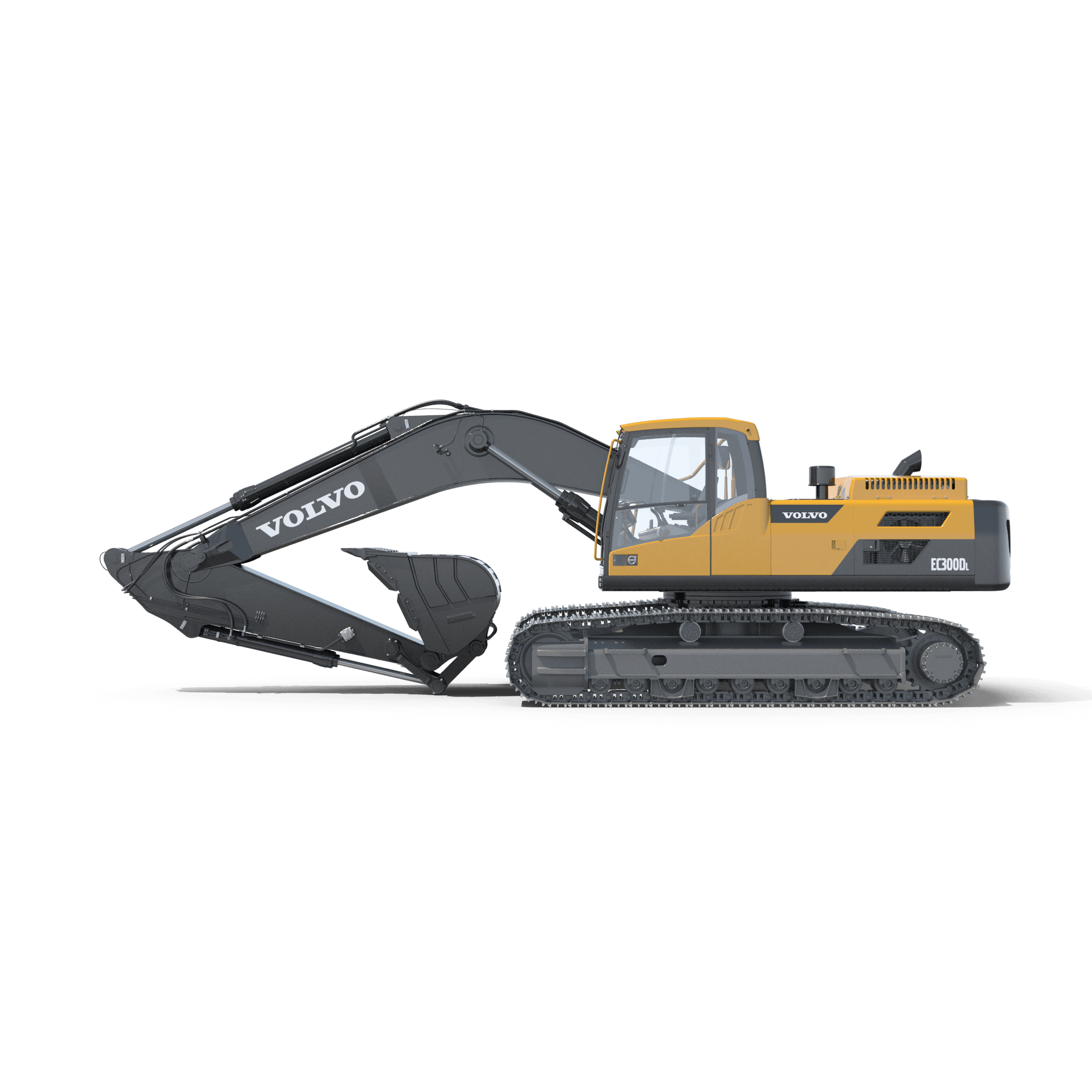
HITACHI ZX190W-3 CRAWLER EXCAVATOR
HITACHI · ZX190W-3
Specifications & Market Value
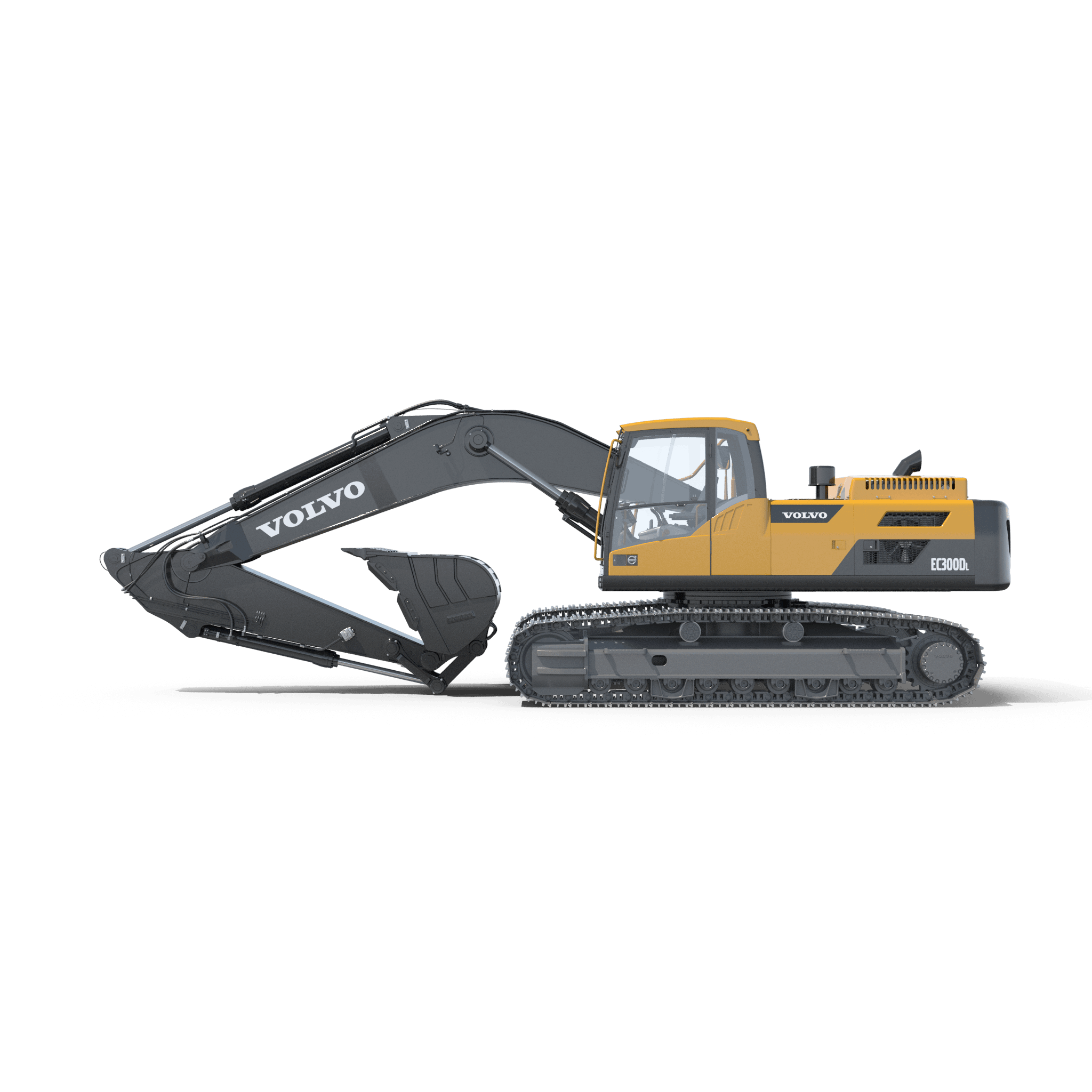
 Reference image
The Hyundai ROBEX 180LC-9 is a robust excavator designed for demanding construction and excavation tasks. Powered by a Mitsubishi D04FD-TAA engine, this 4-cylinder, turbocharged, charge air-cooled diesel engine delivers a net power output of 121 hp (90 kW), ensuring efficient performance with a balance of power and fuel economy. The engine’s design incorporates an intercooler and is water-cooled to maintain optimal operating temperatures under heavy workloads. The excavator’s operating weight is approximately 41,005 lbs (18.6 metric tons), providing a stable platform for heavy-duty digging and lifting operations. The boom and stick configuration of the ROBEX 180LC-9 allows for a maximum digging depth of 21.5 feet and a maximum reach along the ground of 31 feet, enabling it to tackle a wide range of excavation depths and materials. Its hydraulic system is engineered for smooth and precise control, enhancing operator productivity and machine responsiveness on-site. The excavator includes advanced features such as computer-aided power optimization (CAPO), which aligns engine and hydraulic outputs for job-specific efficiency and power distribution. The operator cabin is ergonomically designed with adjustable suspension seating and centralized monitoring for essential diagnostics, increasing comfort and operational awareness. Overall, the Hyundai ROBEX 180LC-9 offers a combination of powerful engine performance, extensive digging reach, and advanced hydraulic technology, making it suitable for construction, mining, and heavy forestry applications requiring reliable and efficient excavator performance.
Specifications, market trends, and valuation estimates are compiled from manufacturer documentation, historical sales, and industry sources. While care is taken to ensure accuracy, this information is provided for reference purposes only and may contain errors or omissions. Users should independently verify all data before making buying or selling decisions. Valuations do not represent guaranteed transaction prices or binding offers, and Aucto assumes no liability for decisions made using this data.
Spot an error or missing detail? Help us keep our equipment guides accurate for the community.

 A+
A+ Auction Value
$32,600
 Sells in ~ 30 days
 Retail Value
—
Sells in ~ 180 days
Item functions as originally intended, shows signs of normal wear. Change the condition to see how it moves both values.
Market Intelligence
HITACHI · ZX190W-3
HITACHI · ZX180W
LINK BELT · 210 X2
CATERPILLAR · 322C L
CASE · WX240
DOOSAN · DX210W
CATERPILLAR · 320C LN
TEREX · TXC 255LC-2