Buy Now
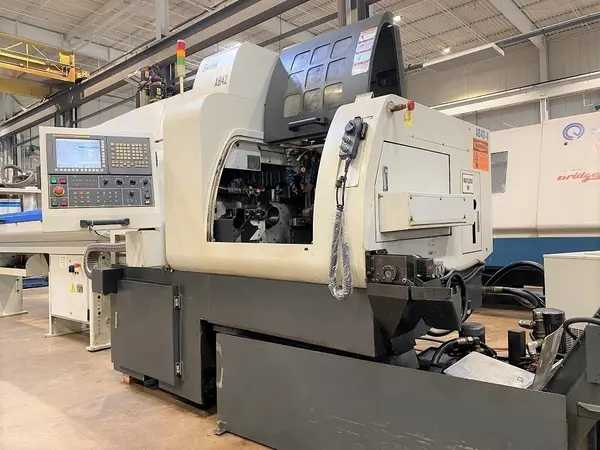
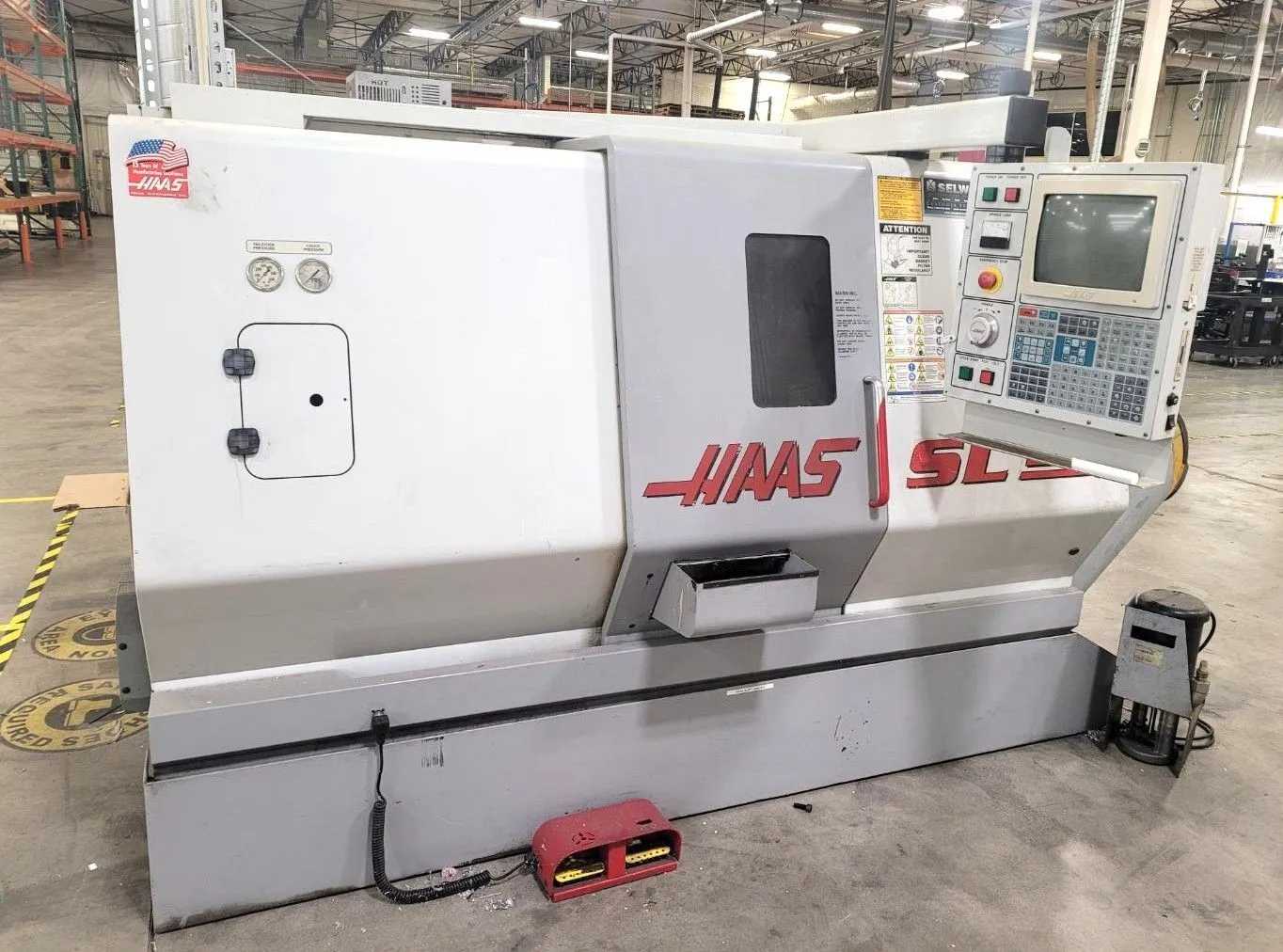
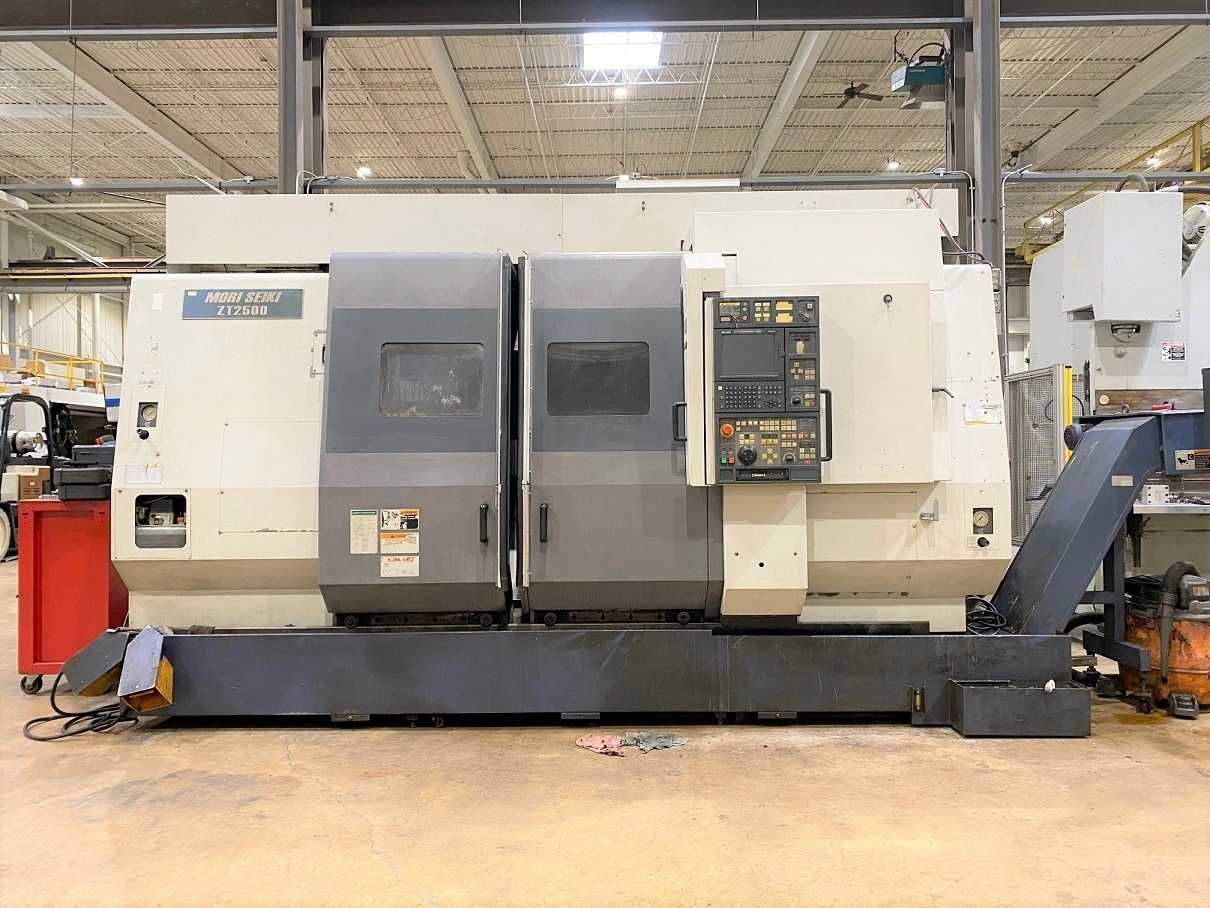
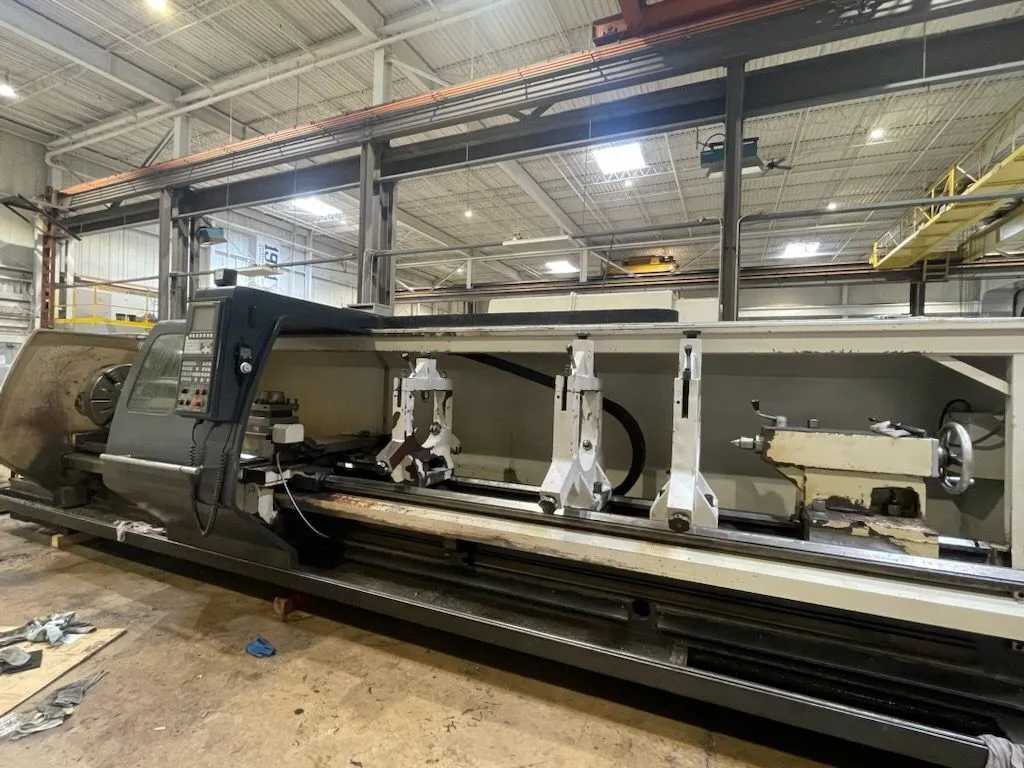
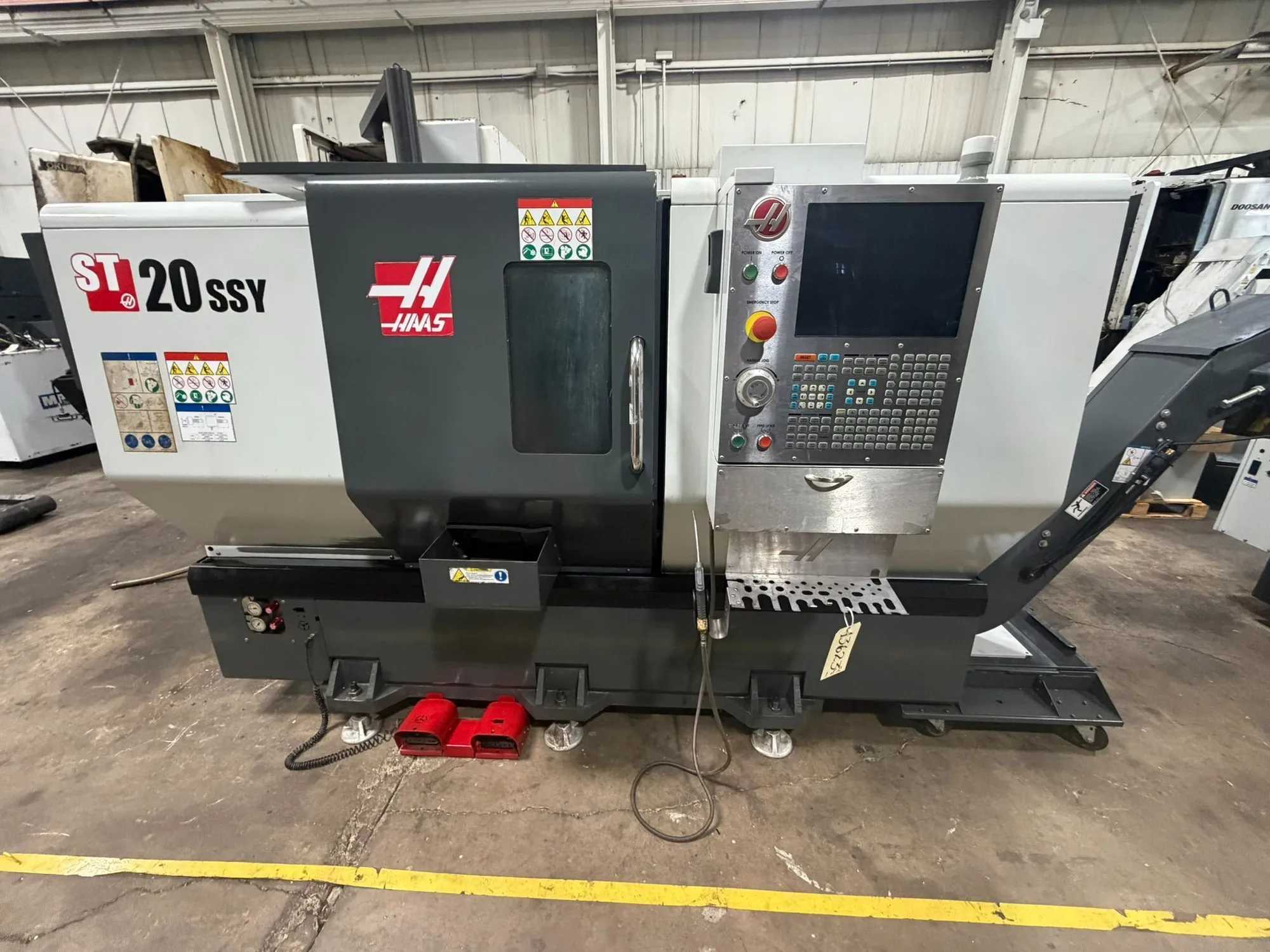
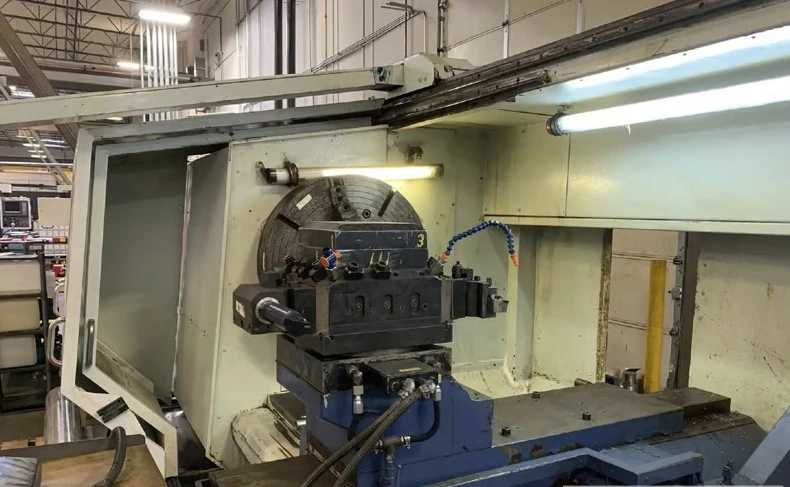
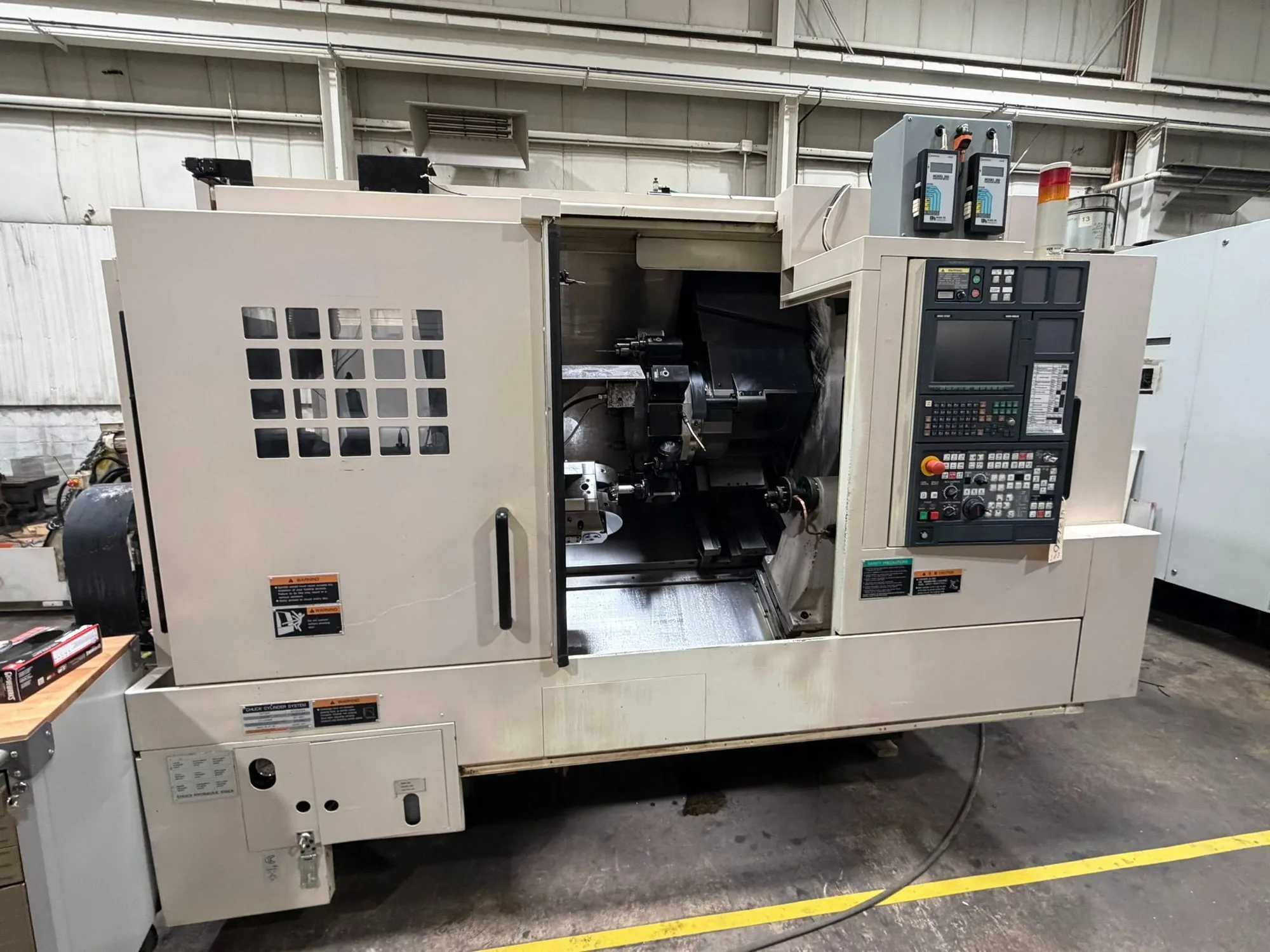
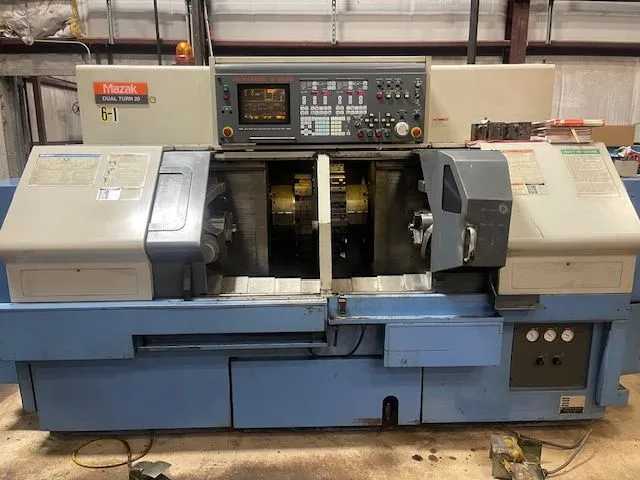
1995 Mazak Dual Turn 20 CNC Lathes, 12.6 in Turn Dia, 49.21 in Mach Len, 20 HP
$12,500
$207/moWisconsin
Specifications & Market Value
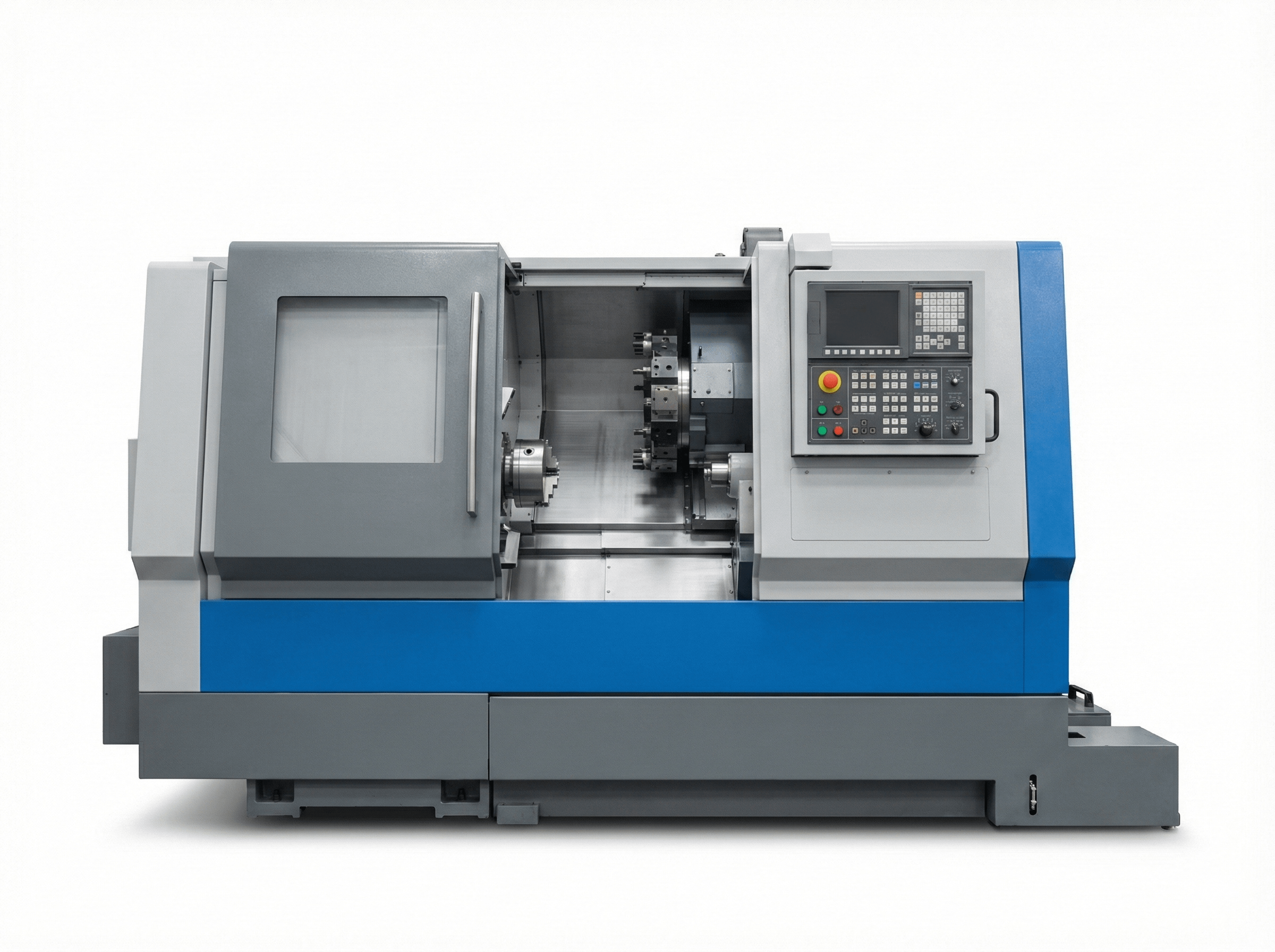
 Reference image
This CNC lathe is a precision machining system engineered for heavy-duty production and prototyping applications. The machine features a robust 10-inch chuck capacity with a maximum bar diameter of 2.99 inches, enabling efficient handling of various workpiece sizes. Operating on four axes, the lathe provides enhanced versatility for complex geometrical machining operations beyond standard turning and boring functions. The system is equipped with 29.5 horsepower, delivering substantial cutting force necessary for demanding material removal tasks across ferrous and non-ferrous materials. With a maximum spindle speed of 3,500 RPM, the machine optimizes surface finish quality and tool life across diverse material specifications. The swing diameter of 24.39 inches, combined with an equivalent machining length, establishes a substantial working envelope suitable for mid-to-large scale components. Computer numerical control (CNC) integration enables automated, repeatable production with programmable tool paths, reducing operator intervention and enhancing dimensional consistency. The four-axis configuration allows simultaneous multi-directional cutting operations, significantly reducing cycle times and improving overall productivity. This machine is ideal for precision component manufacturing, including shafts, flanges, and complex turned parts requiring high accuracy and repeatability. The combination of substantial spindle power, extended working dimensions, and advanced CNC control makes this lathe suitable for job shops, contract manufacturers, and production facilities requiring reliable precision engineering capabilities.
Specifications, market trends, and valuation estimates are compiled from manufacturer documentation, historical sales, and industry sources. While care is taken to ensure accuracy, this information is provided for reference purposes only and may contain errors or omissions. Users should independently verify all data before making buying or selling decisions. Valuations do not represent guaranteed transaction prices or binding offers, and Aucto assumes no liability for decisions made using this data.
Spot an error or missing detail? Help us keep our equipment guides accurate for the community.

 A+
A+ Auction Value
$90,000
 Range$25,000 – $125,000
 Sells in ~ 30 days
 Retail Value
—
Sells in ~ 180 days
Item functions as originally intended, shows signs of normal wear. Change the condition to see how it moves both values.
| Attribute | SelectedHYUNDAI WIA L250SY CNC LATHE | HYUNDAI WIA L250Y CNC LATHE | |
|---|---|---|---|
| OEM | HYUNDAI WIA | HYUNDAI WIA | |
| Model | L250SY | L250Y | |
| Year | - | - | |
| Max Swing | 24.39 '' | 24.40 '' | |
| Spindle Bore Diameter | 2.99 '' | 2.99 '' | |
| Max Spindle Speed | 3500 RPM | 3500 RPM | |
| Similarity | — | 99% | |
| Auction Value$25,000 - $125,000Retail Value— | Auction Value$10,000 - $85,750Retail Value— | |
| Current Machine | View Details |
Marketplace