Buy Now
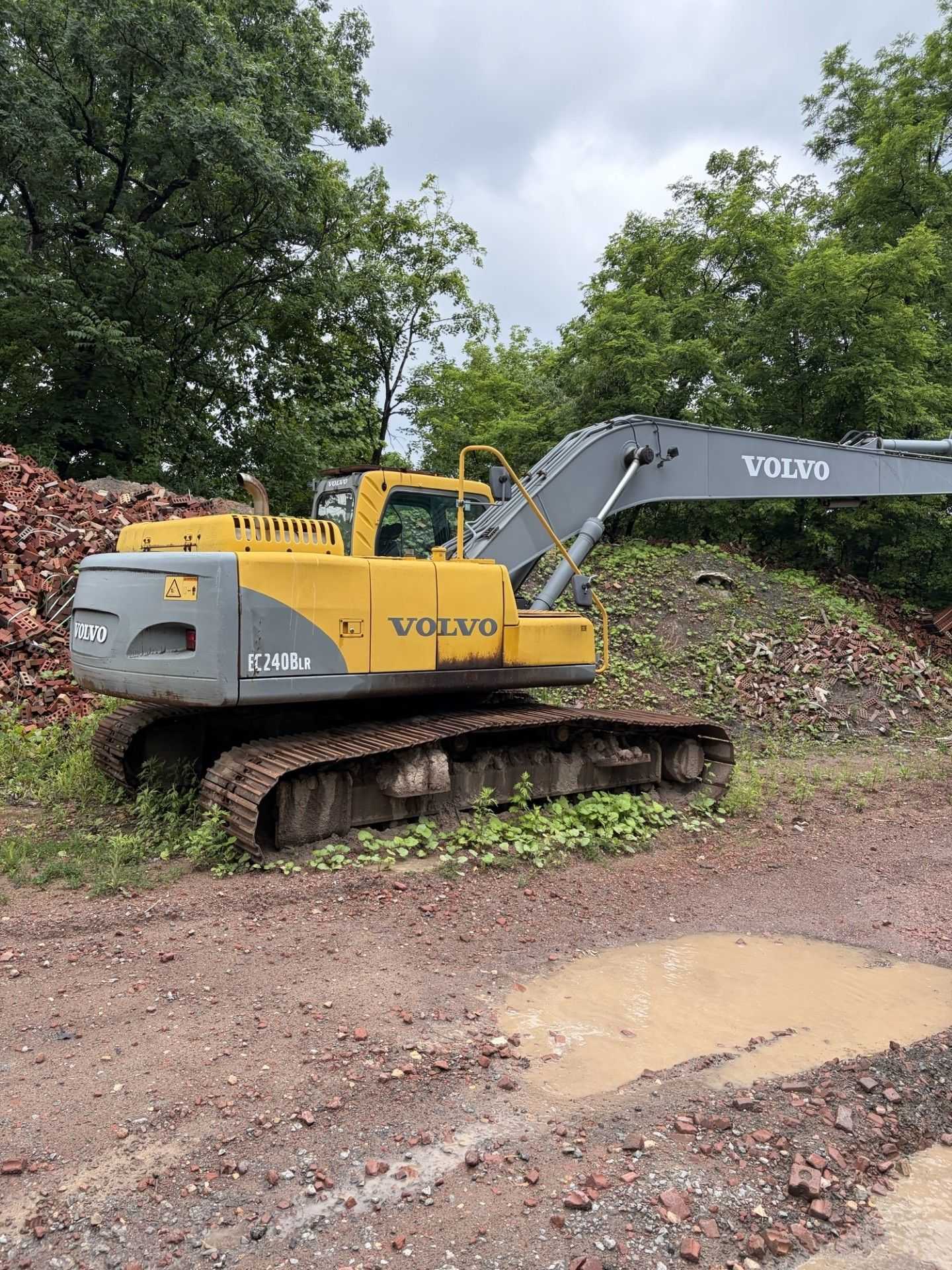
2004 Volvo EC240BLR Long Reach Crawler Excavator, 180HP, 60 ft Reach, Bucket Included
$62,894
$1,042/moPennsylvania
Specifications & Market Value
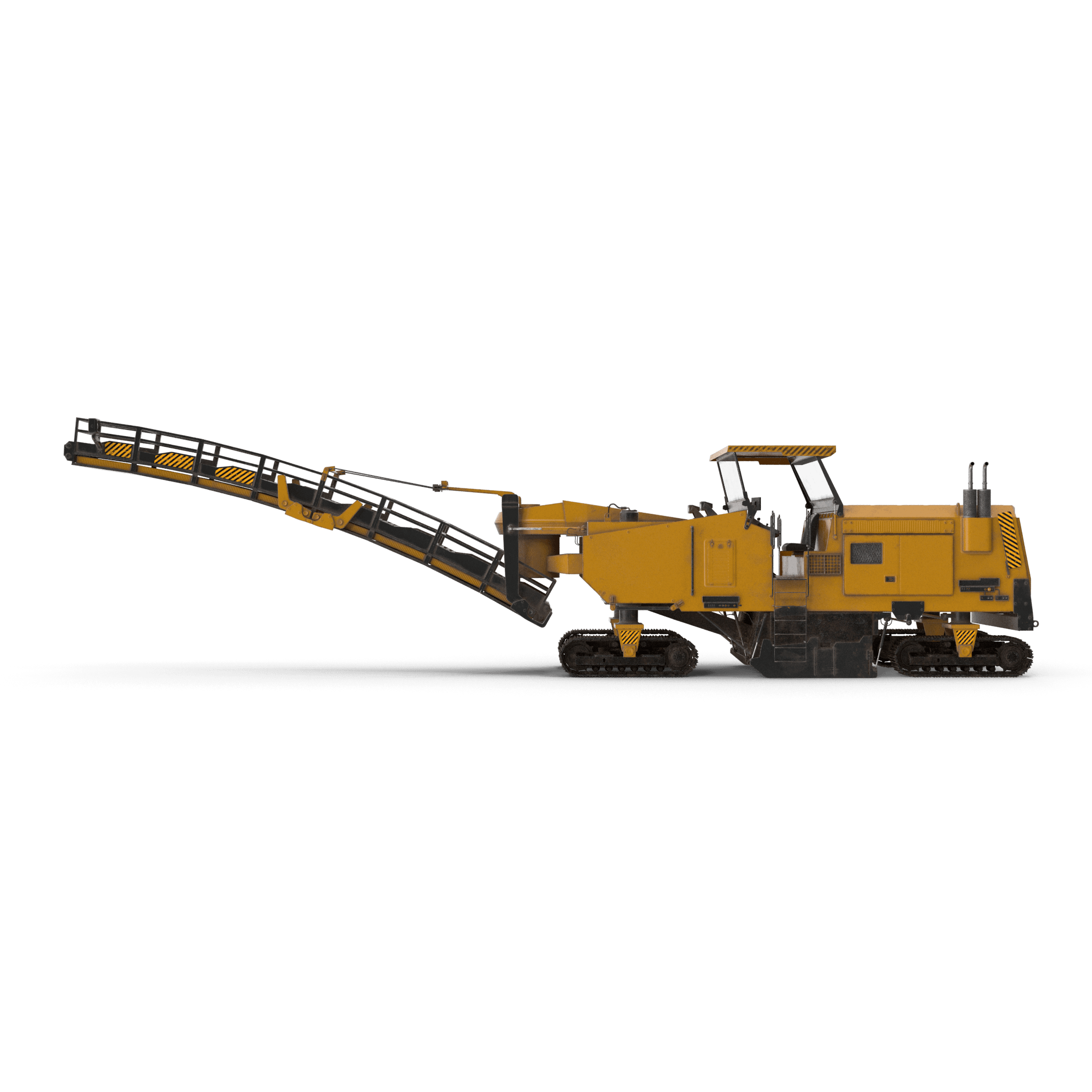
 Reference image
The Ingersoll Rand DD90 is a high-performance vibratory smooth drum roller designed for efficient compaction in highway and large paving applications. It features dual smooth drums, each with a diameter of 48 inches and a width of 66 inches, producing a maximum centrifugal force of 26,000 lbs and a minimum of 5,840 lbs. The drums operate at vibration frequencies ranging from 1,850 to 2,500 vibrations per minute (vpm), with nominal amplitudes of 0.1 inches, offering eight variable amplitude settings for optimal compaction control. The roller is powered by a turbocharged 4-cylinder Cummins B3.9-C engine delivering 110 hp (82 kW) and provides reliable hydrostatic propulsion with a maximum speed of 7.4 mph. It has an operating weight of 21,820 lbs and a fuel capacity of 45 gallons, with a 35-gallon hydraulic system fluid capacity. The machine’s overall length is 16.5 feet, with a turning radius of 216.5 inches, and a cab height of 9.3 feet. The operator benefits from ergonomic features such as a five-position rotating console for excellent visibility, fingertip steering, and vibrations isolated by rubber mounts for enhanced comfort. The DD90 includes dual water systems with polyethylene tanks for drum surface wetting, preventing asphalt pick-up during operation. Safety features include spring-applied, hydraulically released multiple-disc brakes with automatic activation upon hydraulic failure. The roller meets Department of Transportation static rolling requirements, efficiently compacting up to 250 tons of hot mix asphalt per hour, making it suitable for demanding paving projects requiring uniform and high-quality compaction.
Specifications, market trends, and valuation estimates are compiled from manufacturer documentation, historical sales, and industry sources. While care is taken to ensure accuracy, this information is provided for reference purposes only and may contain errors or omissions. Users should independently verify all data before making buying or selling decisions. Valuations do not represent guaranteed transaction prices or binding offers, and Aucto assumes no liability for decisions made using this data.
Spot an error or missing detail? Help us keep our equipment guides accurate for the community.

 A+
A+ Auction Value
$18,975
 Range$5,000 – $26,500
 Sells in ~ 30 days
 Retail Value
—
Sells in ~ 180 days
Item functions as originally intended, shows signs of normal wear. Change the condition to see how it moves both values.
| Attribute | SelectedINGERSOLL RAND DD90 STATIC SMOOTH DRUM ROLLER | INGERSOLL RAND DD-90HF STATIC SMOOTH DRUM ROLLER | |
|---|---|---|---|
| OEM | INGERSOLL RAND | INGERSOLL RAND | |
| Model | DD90 | DD-90HF | |
| Year | - | - | |
| Centrifugal Force | 26000 lb-ft | 38430 lb-ft | |
| Drum Width | 66 '' | 66 '' | |
| Similarity | — | 99% | |
| Auction Value$5,000 - $26,500Retail Value— | Auction Value$2,500 - $15,900Retail Value— | |
| Current Machine | View Details |
Marketplace