INGERSOLL RAND SD-200DX STATIC SMOOTH DRUM ROLLER
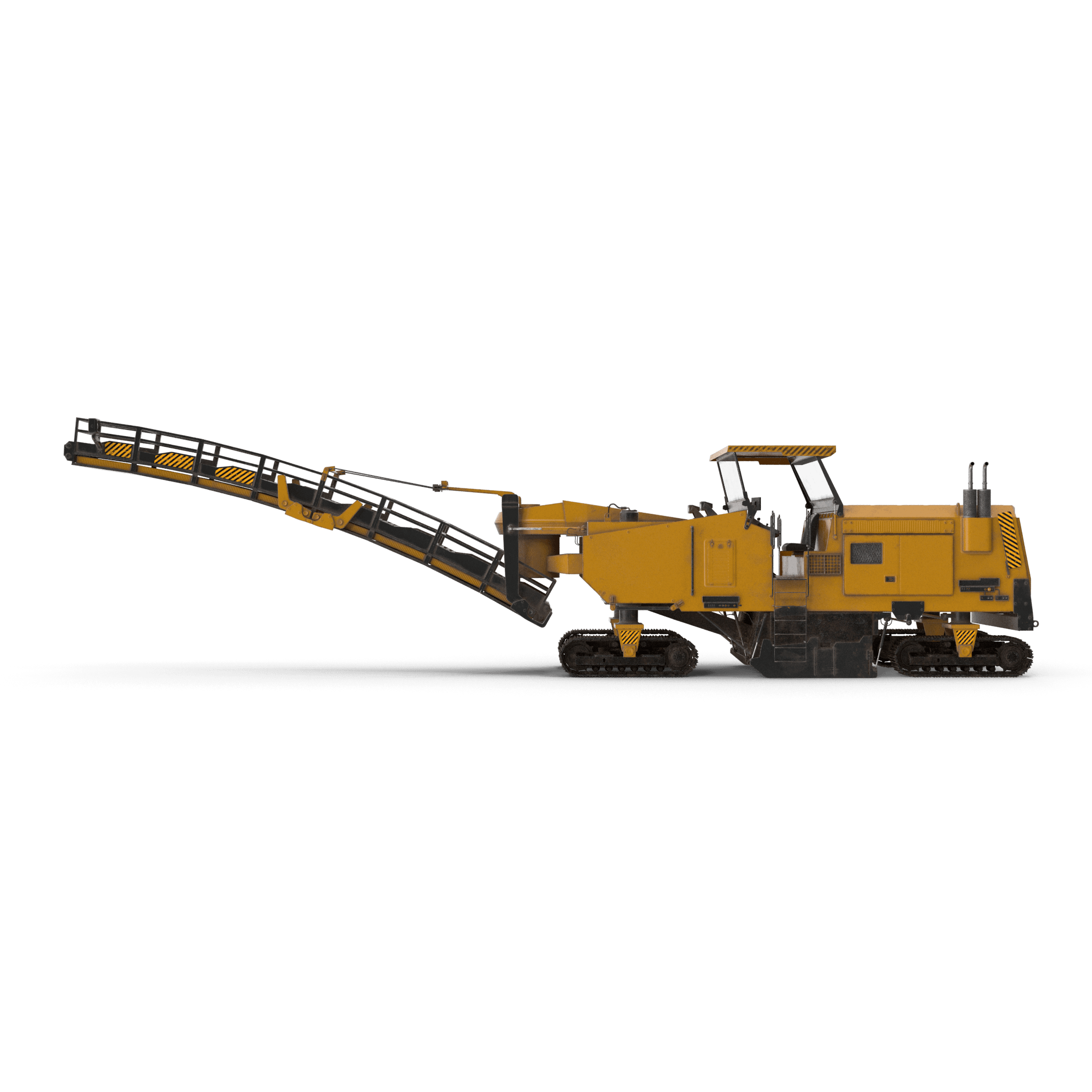
Equipment Overview
Share Link- OEM
- INGERSOLL RAND
- Model
- SD-200DX
- Year of Manufacture
- -
- Category
- STATIC SMOOTH DRUM ROLLER
Market Value Calculator
A+Technical Description
The Ingersoll Rand SD-200DX is a high-performance static smooth drum roller designed for efficient soil compaction. It features a 65-inch diameter smooth drum delivering high centrifugal forces of 82,730 lbs and low forces of 53,729 lbs, with nominal amplitude maintained at 0.1 inches across both high and low vibration settings. The vibratory frequency ranges between 1,225 to 1,850 vpm, allowing for adaptable compaction intensity. Powered by a robust Cummins QSB5.9-TAA turbocharged diesel engine, the SD-200DX offers 205 hp (153 kW) of net power, ensuring reliable and efficient performance under heavy-duty operations. The engine is configured as an inline six-cylinder with advanced electronic fuel injection and air-air intercooling to optimize fuel efficiency and power output. The compactor’s fuel tank holds 68 gallons, with a hydraulic system fluid capacity of 27.5 gallons to support responsive and smooth hydraulic operations. Structurally, the roller has an overall length of approximately 20.7 feet, an overall width of 8.2 feet, and stands 10.3 feet tall to the top of the cab, providing solid operator visibility and maneuverability. It provides a tight inside turning radius of 136 inches and a wheelbase of approximately 10.6 feet. The operating weight is 45,000 lbs, and it achieves a maximum speed of 7.9 mph. Tires are sized 23.1x26-10PR R3, designed for durability and traction. This combination of powerful vibration mechanics, a high-efficiency engine, and durable dimensions makes the Ingersoll Rand SD-200DX a versatile and dependable choice for smooth drum compaction in roadwork and construction projects.
Technical Attributes
- Drum Width
- 98 ''
- Centrifugal Force
- 82730 lb-ft
Data Accuracy and Verification
Specifications and technical details are compiled from manufacturer documentation, historical records, and third-party industry sources. While care is taken to ensure accuracy, this information is provided for reference purposes only and may contain errors or omissions. Users should independently verify all details before relying on them.
If you identify any inaccuracies, please help us improve our data by reporting them here.