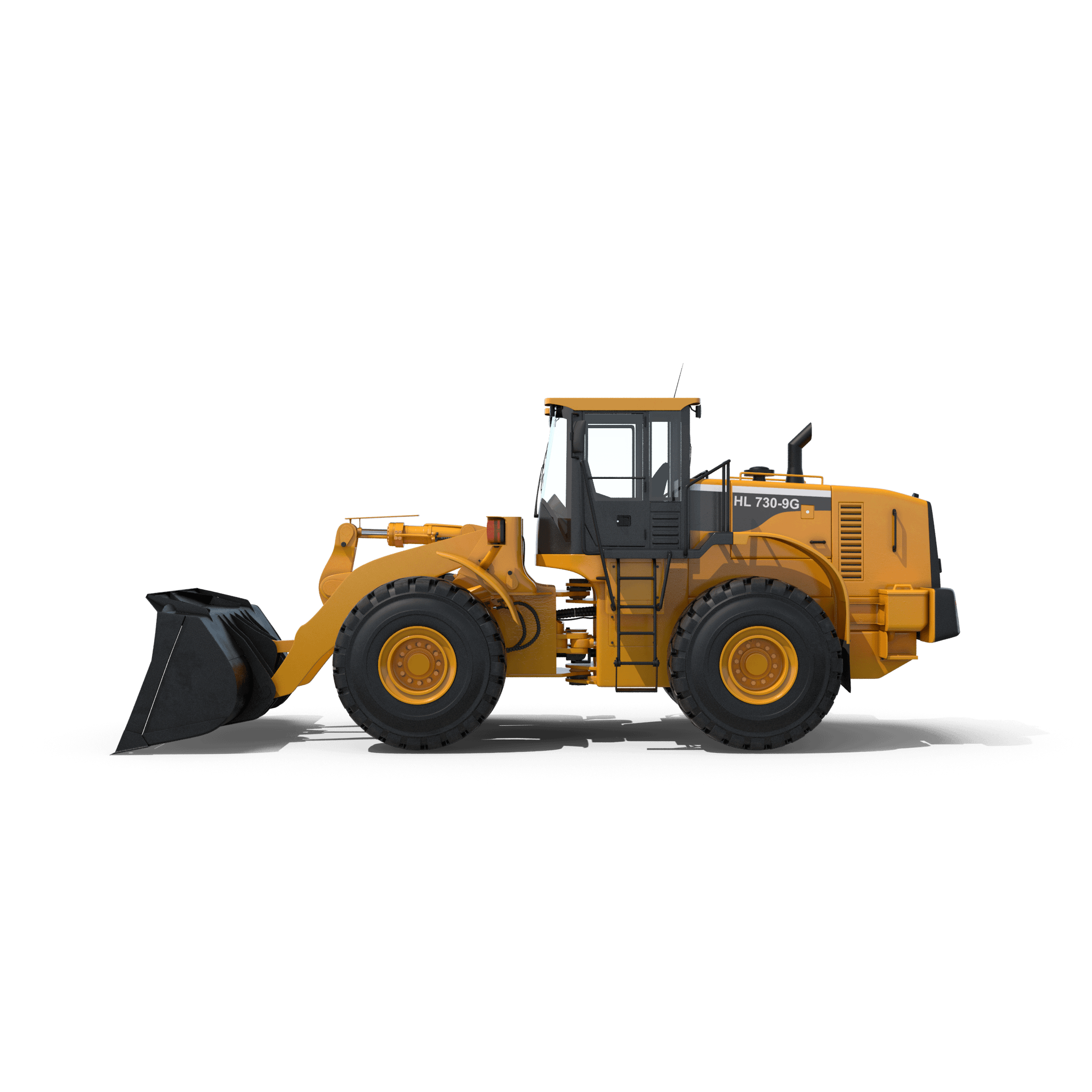
ZETTELMEYER ZL602SIB WHEEL LOADER
ZETTELMEYER · ZL602SIB
Specifications & Market Value
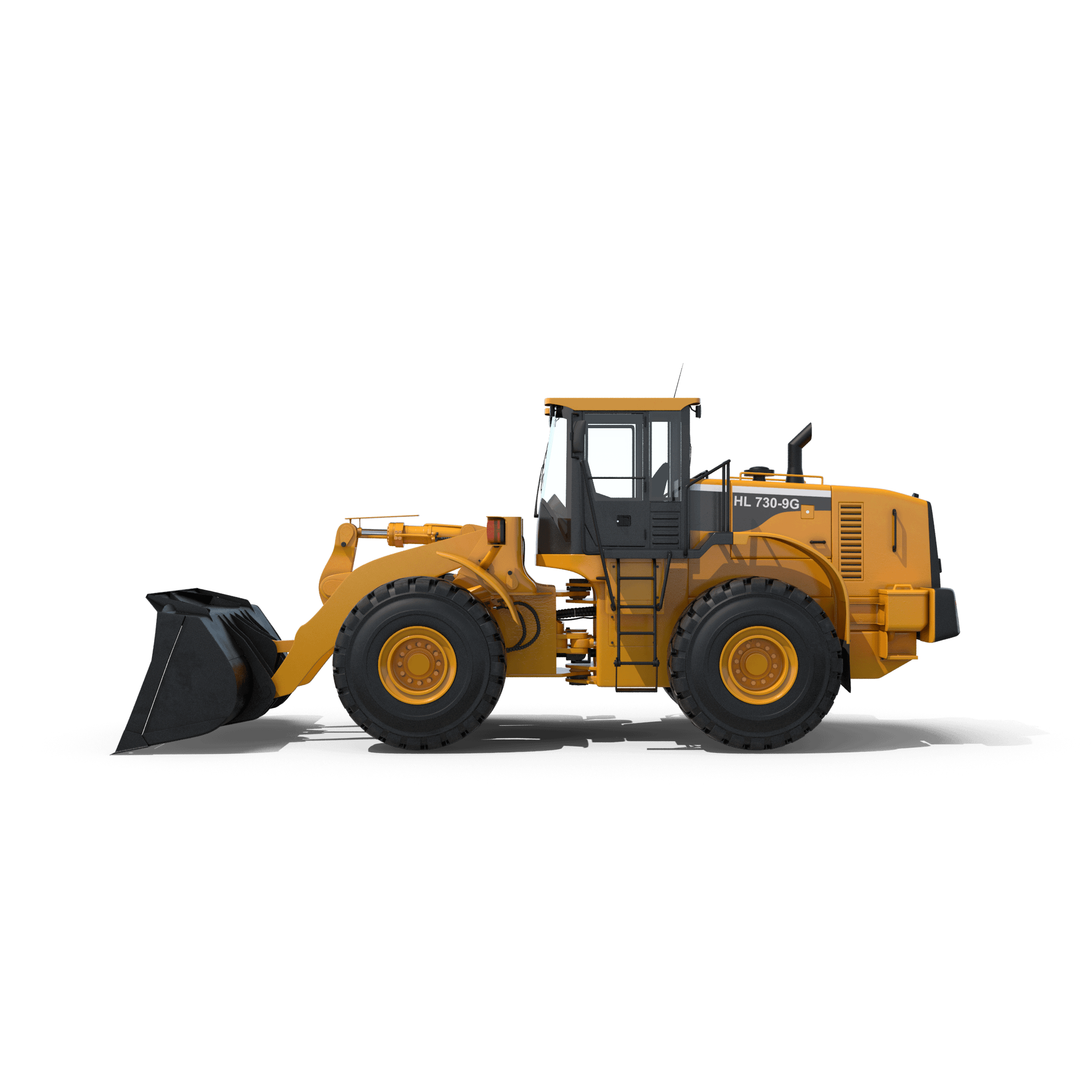
 Reference image
The JCB 436 HT Super High Lift is a heavy-duty wheel loader engineered for demanding material handling applications. Powered by a Cummins diesel engine producing 165 horsepower (123 kW) and 580 pound-feet of torque, the machine delivers reliable performance across diverse jobsites. The loader features a 3.5 cubic yard (2.7 cubic meter) bucket capacity, enabling efficient bulk material transportation. Its super high lift arm configuration provides a maximum dump clearance of 13.2 feet (4 meters), facilitating discharge into elevated hoppers and high-sided trucks. The articulated frame offers ±40-degree steering angles, enhancing maneuverability in confined spaces. Operating at 35,929 pounds (16,297 kilograms), the machine balances productivity with fuel efficiency through optimized weight distribution across front and rear axles. The HT (high torque) linkage design delivers superior breakout force and parallel lift capabilities, making it ideal for multi-attachment applications and handling tough materials. The spacious cab features isolator mounting for operator comfort and includes modern controls for precise hydraulic management. The 436 HT Super High Lift incorporates load-sensing hydraulics for efficient and responsive bucket control, while the four-speed powershift transmission ensures smooth gear transitions and consistent operating performance across varying load conditions.
Specifications, market trends, and valuation estimates are compiled from manufacturer documentation, historical sales, and industry sources. While care is taken to ensure accuracy, this information is provided for reference purposes only and may contain errors or omissions. Users should independently verify all data before making buying or selling decisions. Valuations do not represent guaranteed transaction prices or binding offers, and Aucto assumes no liability for decisions made using this data.
Spot an error or missing detail? Help us keep our equipment guides accurate for the community.

 A+
A+ Auction Value
$34,590
 Sells in ~ 30 days
 Retail Value
—
Sells in ~ 180 days
Item functions as originally intended, shows signs of normal wear. Change the condition to see how it moves both values.
Market Intelligence
ZETTELMEYER · ZL602SIB
ZETTELMEYER · ZL602 · 1995-1998
ZETTELMEYER · ZL601 · 1986-1995
BOBCAT · 2410 · 2008-2017
CATERPILLAR · 928F
LIUGONG · ZL18A · 1998-2003
ZETTELMEYER · ZL302 · 1988-2003
MICHIGAN · 475C · 1994-2023