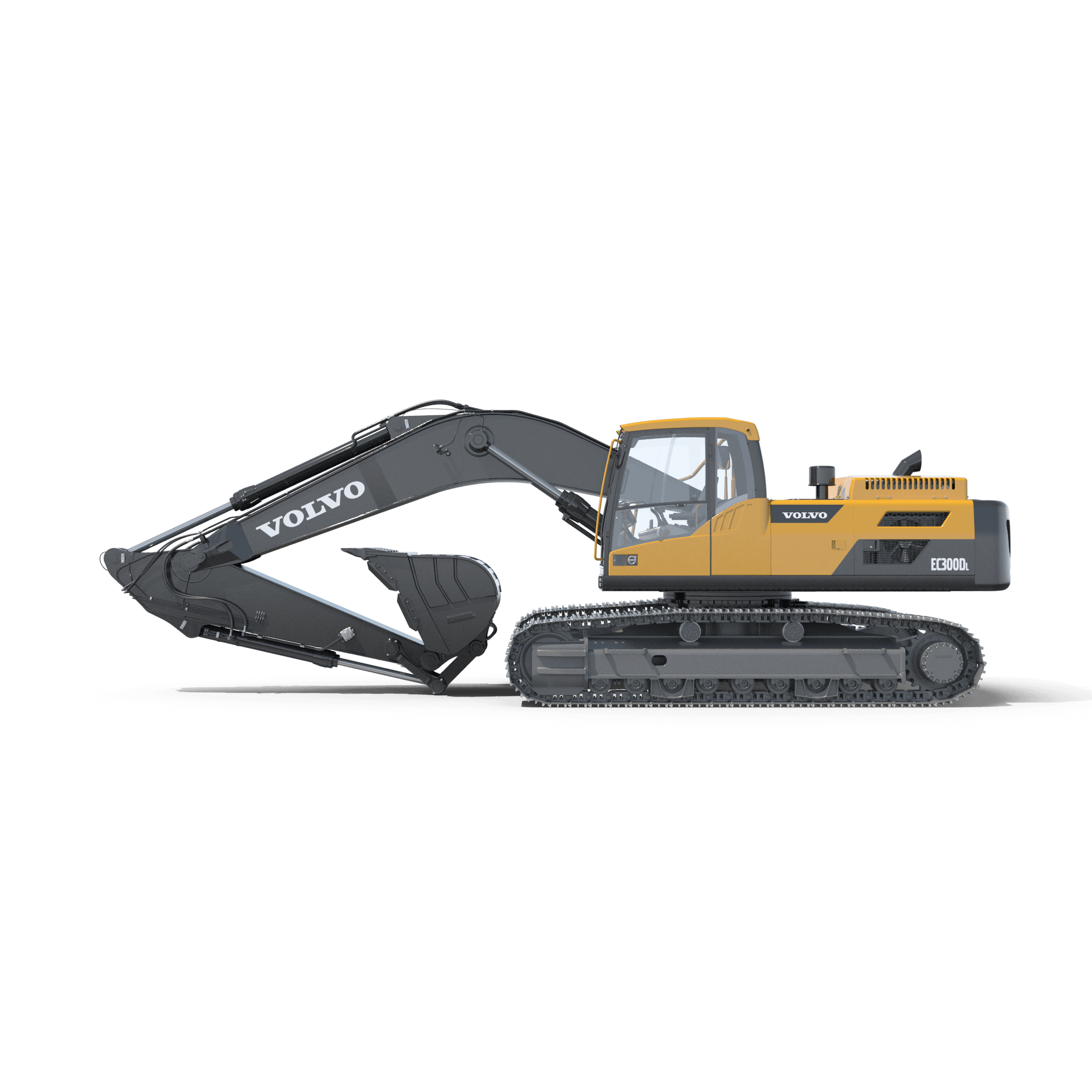
HITACHI ZX190W-3 CRAWLER EXCAVATOR
HITACHI · ZX190W-3
Specifications & Market Value
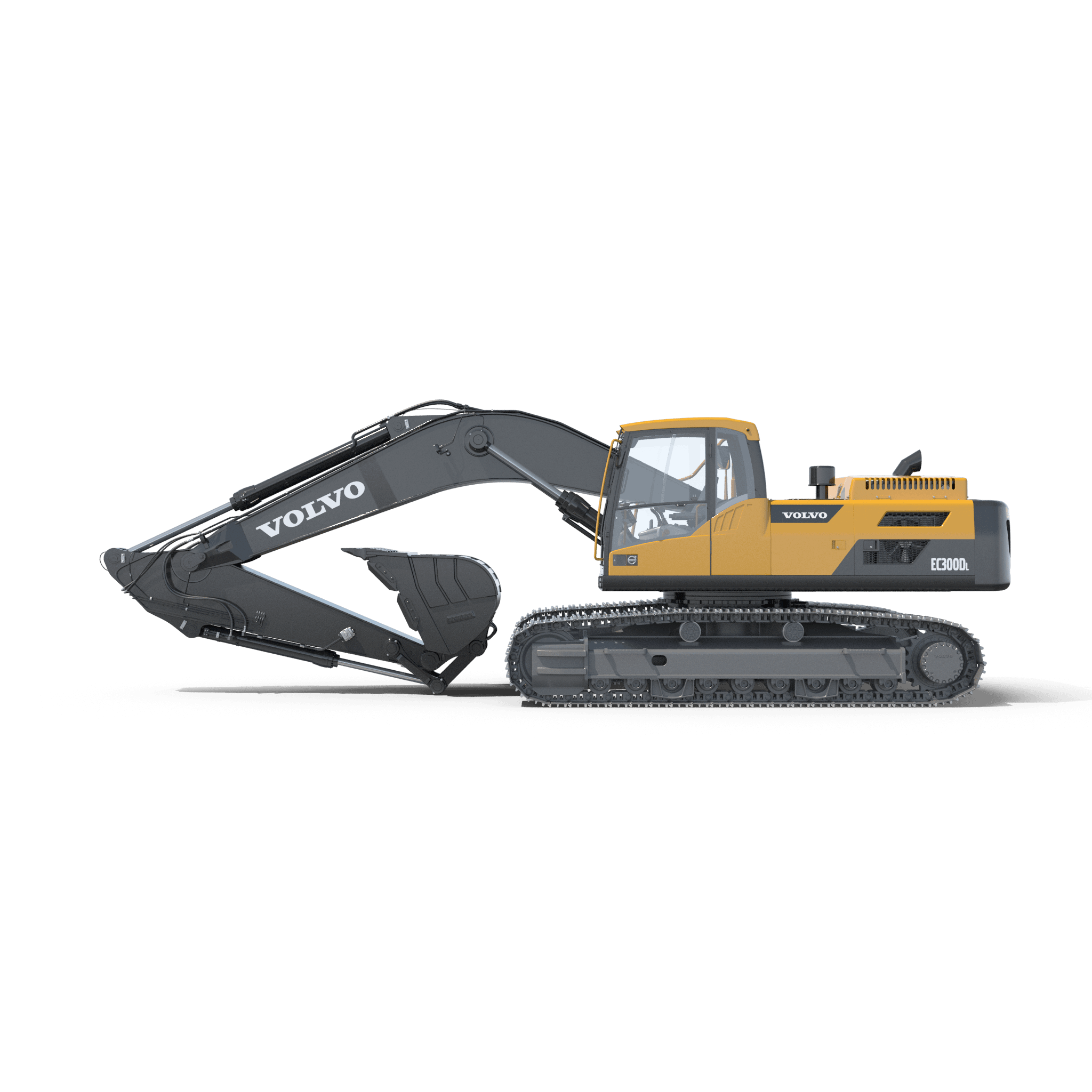
 Reference image
The JCB JS145 is a tracked excavator engineered for versatile construction and excavation applications. Powered by a JCB Ecomax 444 engine, this machine delivers 109 horsepower (81 kW) at 2,050 RPM, utilizing a 4-stroke, 4-cylinder diesel configuration with common rail direct injection and turbocharging for optimal fuel efficiency and performance. The excavator features a maximum operating weight of approximately 33,510 lbs (15,200 kg), providing substantial stability and power for demanding jobsites. With an impressive maximum digging depth of 19.8 feet and a maximum reach along the ground of 26.9 feet, the JS145 delivers exceptional digging capabilities. The machine accommodates bucket capacities ranging from 12 to 30 cubic feet (0.34 to 0.85 cubic meters), with maximum bucket tearout force of 20,667 pounds-force, enabling efficient material handling and excavation. The fully welded "X" frame construction ensures durability and rigidity during operation. The JS145 features a three-speed hydrostatic track drive system with variable swash axial piston motors and planetary reduction final drives, delivering tractive effort of 28,800 pounds-force for superior mobility across varied terrain. The swing system incorporates a large-diameter, internally toothed slew gear with swing speeds of 12.8 to 13.6 RPM, depending on configuration (LC or HD), enabling rapid repositioning. Available with monoboom or T.A.B. (Telescopic Articulated Boom) configurations, the JS145 adapts to diverse working conditions. Standard boom options include 15'5" monoboom and 16'5" T.A.B. configurations, accommodating dipper lengths from 8'2" to 10'0" for application flexibility.
Specifications, market trends, and valuation estimates are compiled from manufacturer documentation, historical sales, and industry sources. While care is taken to ensure accuracy, this information is provided for reference purposes only and may contain errors or omissions. Users should independently verify all data before making buying or selling decisions. Valuations do not represent guaranteed transaction prices or binding offers, and Aucto assumes no liability for decisions made using this data.
Spot an error or missing detail? Help us keep our equipment guides accurate for the community.

 A+
A+ Auction Value
$73,800
 Sells in ~ 30 days
 Retail Value
—
Sells in ~ 180 days
Item functions as originally intended, shows signs of normal wear. Change the condition to see how it moves both values.
Market Intelligence
HITACHI · ZX190W-3
HITACHI · ZX180W
LINK BELT · 210 X2
CATERPILLAR · 322C L
CASE · WX240
DOOSAN · DX210W
CATERPILLAR · 320C LN
TEREX · TXC 255LC-2