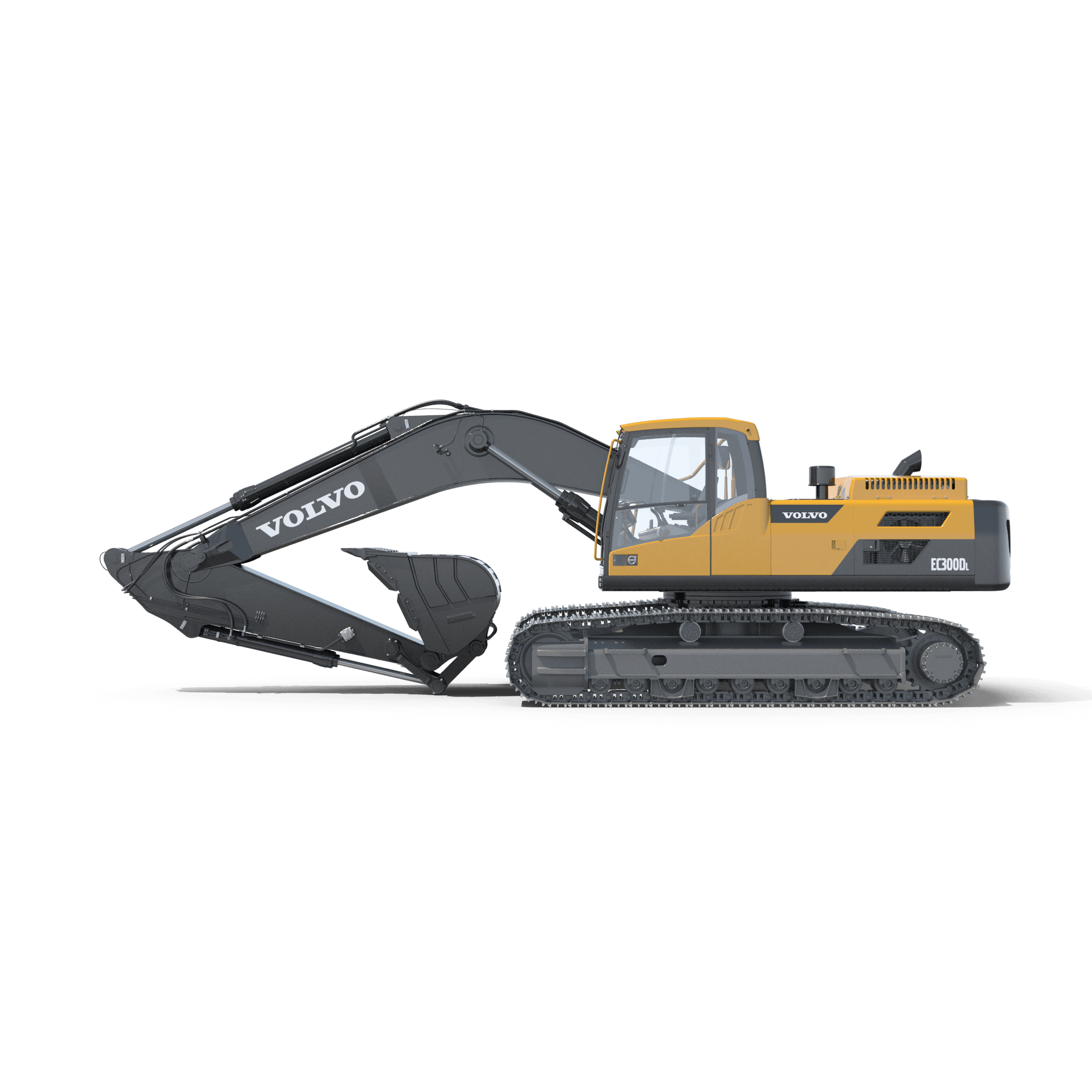
HITACHI ZX190W-3 CRAWLER EXCAVATOR
HITACHI · ZX190W-3
Specifications & Market Value
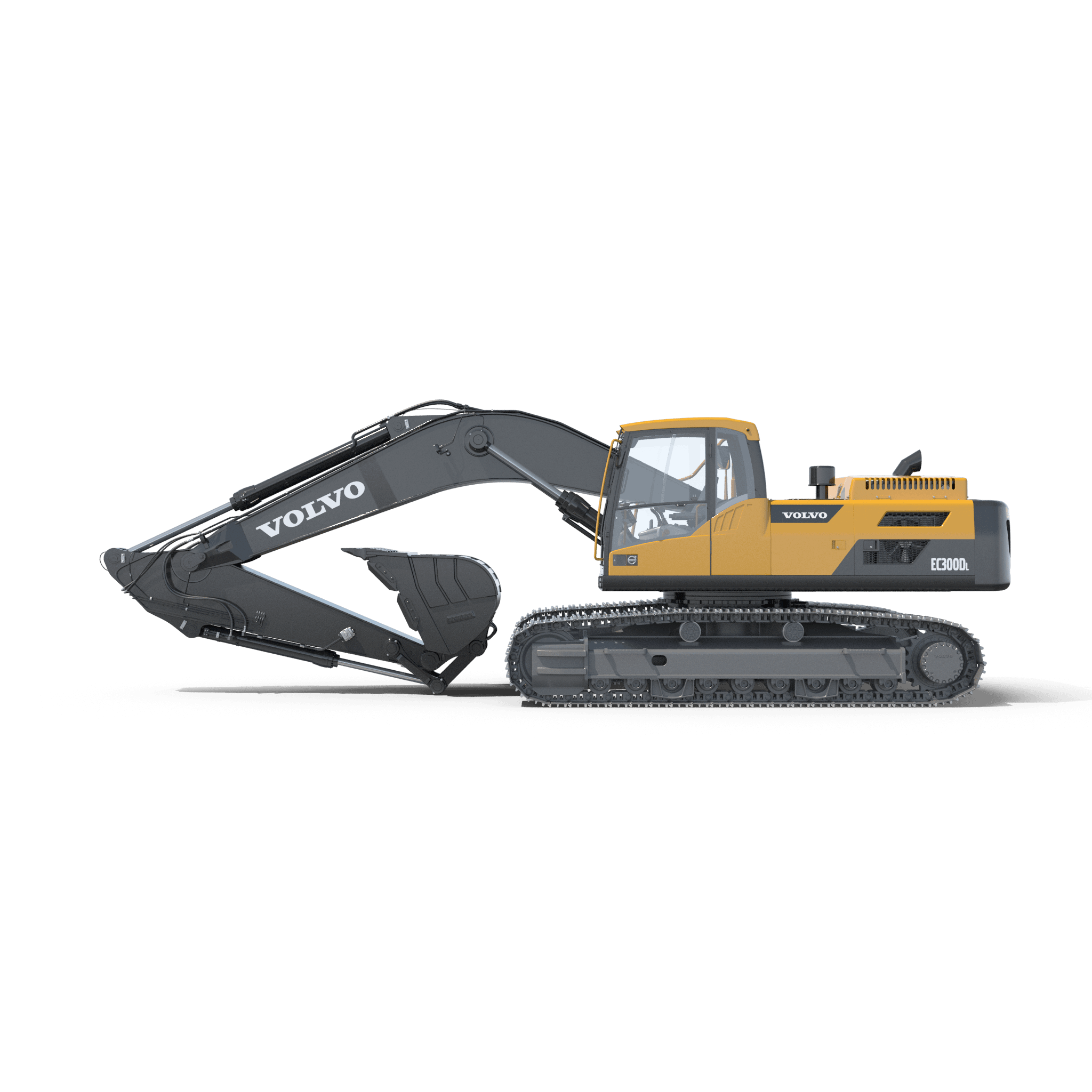
 Reference image
The John Deere 190G W wheeled excavator is a mid-size machine designed for versatility and mobility in various construction and excavation applications. It is powered by an Isuzu AI-4HK1 turbocharged engine delivering a net peak power of 159 hp (119 kW), compliant with EPA Interim Tier 4 (IT4) and EU Stage IIIB emissions standards. This ensures efficient performance while meeting stringent environmental regulations. The excavator offers a maximum digging depth of 19.2 feet (approximately 5.83 meters), enabling it to handle medium-depth excavation tasks effectively. Its operating weight is approximately 44,530 lbs (20,550 kg), balancing stability and maneuverability. The 190G W features two boom options—monoblock and two-piece—to tailor lift capacity and reach for specific job site needs. The machine’s hydraulic system includes pilot controls for precise operation, with implement pressure up to 4,975 psi, travel pressure near 5,047 psi, and swing pressure around 4,844 psi. Its bucket digging force reaches up to 123 kN (27,651 lb.) under ISO standards, providing strong digging capability. Travel speed tops out at 21.8 mph (35 km/h), with an oscillation of ±7 degrees for enhanced terrain adaptability. The machine employs maintenance-free wet-disc brakes and hydraulic service brakes on front and rear axles, ensuring reliable stopping power. Its wheeled design allows fast travel between job sites without a trailer, increasing productivity. The spacious cab includes an LCD monitor that displays essential machine info and enhances operator comfort. Fuel capacity is 400 liters, supporting long operational cycles. Overall, the John Deere 190G W combines power, efficiency, and mobility for rigorous wheeled excavator applications.
Specifications, market trends, and valuation estimates are compiled from manufacturer documentation, historical sales, and industry sources. While care is taken to ensure accuracy, this information is provided for reference purposes only and may contain errors or omissions. Users should independently verify all data before making buying or selling decisions. Valuations do not represent guaranteed transaction prices or binding offers, and Aucto assumes no liability for decisions made using this data.
Spot an error or missing detail? Help us keep our equipment guides accurate for the community.

 A+
A+ Auction Value
$319,000
 Sells in ~ 30 days
 Retail Value
—
Sells in ~ 180 days
Item functions as originally intended, shows signs of normal wear. Change the condition to see how it moves both values.
Market Intelligence
HITACHI · ZX190W-3
HITACHI · ZX180W
LINK BELT · 210 X2
CATERPILLAR · 322C L
CASE · WX240
DOOSAN · DX210W
CATERPILLAR · 320C LN
TEREX · TXC 255LC-2