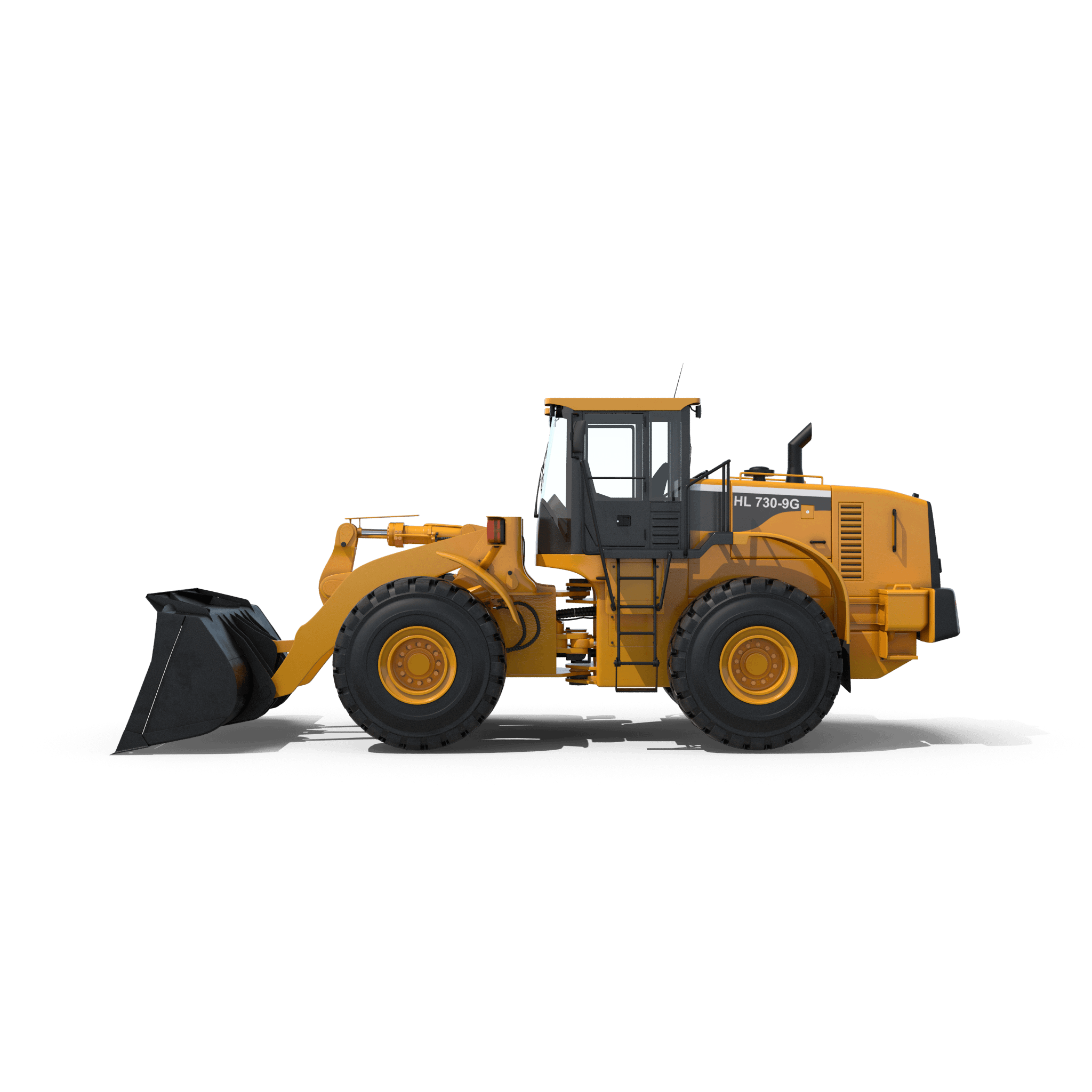
VOLVO MC115D SKID STEER LOADERS
VOLVO · MC115D
Specifications & Market Value
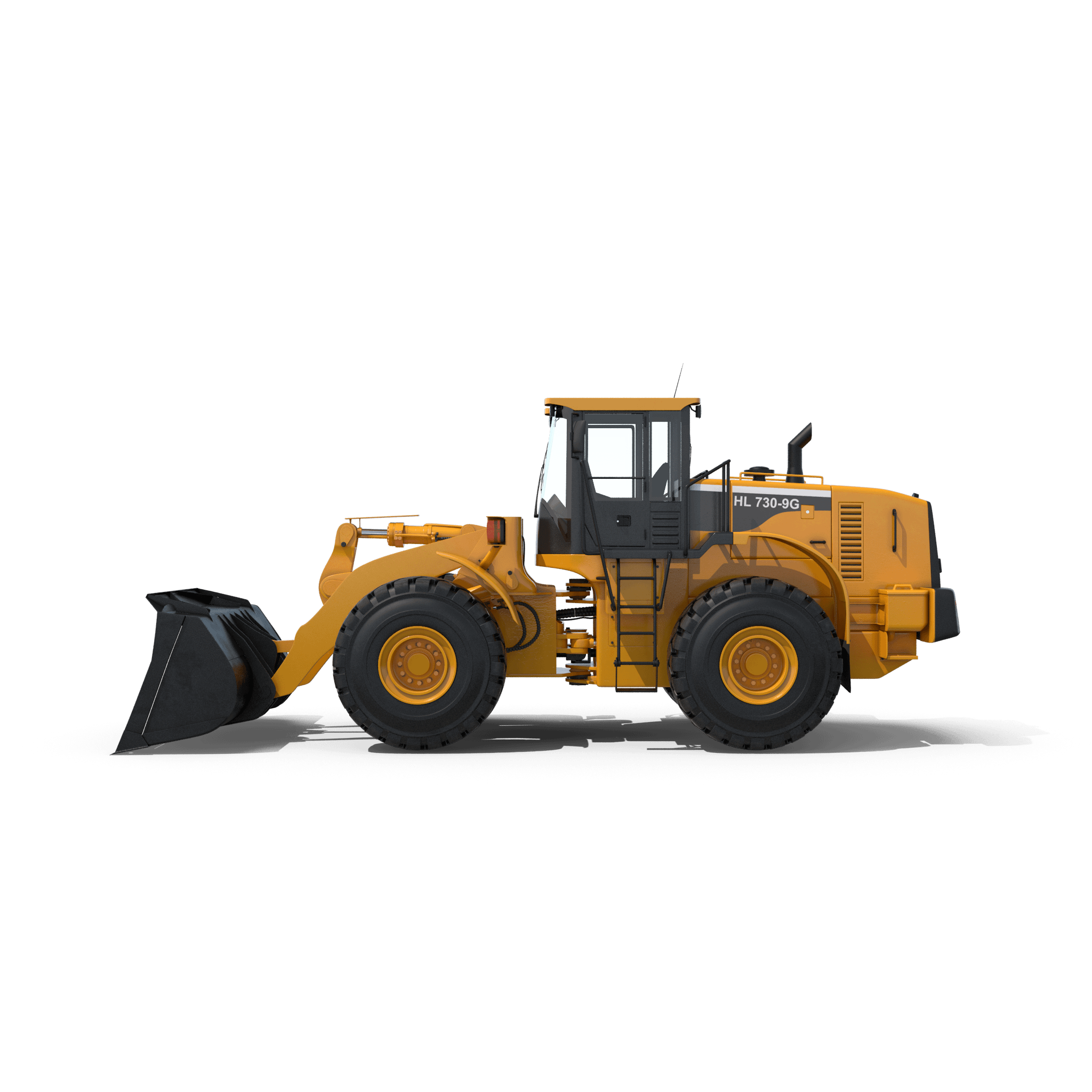
 Reference image
The John Deere 320 Skid Steer Loader, an essential piece of compact equipment, features a turbocharged diesel engine with 269 cubic inches of displacement. The original model is rated with 164 gross horsepower (162 net flywheel power) measured at 2800 rpm, although variants like the 320G have ratings closer to 69 gross horsepower. Its hydraulic system operates at a relief valve pressure of 3450 psi with a pump flow capacity of 19.1 gpm (standard 320 model), providing a breakout force of 5500 psi. The machine has an operational weight of 6,435 lbs and a Rated Operating Capacity (ROC) of 1,950 lbs, with a tipping load of 3,900 lbs. Key dimensions include a length with bucket of approximately 10.5 ft, a width over tires of 5.9 ft, and a height to the top of the cab of 6.5 ft. It runs on a 12-volt operating system and has a 16-gallon fuel capacity. The 320 is designed for robust performance in demanding applications, capable of a maximum travel speed of 6.8 mph.
Specifications, market trends, and valuation estimates are compiled from manufacturer documentation, historical sales, and industry sources. While care is taken to ensure accuracy, this information is provided for reference purposes only and may contain errors or omissions. Users should independently verify all data before making buying or selling decisions. Valuations do not represent guaranteed transaction prices or binding offers, and Aucto assumes no liability for decisions made using this data.
Spot an error or missing detail? Help us keep our equipment guides accurate for the community.

 A+
 Auction Value
$20,510
 Range$5,000 – $28,862
 Sells in ~ 30 days
 Retail Value
—
Sells in ~ 180 days
Item functions as originally intended, shows signs of normal wear. Change the condition to see how it moves both values.
Market Intelligence
VOLVO · MC115D
VOLVO · MC135D
MUSTANG · 2012
YANMAR · S220R-1
BOBCAT · S220
JCB · 225
NEW HOLLAND · L225
CATERPILLAR · 262D