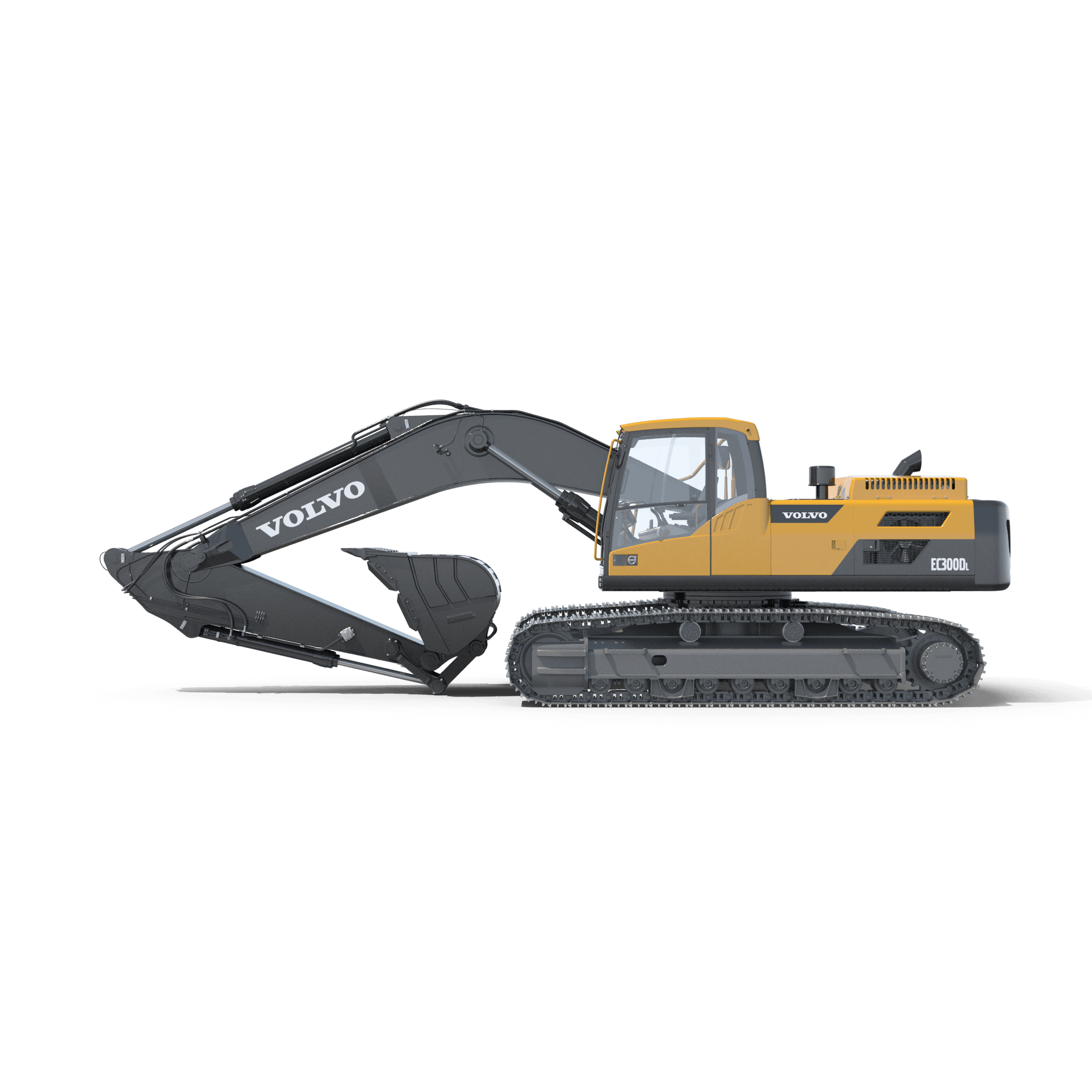
KOBELCO SK850LC CRAWLER EXCAVATOR
KOBELCO · SK850LC
Specifications & Market Value
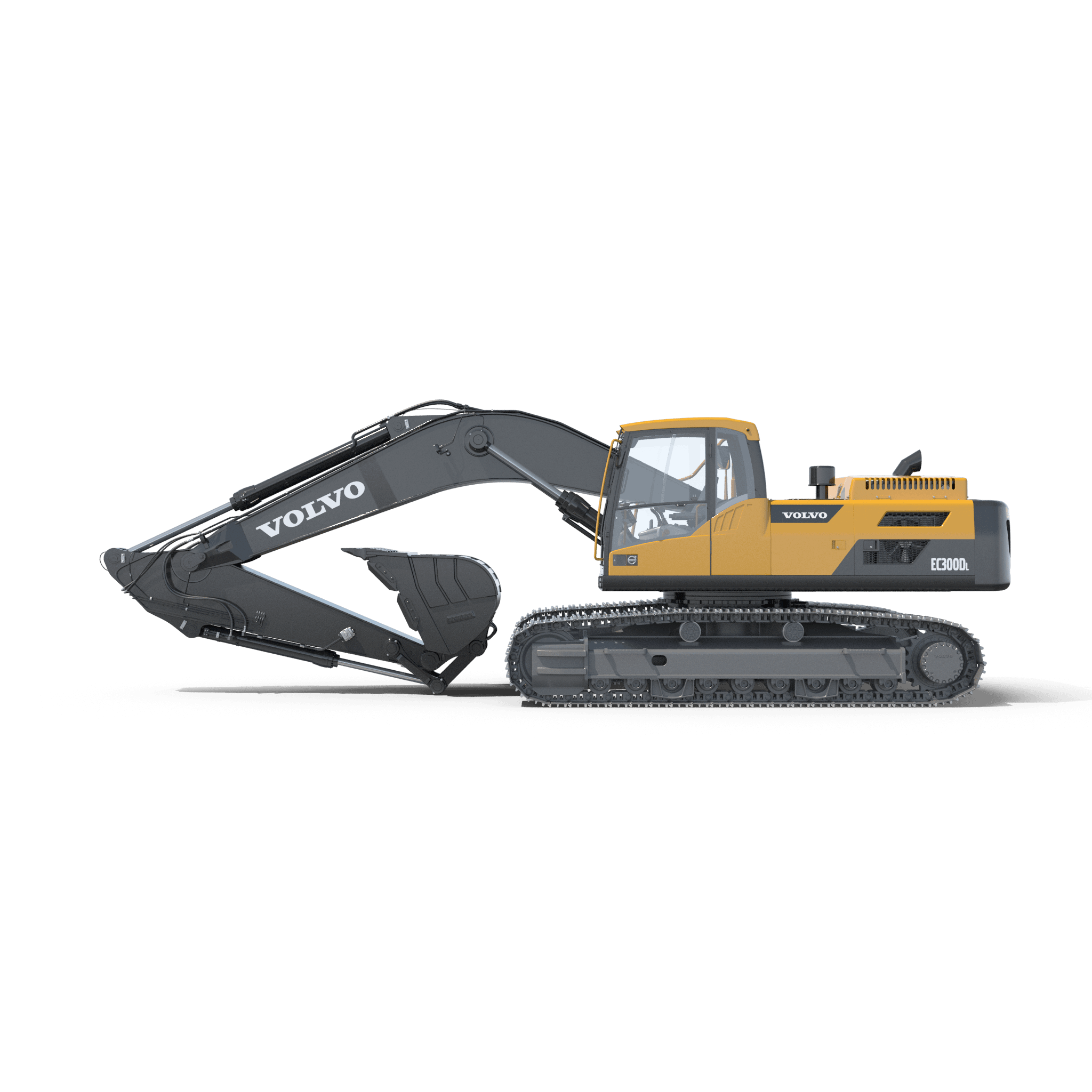
 Reference image
The John Deere 790 is a mid-size hydraulic excavator engineered for demanding construction and excavation tasks. Featuring a robust e 400 Series engine with a displacement of 466 cubic inches, this model delivers 155 net horsepower and a maximum torque of 515 lb-ft, ensuring strong performance across a variety of applications. The engine is turbocharged with an aftercooler, enhancing efficiency and reliability under heavy workloads. The unit has a shipping height of 9.8 feet and a shipping length of 32.9 feet, with a width to the outside of the tracks measuring 10.5 feet, providing a stable and maneuverable platform. The operating weight is 48,440 lbs, supporting substantial lifting and digging capabilities. The hydraulic system is designed for high productivity, with a pump flow capacity of 126.8 gallons per minute and a relief valve pressure setting of 3770 psi, ensuring consistent and powerful implement operation. The hydraulic system fluid capacity is 79.3 gallons, while the engine oil capacity is 24.3 gallons and the cooling system fluid capacity is 42.3 gallons, supporting extended operation and efficient heat management. The fuel tank holds 81.9 gallons, allowing for long shifts between refueling. The swing drive fluid capacity is 12.7 gallons, and the excavator operates on a 24-volt electrical system, with an alternator supplying 42 amps. This excavator is built for durability, power, and versatility in demanding environments.
Specifications, market trends, and valuation estimates are compiled from manufacturer documentation, historical sales, and industry sources. While care is taken to ensure accuracy, this information is provided for reference purposes only and may contain errors or omissions. Users should independently verify all data before making buying or selling decisions. Valuations do not represent guaranteed transaction prices or binding offers, and Aucto assumes no liability for decisions made using this data.
Spot an error or missing detail? Help us keep our equipment guides accurate for the community.

 A+
A+ Auction Value
$58,300
 Sells in ~ 30 days
 Retail Value
—
Sells in ~ 180 days
Item functions as originally intended, shows signs of normal wear. Change the condition to see how it moves both values.
Market Intelligence
KOBELCO · SK850LC
VOLVO · EC700B
CATERPILLAR · 385C
LIUGONG · 950E
HYUNDAI · ROBEX 55W-7
HITACHI · ZX870H-3
CATERPILLAR · 385C FS
TATA HITACHI · ZAXIS670LCH