Buy Now
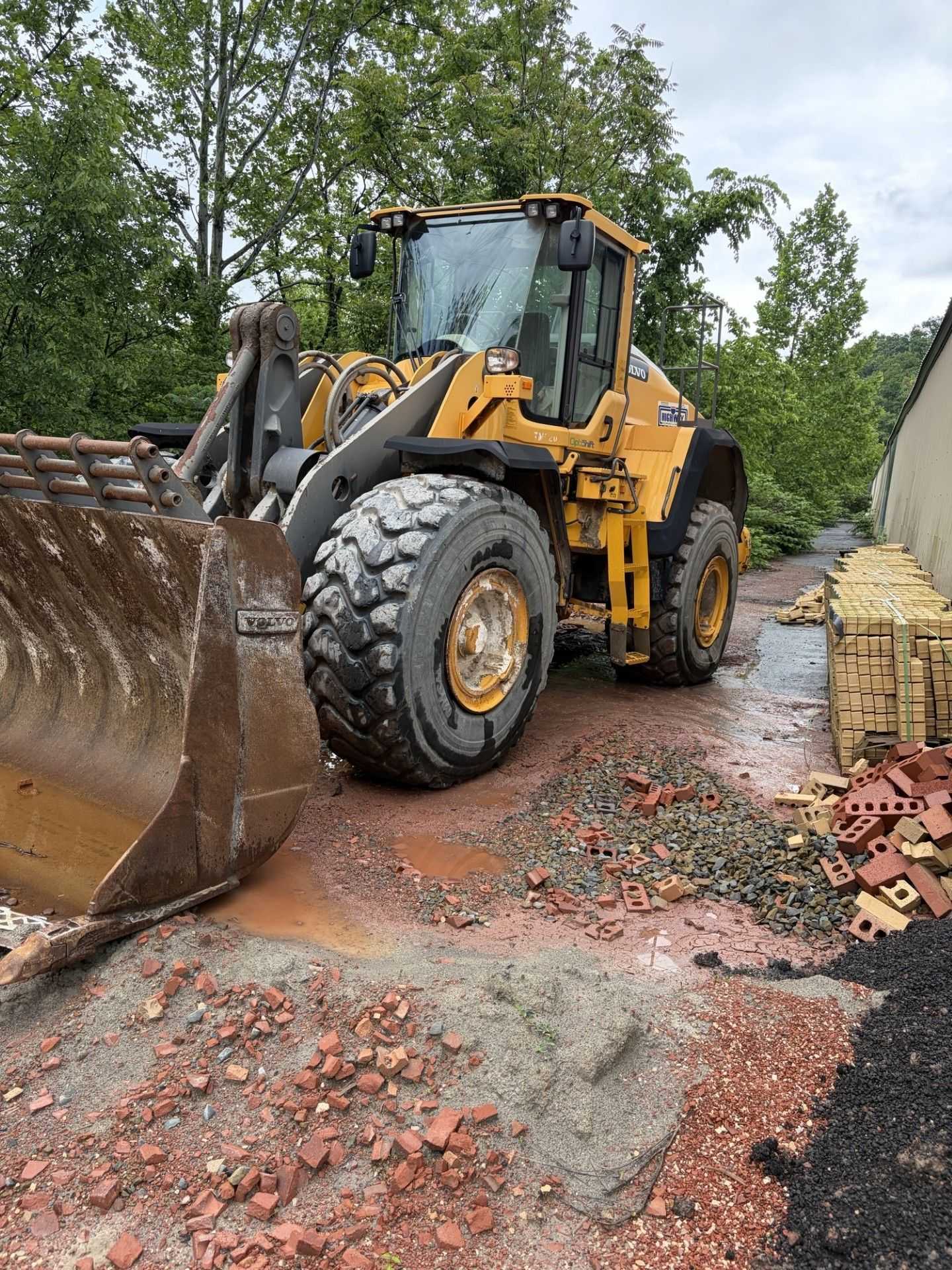
2014 Volvo L150H Wheel Loader, 295HP, Tier 4F, Optishift, Gp Bucket Included
$188,800
$3,128/moPennsylvania
Specifications & Market Value
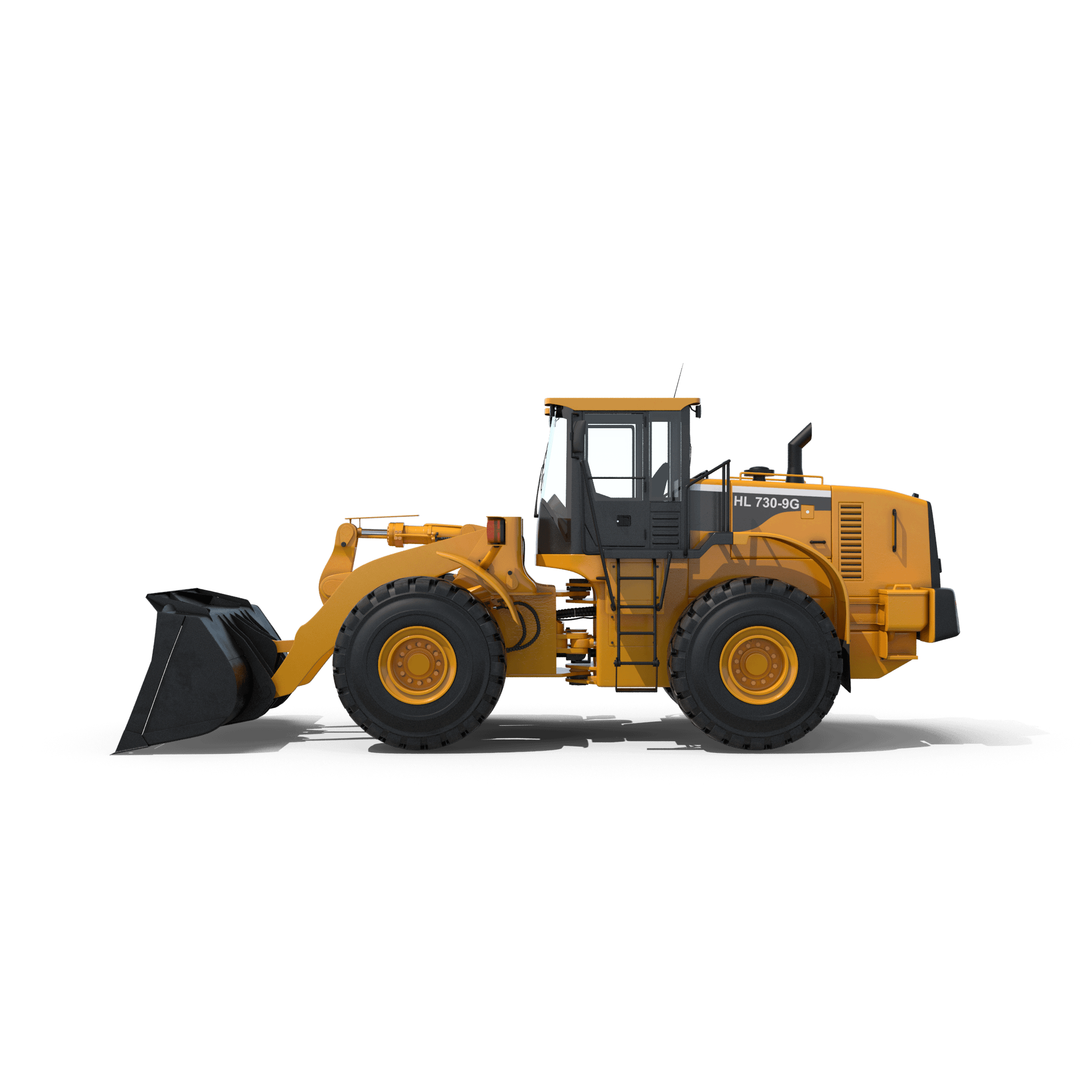
 Reference image
The John Deere TC62H is a versatile integrated tool carrier wheel loader engineered for demanding material handling and loading applications. Powered by a turbocharged 6068H diesel engine producing 172 gross horsepower and 578 lb-ft of torque, this machine delivers robust performance across varied job sites. The TC62H features a 3.5 cubic yard heaped bucket capacity with an impressive 27,091 lbs breakout force, enabling efficient material movement and handling. Its hydraulic system incorporates a 55 gal/min piston pump operating at 3600 psi relief pressure, with cycle times of 5.8 seconds for raising, 1.7 seconds for dumping, and 3 seconds for lowering. Measuring 25.2 feet in overall length with an 8.6-foot width over tires, the loader offers a 13.2-foot maximum hinge pin height and 4.2-foot reach at maximum lift height. The machine operates at 30,532 lbs and provides a static tipping load of 21,506 lbs with bucket attachment. Its Power Shift transmission features four forward and three reverse gears, achieving speeds up to 24.5 mph forward and 14.9 mph reverse. With a 70-gallon fuel capacity and comprehensive fluid specifications including 31 gallons of hydraulic fluid capacity, the TC62H combines power, precision, and reliability for material handling, loading, and specialized lifting tasks.
Specifications, market trends, and valuation estimates are compiled from manufacturer documentation, historical sales, and industry sources. While care is taken to ensure accuracy, this information is provided for reference purposes only and may contain errors or omissions. Users should independently verify all data before making buying or selling decisions. Valuations do not represent guaranteed transaction prices or binding offers, and Aucto assumes no liability for decisions made using this data.
Spot an error or missing detail? Help us keep our equipment guides accurate for the community.

 A+
A+ Auction Value
$20,915
 Range$5,000 – $29,484
 Sells in ~ 30 days
 Retail Value
—
Sells in ~ 180 days
Item functions as originally intended, shows signs of normal wear. Change the condition to see how it moves both values.
Marketplace

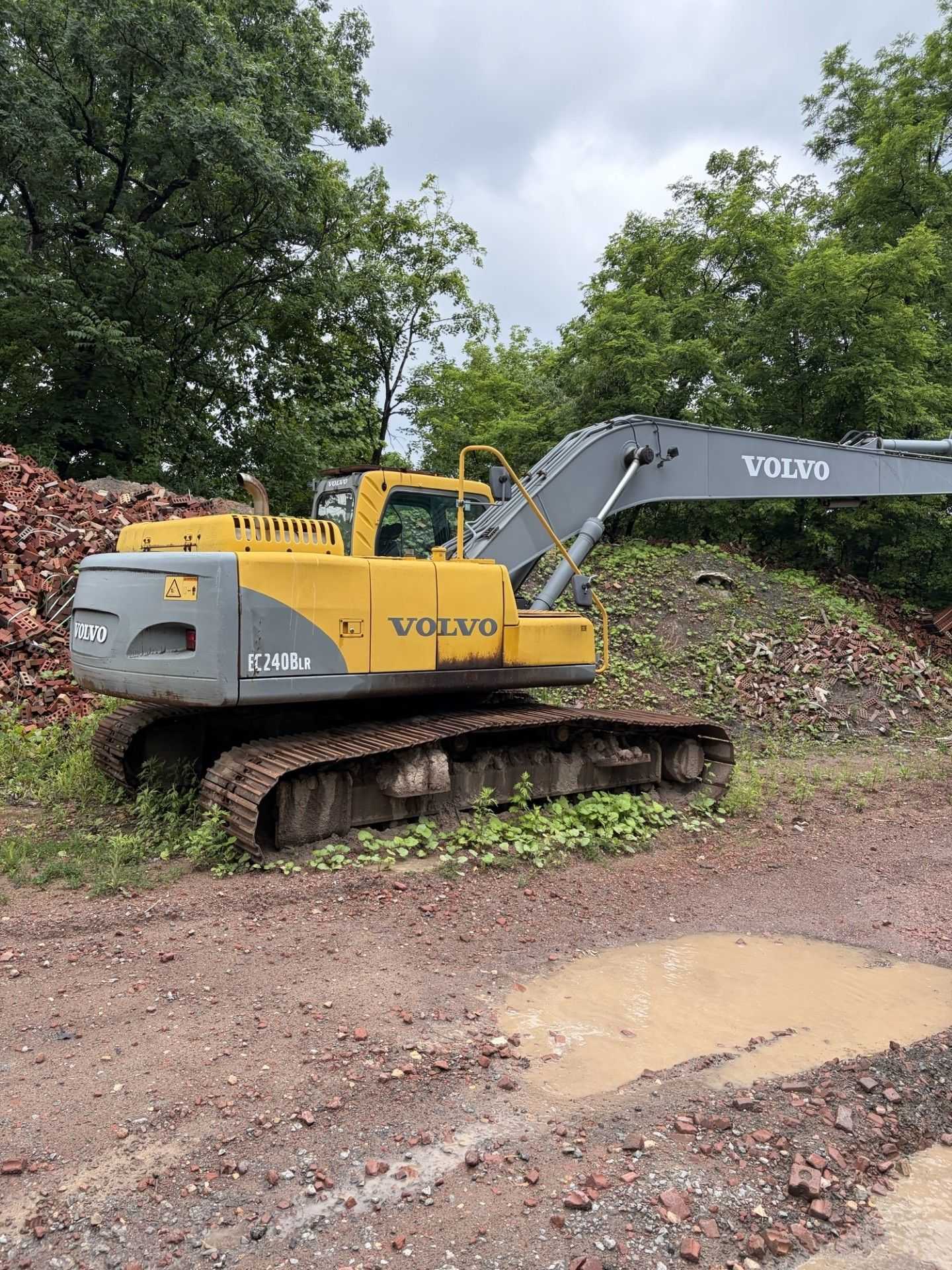
| Attribute | SelectedJOHN DEERE TC62H WHEEL LOADER | 2000-2002 JOHN DEERE TC54H WHEEL LOADER | |
|---|---|---|---|
| OEM | JOHN DEERE | JOHN DEERE | |
| Model | TC62H | TC54H | |
| Year | - | 2000-2002 | |
| Static Tipping Weight | 21,506.00 | 17,646.00 | |
| Max Speed | 24.50 mph | 25.00 mph | |
| Engine Power | 160 HP | 130 HP | |
| Max Bucket Capacity | 3.50 yd³ | 2.60 yd³ | |
| Tire Size | 20.5-25 | 17.5-25 | |
| Max Breakout Force | 27091 lb-ft | 22806 lb-ft | |
| Max Dump Height | 9.60 ft | 11.40 ft | |
| Similarity | — | 99% | |
| Auction Value$5,000 - $29,484Retail Value— | Auction Value$10,000 - $55,900Retail Value— | |
| Current Machine | View Details |