Buy Now
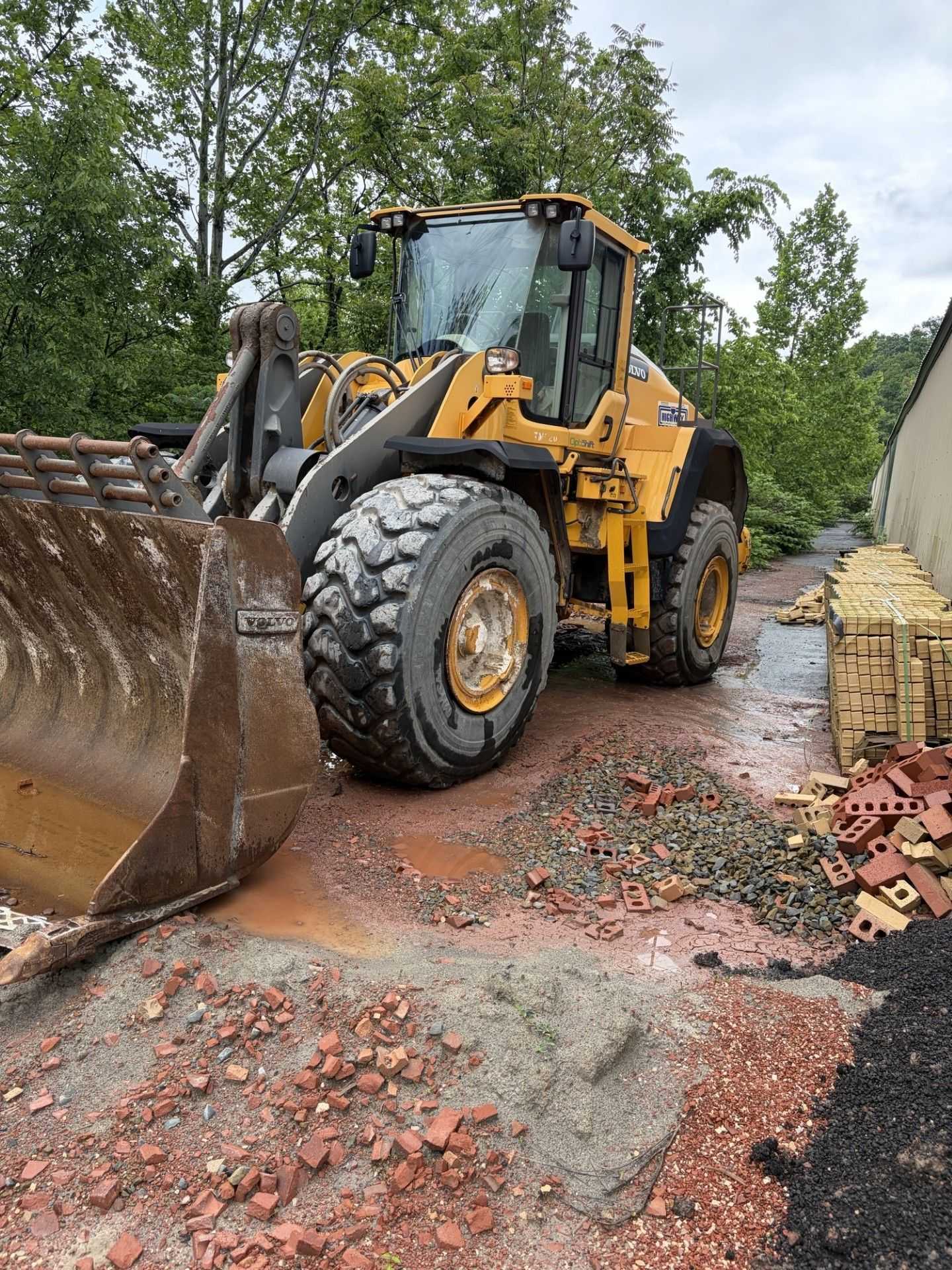
2014 Volvo L150H Wheel Loader, 295HP, Tier 4F, Optishift, Gp Bucket Included
$188,800
$3,128/moPennsylvania
Specifications & Market Value
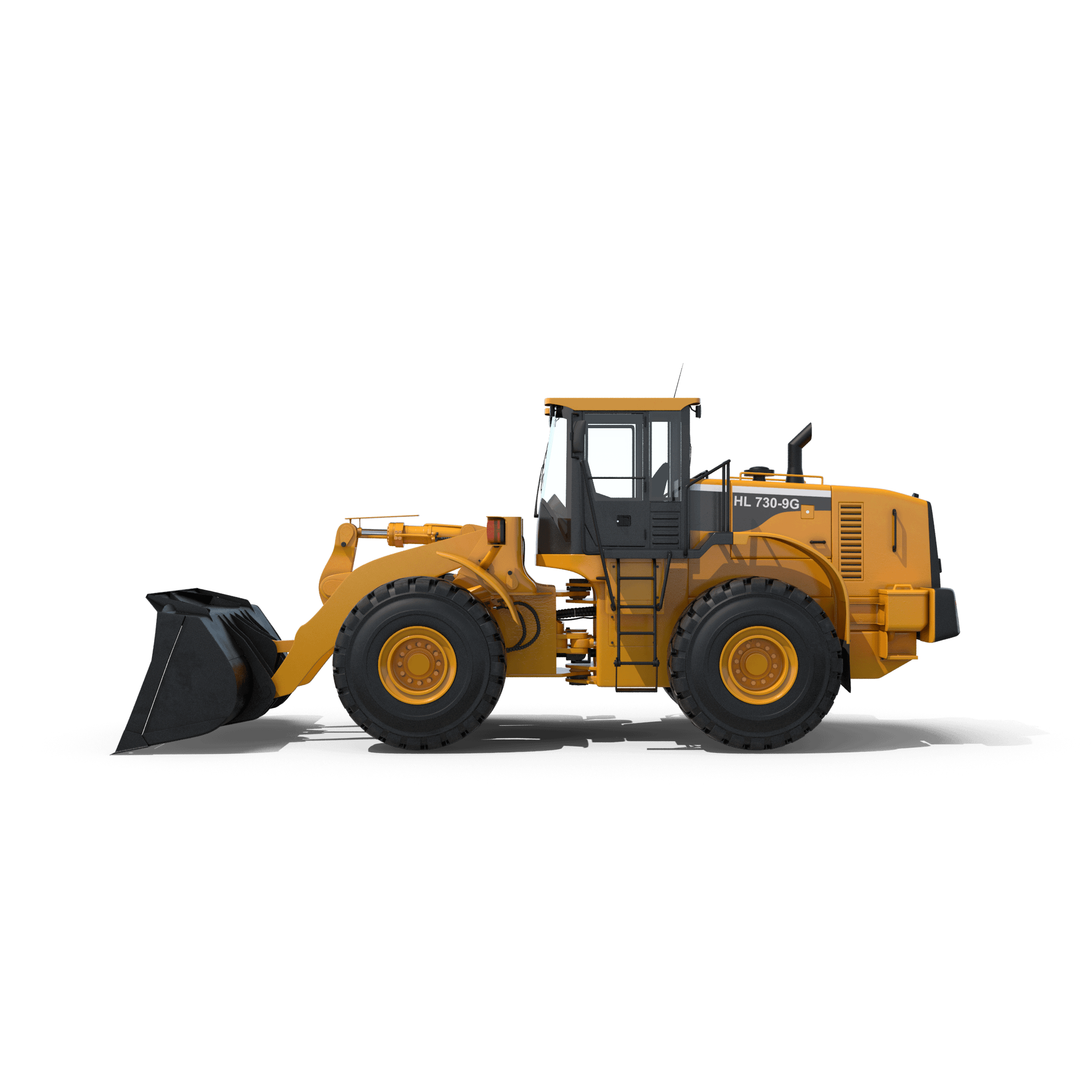
 Reference image
The Kawasaki 70TM7 is a utility-class wheel loader engineered for high efficiency and low operating costs. Powered by a Cummins QSB6.7 engine delivering 168 hp (125 kW), it features a rated bucket capacity ranging from 3.4 to 3.7 cubic yards (2 to 2 m³), suitable for medium-duty material handling. The loader has an operational weight of approximately 35,350 lbs (16,035 kg), providing the stability needed for tough jobs. It offers a maximum dump clearance at full raise of 13.5 ft (4 m), enabling effective material placement at height. The 70TM7 benefits from Kawasaki’s patented IntelliTech System, a suite of advanced technologies designed to enhance operational performance across all phases, from precision hydraulic control to fuel efficiency. This system helps reduce fuel consumption while improving breakout force and maneuverability. The machine’s design prioritizes operator comfort and safety with ergonomic controls and durable construction. The combination of Cummins engine performance and Kawasaki’s engineering enables the 70TM7 to meet demanding jobsite requirements while maintaining compliance with emission standards. This wheel loader is optimized for construction, landscaping, and material handling industries requiring a versatile, reliable, and technologically advanced loader with a balance of power and efficiency.
Specifications, market trends, and valuation estimates are compiled from manufacturer documentation, historical sales, and industry sources. While care is taken to ensure accuracy, this information is provided for reference purposes only and may contain errors or omissions. Users should independently verify all data before making buying or selling decisions. Valuations do not represent guaranteed transaction prices or binding offers, and Aucto assumes no liability for decisions made using this data.
Spot an error or missing detail? Help us keep our equipment guides accurate for the community.

 A+
A+ Auction Value
$106,250
 Range$25,000 – $150,000
 Sells in ~ 30 days
 Retail Value
—
Sells in ~ 180 days
Item functions as originally intended, shows signs of normal wear. Change the condition to see how it moves both values.
| Attribute | SelectedKAWASAKI 70TM7 WHEEL LOADER | KAWASAKI 67TM7 WHEEL LOADER | |
|---|---|---|---|
| OEM | KAWASAKI | KAWASAKI | |
| Model | 70TM7 | 67TM7 | |
| Year | - | - | |
| Engine Power | 168 HP | 152 HP | |
| Max Bucket Capacity | 3.7 yd³ | 3.1 yd³ | |
| Max Dump Height | 13.50 ft | 13.00 ft | |
| Similarity | — | 99% | |
| Auction Value$25,000 - $150,000Retail Value— | Auction Value$5,000 - $31,000Retail Value— | |
| Current Machine | View Details |
Marketplace