Buy Now
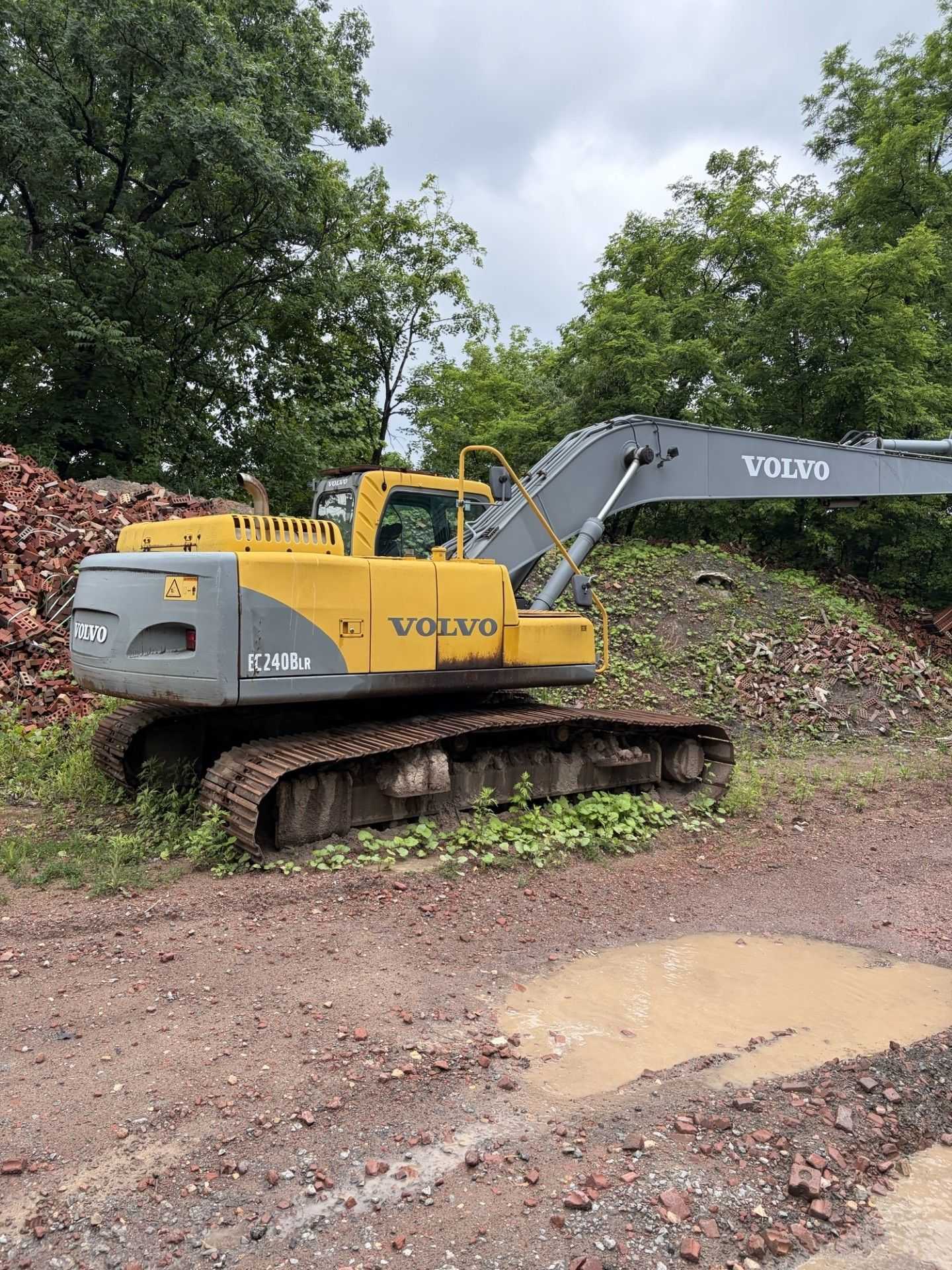
2004 Volvo EC240BLR Long Reach Crawler Excavator, 180HP, 60 ft Reach, Bucket Included
$62,894
$1,042/moPennsylvania
Specifications & Market Value
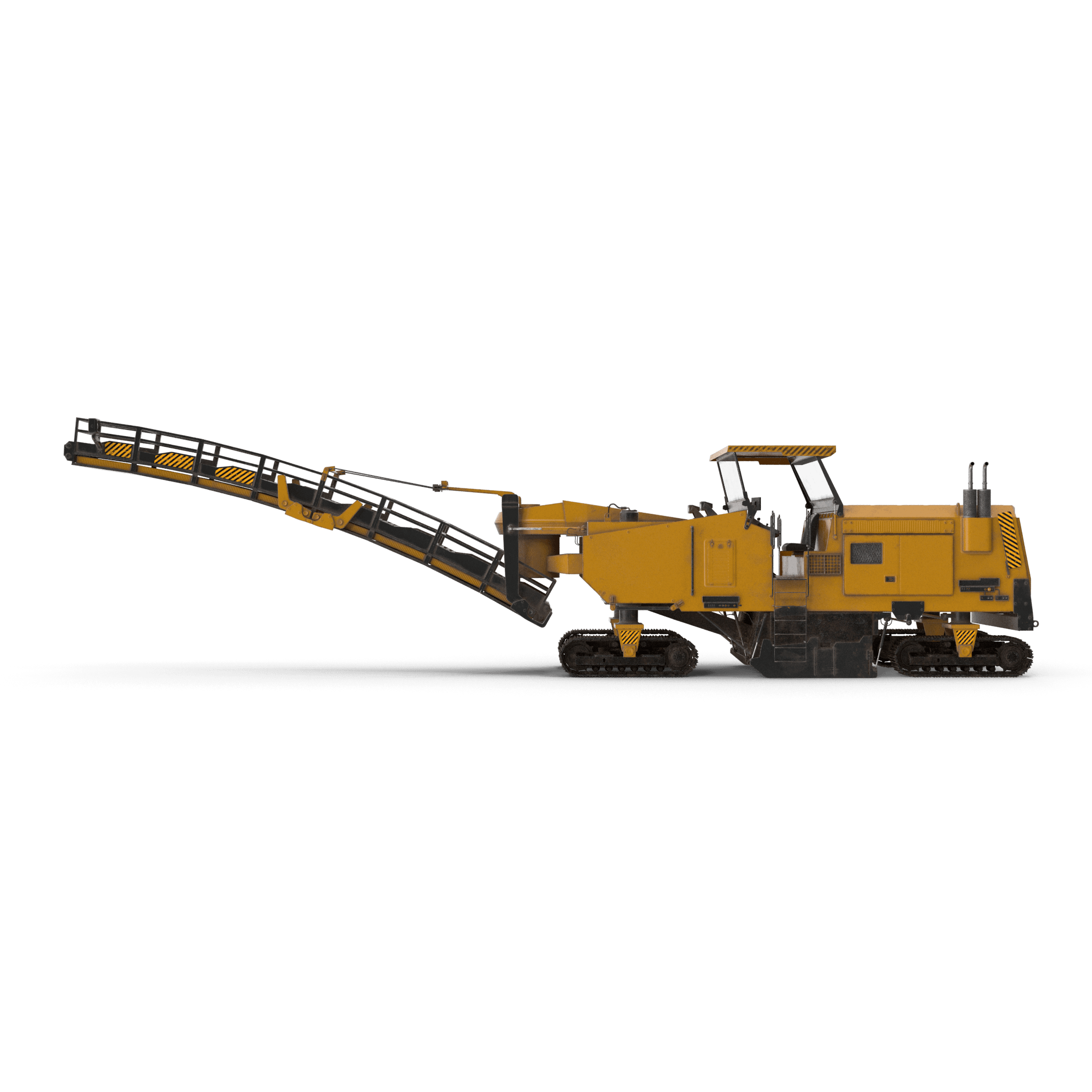
 Reference image
The Komatsu JV25CW-2 is a compact static smooth drum roller designed for efficient soil and asphalt compaction. It features a front drum diameter of 2.3 feet (26.6 inches) with a width of 47.3 inches, delivering a centrifugal force of 4,630 lbs at a vibration frequency of 55 vpm, ensuring effective compaction performance. The machine measures 8.7 feet in overall length, has a wheelbase of 6.4 feet, and a ground clearance of 7.7 inches, making it maneuverable on various construction sites. The roller stands 5.3 feet tall at the top of the cab, balancing operator visibility and machine compactness. Powered by a Komatsu 3D84E engine, it is a 3-cylinder, 4-stroke diesel engine with a displacement of 91.3 cubic inches (approximately 1.5 liters), producing 25.4 hp (19 kW) at 2,300 rpm. This engine model is known for reliability and fuel efficiency, with a fuel capacity of 9.6 gallons, supporting extended operation times. The roller operates at a maximum speed of 6.3 mph (10 kph) and has an operating weight of 5,379.3 lbs, providing sufficient ground pressure for compaction without excessive soil disturbance. Overall, the Komatsu JV25CW-2 smooth drum roller combines compact dimensions, adequate power, and robust vibration capabilities to offer reliable performance for small to medium-sized compaction projects in construction and road maintenance applications.
Specifications, market trends, and valuation estimates are compiled from manufacturer documentation, historical sales, and industry sources. While care is taken to ensure accuracy, this information is provided for reference purposes only and may contain errors or omissions. Users should independently verify all data before making buying or selling decisions. Valuations do not represent guaranteed transaction prices or binding offers, and Aucto assumes no liability for decisions made using this data.
Spot an error or missing detail? Help us keep our equipment guides accurate for the community.

 A+
A+ Auction Value
$29,500
 Range$10,000 – $40,000
 Sells in ~ 30 days
 Retail Value
—
Sells in ~ 180 days
Item functions as originally intended, shows signs of normal wear. Change the condition to see how it moves both values.
Marketplace

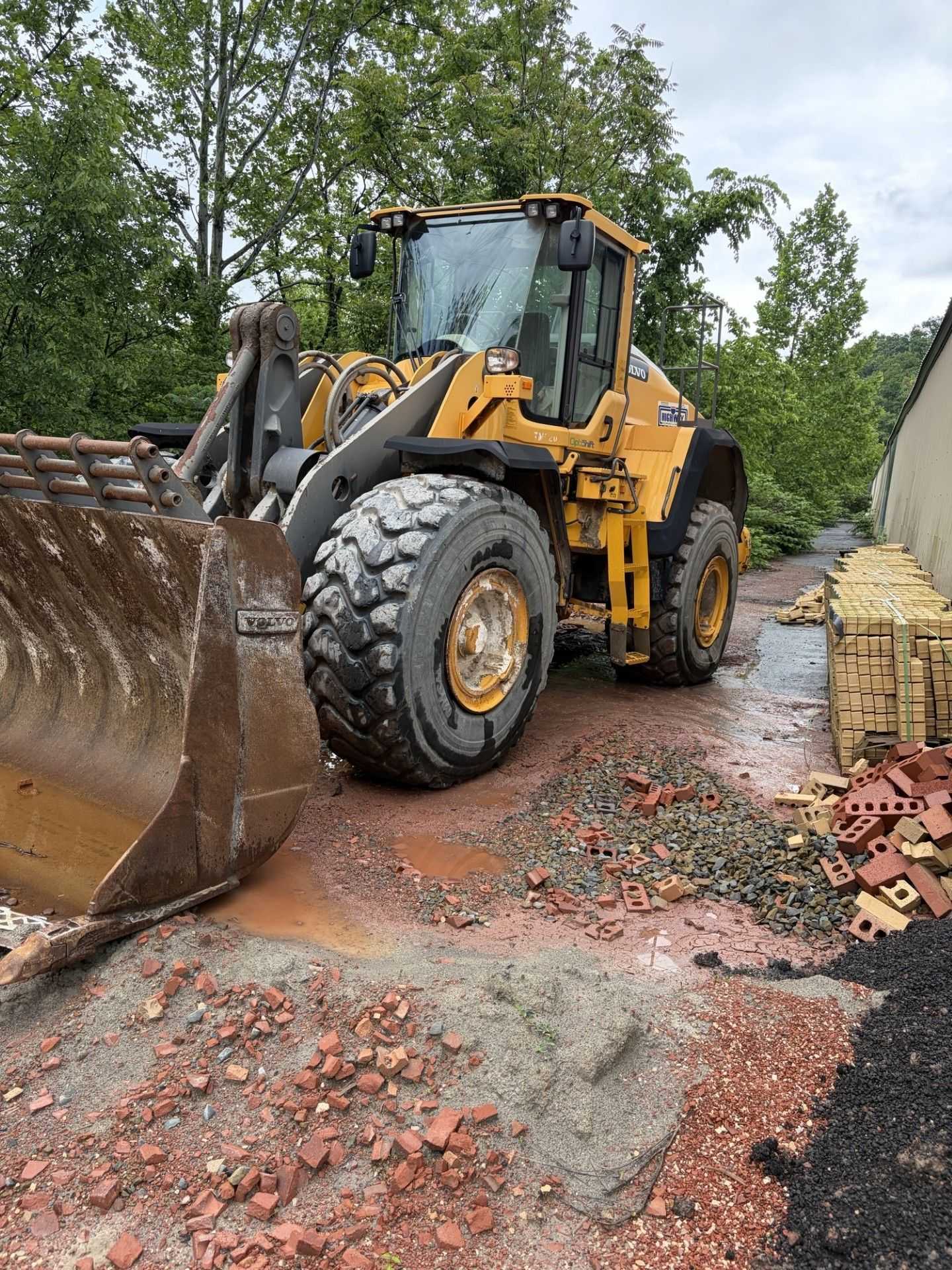
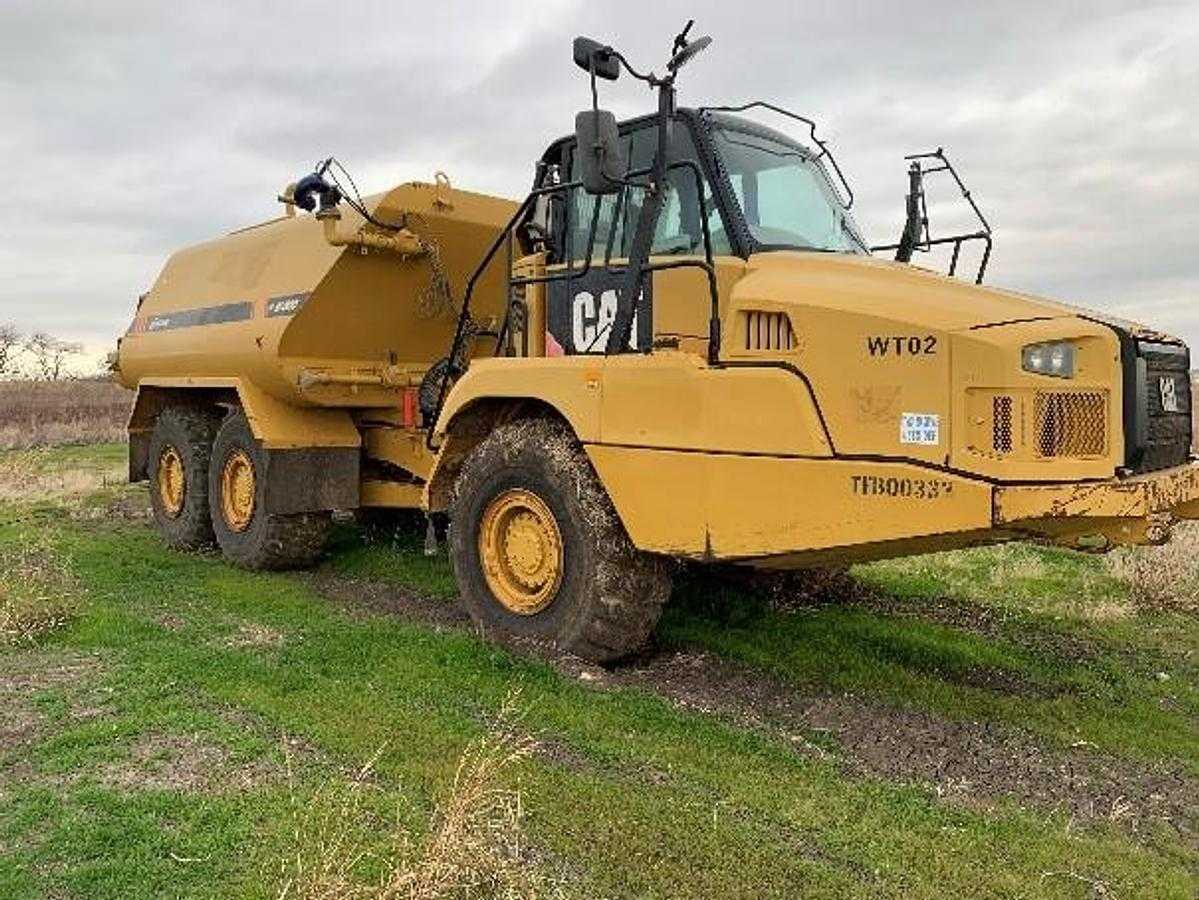
| Attribute | SelectedKOMATSU JV25CW-2 STATIC SMOOTH DRUM ROLLER | KOMATSU JV25DW-2 STATIC SMOOTH DRUM ROLLER | |
|---|---|---|---|
| OEM | KOMATSU | KOMATSU | |
| Model | JV25CW-2 | JV25DW-2 | |
| Year | - | - | |
| Drum Width | 47 '' | 47 '' | |
| Similarity | — | 100% | |
| Auction Value$10,000 - $40,000Retail Value— | Auction Value$2,000 - $7,979Retail Value— | |
| Current Machine | View Details |