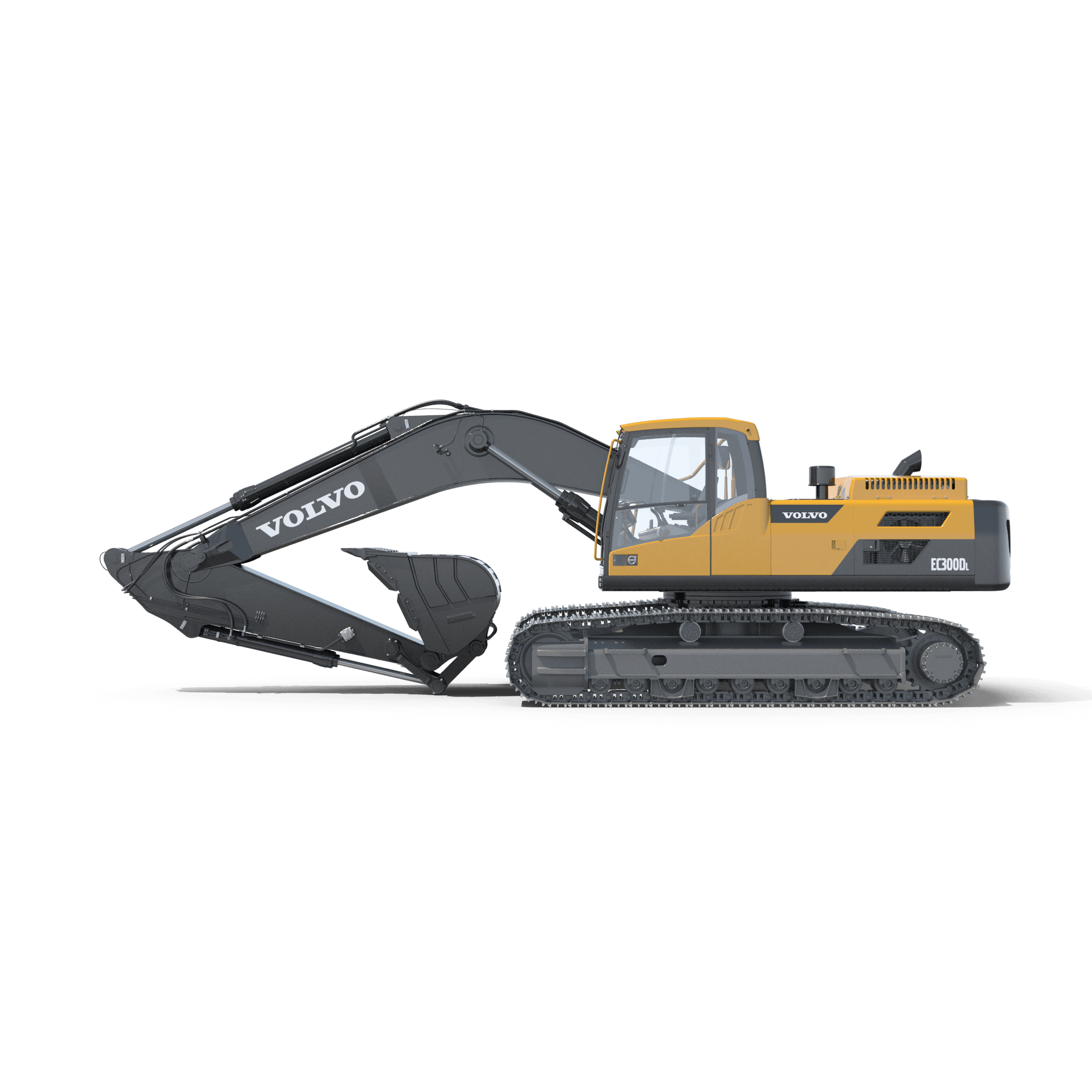
HITACHI ZX190W-3 CRAWLER EXCAVATOR
HITACHI · ZX190W-3
Specifications & Market Value
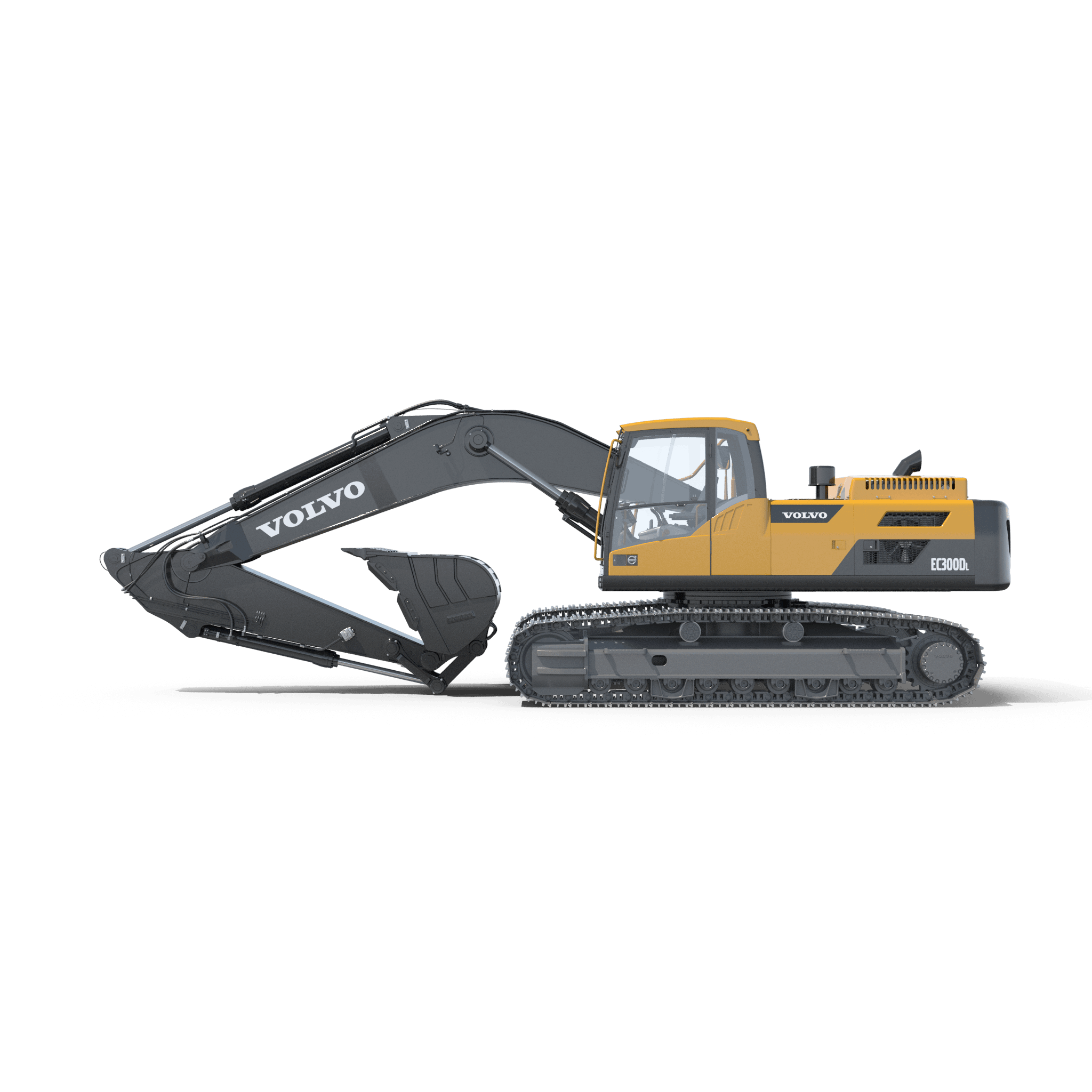
 Reference image
The Komatsu PC160LC-8 is a robust and versatile crawler excavator engineered for demanding construction and excavation tasks. Powered by a Komatsu SAA4D107E-1 turbocharged, air-to-air aftercooled engine, it delivers a net power output of 115 hp (86 kW) at 2200 rpm, ensuring strong performance and fuel efficiency. The engine meets EPA Tier 3 and EU Stage 3A emissions standards, reflecting Komatsu’s commitment to environmental responsibility. With an operating weight of 37,740 lbs (17,120 kg), the PC160LC-8 offers excellent stability and lifting capacity. Its Boom/Stick Excavator Option 1 configuration provides a maximum digging depth of 19.5 ft (5.94 m) and a maximum reach along the ground of 28.8 ft (8.78 m), making it suitable for a wide range of digging and trenching applications. The machine features a high-rigidity work equipment structure and a sturdy frame for enhanced durability and reliability. Maintenance is simplified with long replacement intervals for engine oil, hydraulic oil, and filters, as well as easy access to key service points. The PC160LC-8 is equipped with an automatic air conditioner, a large TFT monitor panel for diagnostics, and multiple working modes—including Power, Lifting, Breaker, Attachment, and Economy—to optimize productivity and fuel usage. Additional safety features include a pressurized cab, rearview camera, and optional FOPS. The excavator’s hydraulic system supports a wide range of attachments, and its travel speed ranges from 3.4 km/h (2.1 mph) in low to 5.5 km/h (3.4 mph) in high, ensuring efficient site mobility.
Specifications, market trends, and valuation estimates are compiled from manufacturer documentation, historical sales, and industry sources. While care is taken to ensure accuracy, this information is provided for reference purposes only and may contain errors or omissions. Users should independently verify all data before making buying or selling decisions. Valuations do not represent guaranteed transaction prices or binding offers, and Aucto assumes no liability for decisions made using this data.
Spot an error or missing detail? Help us keep our equipment guides accurate for the community.

 A+
A+ Auction Value
$119,000
 Sells in ~ 30 days
 Retail Value
—
Sells in ~ 180 days
Item functions as originally intended, shows signs of normal wear. Change the condition to see how it moves both values.
Market Intelligence
HITACHI · ZX190W-3
HITACHI · ZX180W
LINK BELT · 210 X2
CATERPILLAR · 322C L
CASE · WX240
DOOSAN · DX210W
CATERPILLAR · 320C LN
TEREX · TXC 255LC-2