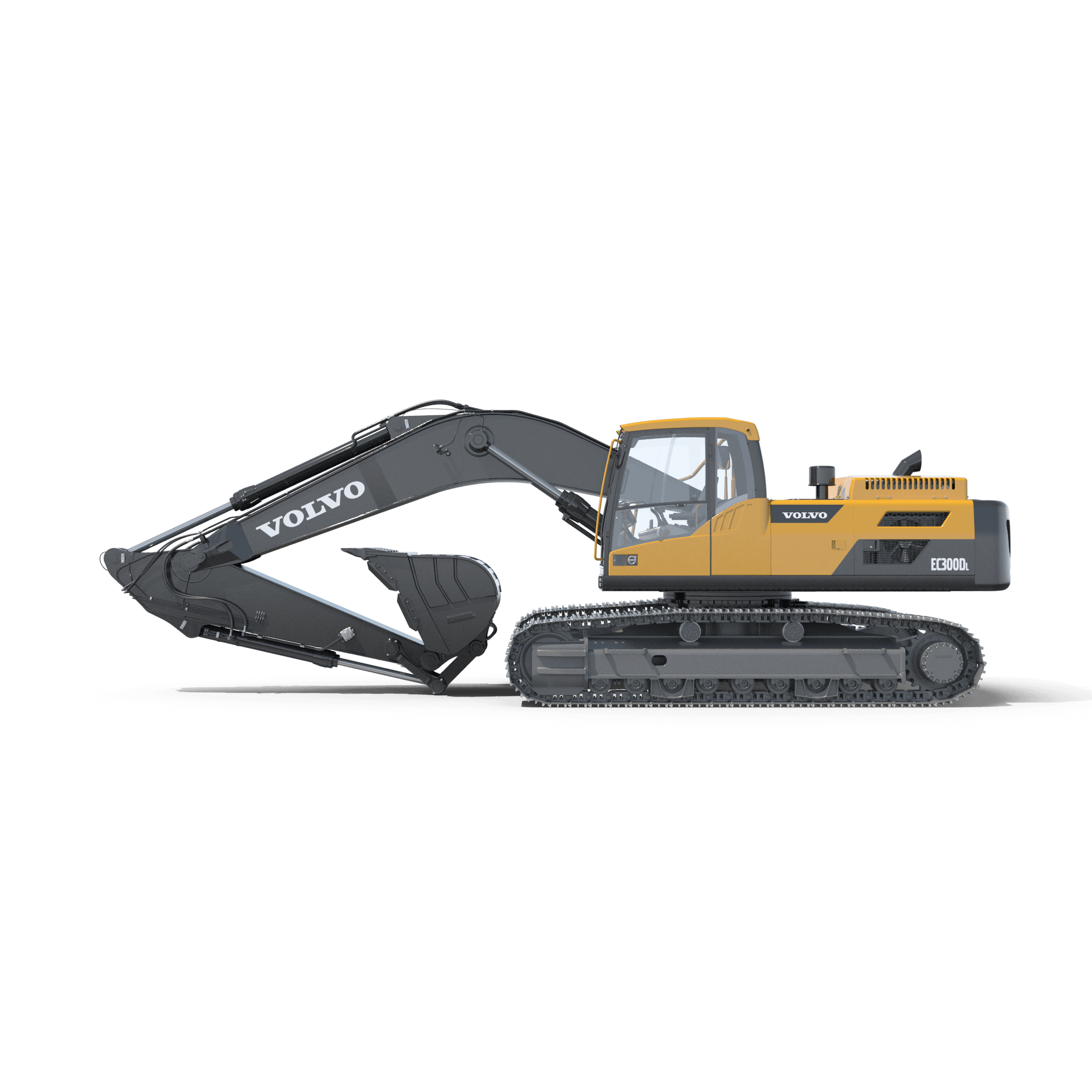
HITACHI ZX190W-3 CRAWLER EXCAVATOR
HITACHI · ZX190W-3
Specifications & Market Value
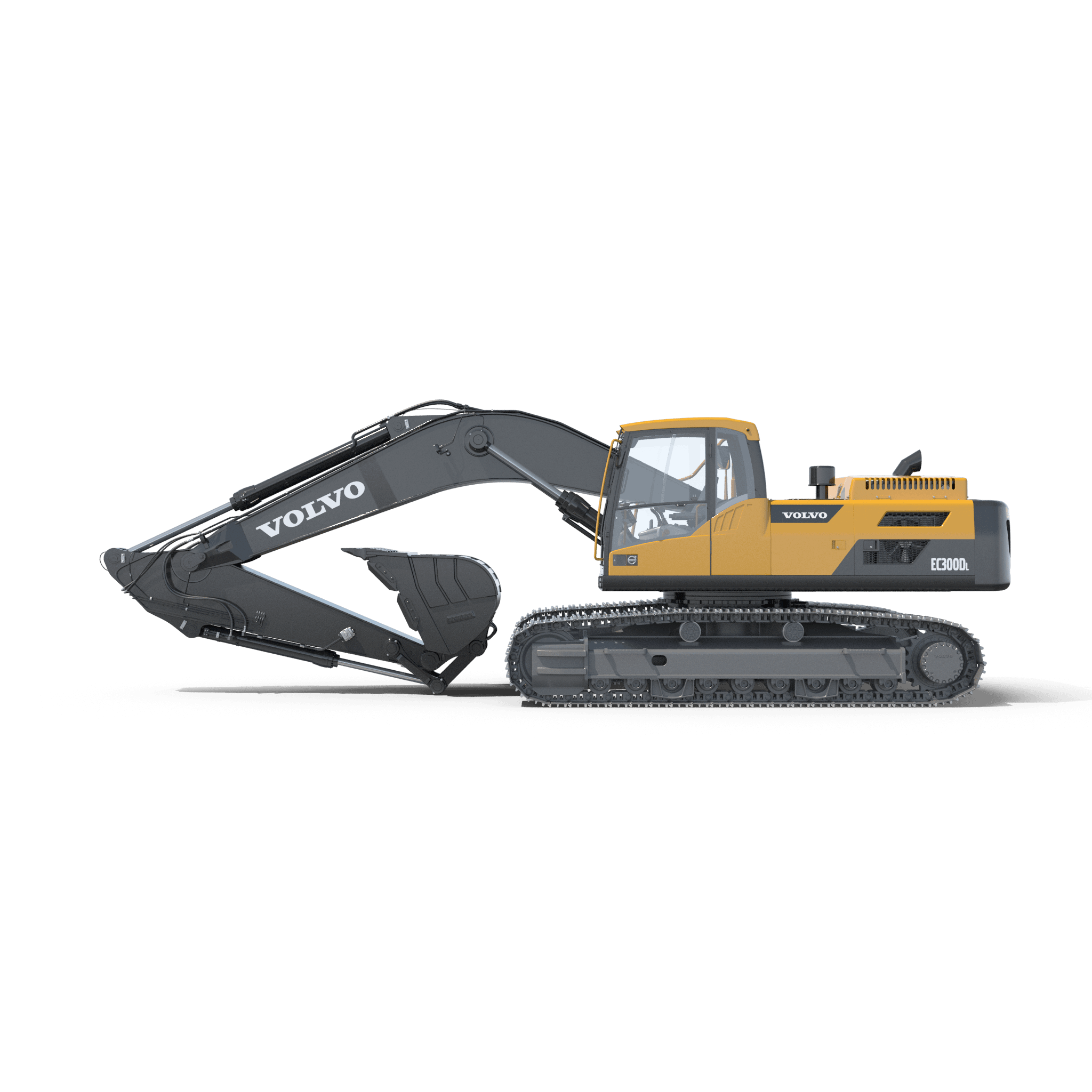
 Reference image
The Komatsu PC238USLC-11 is a mid-size hydraulic excavator engineered for versatile construction and demolition applications. Powered by the Komatsu SAA6D107E-3 engine, this machine delivers 165 horsepower at 2,000 rpm, providing robust performance for demanding tasks. The excavator features an operating weight of 55,660 pounds, balancing substantial digging force with excellent maneuverability on job sites. With a maximum digging depth of 21.8 feet and maximum reach along the ground of 32.4 feet, the PC238USLC-11 offers exceptional working range capabilities. The machine is equipped with a standard bucket capacity of 1.57 cubic yards and delivers an arm tearout force of 24,250 pounds force, enabling efficient material handling and breaking operations. Its advanced Tier 4 Final certified engine incorporates Variable Geometry Turbo and Komatsu Diesel Particulate Filter technology, ensuring reduced emissions while maintaining operational efficiency. The compact tail swing radius design makes this excavator ideal for confined urban environments and limited-space job sites where maneuverability is critical. Six selectable working modes—P, E, L, B, ATT/P, and ATT/E—allow operators to optimize performance according to specific operational requirements, enhancing fuel efficiency across various applications. Additional features include KOMTRAX telematics for real-time equipment monitoring, closed-center load sensing hydraulic systems, automatic idle management, and a comfortable ROPS cab with comprehensive safety systems, making the PC238USLC-11 a dependable choice for professional construction operations.
Specifications, market trends, and valuation estimates are compiled from manufacturer documentation, historical sales, and industry sources. While care is taken to ensure accuracy, this information is provided for reference purposes only and may contain errors or omissions. Users should independently verify all data before making buying or selling decisions. Valuations do not represent guaranteed transaction prices or binding offers, and Aucto assumes no liability for decisions made using this data.
Spot an error or missing detail? Help us keep our equipment guides accurate for the community.

 A+
A+ Auction Value
$89,000
 Sells in ~ 30 days
 Retail Value
—
Sells in ~ 180 days
Item functions as originally intended, shows signs of normal wear. Change the condition to see how it moves both values.
Market Intelligence
HITACHI · ZX190W-3
HITACHI · ZX180W
LINK BELT · 210 X2
CATERPILLAR · 322C L
CASE · WX240
DOOSAN · DX210W
CATERPILLAR · 320C LN
TEREX · TXC 255LC-2