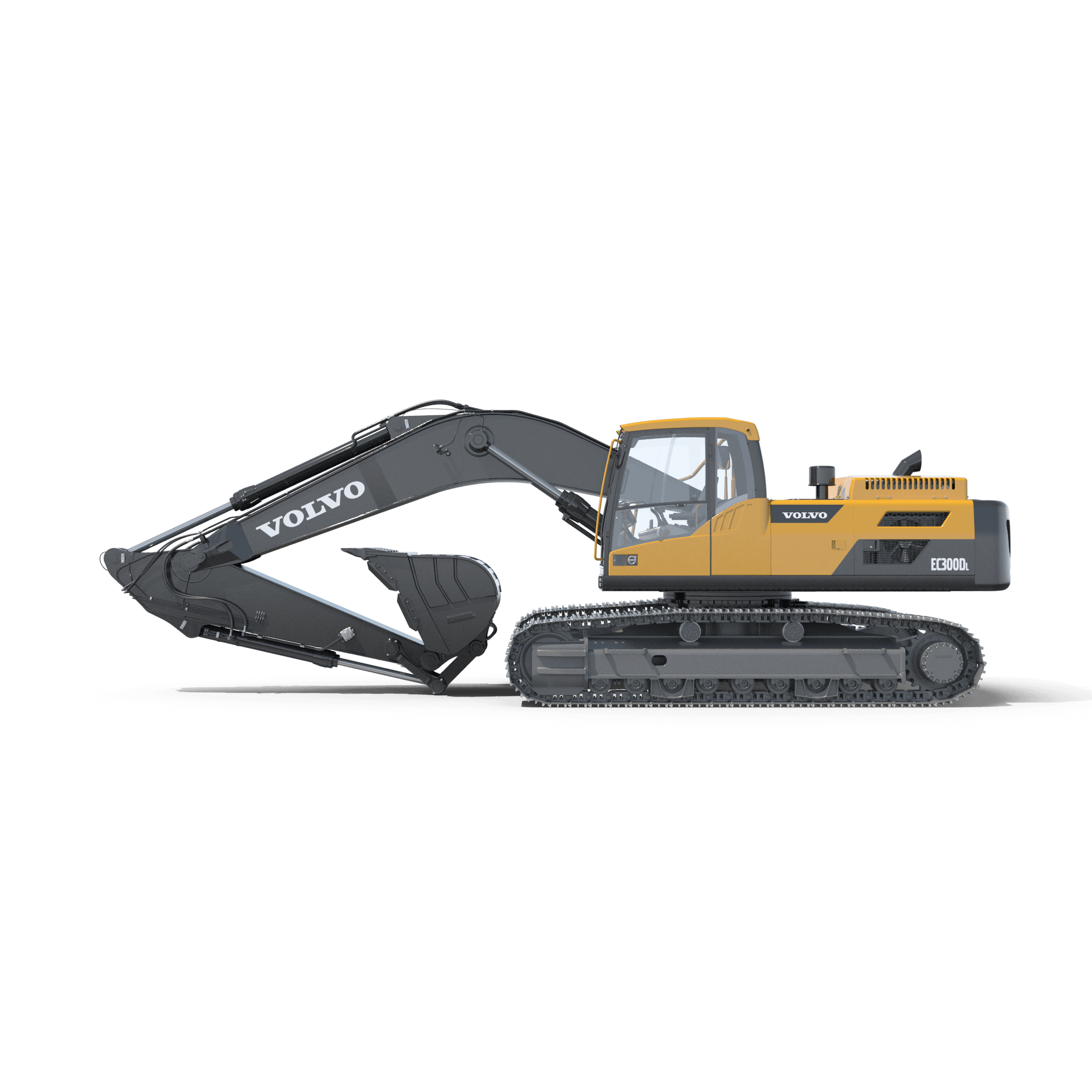
HITACHI ZX190W-3 CRAWLER EXCAVATOR
HITACHI · ZX190W-3
Specifications & Market Value
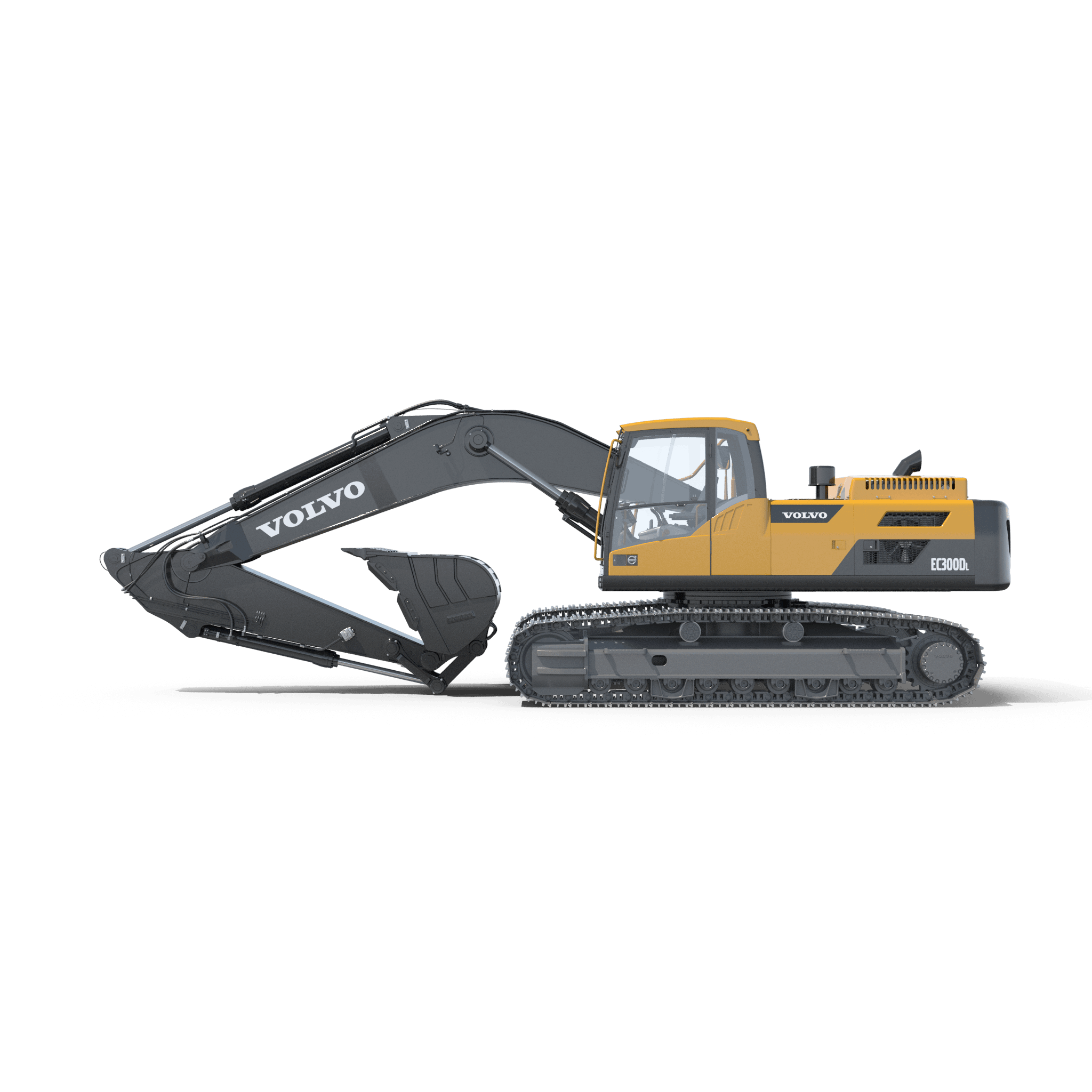
 Reference image
The Komatsu PC300LC-7 is a mid-sized hydraulic crawler excavator engineered for demanding excavation and material handling applications. Powered by a Komatsu SAA6D114E turbocharged, water-cooled engine, this machine delivers 242 horsepower (180 kilowatts) at 1900 rpm, providing exceptional hydraulic power and improved fuel efficiency. The excavator features a variable displacement piston pump system with maximum flow capacity of 535 liters per minute, enabling smooth compound movements and versatile operation across multiple work modes including economic, standard, and load-sensitive configurations. With an operating weight ranging from 31,520 to 33,954 kilograms (69,490 to 74,856 pounds), the PC300LC-7 achieves impressive digging performance. The machine boasts a maximum digging depth of 7.38 meters (24 feet) and maximum digging reach of 10.155 meters (33 feet), with bucket digging force of 228 kilonewtons and arm crowd force of 225 kilonewtons. Ground pressure of 65.7 kilopascals ensures minimal ground disturbance and ground compatibility. The undercarriage incorporates eight track rollers per side and triple-grouser shoes at 600 millimeters width, supporting a drawbar pull of 59,300 pounds. Maximum travel speed reaches 5.5 kilometers per hour (3.4 mph) in high-speed auto-shift mode. The spacious cab, increased by 14 percent in volume, provides operator comfort with suspension seating, multi-function color monitor, and comprehensive visibility. Standard capacities include a 605-liter fuel tank, 188-liter hydraulic system, and swing speed of 9.5 rpm, making this excavator ideal for construction, mining, and heavy earthmoving operations.
Specifications, market trends, and valuation estimates are compiled from manufacturer documentation, historical sales, and industry sources. While care is taken to ensure accuracy, this information is provided for reference purposes only and may contain errors or omissions. Users should independently verify all data before making buying or selling decisions. Valuations do not represent guaranteed transaction prices or binding offers, and Aucto assumes no liability for decisions made using this data.
Spot an error or missing detail? Help us keep our equipment guides accurate for the community.

 A+
A+ Auction Value
$159,000
 Sells in ~ 30 days
 Retail Value
—
Sells in ~ 180 days
Item functions as originally intended, shows signs of normal wear. Change the condition to see how it moves both values.
Market Intelligence
HITACHI · ZX190W-3
HITACHI · ZX180W
LINK BELT · 210 X2
CATERPILLAR · 322C L
CASE · WX240
DOOSAN · DX210W
CATERPILLAR · 320C LN
TEREX · TXC 255LC-2