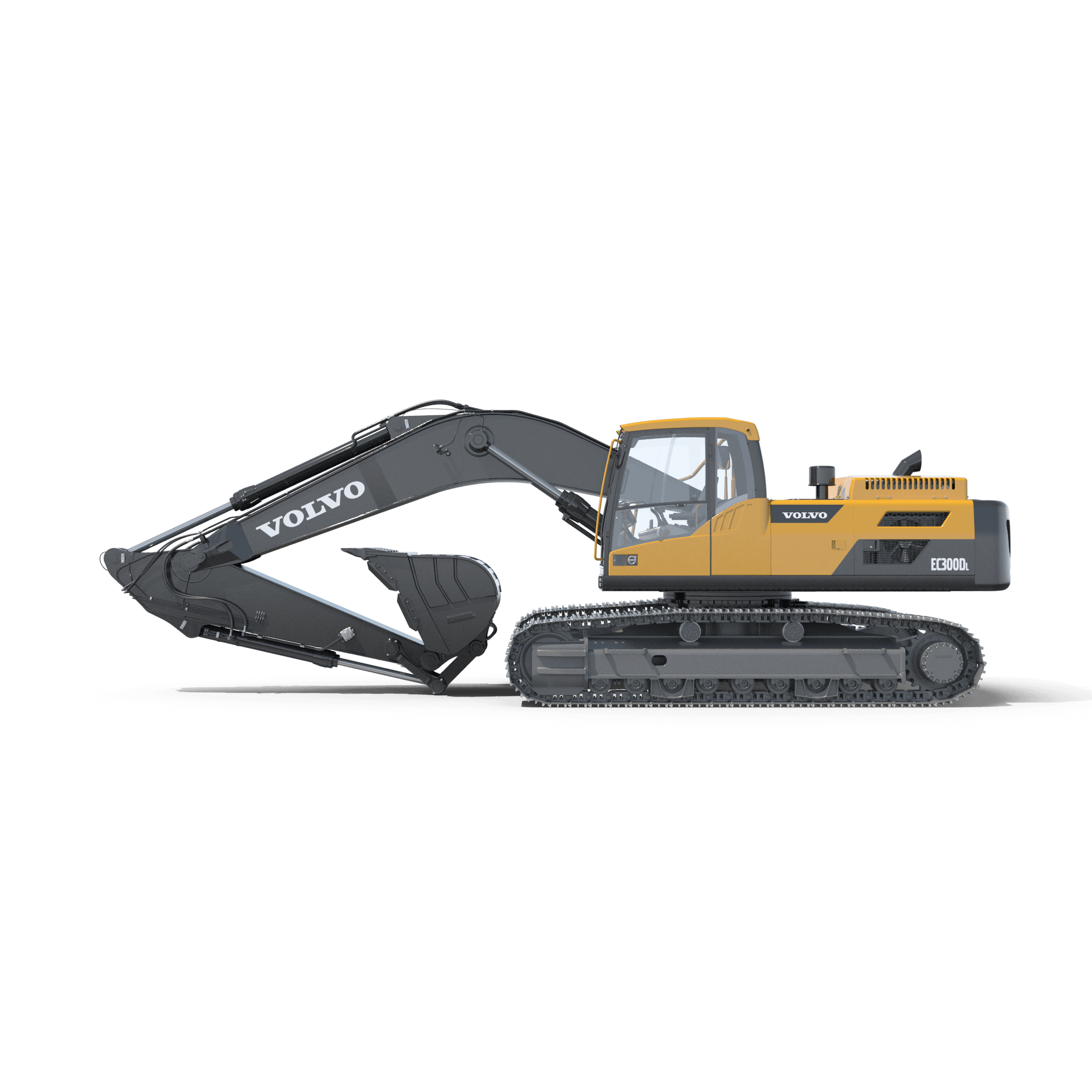
KOBELCO SK850LC CRAWLER EXCAVATOR
KOBELCO · SK850LC
Specifications & Market Value
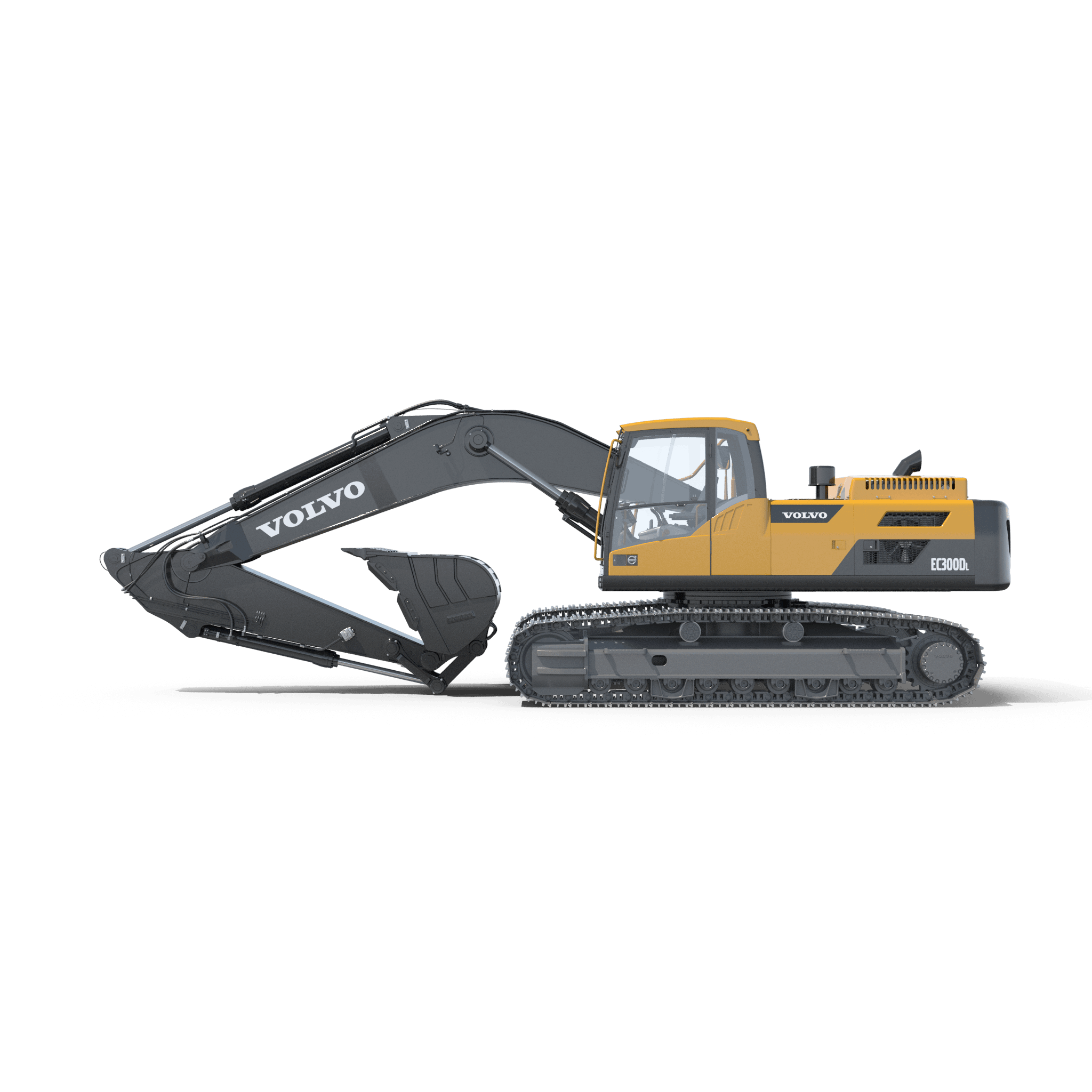
 Reference image
The Komatsu PC600LC-8 SE Boom/Arm is a large-scale hydraulic crawler excavator engineered for demanding earthmoving and material handling applications. This machine features a robust SAA6D140E-5 engine delivering 429 net horsepower (320 kW) at 1800 RPM, coupled with an open-center load-sensing hydraulic system that optimizes fuel efficiency and operational performance. The excavator operates at a total weight of 134,260 pounds, distributing its mass across a 600mm track undercarriage with triple grouser shoes for superior traction and ground mobility across varied terrain. The SE boom and arm configuration provides a maximum digging depth of 23.2 feet and an impressive 37-foot digging reach, enabling operators to access materials across extensive work areas. The standard bucket capacity measures 3.5 cubic meters (4.58 cubic yards SAE heaped), with a maximum bucket digging force of 317 kilonewtons (32.3 tons) when equipped with the Power Max function. The machine achieves a swing speed of 8.3 RPM, facilitating efficient material placement and repositioning. The PC600LC-8 incorporates advanced operator-centric features including selectable Power and Economy modes with four-level Economy settings to match production requirements while minimizing fuel consumption. The hydraulic system operates at pressures up to 34.3 MPa in the travel circuit, 31.9 MPa in the backhoe circuit, and 25.5 MPa in the swing circuit. Built to U.S. EPA Tier 2 and EU Stage 2 emissions standards, this excavator combines reliable performance with environmental compliance, making it suitable for mining, quarrying, construction, and heavy earthmoving operations.
Specifications, market trends, and valuation estimates are compiled from manufacturer documentation, historical sales, and industry sources. While care is taken to ensure accuracy, this information is provided for reference purposes only and may contain errors or omissions. Users should independently verify all data before making buying or selling decisions. Valuations do not represent guaranteed transaction prices or binding offers, and Aucto assumes no liability for decisions made using this data.
Spot an error or missing detail? Help us keep our equipment guides accurate for the community.

 A+
A+ Auction Value
$73,500
 Sells in ~ 30 days
 Retail Value
—
Sells in ~ 180 days
Item functions as originally intended, shows signs of normal wear. Change the condition to see how it moves both values.
Market Intelligence
KOBELCO · SK850LC
VOLVO · EC700B
CATERPILLAR · 385C
LIUGONG · 950E
HYUNDAI · ROBEX 55W-7
HITACHI · ZX870H-3
CATERPILLAR · 385C FS
TATA HITACHI · ZAXIS670LCH