Buy Now
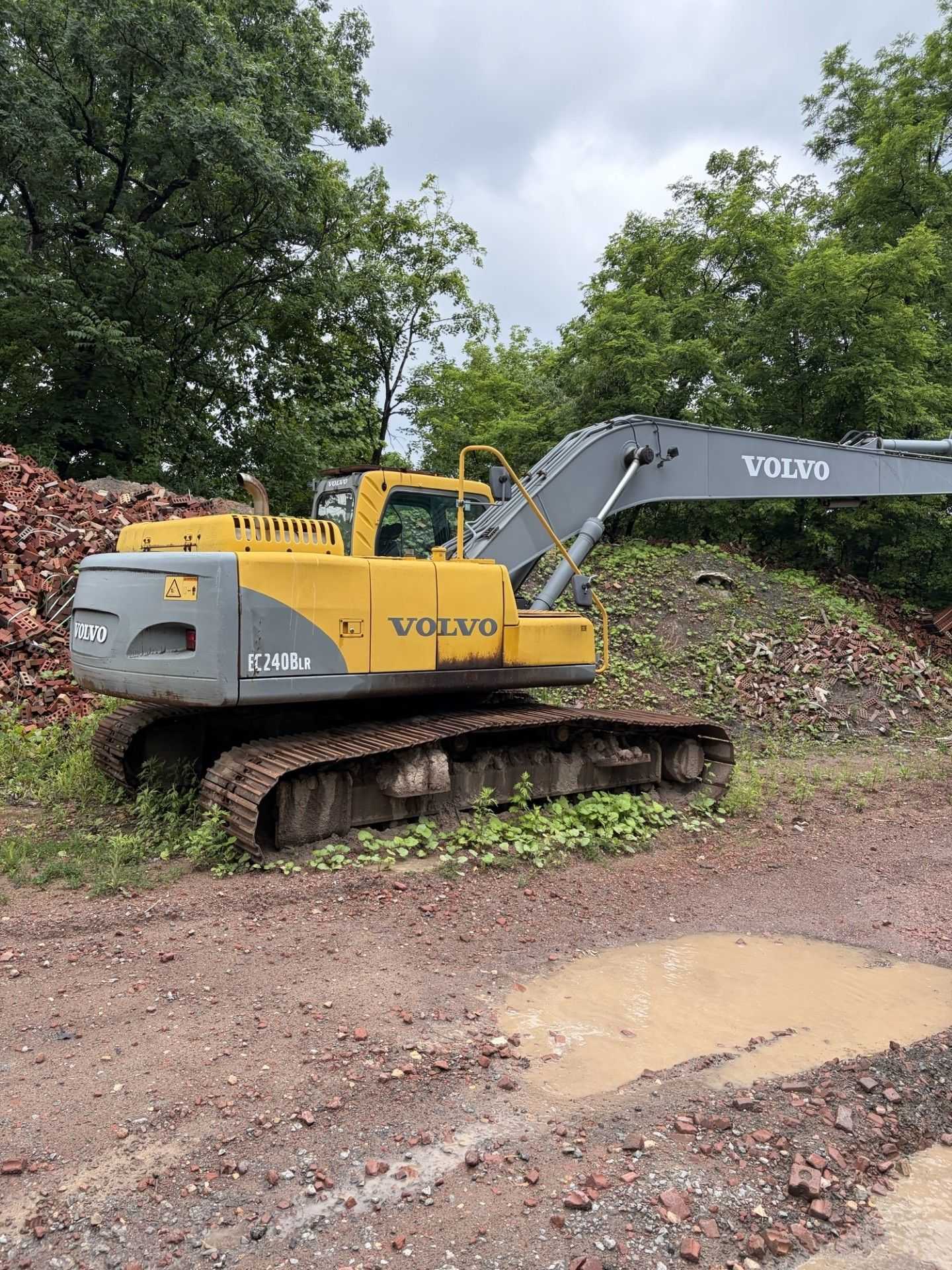
2004 Volvo EC240BLR Long Reach Crawler Excavator, 180HP, 60 ft Reach, Bucket Included
$62,894
$1,042/moPennsylvania
Specifications & Market Value
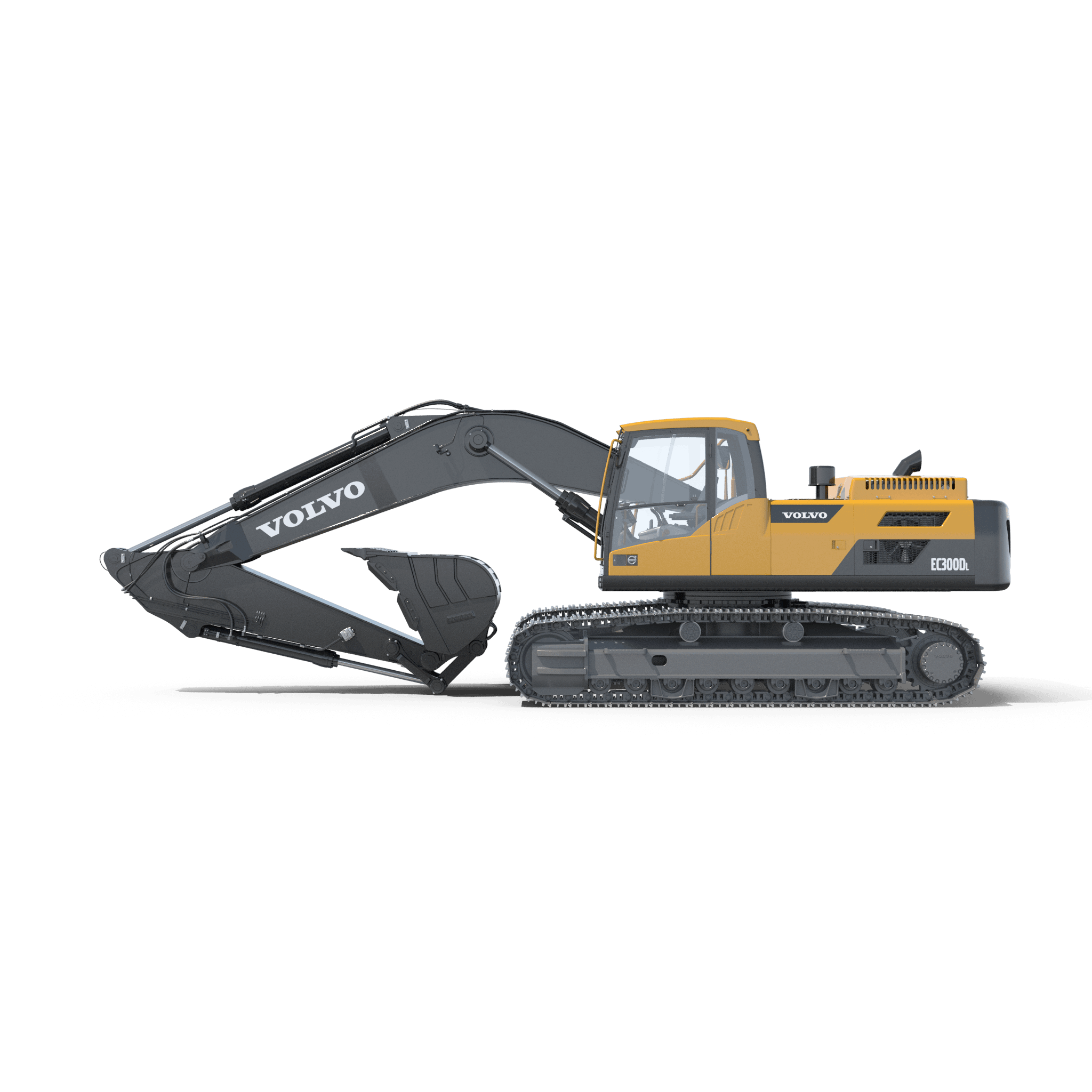
 Reference image
The Komatsu PW95R-2 is a versatile wheeled excavator designed for efficient performance in urban and constrained environments. It features a 4-cylinder Komatsu 4D106-1FB engine with a displacement of 269.3 cubic inches, delivering a net power output of 82.5 hp (61 kW) at 2200 rpm and a peak net torque of 228.7 lb-ft at 1500 rpm. The machine operates on a hydrostatic transmission with 2 forward and 2 reverse gears, allowing a maximum travel speed of 19.3 mph (31 kph), facilitating rapid site mobility. Its hydraulic system is powered by a variable displacement axial piston pump with a flow capacity of 47.6 gallons per minute and relief valve pressure of 3988.6 psi, ensuring smooth, responsive control and powerful bucket operation. Dimensionally, the PW95R-2 has a ground clearance of 1.4 feet, a wheelbase of 7.3 feet, an overall cab height of 10 feet, an overall width of 7.6 feet, a tail swing radius of 5.2 feet, and an upper structure clearance of 3.7 feet, enabling it to navigate tight job sites with ease. It weighs approximately 22,266.7 lbs, providing both stability and maneuverability. The standard bucket capacity ranges from a minimum of 0.2 to a maximum of 0.5 cubic yards, with a reference bucket capacity of 0.4 cubic yards, suitable for medium excavation tasks. Equipped with an 80-amp alternator and 12-volt electrical system, the PW95R-2 integrates robust electrical components supporting auxiliary functions. Tires sized 8.25-20 provide ground traction and mobility. The swing mechanism operates at a speed of 9 rpm, allowing precise positioning of the boom. This model is suited for tasks requiring compact size without sacrificing hydraulic power and mobility, making it ideal for construction, landscaping, and municipal works.
Specifications, market trends, and valuation estimates are compiled from manufacturer documentation, historical sales, and industry sources. While care is taken to ensure accuracy, this information is provided for reference purposes only and may contain errors or omissions. Users should independently verify all data before making buying or selling decisions. Valuations do not represent guaranteed transaction prices or binding offers, and Aucto assumes no liability for decisions made using this data.
Spot an error or missing detail? Help us keep our equipment guides accurate for the community.

 A+
A+ Auction Value
$15,290
 Range$5,000 – $20,830
 Sells in ~ 30 days
 Retail Value
—
Sells in ~ 180 days
Item functions as originally intended, shows signs of normal wear. Change the condition to see how it moves both values.
Marketplace

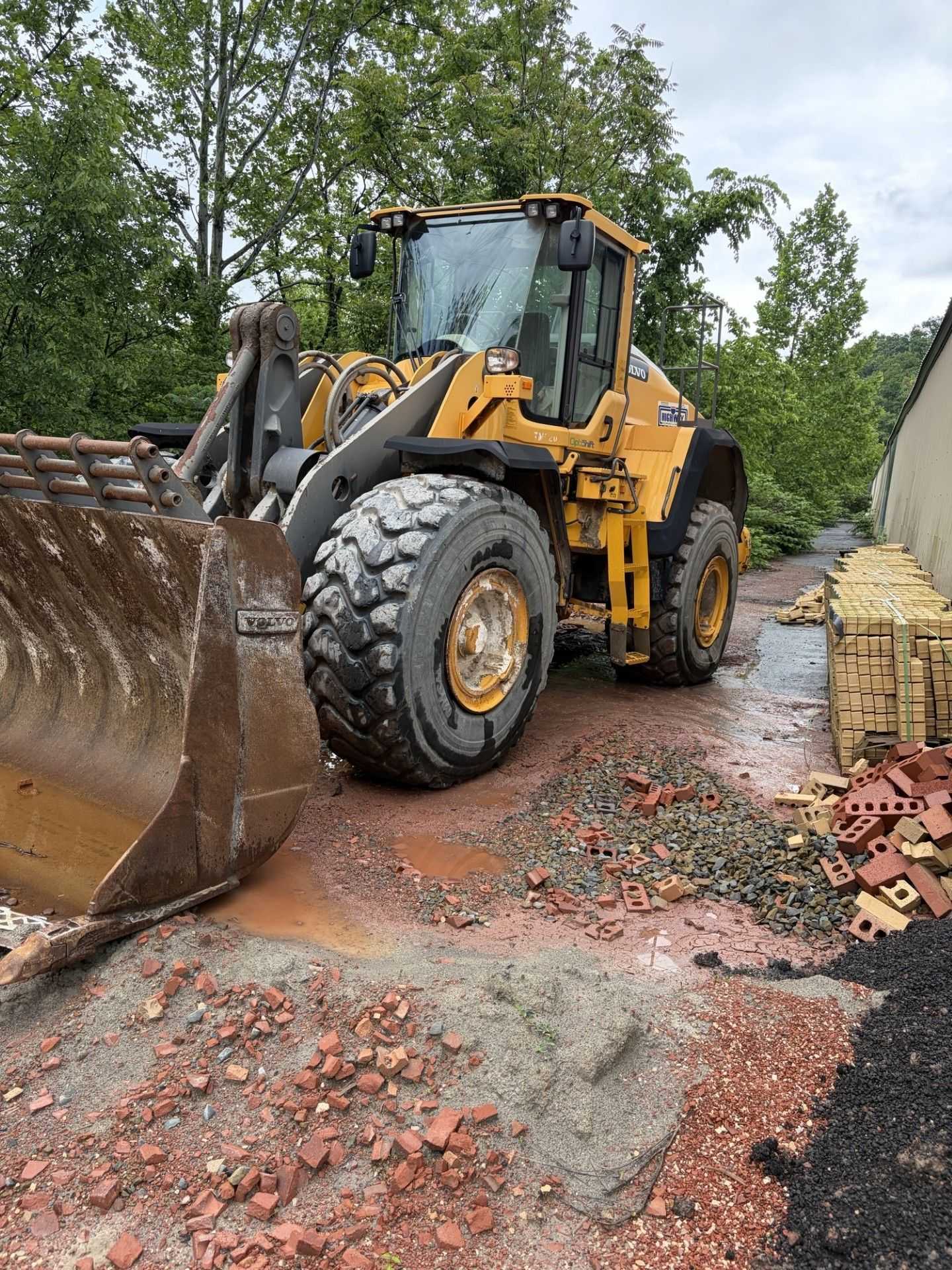
| Attribute | SelectedKOMATSU PW95R-2 CRAWLER EXCAVATOR | KOMATSU PW95-1 CRAWLER EXCAVATOR | |
|---|---|---|---|
| OEM | KOMATSU | KOMATSU | |
| Model | PW95R-2 | PW95-1 | |
| Year | - | - | |
| Max Reach | 22.47 ft | 20.80 ft | |
| Similarity | — | 99% | |
| Auction Value$5,000 - $20,830Retail Value— | Auction Value$5,000 - $20,830Retail Value— | |
| Current Machine | View Details |