Buy Now
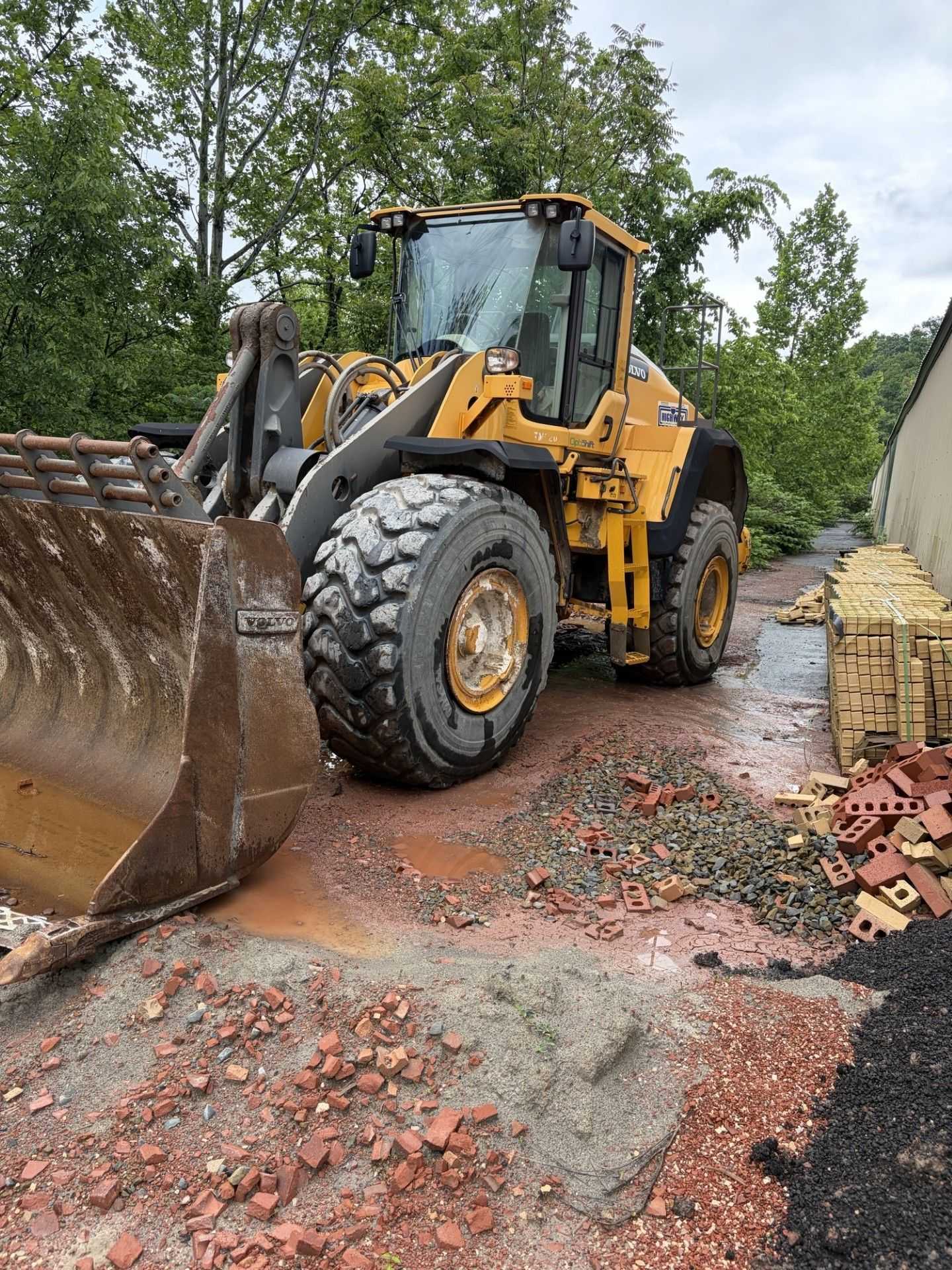
2014 Volvo L150H Wheel Loader, 295HP, Tier 4F, Optishift, Gp Bucket Included
$188,800
$3,128/moPennsylvania
Specifications & Market Value
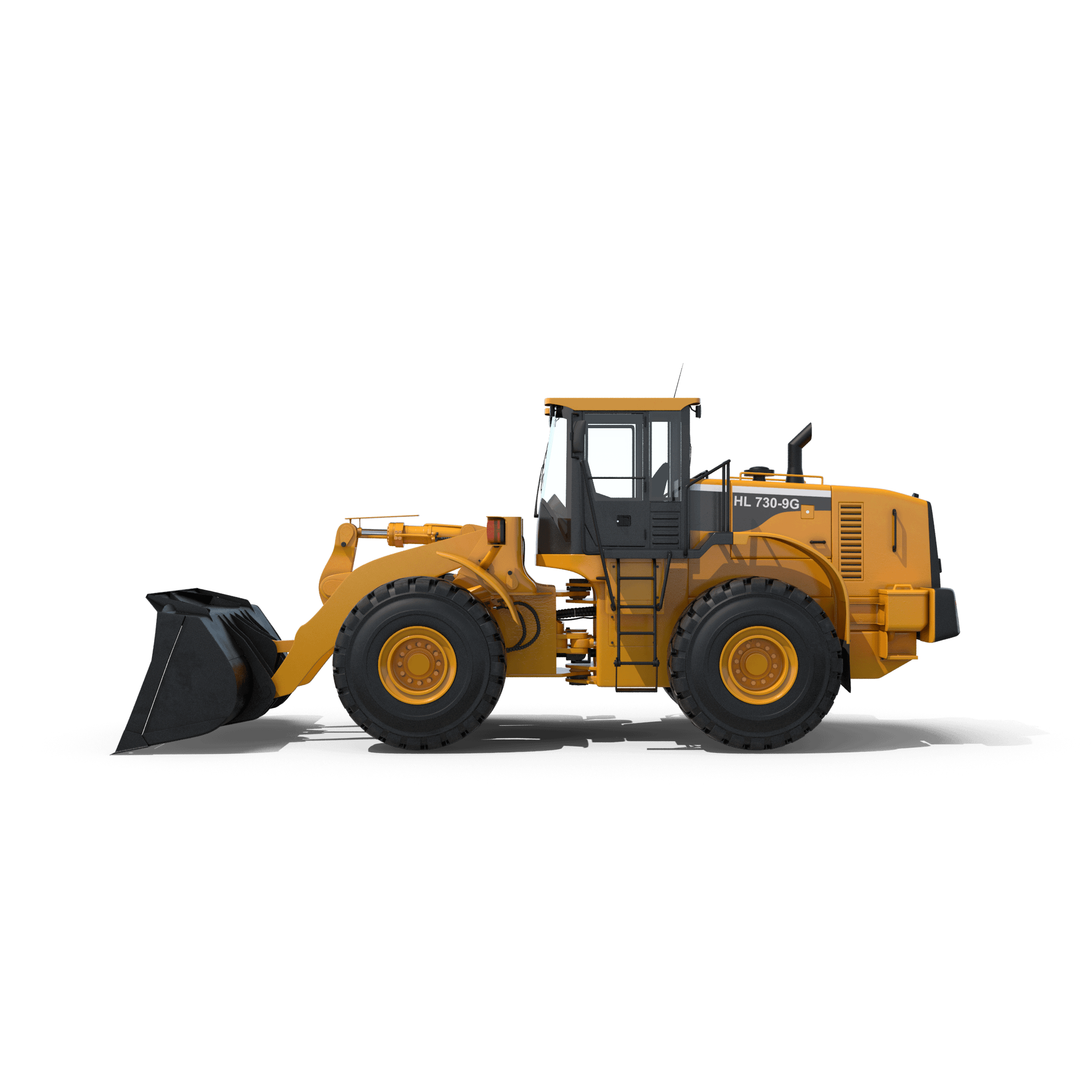
 Reference image
The Komatsu WA470-7 is a robust wheel loader designed for high productivity and efficiency in heavy construction and earthmoving tasks. Powered by a Komatsu SAA6D125E-6 six-cylinder, turbocharged, aftercooled diesel engine, it delivers a net power of 272 hp (203 kW) at 2,000 rpm, complying with EU Stage IIIB and EPA Tier 4 interim emission standards. The loader features a rated bucket capacity between 5.0 to 5.75 cubic yards (3.8 to 4.4 cubic meters), suitable for a variety of materials and applications. It has an operational weight ranging from approximately 52,000 to 52,400 lbs (23,590 to 23,780 kg), balancing stability and maneuverability. The WA470-7’s hydraulic system includes a double-acting boom and bucket cylinders, providing a break-out force near 194 kN and a lifting capability of approximately 232 kN at ground level. The machine offers a maximum dump clearance of 10.4 feet (3 meters) at max lift height, supported by a fast hydraulic cycle with a 6.1-second lift time and 3.1-second empty lowering time. Its full powershift transmission combined with a lock-up torque converter enhances efficiency and smooth operation, enabling travel speeds up to 23.8 mph (38.3 km/h). Dimensionally, the loader measures roughly 9.1 meters in length, 3.17 meters bucket width, and stands about 3.5 meters tall, with a track width of 2.3 meters and ground clearance of approximately 0.5 meters, enabling both robustness and excellent terrain clearance.
Specifications, market trends, and valuation estimates are compiled from manufacturer documentation, historical sales, and industry sources. While care is taken to ensure accuracy, this information is provided for reference purposes only and may contain errors or omissions. Users should independently verify all data before making buying or selling decisions. Valuations do not represent guaranteed transaction prices or binding offers, and Aucto assumes no liability for decisions made using this data.
Spot an error or missing detail? Help us keep our equipment guides accurate for the community.

 A+
A+ Auction Value
$41,573
 Range$10,000 – $58,574
 Sells in ~ 30 days
 Retail Value
—
Sells in ~ 180 days
Item functions as originally intended, shows signs of normal wear. Change the condition to see how it moves both values.
| Attribute | Selected2015-2018 KOMATSU WA470-7 WHEEL LOADER | 2013-2015 KOMATSU WA470-6 WHEEL LOADER | |
|---|---|---|---|
| OEM | KOMATSU | KOMATSU | |
| Model | WA470-7 | WA470-6 | |
| Year | 2015-2018 | 2013-2015 | |
| Engine Power | 272 HP | 272 HP | |
| Max Bucket Capacity | 5.75 yd³ | 5.50 yd³ | |
| Max Dump Height | 10.40 ft | — | |
| Similarity | — | 100% | |
| Auction Value$10,000 - $58,574Retail Value— | Auction Value$10,000 - $58,574Retail Value— | |
| Current Machine | View Details |
Marketplace