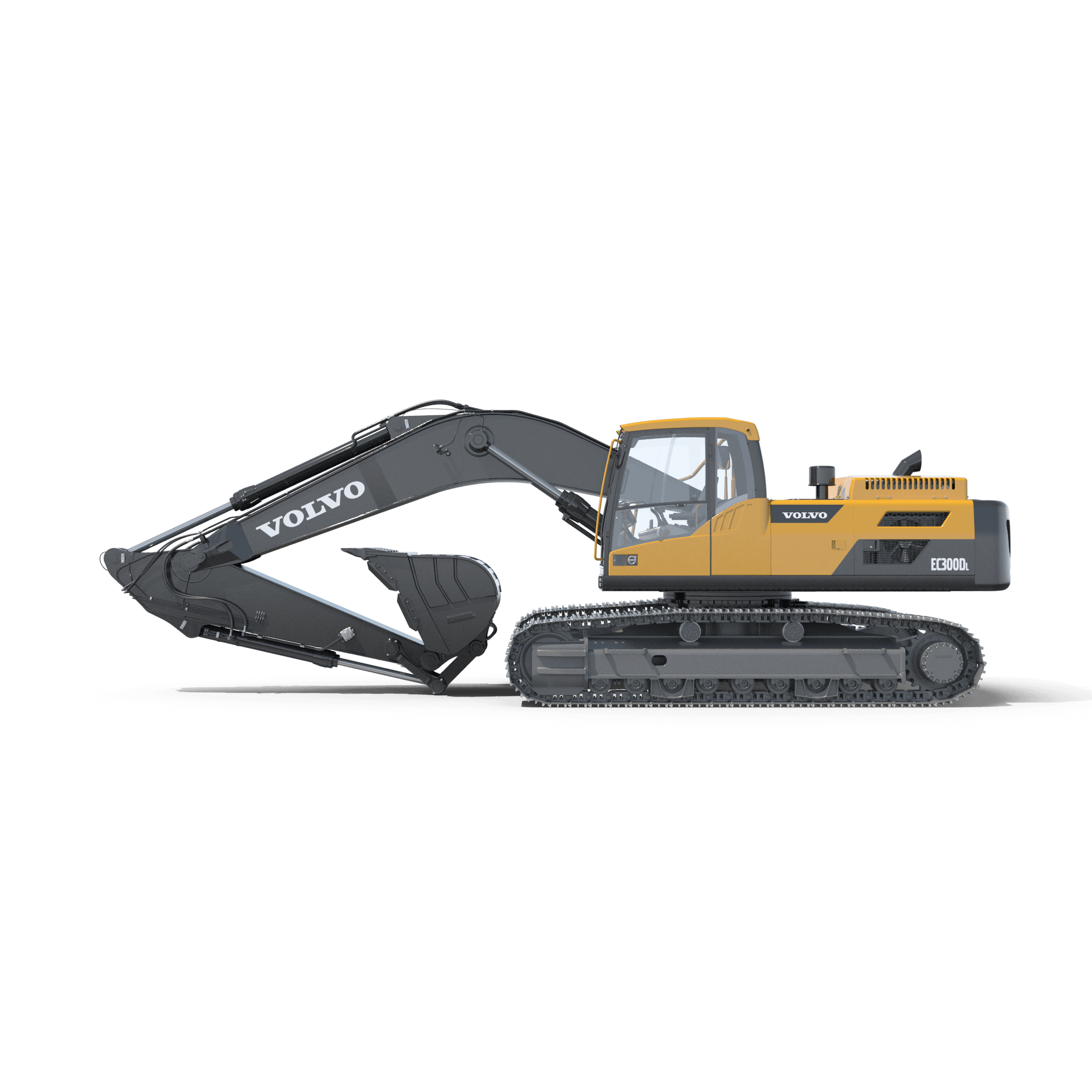
HITACHI ZX190W-3 CRAWLER EXCAVATOR
HITACHI · ZX190W-3
Specifications & Market Value
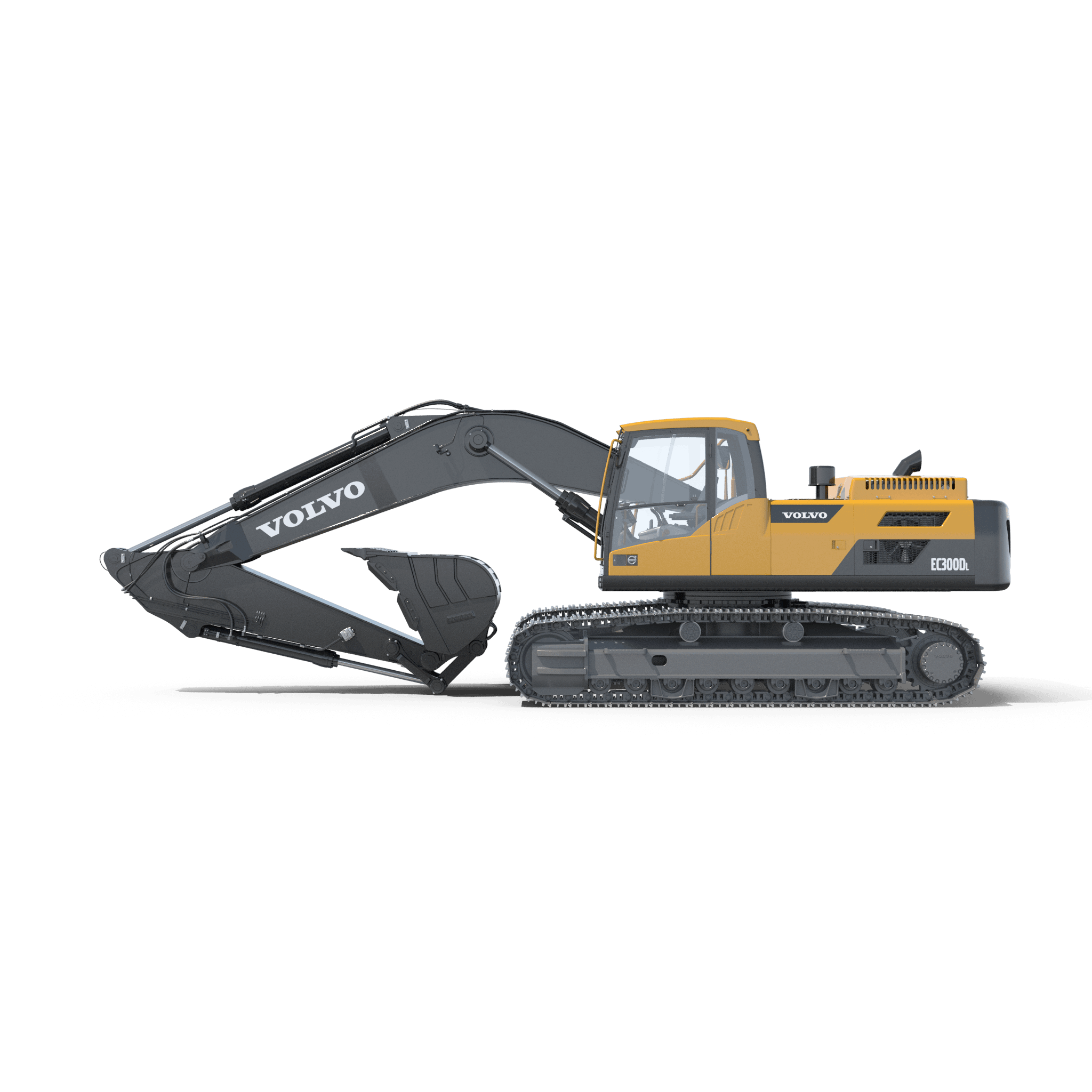
 Reference image
The Liebherr R966 Litronic is a high-performance crawler excavator engineered for demanding earthmoving and quarry applications. This 70-tonne class machine features a robust V8 engine, the D9508 A7 SCR, delivering 435 hp (324 kW) at 1800 rpm and a maximum torque of 2028 lb-ft at 1100 rpm, meeting Tier 4 Final emission standards. The engine is water-cooled with a dry-type air cleaner, ensuring reliable operation under heavy loads. The hydraulic system is optimized for productivity, with a system pressure of 5076 psi and a hydraulic tank capacity of 243 gallons, supporting efficient cycle times and precise control. The R966 Litronic offers multiple boom and stick configurations, providing breakout forces up to 79,590 lbs and digging forces up to 63,270 lbs, with maximum digging depths ranging from 28.5 ft to 34.5 ft depending on the configuration. Maximum reach at ground level extends up to 44.7 ft, while the maximum dumping height reaches 33 ft and the maximum teeth height reaches 44 ft. The excavator is equipped with a large 7.2 cu yd bucket, a 301-gallon fuel tank, and a 48-gallon urea tank for SCR operation. The undercarriage features a 13.3 ft width, 2 ft ground clearance, and a drawbar pull of 107,459 lbs, with a maximum travel speed of 2.5 mph. The electrical system includes a 28 V / 140 A alternator and dual 180 Ah / 12 V batteries, with sensor-controlled engine idling for fuel efficiency. The R966 Litronic combines power, versatility, and advanced technology for maximum productivity on large construction sites and in challenging quarry environments.
Specifications, market trends, and valuation estimates are compiled from manufacturer documentation, historical sales, and industry sources. While care is taken to ensure accuracy, this information is provided for reference purposes only and may contain errors or omissions. Users should independently verify all data before making buying or selling decisions. Valuations do not represent guaranteed transaction prices or binding offers, and Aucto assumes no liability for decisions made using this data.
Spot an error or missing detail? Help us keep our equipment guides accurate for the community.

 A+
A+ Auction Value
$1,250,000
 Sells in ~ 30 days
 Retail Value
—
Sells in ~ 180 days
Item functions as originally intended, shows signs of normal wear. Change the condition to see how it moves both values.
Market Intelligence
HITACHI · ZX190W-3
HITACHI · ZX180W
LINK BELT · 210 X2
CATERPILLAR · 322C L
CASE · WX240
DOOSAN · DX210W
CATERPILLAR · 320C LN
TEREX · TXC 255LC-2