Best Offer
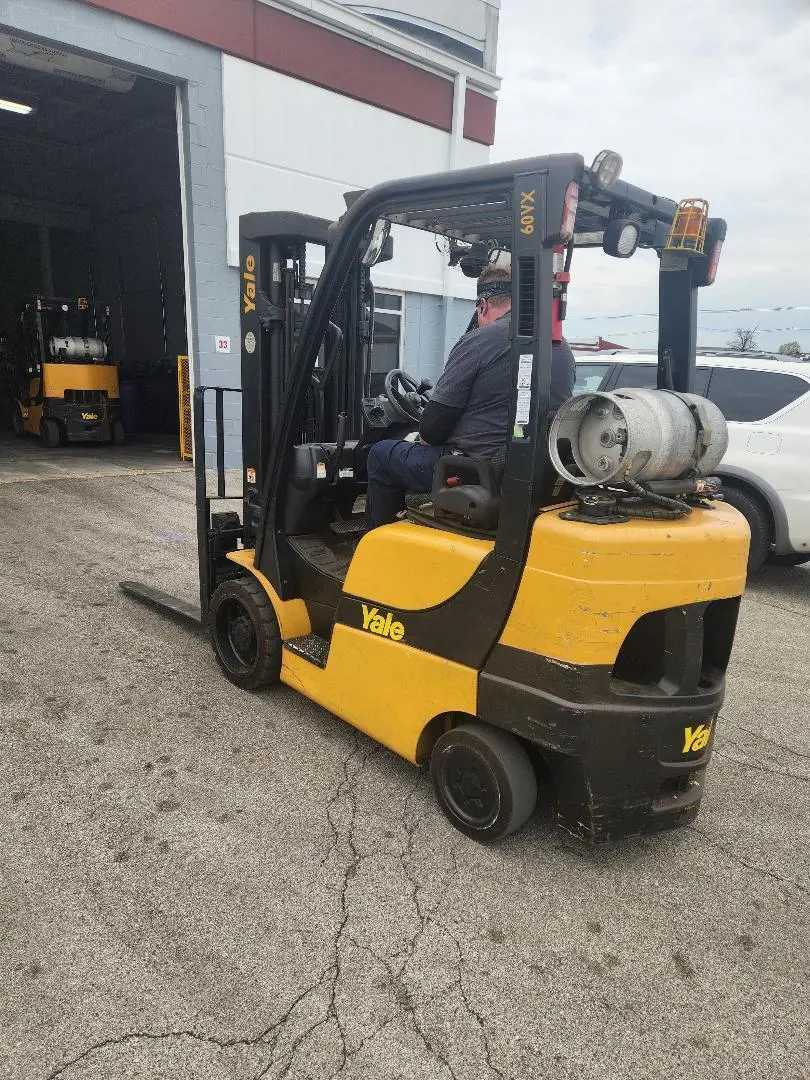
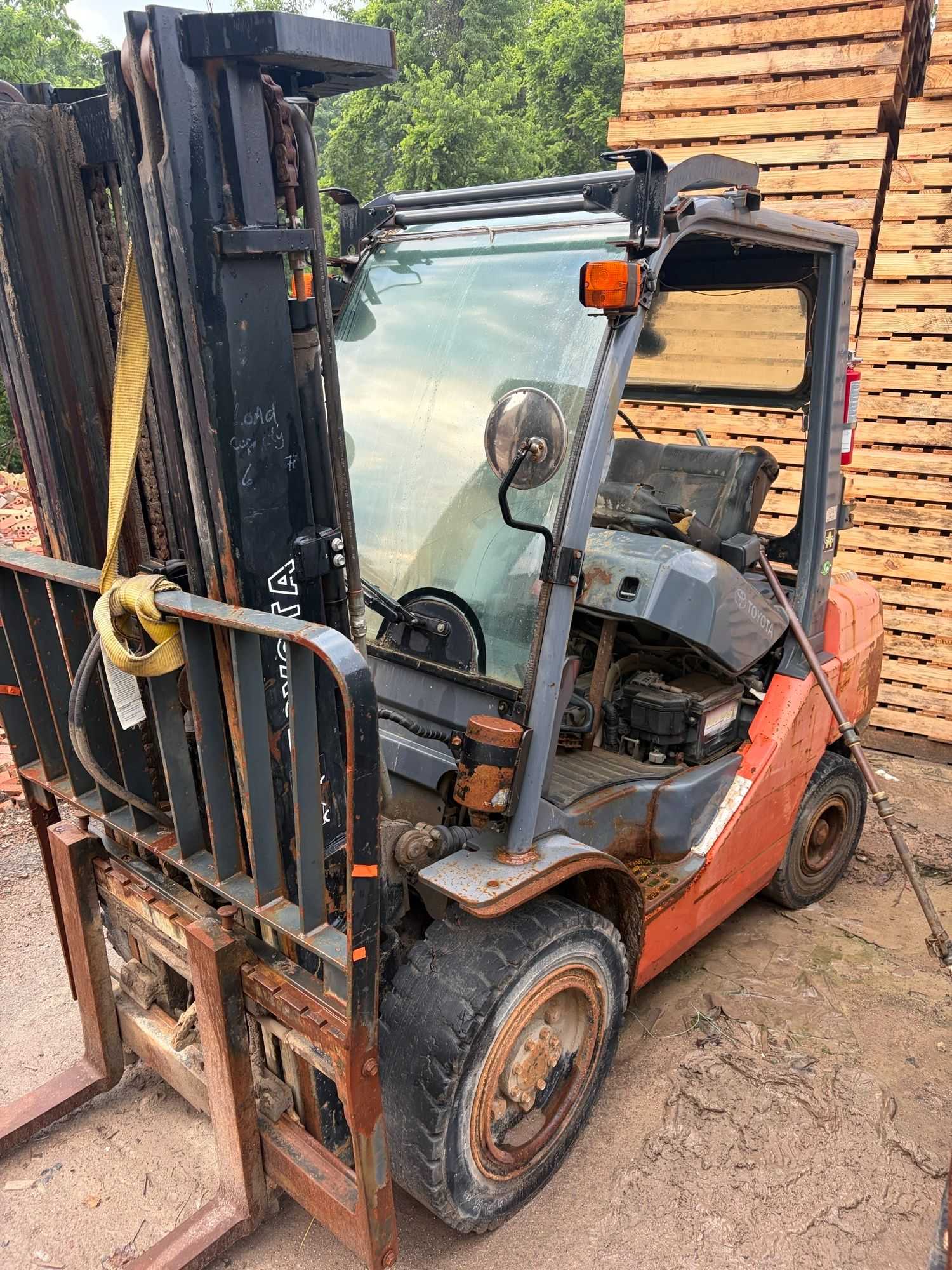
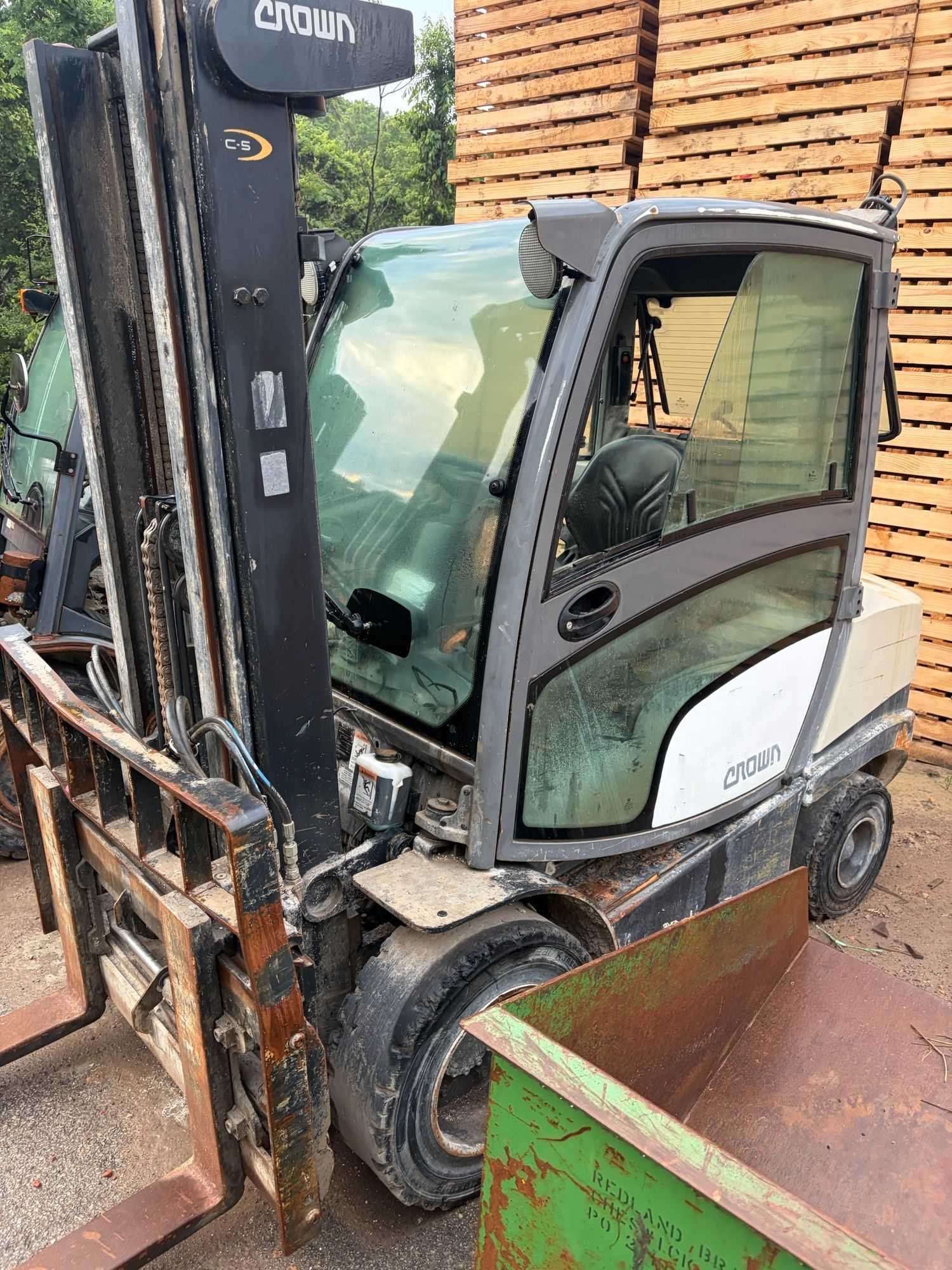
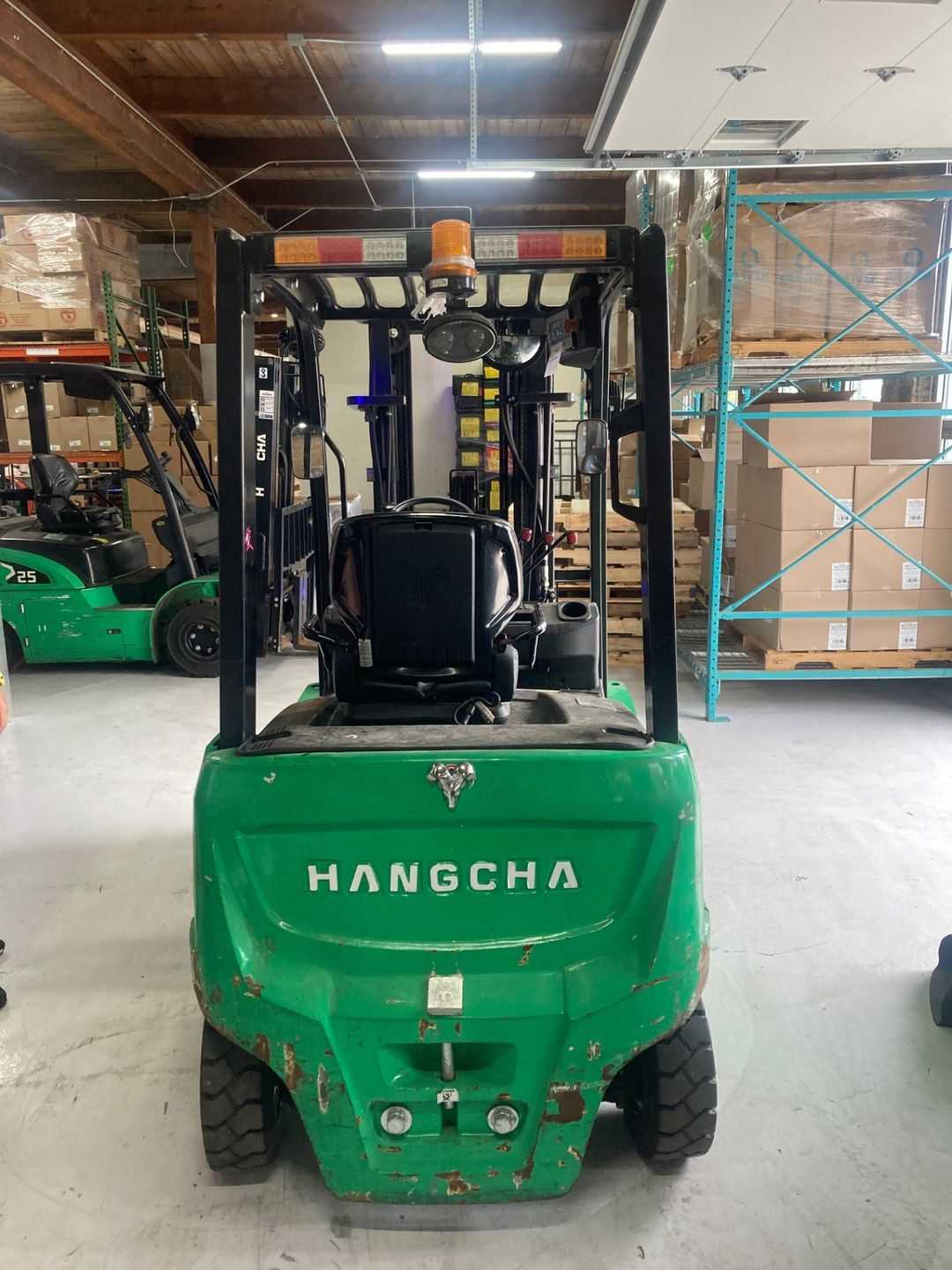
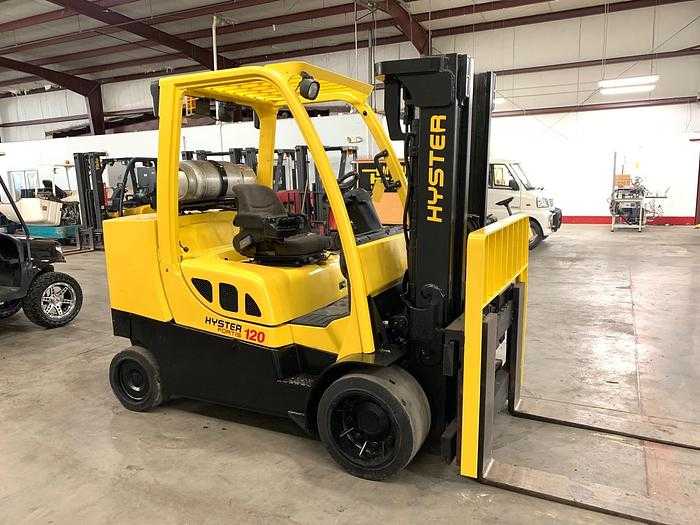
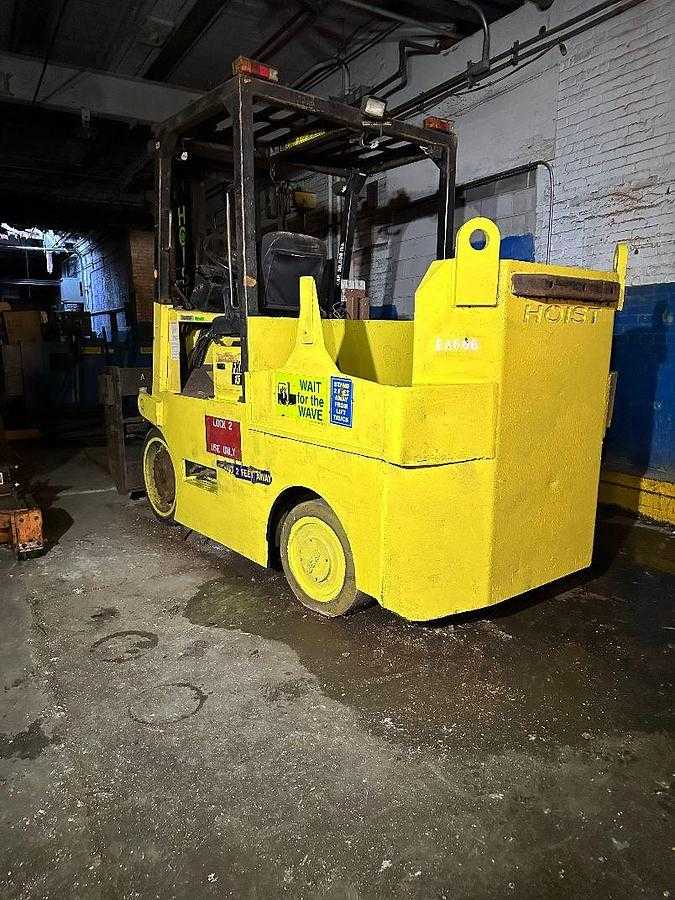
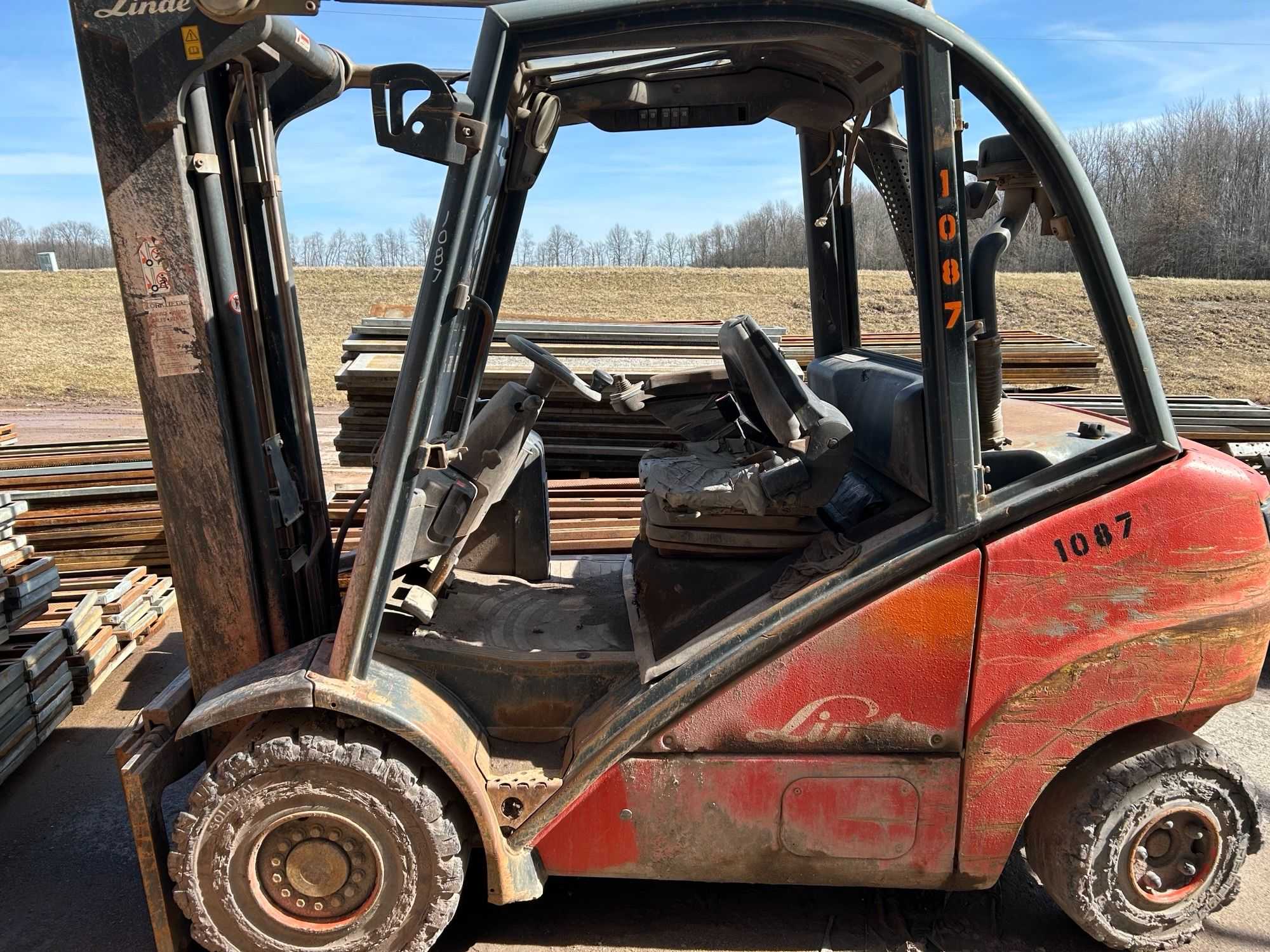
2006 Linde H30D Sit-Down Forklift, LPG, 6000 lbs Capacity, 184" Max Fork Height
Make Offer
Pay /moPay MonthlyOhio
Specifications & Market Value
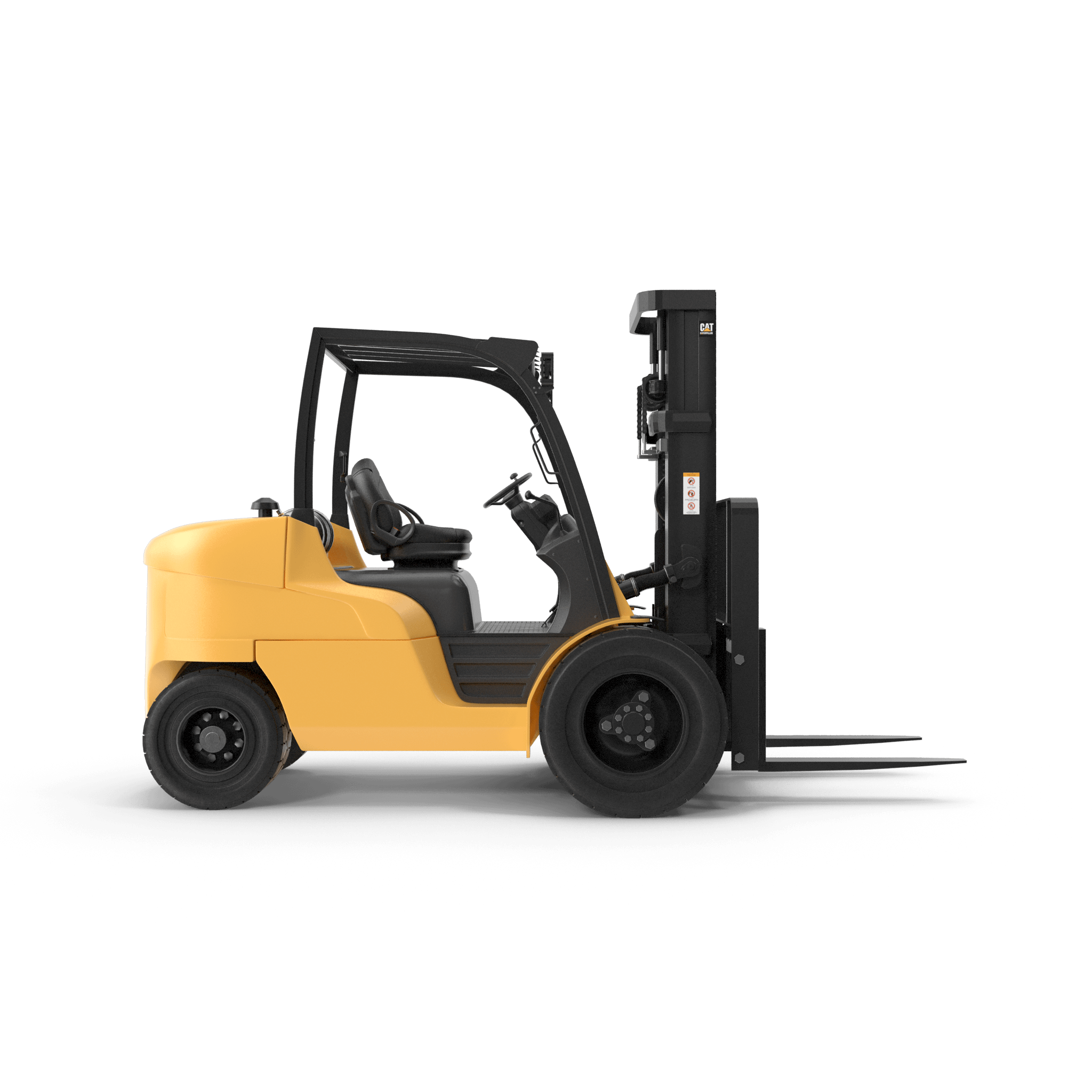
 Reference image
The Linde H 220 forklift is a powerful, heavy-duty diesel forklift engineered for demanding material handling tasks. It features a robust 6-cylinder DI 956A diesel engine with a displacement of 549.3 cubic inches, delivering 221.3 horsepower at 2200 rpm. This powertrain supports an operating weight of 70,548 lbs and a maximum load capacity of 48,501.7 lbs with a load center of 47.3 inches, enabling it to handle extremely heavy loads efficiently. The forklift measures 20.5 feet in length to the fork face and has an overall width of 10 feet, combined with a wheelbase of 14 feet and a turning radius of 18.3 feet, ensuring stability and maneuverability for large-scale operations. The mast assembly provides a maximum fork height of 13.2 feet, with lift speeds of 59.1 feet per minute and lower speeds of 78.8 feet per minute. It offers forward and rear mast tilt angles of 5 and 10 degrees, respectively, and a maximum fork spread of 102.4 inches. The forklift stands 10.8 feet tall to the top of the overhead guard and has a ground clearance of 11.9 inches, suitable for uneven terrain. It uses pneumatic tires sized 14.00x24/24 PR, with four front wheels and two rear wheels for traction and stability. The maximum travel speed is 17.1 mph (27 kph), making it suitable for both indoor and outdoor applications requiring high capacity and durability in material transport and stacking operations. This machine combines heavy lifting capacity with rugged dimensions and performance specifications fitted for industrial environments.
Specifications, market trends, and valuation estimates are compiled from manufacturer documentation, historical sales, and industry sources. While care is taken to ensure accuracy, this information is provided for reference purposes only and may contain errors or omissions. Users should independently verify all data before making buying or selling decisions. Valuations do not represent guaranteed transaction prices or binding offers, and Aucto assumes no liability for decisions made using this data.
Spot an error or missing detail? Help us keep our equipment guides accurate for the community.

 A+
A+ Auction Value
$19,268
 Range$5,000 – $26,950
 Sells in ~ 30 days
 Retail Value
—
Sells in ~ 180 days
Item functions as originally intended, shows signs of normal wear. Change the condition to see how it moves both values.
| Attribute | SelectedLINDE H 220 SIT-DOWN FORKLIFT | LINDE H 200 SIT-DOWN FORKLIFT | |
|---|---|---|---|
| OEM | LINDE | LINDE | |
| Model | H 220 | H 200 | |
| Year | - | - | |
| Load Capacity | 48502 lb | 44093 lb | |
| DC Voltage | 48.00 V DC | 48.00 V DC | |
| Fuel Type | Diesel | Diesel | |
| Turning Radius | 18.30 ft | 17.40 ft | |
| Max Fork Height | 158.40 '' | 158.40 '' | |
| Similarity | — | 99% | |
| Auction Value$5,000 - $26,950Retail Value— | Auction Value$5,000 - $37,520Retail Value— | |
| Current Machine | View Details |
Marketplace