Buy Now
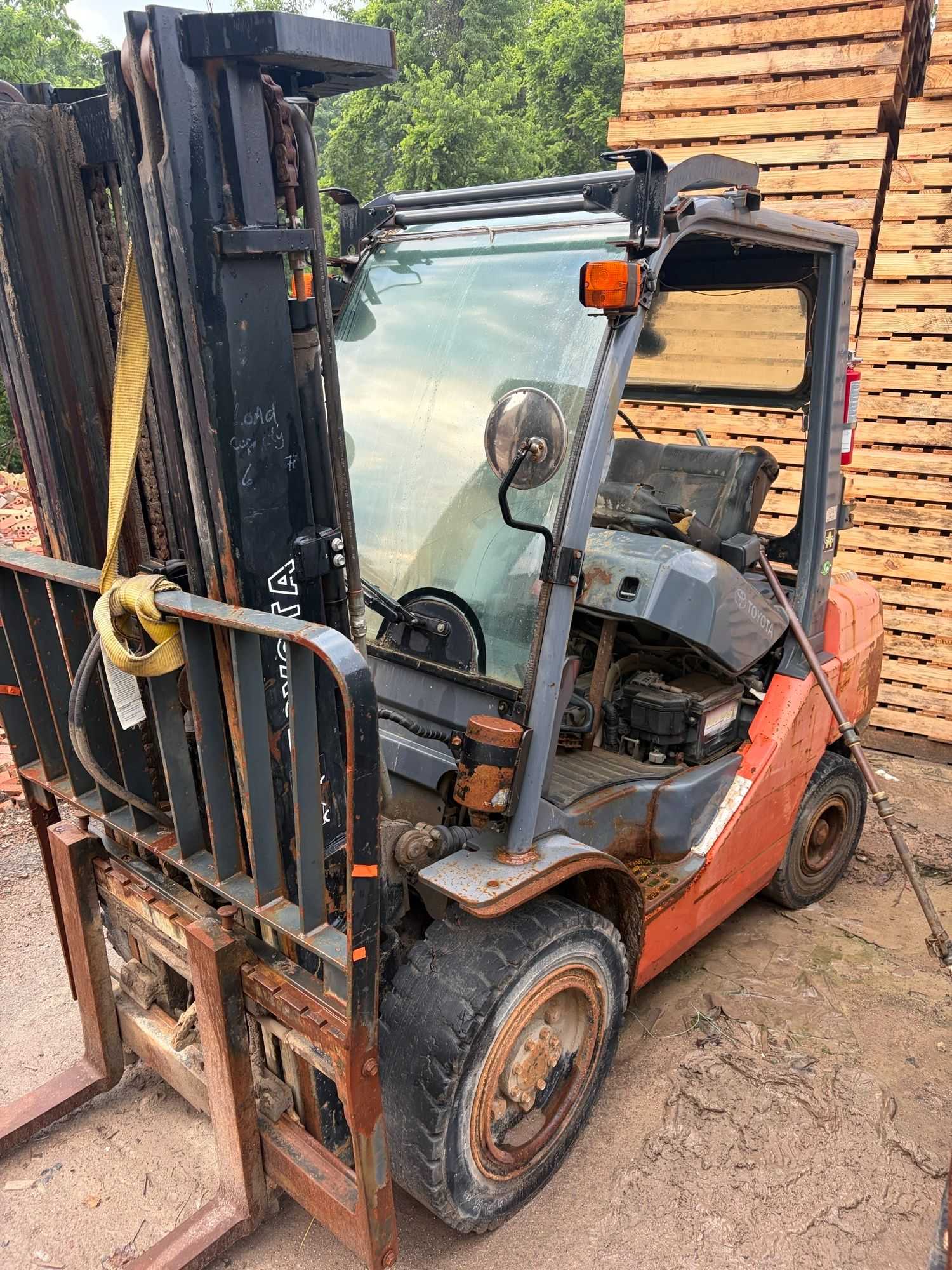
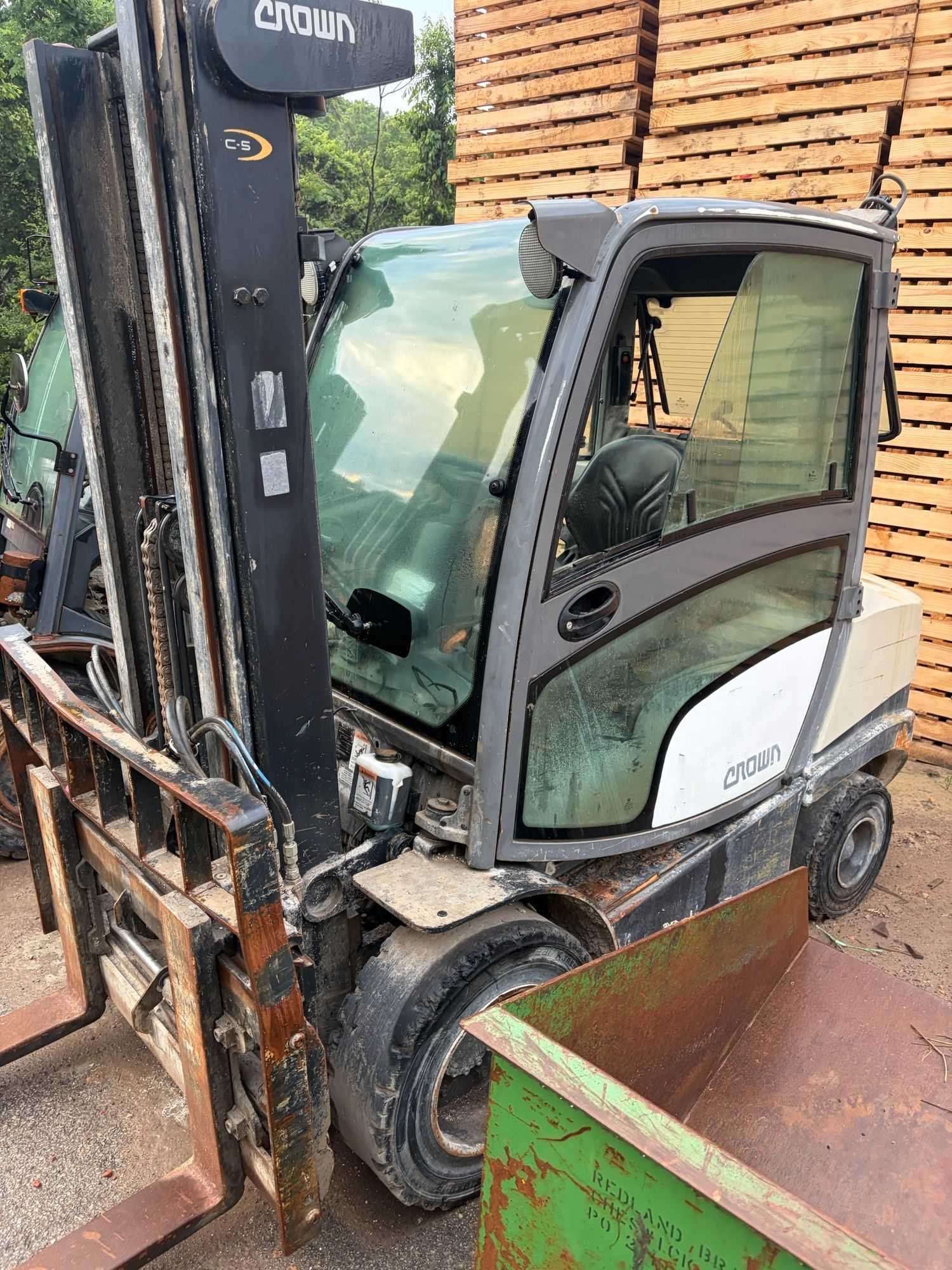
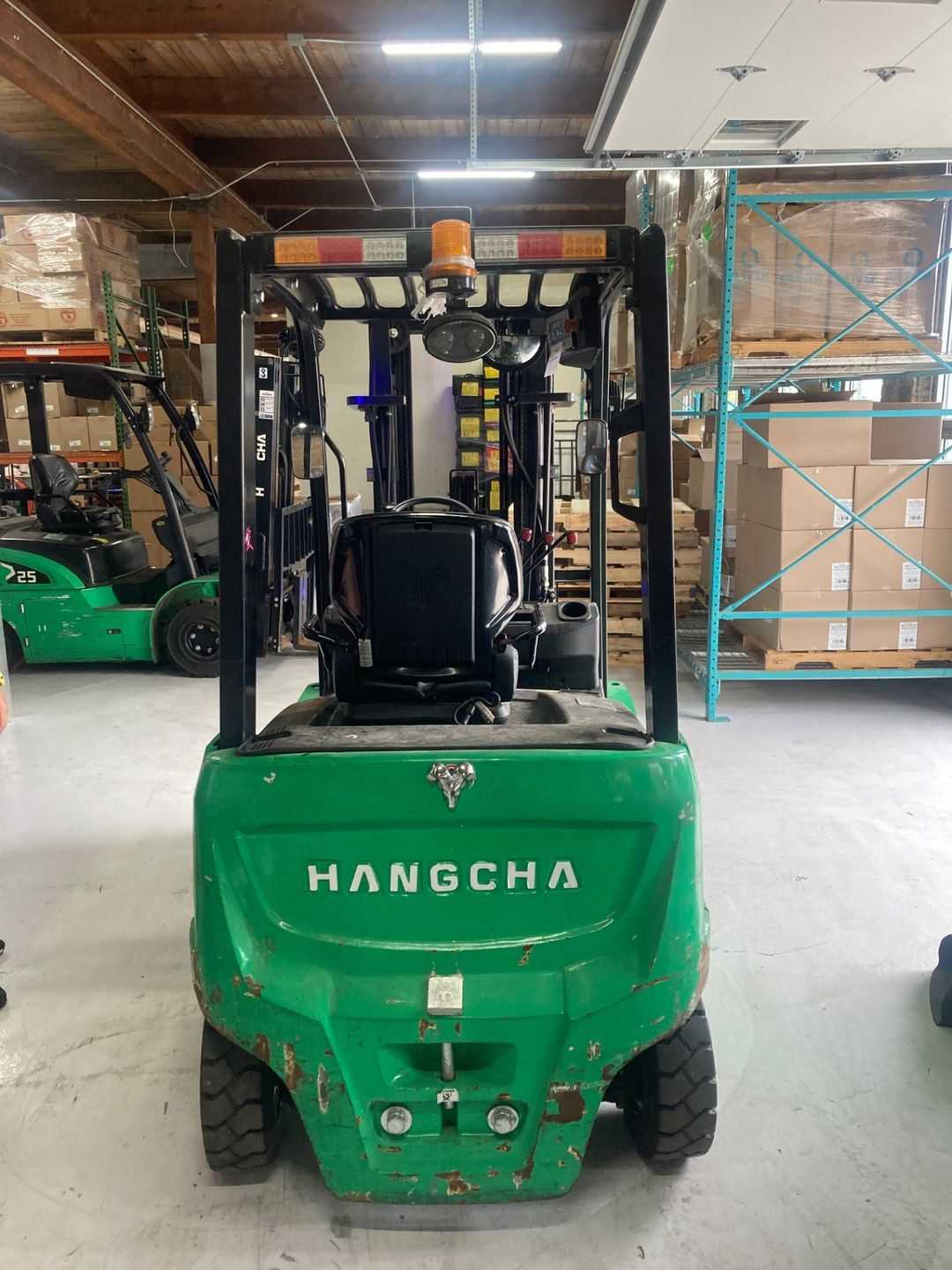
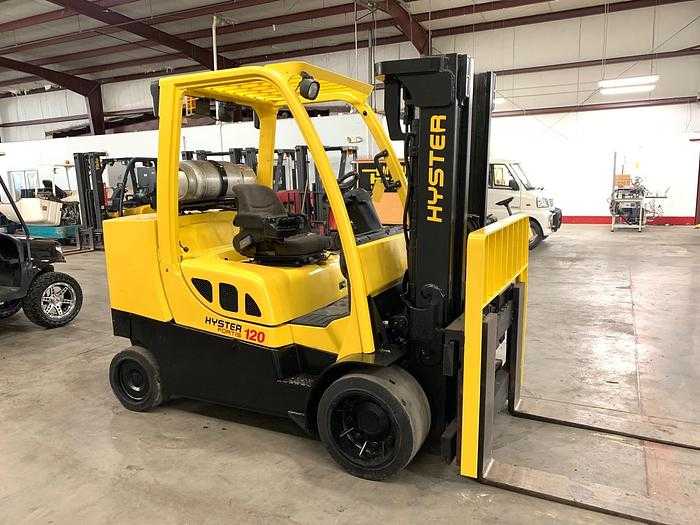
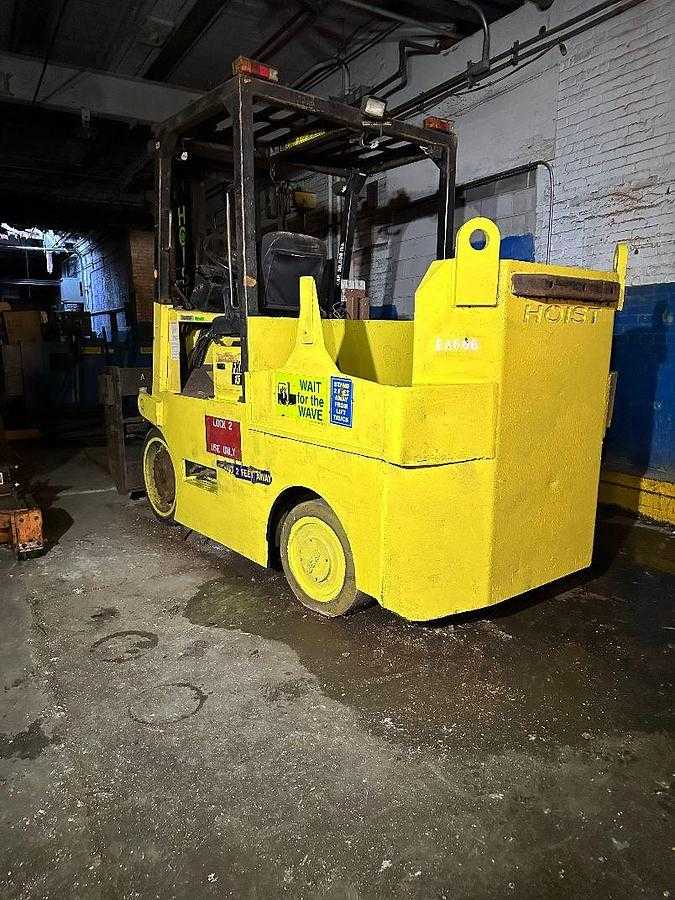
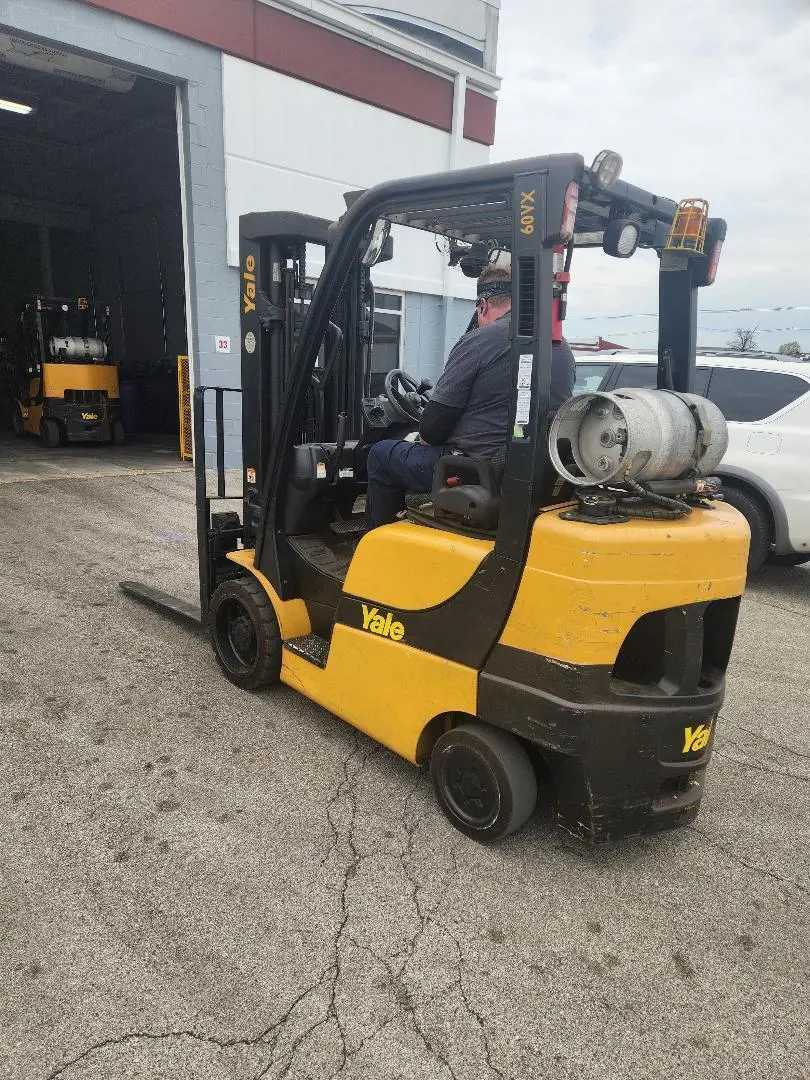
2015 YALE GLC060VXNVSE085 FORKLIFT, 5500LBS LIFT, LPG, 3 STAGE MAST, 48IN FORKS
$18,500
$307/moKentucky
Specifications & Market Value
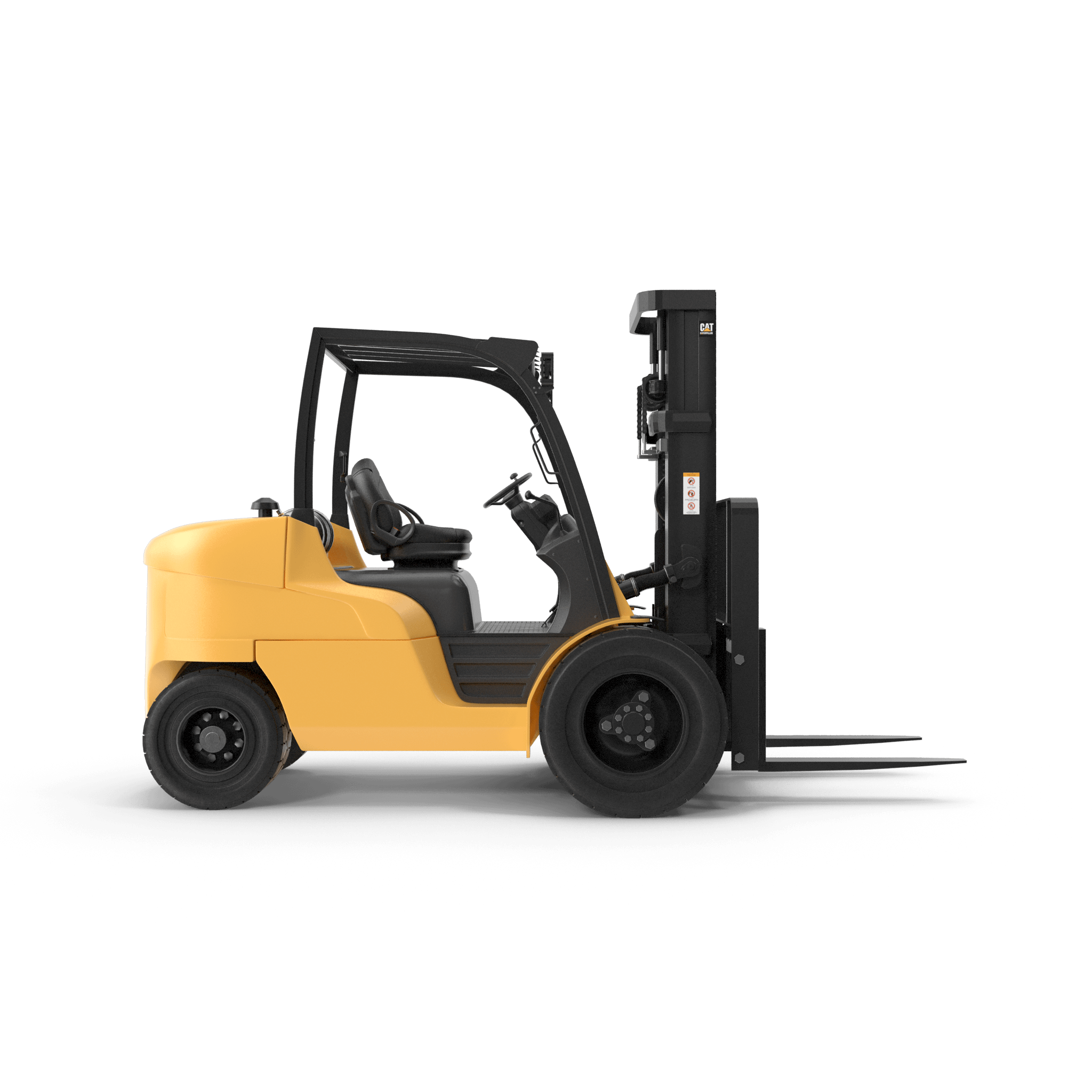
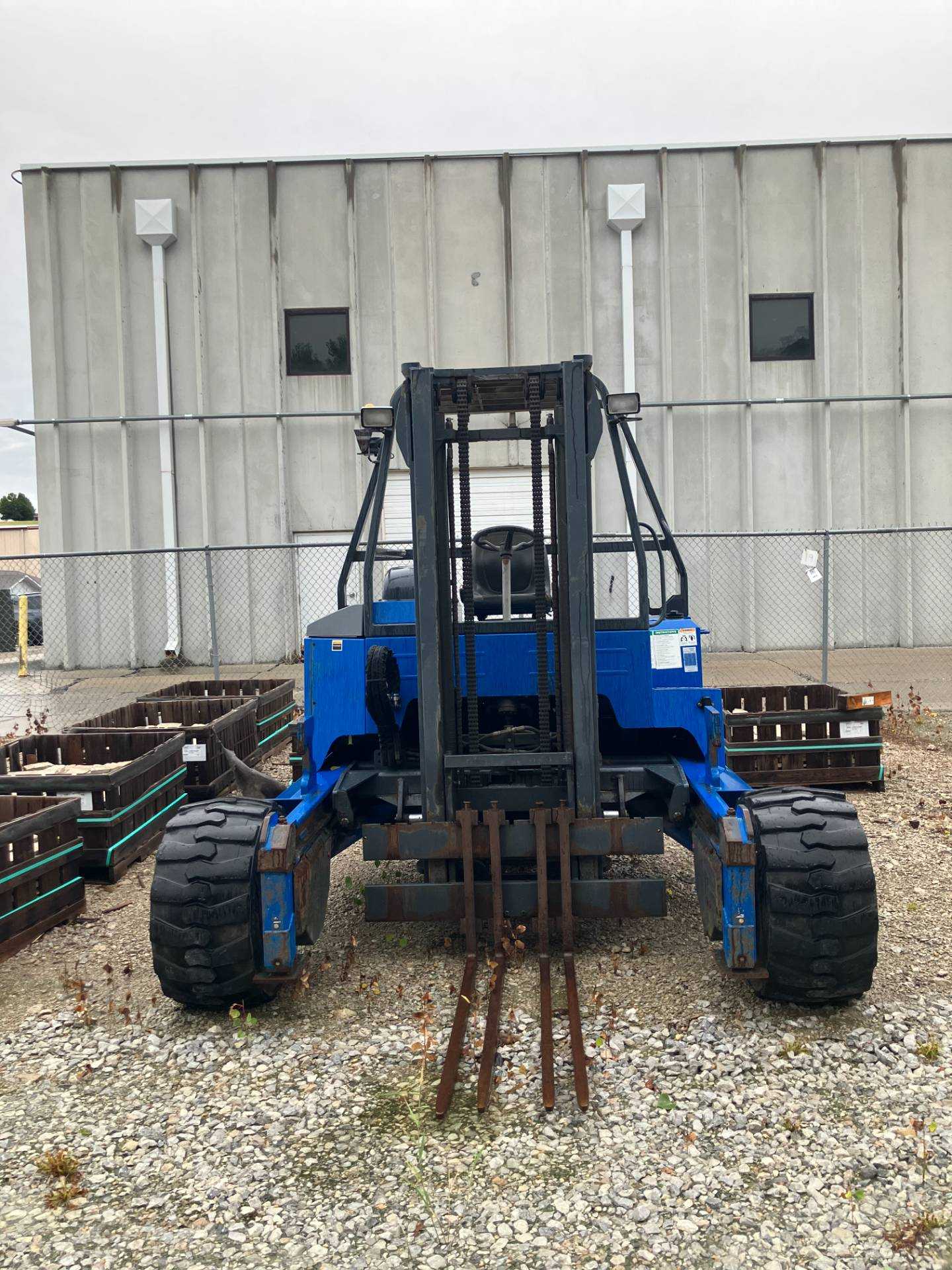
 Reference image
The Manitou M 70-2 H is a robust diesel-powered rough terrain forklift designed for heavy-duty industrial applications. It features a 75 hp Deutz TD 3.6 Tier 4 Final water-cooled engine with direct injection and four cylinders, delivering a torque of 243.4 lb-ft. The forklift’s hydrostatic transmission ensures efficient power delivery and precise control. The M 70-2 H has a maximum lifting capacity of 7,000 kg (15,432 lbs) with a 600 mm load center, suitable for handling substantial loads reliably. Dimensionally, the forklift measures 7.1 ft in overall width and 11 ft in height with the mast lowered, with a wheelbase of 8.2 ft and a turning radius of 13.2 ft, enabling maneuverability in confined spaces. The fork carriage width is compact at 5.2 inches, supporting varied load sizes. Ground clearance is 16.2 inches, enhancing its capability on uneven terrain. It has pneumatic tires sized at 265/70R19.5 6T P30 HT3, providing traction and stability on rough or outdoor surfaces. The mast offers 15 degrees of tilt both forward and backward for better load control. Operating weight is approximately 21,782 lbs, balancing stability and mobility. The system pressure is 2248.1 psi, supporting its hydraulic functions. Noise levels at the driving position register 78 dB, reflecting standard industrial machinery sound output. The forklift runs on a 2-wheel front and rear wheel configuration, optimized for traction and load-bearing efficiency. This model is engineered for durability, precision, and versatility in demanding lifting and material handling environments.
Specifications, market trends, and valuation estimates are compiled from manufacturer documentation, historical sales, and industry sources. While care is taken to ensure accuracy, this information is provided for reference purposes only and may contain errors or omissions. Users should independently verify all data before making buying or selling decisions. Valuations do not represent guaranteed transaction prices or binding offers, and Aucto assumes no liability for decisions made using this data.
Spot an error or missing detail? Help us keep our equipment guides accurate for the community.

 A+
A+ Auction Value
$29,700
 Range$5,000 – $43,000
 Sells in ~ 30 days
 Retail Value
—
Sells in ~ 180 days
Item functions as originally intended, shows signs of normal wear. Change the condition to see how it moves both values.
| Attribute | SelectedMANITOU M 70-2 H SIT-DOWN FORKLIFT | MANITOU M 50-2 SIT-DOWN FORKLIFT | |
|---|---|---|---|
| OEM | MANITOU | MANITOU | |
| Model | M 70-2 H | M 50-2 | |
| Year | - | - | |
| Turning Radius | 13.20 ft | 11.20 ft | |
| Fuel Type | Diesel | Diesel | |
| Load Capacity | 15400 lb | 8819 lb | |
| Tire Type | Pneumatic | — | |
| Similarity | — | 99% | |
| Auction Value$5,000 - $43,000Retail Value— | Auction Value$5,000 - $39,995Retail Value— | |
| Current Machine | View Details |
Marketplace