Buy Now
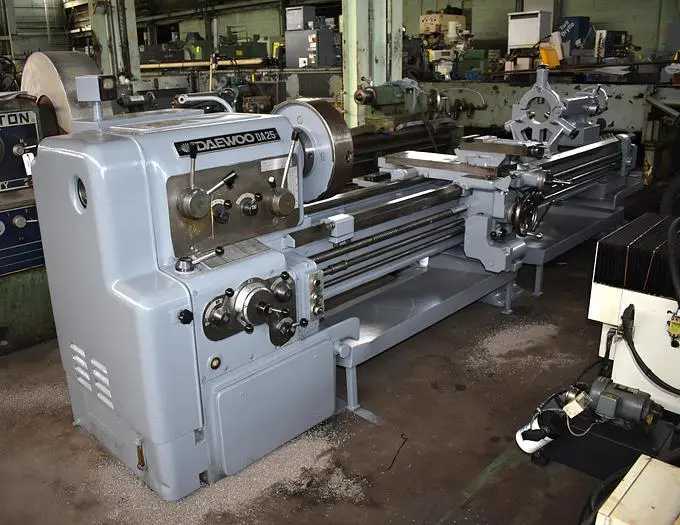
Engine Lathe, 25in Swing, 120in Centers, 15 HP, 10250 lbs
$24,500
$406/moKentucky
Specifications & Market Value
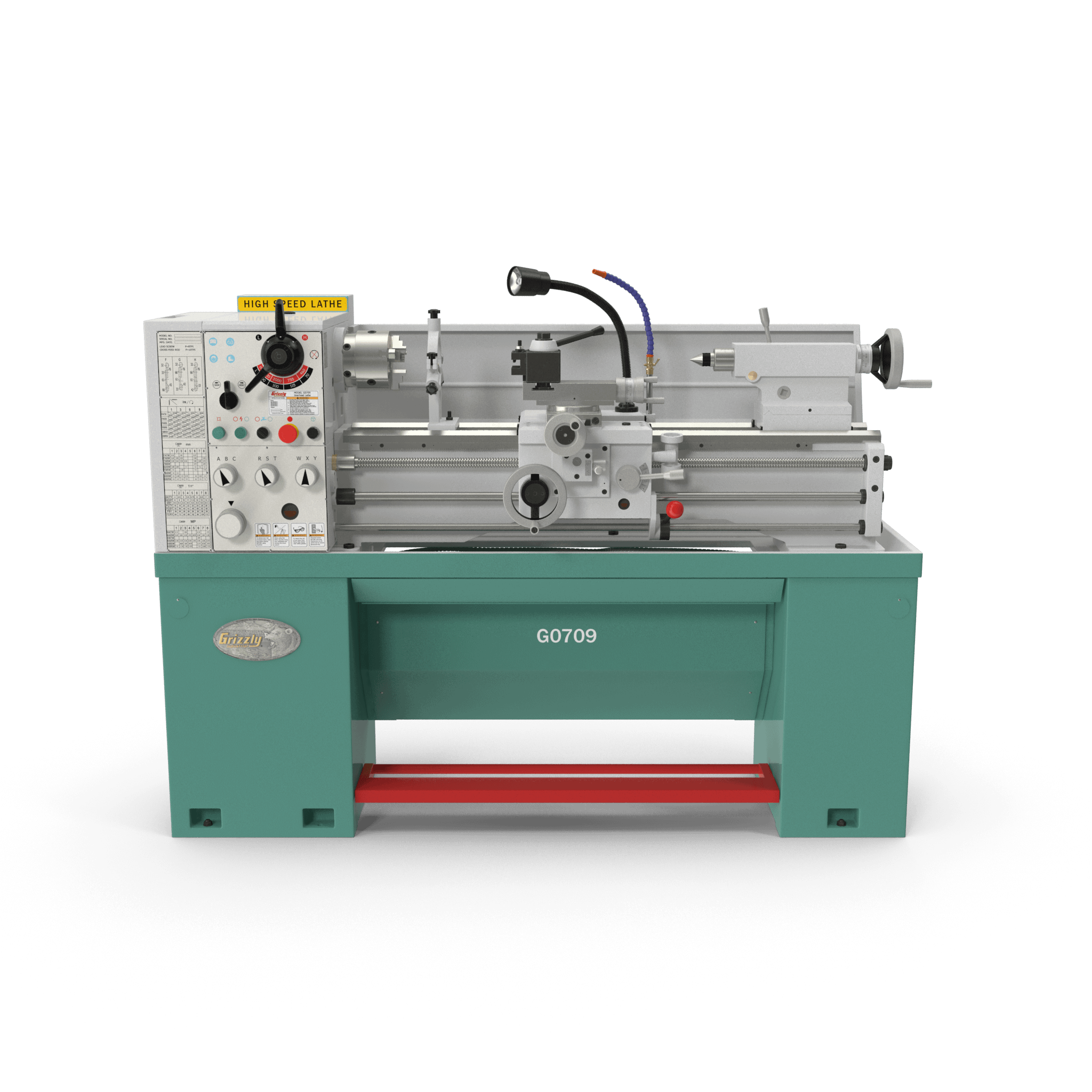
 Reference image
The MAXCUT MLA-35/3000 is a robust manual lathe engineered for versatile turning, facing, and boring operations across medium to large-scale workpieces. With a swing capacity of 35.4 inches and centers spanning 118.1 inches, this machine accommodates substantial components while maintaining operational flexibility. The 6.0-inch spindle bore enables efficient workholding through standard chuck systems and collet arrangements, supporting both precision work and production runs. Powered by a 20 HP motor operating at 700 RPM, the lathe delivers consistent torque suitable for heavy roughing cuts and sustained material removal. The swing over cross slide of 21.7 inches allows radial depth-of-cut capabilities while maintaining clearance for complex geometries and stepped features. This specification profile positions the MLA-35/3000 within the engine/bench lathe category, ideal for adaptable one-off jobs, repairs, and prototype development. The manual control architecture provides operators direct command over speed, feed, and positioning through handwheels graduated for precise depth control and repeatability. The machine's substantial bed construction, typically cast iron for stability and vibration damping, supports the extensive center distance while accommodating steady rests for deflection control on extended workpieces. Overall, the MLA-35/3000 balances capacity, stability, and throughput—the three fundamental specifications determining lathe suitability—making it a practical choice for job shops and educational environments requiring reliable, operator-driven precision machining across varied workpiece geometries and materials.
Specifications, market trends, and valuation estimates are compiled from manufacturer documentation, historical sales, and industry sources. While care is taken to ensure accuracy, this information is provided for reference purposes only and may contain errors or omissions. Users should independently verify all data before making buying or selling decisions. Valuations do not represent guaranteed transaction prices or binding offers, and Aucto assumes no liability for decisions made using this data.
Spot an error or missing detail? Help us keep our equipment guides accurate for the community.

 A+
A+ Auction Value
$34,125
 Range$5,000 – $49,808
 Sells in ~ 30 days
 Retail Value
—
Sells in ~ 180 days
Item functions as originally intended, shows signs of normal wear. Change the condition to see how it moves both values.
Marketplace

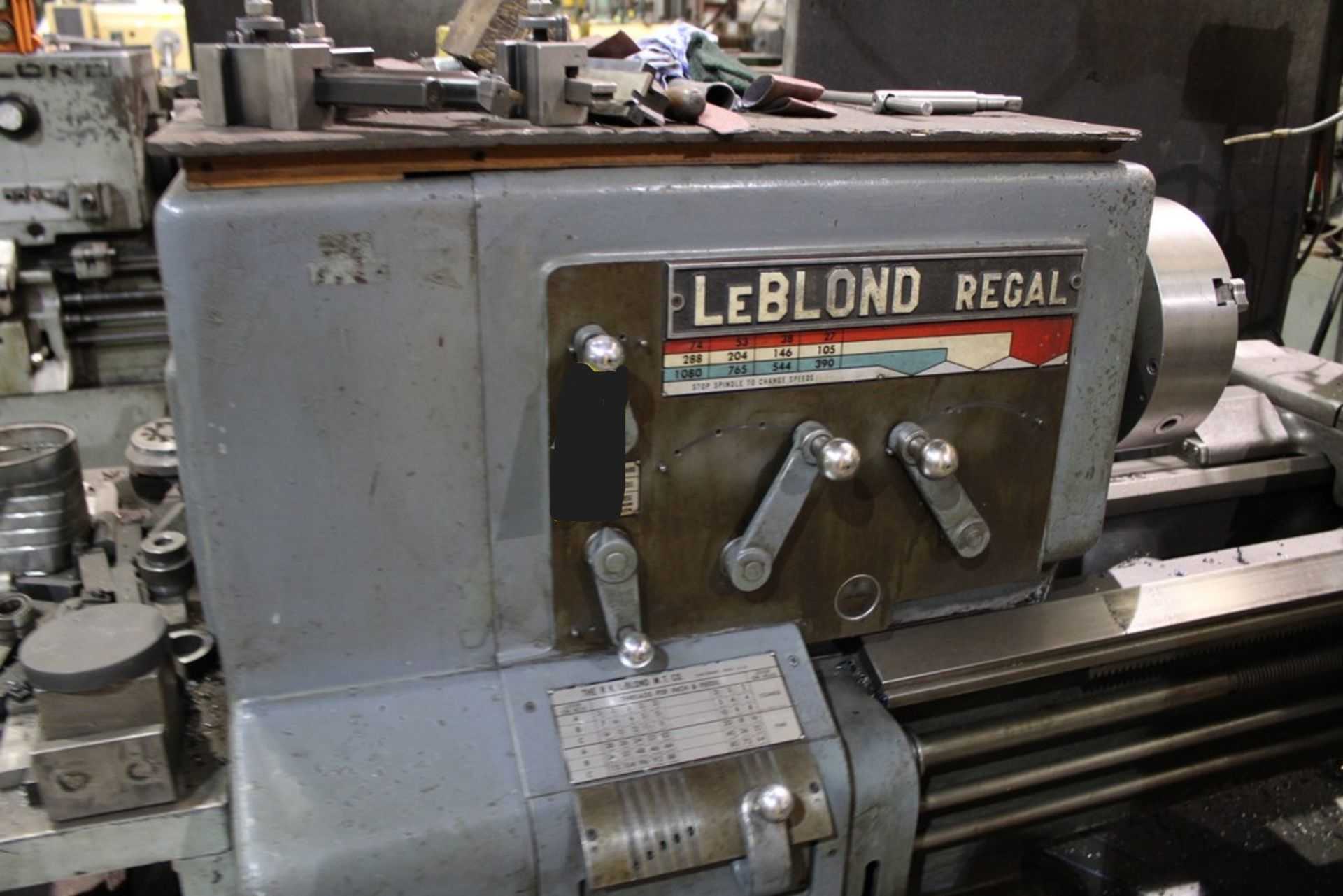
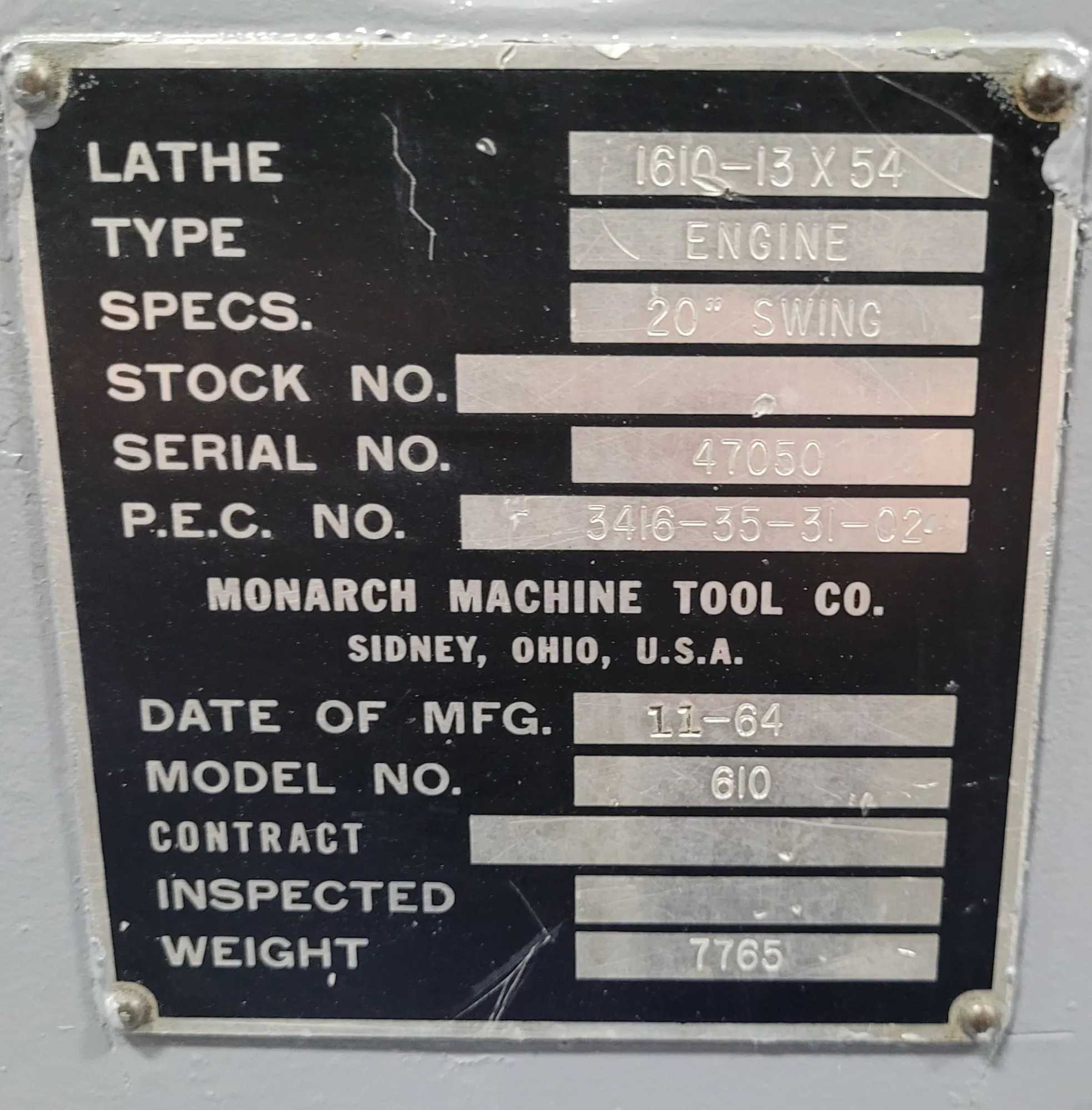
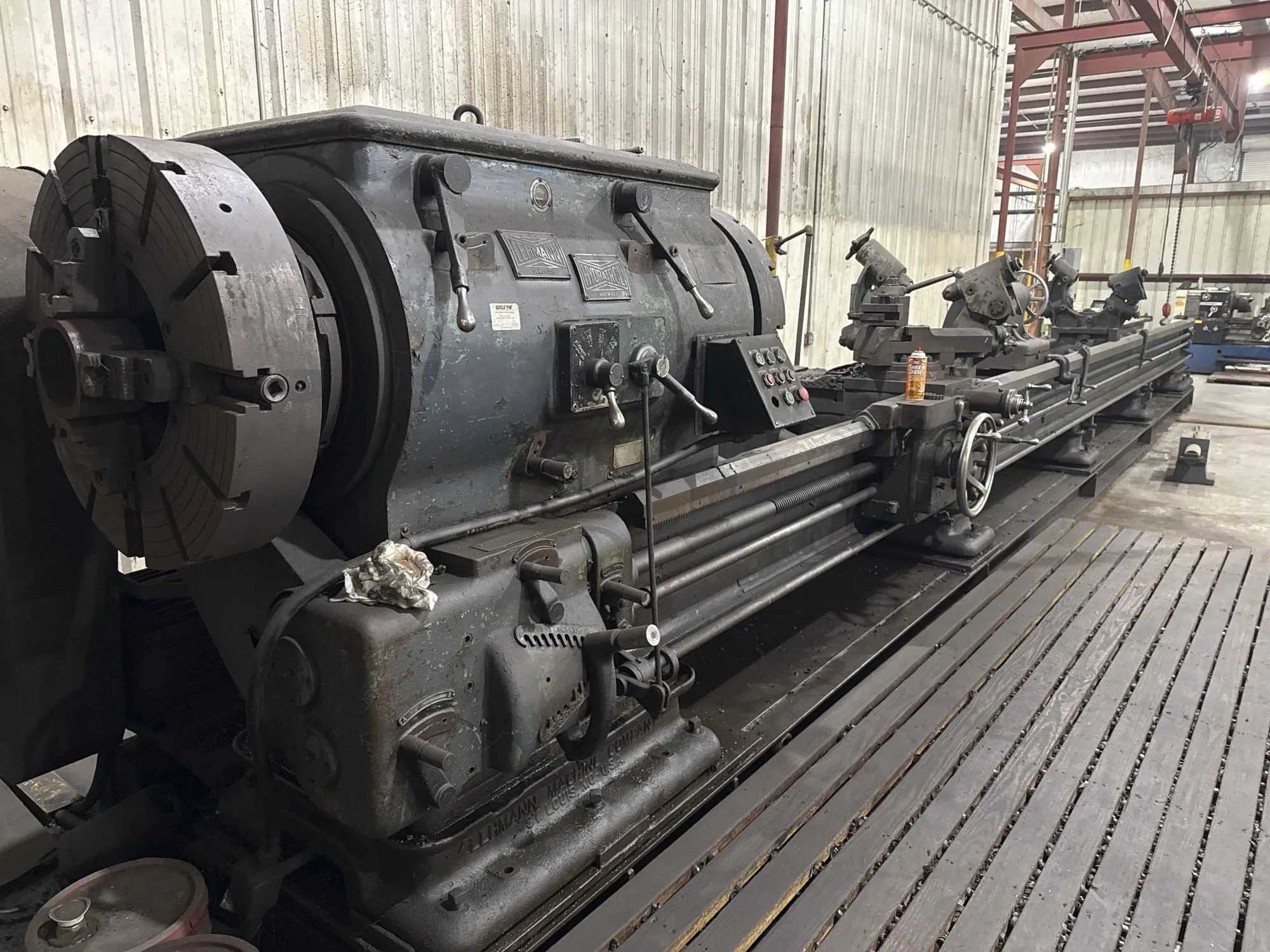

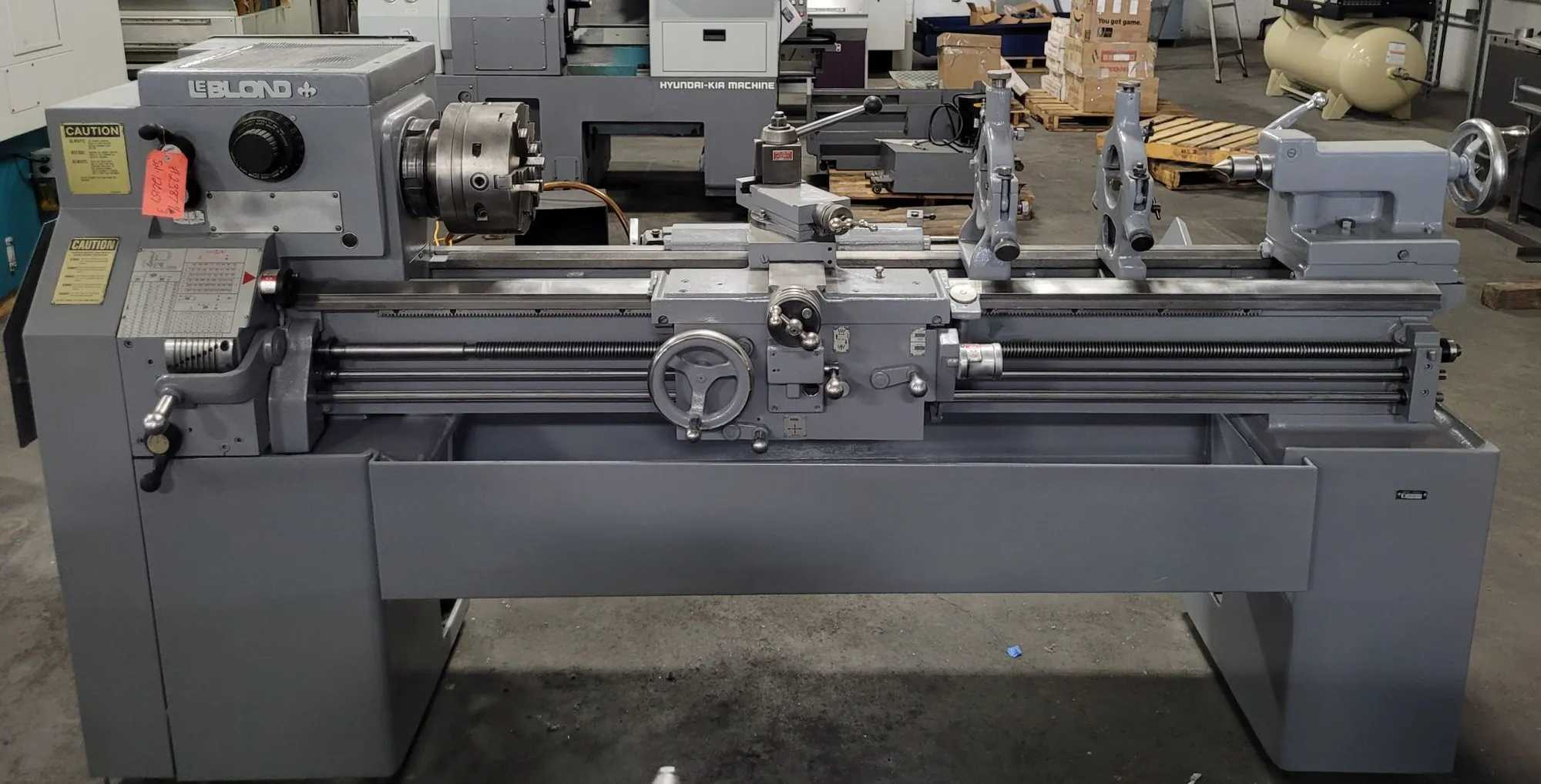
| Attribute | SelectedMAXCUT MLA-35/3000 MANUAL LATHE | MAXCUT MLA-35/1000 MANUAL LATHE | |
|---|---|---|---|
| OEM | MAXCUT | MAXCUT | |
| Model | MLA-35/3000 | MLA-35/1000 | |
| Year | - | - | |
| Distance Between Centers | 118.10 '' | 39.40 '' | |
| Spindle Bore Diameter | 6.00 '' | 6.00 '' | |
| Max Swing | 35.40 '' | 35.40 '' | |
| Similarity | — | 99% | |
| Auction Value$5,000 - $49,808Retail Value— | Auction Value$5,000 - $37,000Retail Value— | |
| Current Machine | View Details |