Buy Now
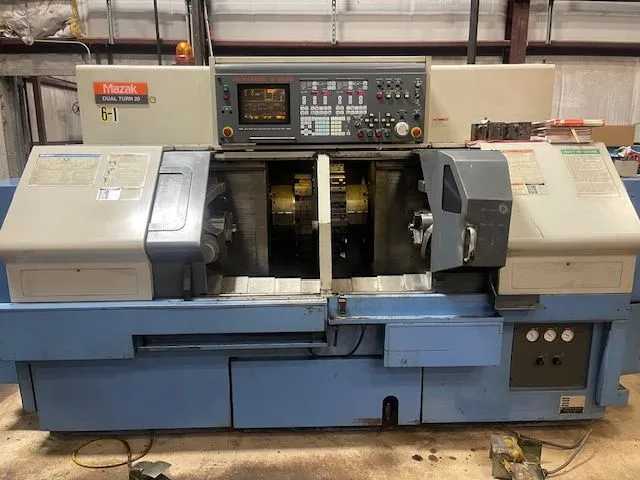
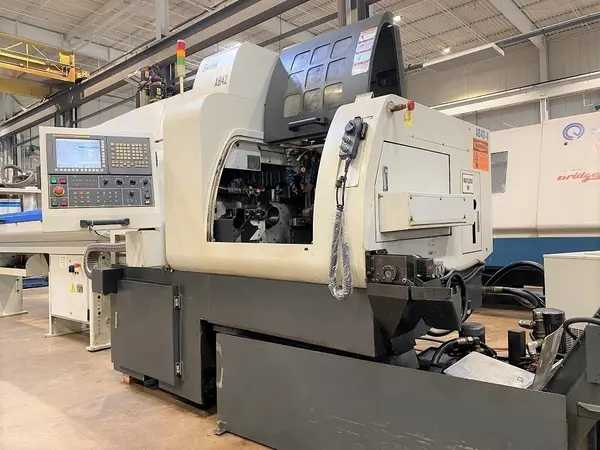
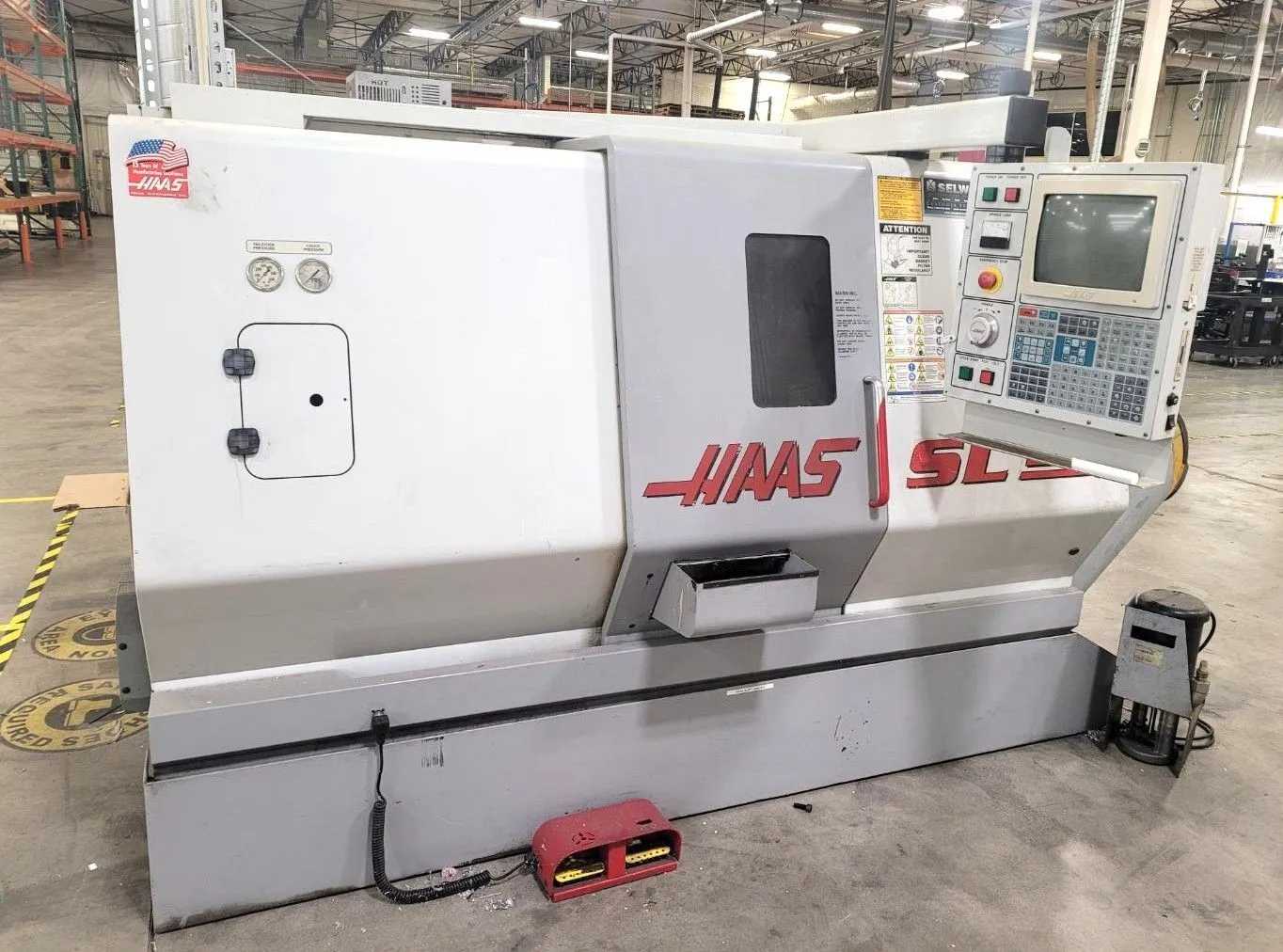
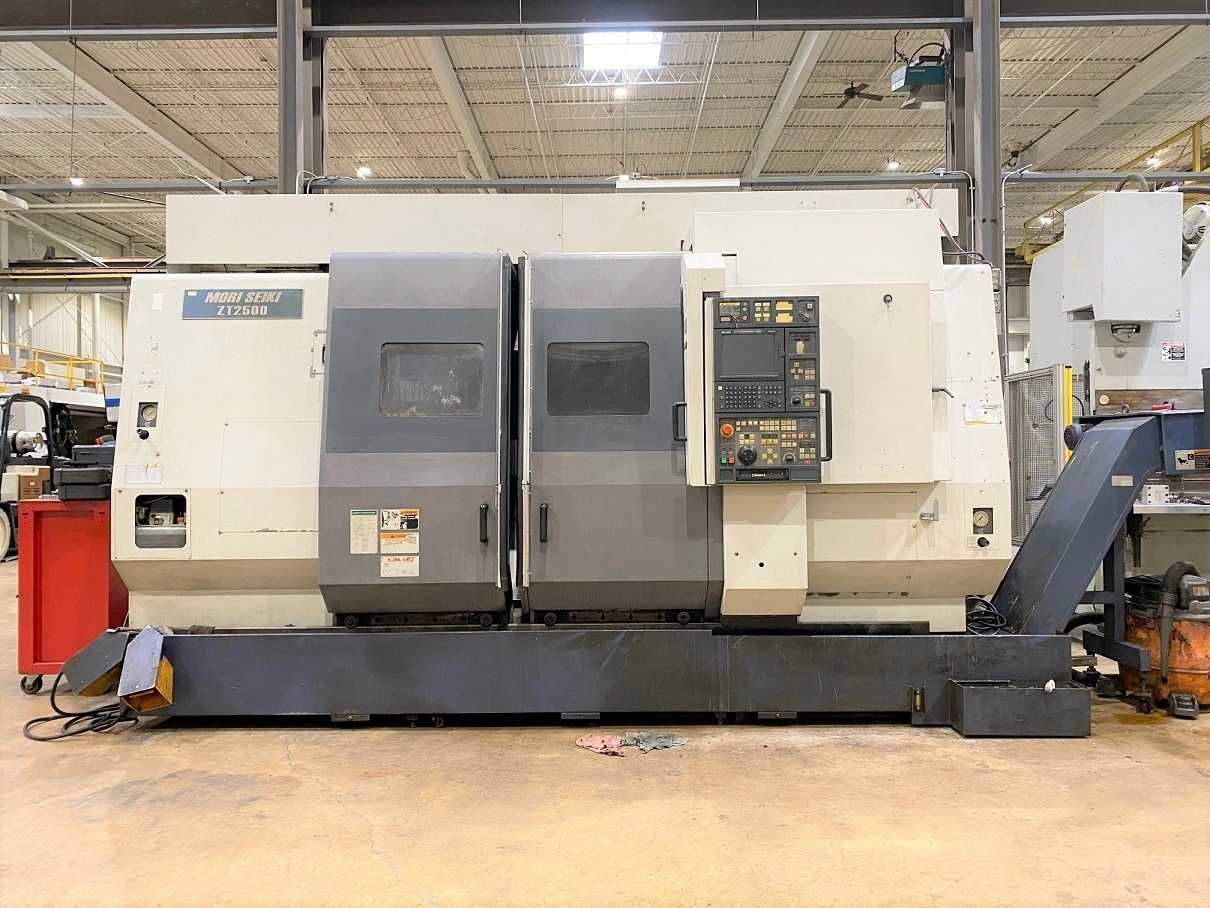
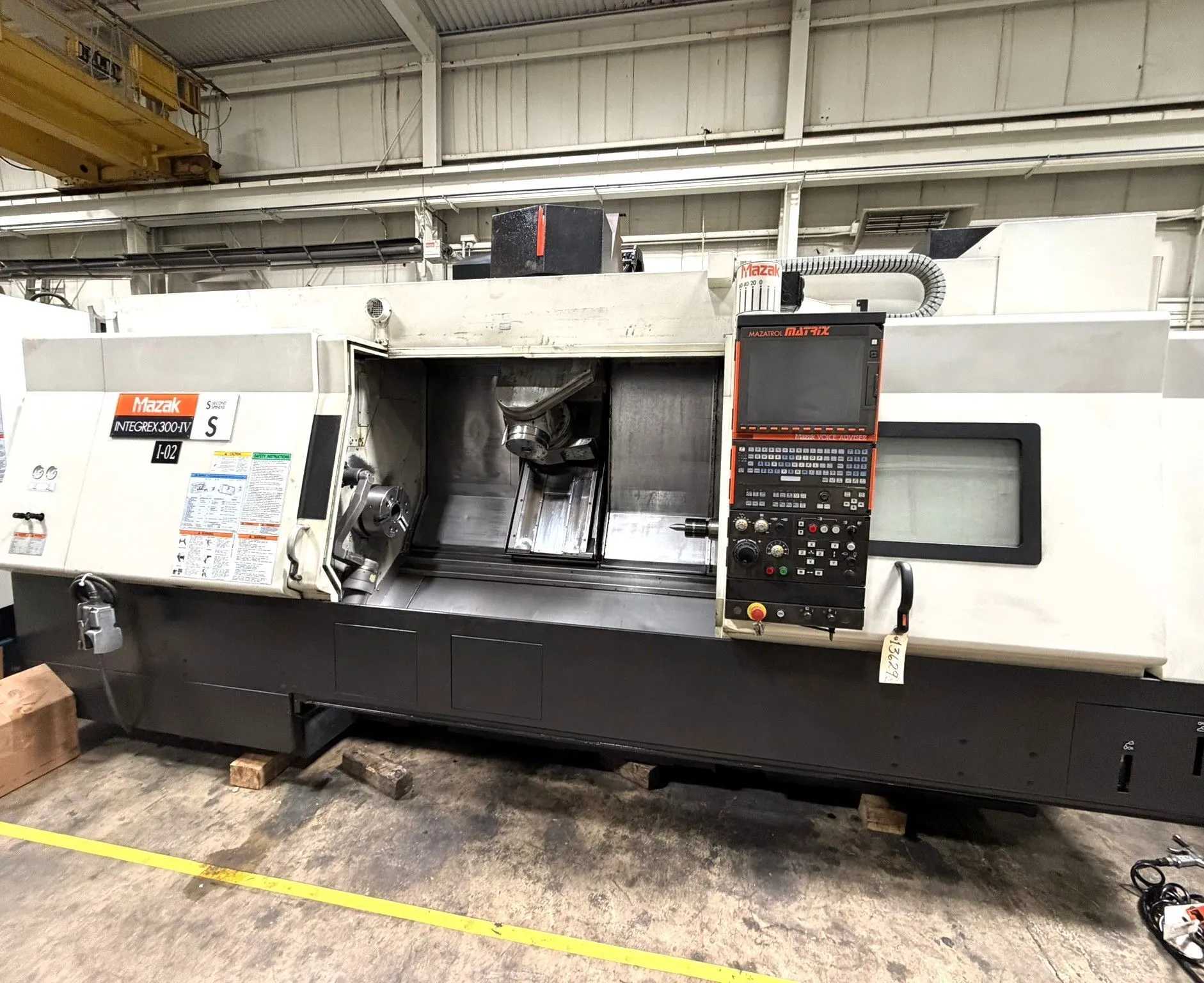
2006 Mazak Integrex 300-Ivs CNC Lathe, 5-Axis, 12,000 RPM, 40 HP, 10" Chuck
$79,500
$1,317/moIllinois
Specifications & Market Value
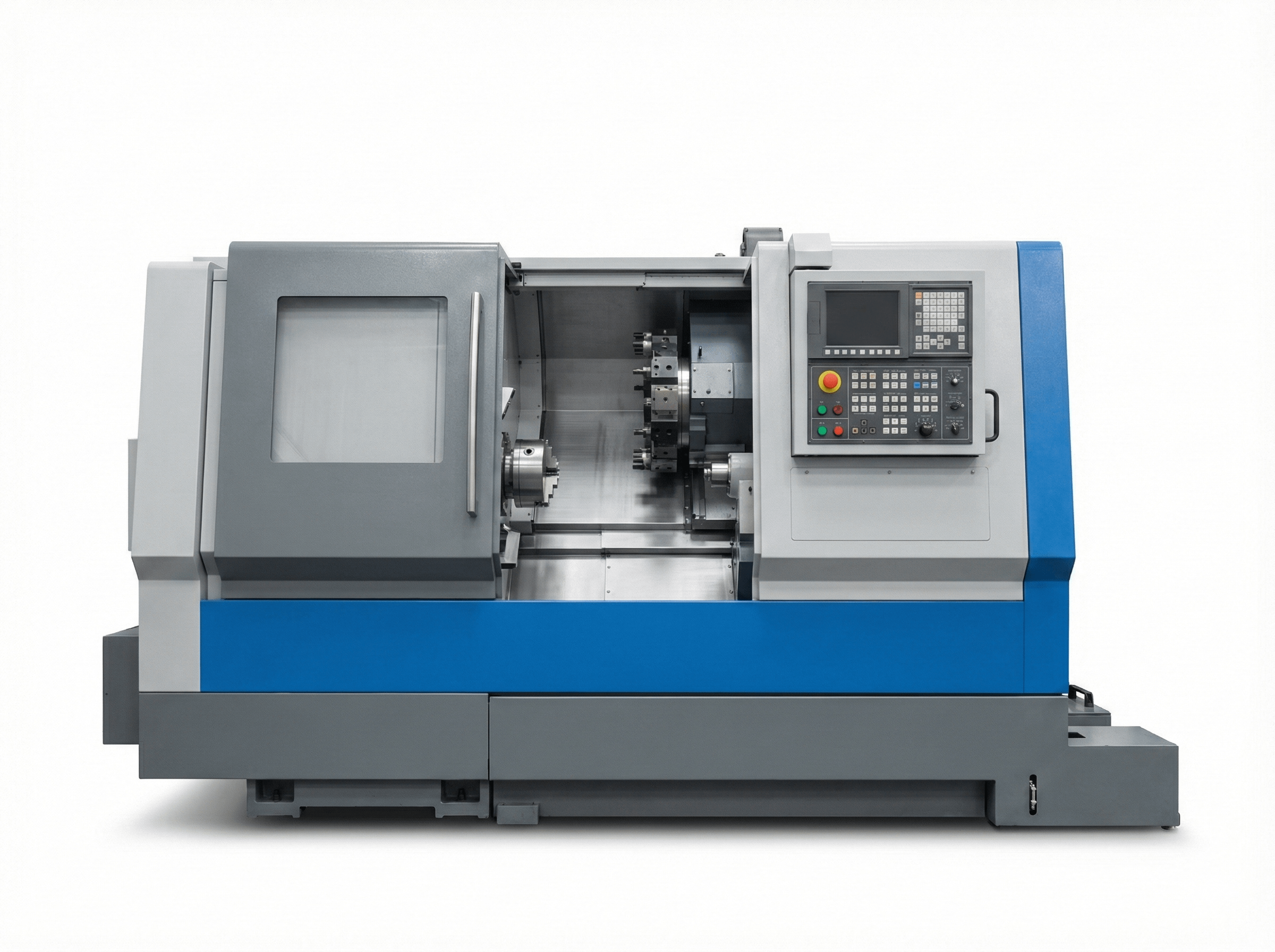
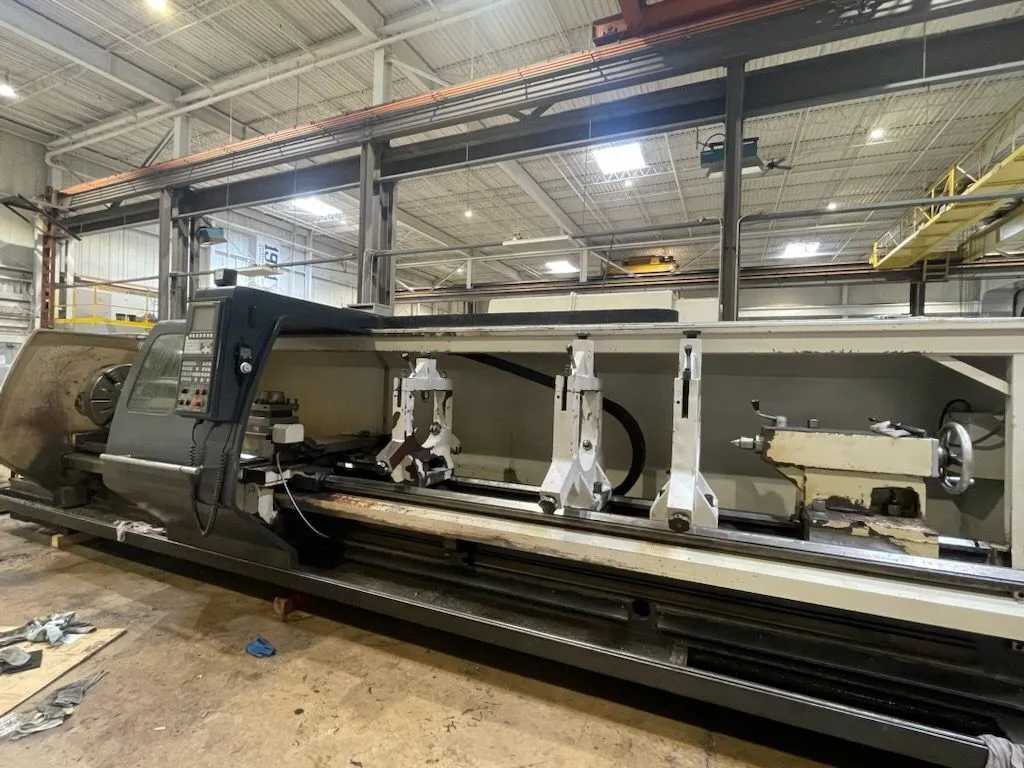
 Reference image
This CNC lathe features a 26.5-inch swing and a machining length of 46.2 inches, accommodating a maximum turning diameter of 16.5 inches and bar capacity up to 3.5 inches. It is powered by a 35 HP motor capable of reaching speeds up to 4,000 RPM. The spindle bore measures 3.46 inches with an A2-8 spindle nose, supporting robust workholding. The lathe utilizes a MODIFIED VDI turret with 12 tool stations, allowing 1-inch outside diameter (O.D.) and 2-inch inside diameter (I.D.) tooling. It offers X-axis travel of 10.13 inches and Z-axis travel of 48.75 inches, with rapid traverse rates of 1181 IPM (X-axis) and 984 IPM (Z-axis), delivering efficient positioning and machining speed. The tailstock center is MT NO.4, facilitating workpiece support. The machine is controlled via a MAZATROL PC-Fusion 640T CNC system with a 10.4-inch color LCD, enabling precise programming and operation. The overall dimensions are 135.8" x 80.7" x 78.7" with a weight of 16,314 lbs, requiring significant floor space. This configuration enables high-precision turning of medium to large-sized cylindrical components with advanced tool management and high power for demanding cutting tasks, suitable for complex, high-volume production environments that require consistent accuracy and flexibility in tooling.
Specifications, market trends, and valuation estimates are compiled from manufacturer documentation, historical sales, and industry sources. While care is taken to ensure accuracy, this information is provided for reference purposes only and may contain errors or omissions. Users should independently verify all data before making buying or selling decisions. Valuations do not represent guaranteed transaction prices or binding offers, and Aucto assumes no liability for decisions made using this data.
Spot an error or missing detail? Help us keep our equipment guides accurate for the community.

 A+
A+ Auction Value
$29,050
 Range$5,000 – $42,000
 Sells in ~ 30 days
 Retail Value
—
Sells in ~ 180 days
Item functions as originally intended, shows signs of normal wear. Change the condition to see how it moves both values.
| Attribute | SelectedMAZAK QUICK TURN NEXUS 300M CNC LATHE | MAZAK QUICK TURN NEXUS 200-II CNC LATHE | |
|---|---|---|---|
| OEM | MAZAK | MAZAK | |
| Model | QUICK TURN NEXUS 300M | QUICK TURN NEXUS 200-II | |
| Year | - | - | |
| Spindle Bore Diameter | 3.46 '' | 2.99 '' | |
| Max Swing | 26.50 '' | 24.02 '' | |
| Max Spindle Speed | 4000 RPM | 5000 RPM | |
| Z-Axis Travel | 48.75 '' | 21.125 '' | |
| Control System | MAZATROL NEXUS | MAZATROL MATRIX NEXUS | |
| X-Axis Travel | 10.13 '' | 7.50 '' | |
| Similarity | — | 99% | |
| Auction Value$5,000 - $42,000Retail Value— | Auction Value$5,000 - $42,000Retail Value— | |
| Current Machine | View Details |
Marketplace