Buy Now
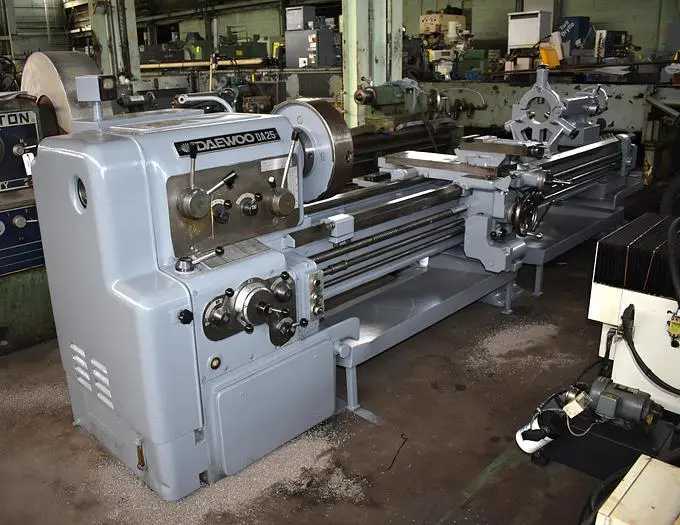
Engine Lathe, 25in Swing, 120in Centers, 15 HP, 10250 lbs
$24,500
$406/moKentucky
Specifications & Market Value
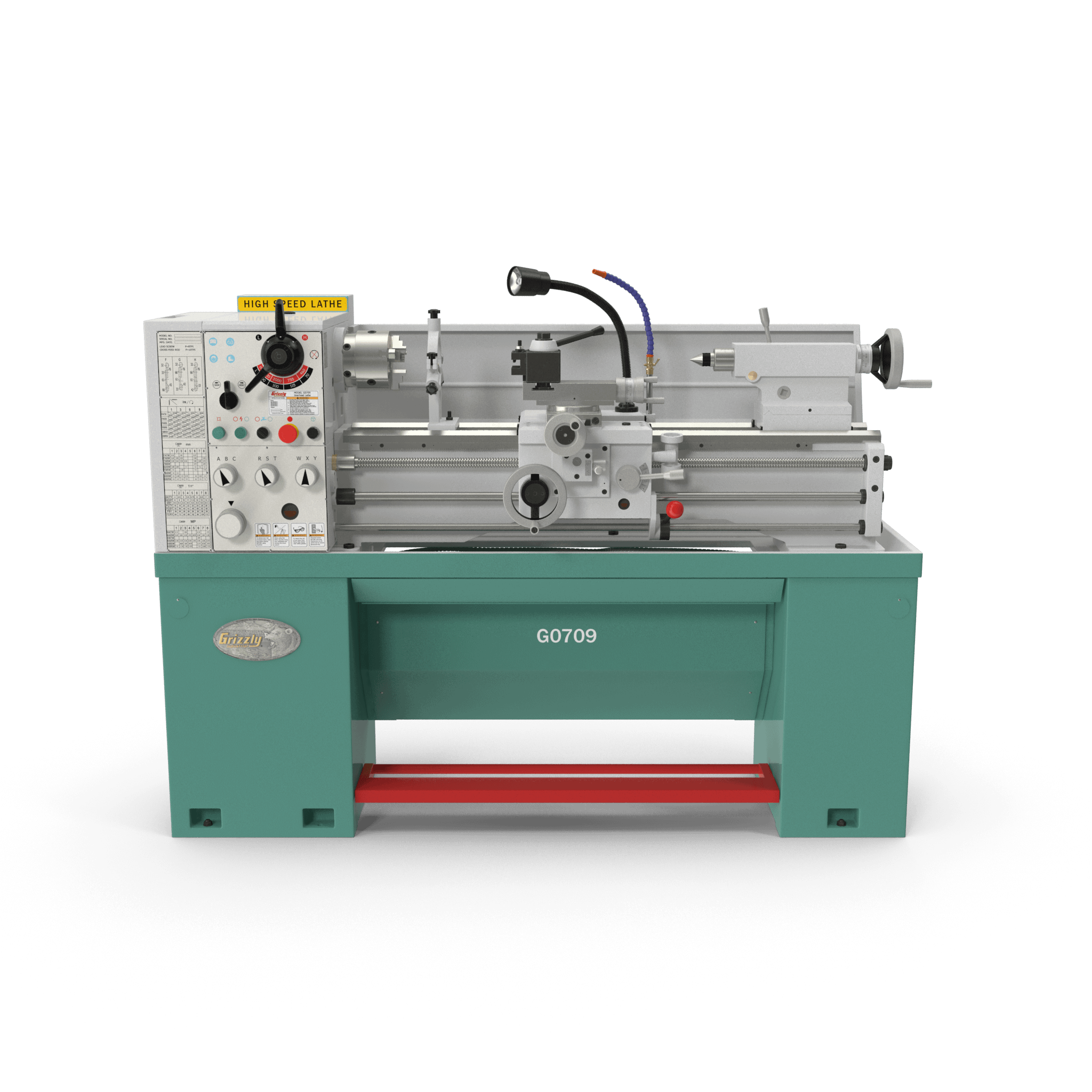
 Reference image
The Microkinetics 1340 is a mid-size CNC turning center designed for versatile machining applications. Featuring a 13-inch swing over bed and 40-inch distance between centers, this lathe accommodates a wide range of workpiece sizes and lengths. The machine boasts an 8-inch swing over the cross-slide, enabling efficient facing and boring operations. With a 1.375-inch spindle bore diameter and D1-4 spindle nose mounting, it supports standard tooling configurations. The robust 2 HP, single-phase 220V motor delivers consistent power across eight spindle speeds ranging from 70 to 2,000 RPM, facilitating both precision finishing and production work. The CNC 1340 combines automated control with the flexibility to revert to manual operation, making it suitable for shops requiring adaptability across simple and complex machining tasks. Equipped with an AT6 CNC electric tool turret, 3 and 4-jaw chucks, steady rest, and follow rest, the machine handles diverse turning, boring, and threading operations. The integrated coolant system enhances tool life and surface finish quality. Compact dimensions of 30 inches high by 33 inches wide by 73 inches long make it ideal for shops with space constraints, while its 1,500-pound shipping weight ensures stable operation. The hardened and ground bed with reinforced cross ribs provides precision and durability for continuous production runs.
Specifications, market trends, and valuation estimates are compiled from manufacturer documentation, historical sales, and industry sources. While care is taken to ensure accuracy, this information is provided for reference purposes only and may contain errors or omissions. Users should independently verify all data before making buying or selling decisions. Valuations do not represent guaranteed transaction prices or binding offers, and Aucto assumes no liability for decisions made using this data.
Spot an error or missing detail? Help us keep our equipment guides accurate for the community.

 A+
A+ Auction Value
$4,819
 Range$1,000 – $6,875
 Sells in ~ 30 days
 Retail Value
—
Sells in ~ 180 days
Item functions as originally intended, shows signs of normal wear. Change the condition to see how it moves both values.
Marketplace

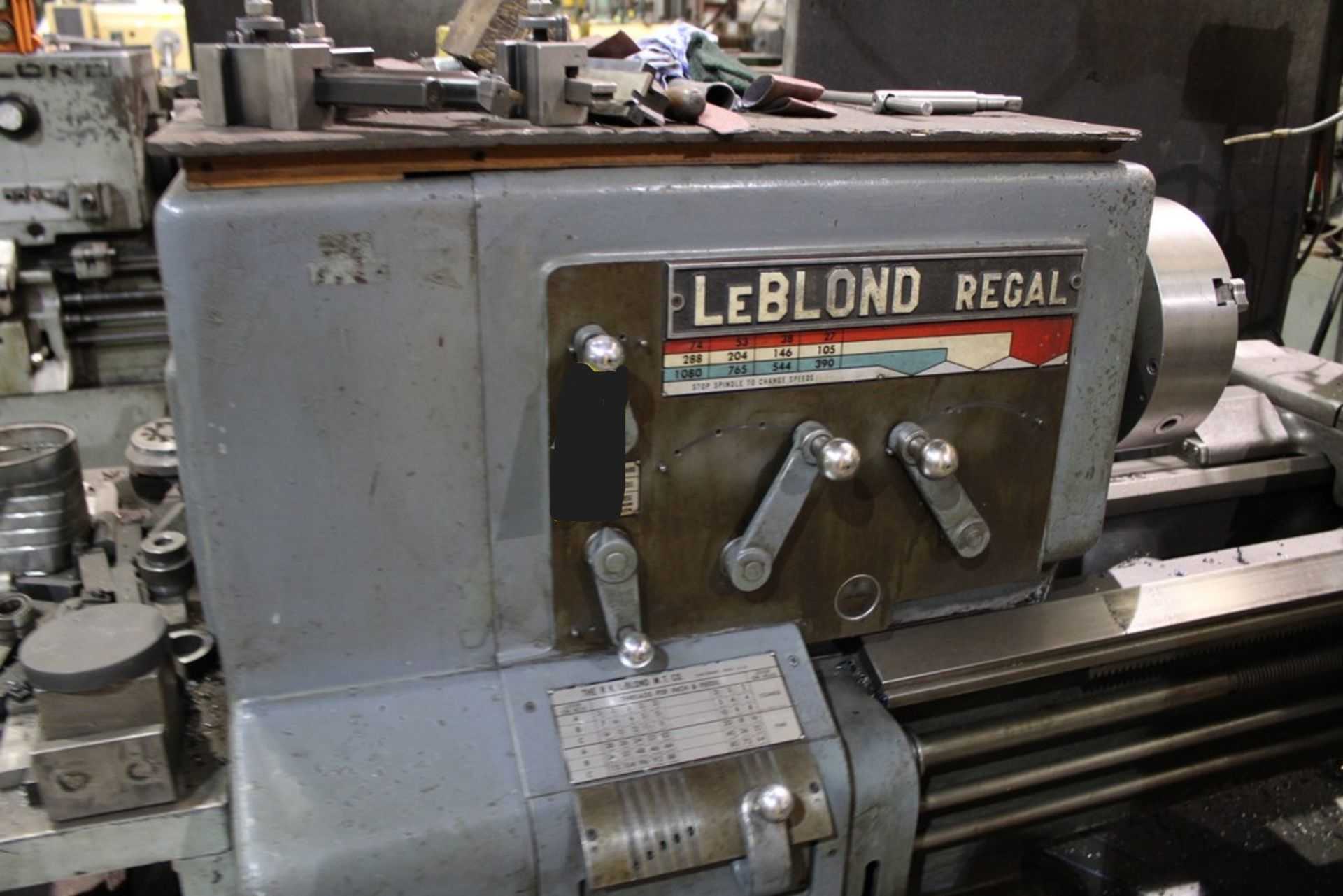
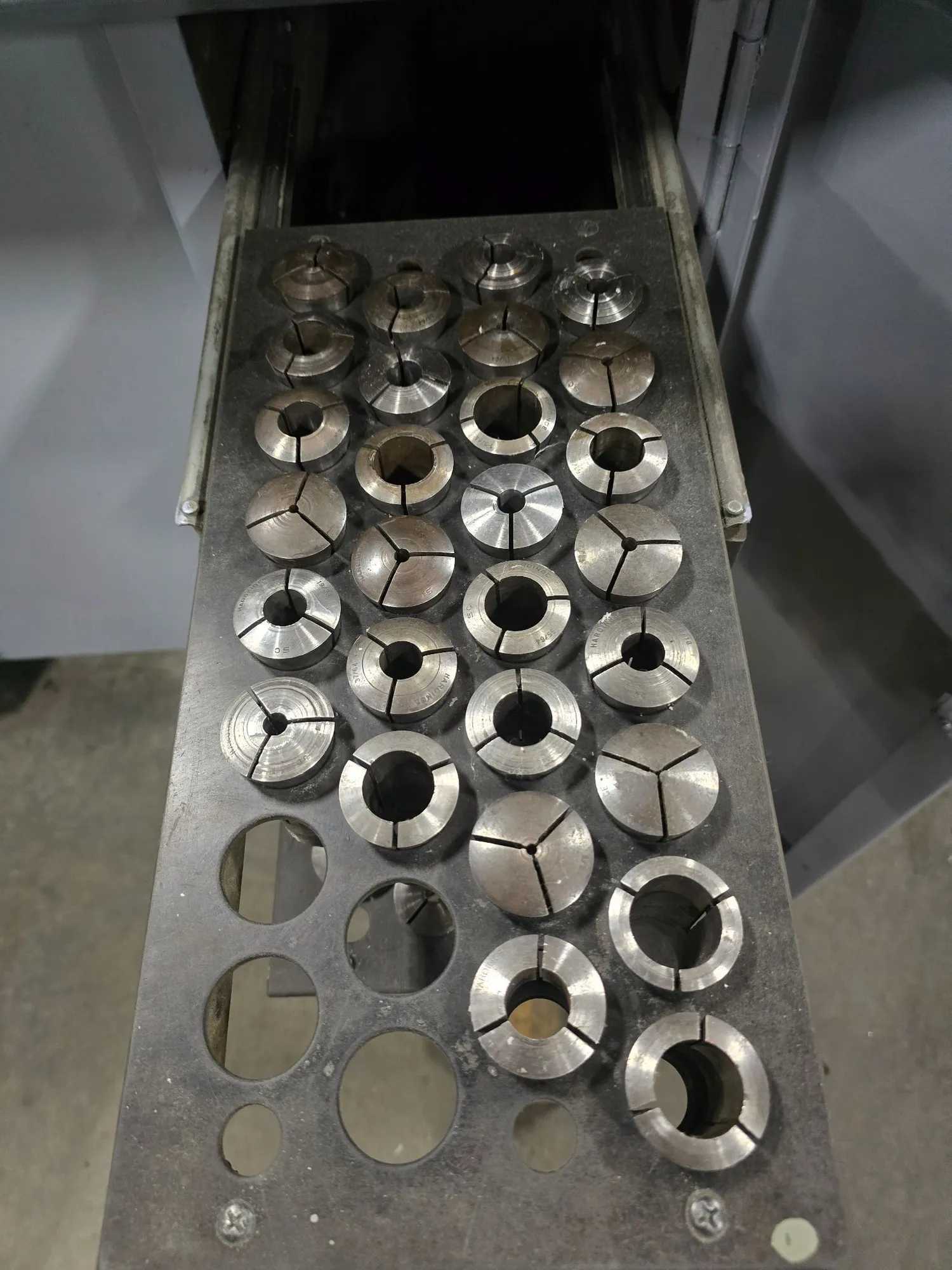
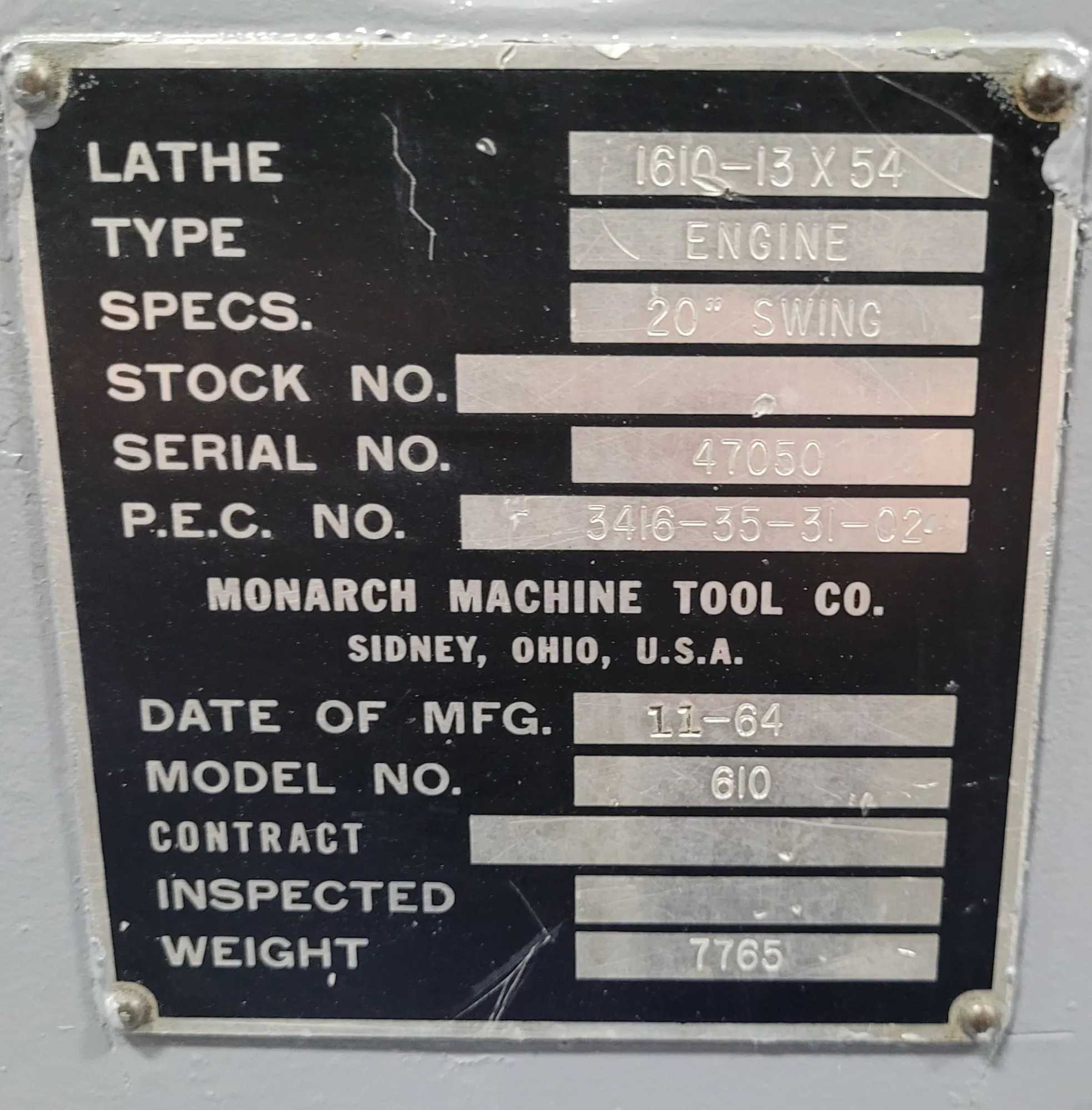
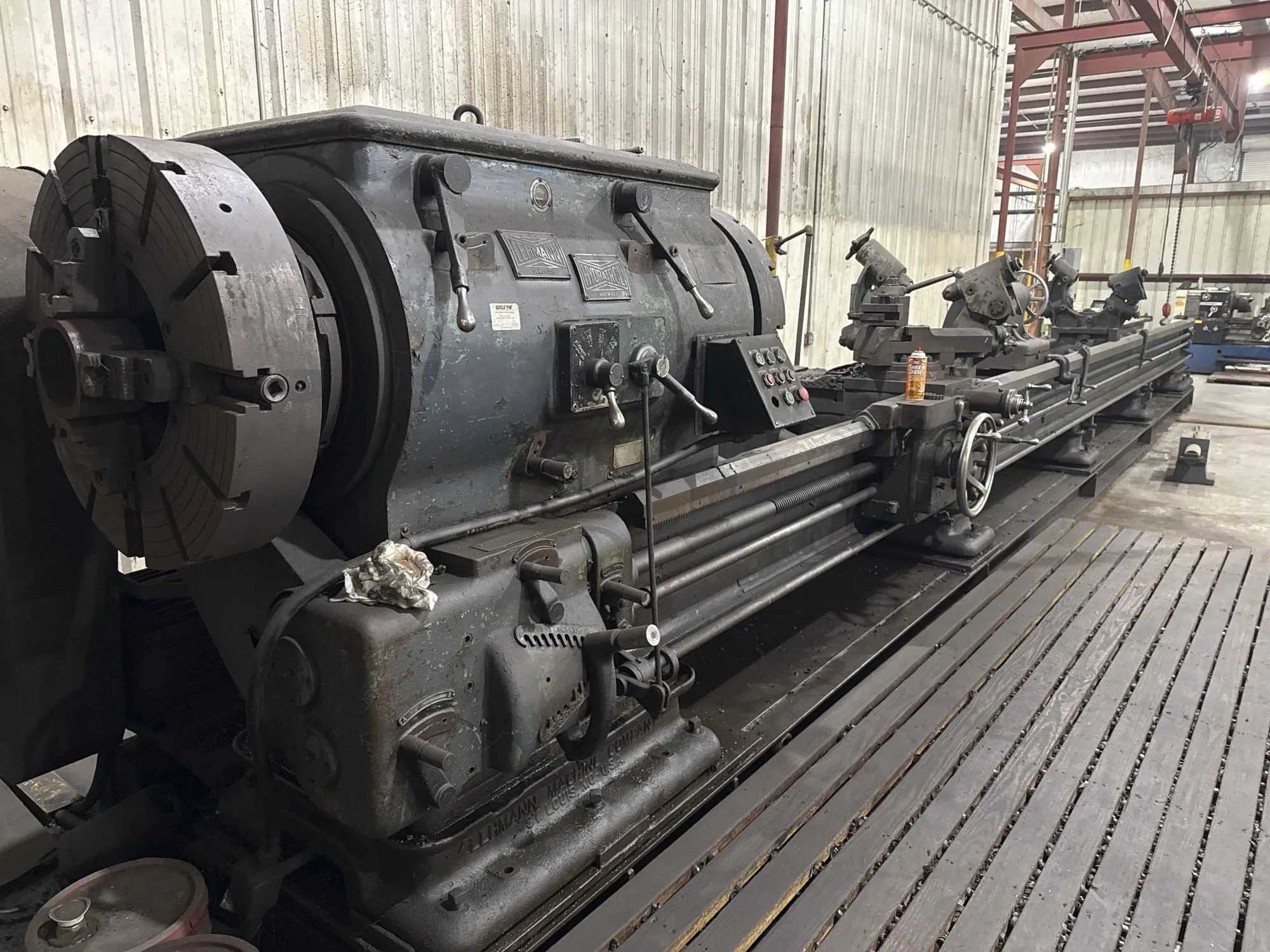

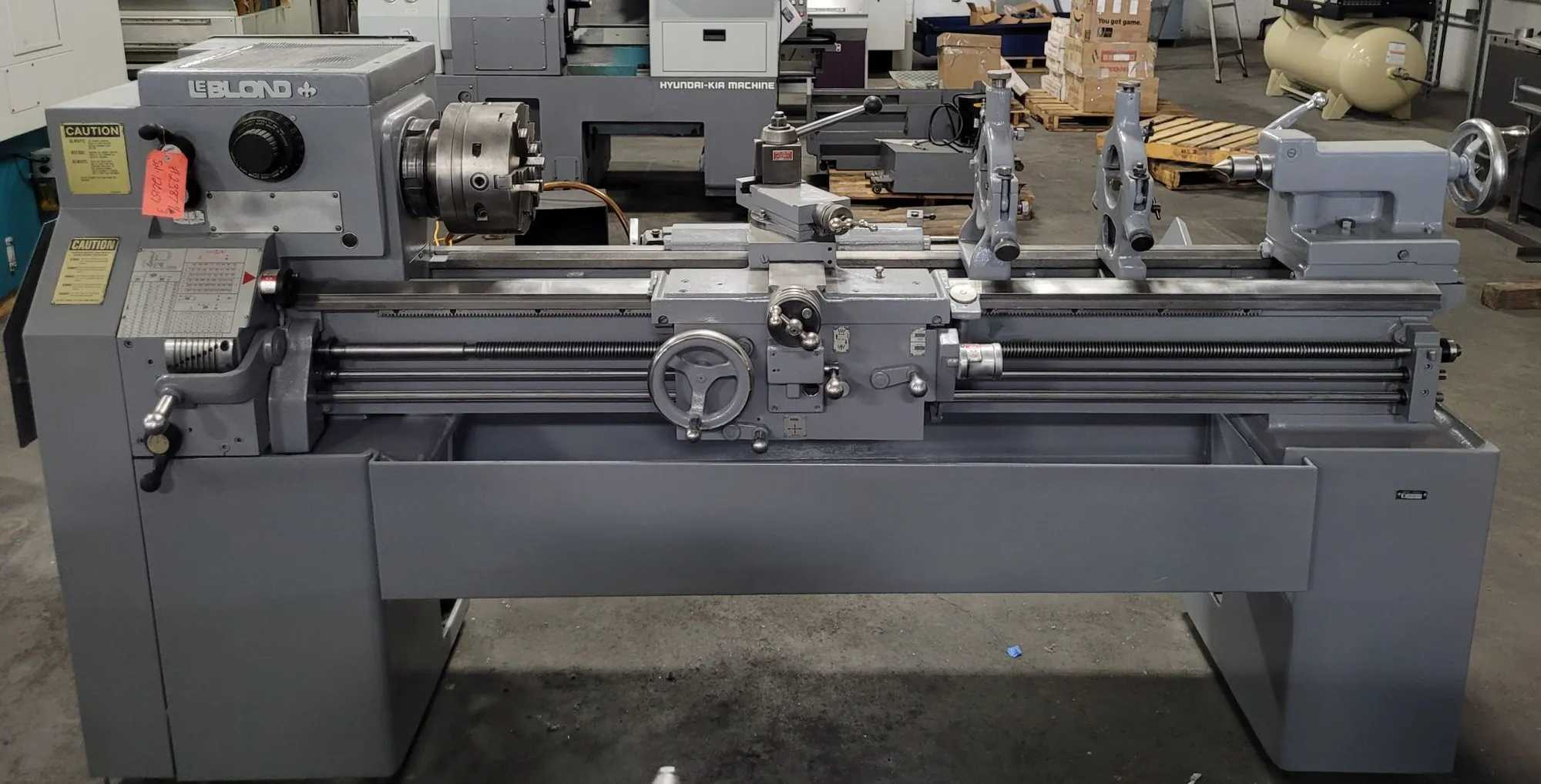
| Attribute | SelectedMICROKINETICS 1340 MANUAL LATHE | MICROKINETICS 1236 MANUAL LATHE | |
|---|---|---|---|
| OEM | MICROKINETICS | MICROKINETICS | |
| Model | 1340 | 1236 | |
| Year | - | - | |
| Max Swing | 13.00 '' | 12.00 '' | |
| Distance Between Centers | 40.00 '' | 36.00 '' | |
| Spindle Bore Diameter | 1.38 '' | 1.50 '' | |
| Similarity | — | 99% | |
| Auction Value$1,000 - $6,875Retail Value— | Auction Value$2,000 - $11,495Retail Value— | |
| Current Machine | View Details |